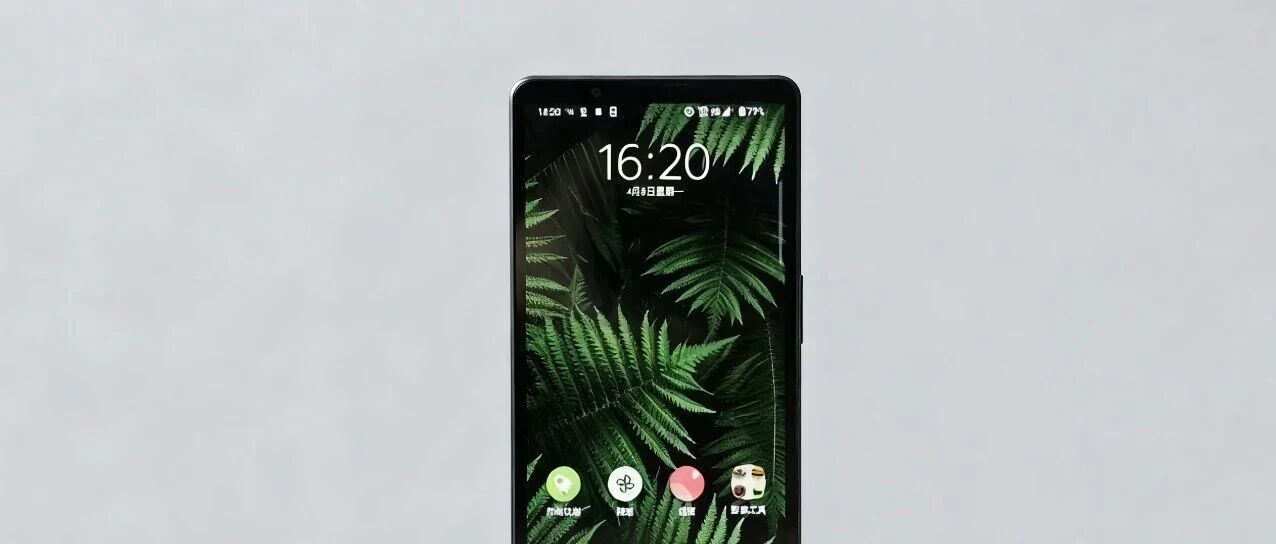
索尼Xperia系列手机

Search documents
索尼手机,这回真凉了
36氪· 2025-11-19 13:31
Core Viewpoint - Sony Mobile has quietly exited the Chinese market, marking the end of a long struggle due to its inability to adapt to local consumer preferences and competition [4][5][15]. Group 1: Historical Performance - Sony Mobile's peak in China was during the Sony Ericsson era from 2005 to 2010, where it was popular among young consumers with innovative features like high-resolution cameras and music capabilities [7]. - The introduction of the Xperia brand initially performed well, ranking among the top five in shipments in 2011, but faced increasing competition from local brands like Huawei and Vivo [9]. - By 2016-2018, local brands surged ahead, and despite releasing flagship models like the XZ Premium, Sony's high pricing and lack of local adaptation led to a decline in market presence [11][12]. Group 2: Strategic Missteps - Sony's "One Sony" strategy aimed to integrate its various business units to enhance the mobile division, but it failed to translate into success for Xperia, which continued to struggle globally [18][19]. - The Xperia brand has been marginalized in key markets, with its share in Japan dropping significantly and remaining below 2% in Europe and nearly nonexistent in North America [21]. Group 3: Market Dynamics - The shift to AI-driven smartphones has further diminished Sony's competitive edge, as local brands have integrated advanced AI features into their devices, while Sony has not established a clear strategy in this area [22]. - Apple's success in China is attributed to its comprehensive ecosystem and local adaptations, which Sony has lacked, particularly in software and system experience [22][24]. Group 4: Future Outlook - Sony Mobile's global market share has hovered around 0.2%-0.3% over the past five years, indicating that the mobile division has become more of a technology showcase rather than a profitable business [27]. - The mobile image sensor business, which dominates over 50% of the global market, relies on Xperia as a testing platform for new technologies, raising concerns about the brand's future if this need diminishes [27][29]. - The potential for Sony to exit the global mobile market remains uncertain and will depend on future developments [30].


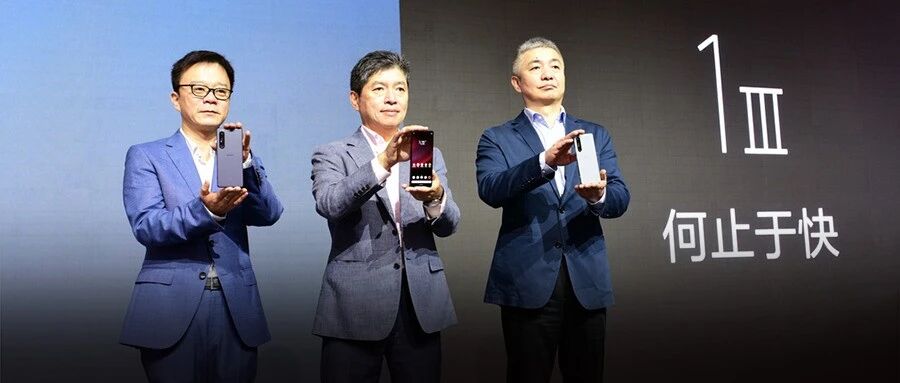
“信仰品牌”倒下,又一段青春记忆被清空了
首席商业评论· 2025-11-14 04:33
Core Viewpoint - Sony has decided to exit the smartphone market in mainland China, marking the end of its over ten-year presence in the region, as indicated by the shutdown of its official WeChat account and the removal of its mobile category from the website [4][5]. Group 1: Sony's Historical Context - Sony was founded in 1946 with a focus on innovation, creating industry-first products like the transistor radio in 1955 and the Walkman in 1979, which defined the consumer electronics landscape [6][7]. - The brand became synonymous with high-end technology in China after entering the market in the 1990s, with products like a 29-inch television priced at 18,000 yuan, equivalent to three years' salary for an average worker at the time [7]. Group 2: Decline in Smartphone Sales - Sony's smartphone sales have plummeted by 88% from approximately 25 million units in 2015 to just over 3 million units in 2019, indicating a significant decline in market presence [8][13]. - The Xperia series, once a symbol of technological prowess, failed to adapt to local market demands, leading to a lack of competitive pricing and features compared to domestic brands [11][13]. Group 3: Strategic Shift - Sony's exit from the smartphone market is part of a broader strategic shift towards focusing on its core businesses, such as gaming, music, and film, which account for over 60% of its consolidated sales revenue [16][20]. - The company has been reallocating resources away from underperforming sectors like mobile, as evidenced by its recent decisions to withdraw from various markets, including Finland [13][20]. Group 4: Current Market Position - Despite the decline in its smartphone business, Sony continues to perform well in other sectors, such as audio and imaging, where it holds significant market shares [22]. - The company's ongoing supply of core sensors to leading smartphone manufacturers and its expansion into new applications like automotive technology indicate a shift towards B2B opportunities [22].
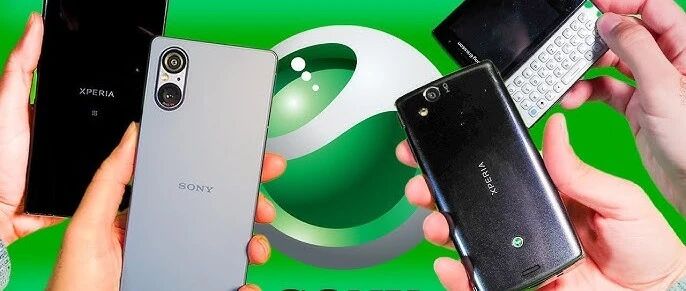
“信仰品牌”倒下,又一段青春记忆被清空了
3 6 Ke· 2025-11-12 09:23
Core Insights - Sony has decided to withdraw its mobile phone business from the Chinese market, marking the end of its presence in a market it once dominated for over a decade [1][10][12] Group 1: Sony's Historical Context - Sony's journey began in 1946, founded by Masaru Ibuka and Akio Morita with an initial capital of 190,000 yen, leading to innovations like the first transistor radio and the Walkman [3] - The brand became synonymous with high-end technology in China after entering the market in the 1990s, with products like a 29-inch Trinitron TV priced at 18,000 yuan, equivalent to three years' salary for an average worker at the time [4][5] Group 2: Decline of Mobile Business - Sony's mobile phone division, originally a joint venture with Ericsson, saw a significant decline in sales, dropping from approximately 25 million units in 2015 to just over 3 million units by 2019, an 88% decrease [6][10] - The last model launched in China was the Xperia 5 V in September 2023, with subsequent models not being released in the market, indicating a strategic retreat [10][12] Group 3: Strategic Shift - Sony's CEO has emphasized that the company's core business now lies in gaming, music, and film, which account for over 60% of its consolidated sales revenue, suggesting a shift in focus away from mobile phones [12][15] - Despite the decline in mobile, Sony has maintained a strong position in other sectors, such as audio and imaging, where it leads the market with significant shares [15][16] Group 4: Market Dynamics - The Chinese smartphone market is highly competitive, with Sony's Xperia brand struggling against local giants like Huawei and Xiaomi, leading to its classification as "Others" with negligible market share [16] - Sony's high pricing strategy and lack of localized marketing have contributed to its failure to resonate with Chinese consumers, who favor more affordable and feature-rich alternatives [10][16]
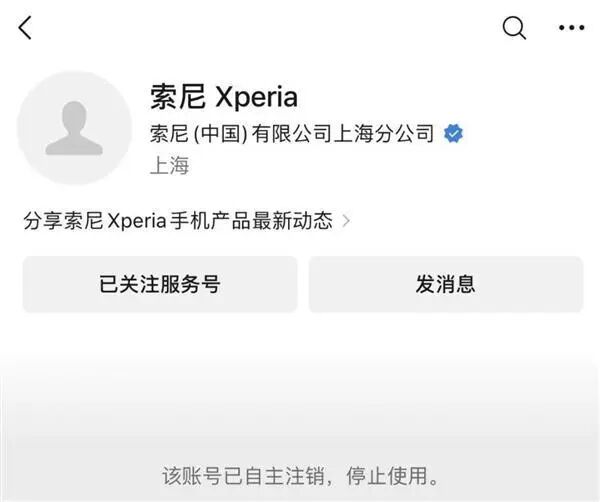
“信仰品牌”倒下,又一段青春记忆被清空了
创业邦· 2025-11-12 03:08
Core Viewpoint - Sony has decided to exit the smartphone market in mainland China, marking the end of its over ten-year presence in the region, as indicated by the recent deactivation of its official WeChat account and the removal of its mobile category from the website [5][8][21]. Group 1: Sony's Historical Context and Market Presence - Sony's journey began in 1946, with a focus on innovation, leading to the creation of groundbreaking products like the Walkman and PlayStation, which defined entire industries [10][12]. - The Xperia brand was launched in 2001 through a partnership with Ericsson, achieving significant market share in the early 2010s, but later faced a decline [15][18]. - The peak of Xperia sales occurred in the 2014 fiscal year, with approximately 40 million units sold globally, but this success was not sustained [15][18]. Group 2: Reasons for Market Exit - Sony's smartphone sales in China plummeted by 88% from approximately 25 million units in 2015 to just over 3 million units by 2019, indicating a severe decline in market relevance [13][18]. - The company's refusal to adapt to local consumer preferences, such as the demand for fast charging and AI features, contributed to its poor performance in the Chinese market [16][18]. - Despite attempts to localize its offerings, such as a partnership with Meizu, Sony's efforts were insufficient to bridge the gap in user experience and functionality [18][21]. Group 3: Strategic Shift and Future Focus - Sony's CEO has emphasized that the core pillars of the company are now in gaming, music, and film, which account for over 60% of its consolidated revenue, leading to a strategic shift away from less competitive sectors like smartphones [21][24]. - The company continues to supply key sensors to leading smartphone manufacturers and is exploring new applications in the automotive sector, indicating a pivot towards B2B opportunities [24][25]. - The exit from the smartphone market reflects the harsh realities of the mature Chinese consumer electronics market, where understanding user needs is crucial for sustained success [25].
又一经典手机品牌退出中国市场?
Guan Cha Zhe Wang· 2025-11-07 08:05
Core Viewpoint - Sony's Xperia brand has effectively exited the Chinese smartphone market, with its official accounts and product listings being removed, indicating a significant decline in its mobile business operations in the region [1][2][13]. Group 1: Business Operations - Sony's Xperia WeChat account has entered a self-cancellation freeze period, and all functionalities have been fully suspended [1]. - The official Sony China website no longer lists any smartphone products, indicating a complete withdrawal from the smartphone segment [2]. - The last Xperia model launched in mainland China was the Xperia 5 V in September 2023, with a starting price of 6,499 yuan [8]. Group 2: Market Presence - Sony's smartphone business in China has been struggling for years, with a weak brand presence and limited service networks, making it difficult to attract mainstream consumers [13]. - Reports indicate that Sony has also partially exited the European market, with Xperia phones being removed from retail stores in several regions [14]. - In Japan, Sony's smartphone sales have plummeted by 40% in 2023, with a market share of only 6%, reflecting a significant decline in its domestic market as well [14][15]. Group 3: Historical Context - Sony's smartphone division has been in decline for over a decade, with the brand failing to adapt to local market preferences and competition from domestic brands [13]. - At its peak in 2007-2008, Sony held a 9% share of the global smartphone market, but has since experienced a continuous decline [15].

又一经典手机品牌退出中国市场?“死忠粉”依然很多
猿大侠· 2025-11-07 04:11
Core Viewpoint - Sony appears to be making significant adjustments to its mobile business strategy in the Chinese market, as indicated by the removal of the "mobile" product category from its official website and the lack of updates on its official Weibo account [2][16]. Group 1: Market Presence and Product Launches - The last model launched in mainland China was the Xperia 5 V, released in September 2023 with a starting price of 6499 yuan, and no new models have been introduced since [6]. - Sony's flagship models for 2024 and 2025, the Xperia 1 VI and Xperia 1 VII, have not been released in the Chinese market [6]. - In March 2024, Sony China responded to rumors of exiting the mobile business, stating that its operations, including mobile, were stable and that China remained a key overseas market [6][16]. Group 2: Historical Context and Business Performance - Sony has been active in the Chinese mobile market since 2013, with the Xperia Z1 being one of the first models sold [8]. - The Xperia brand was established in 2008 under Sony Ericsson, which later became a wholly-owned subsidiary of Sony in 2012 [9]. - Despite launching several notable models, Sony Mobile has consistently reported losses, making it the only loss-making division within Sony's core business [9]. Group 3: Localization and Market Challenges - Sony's mobile devices have faced criticism for their lack of localized software, which has limited their appeal to Chinese consumers [12]. - In May 2022, Sony announced a partnership with Meizu to enhance localization for the Xperia IV, but this did not fundamentally change the overall user experience [12][14]. - High pricing of new models, often comparable to flagship devices from Samsung and Apple, has led to poor market performance due to insufficient brand recognition to justify the premium [14]. Group 4: Future Outlook - Although Sony has not officially announced its exit from the Chinese market, recent actions suggest a de facto termination of its mobile business, with a potential shift of resources to more competitive areas [16].