
紫菀

Search documents
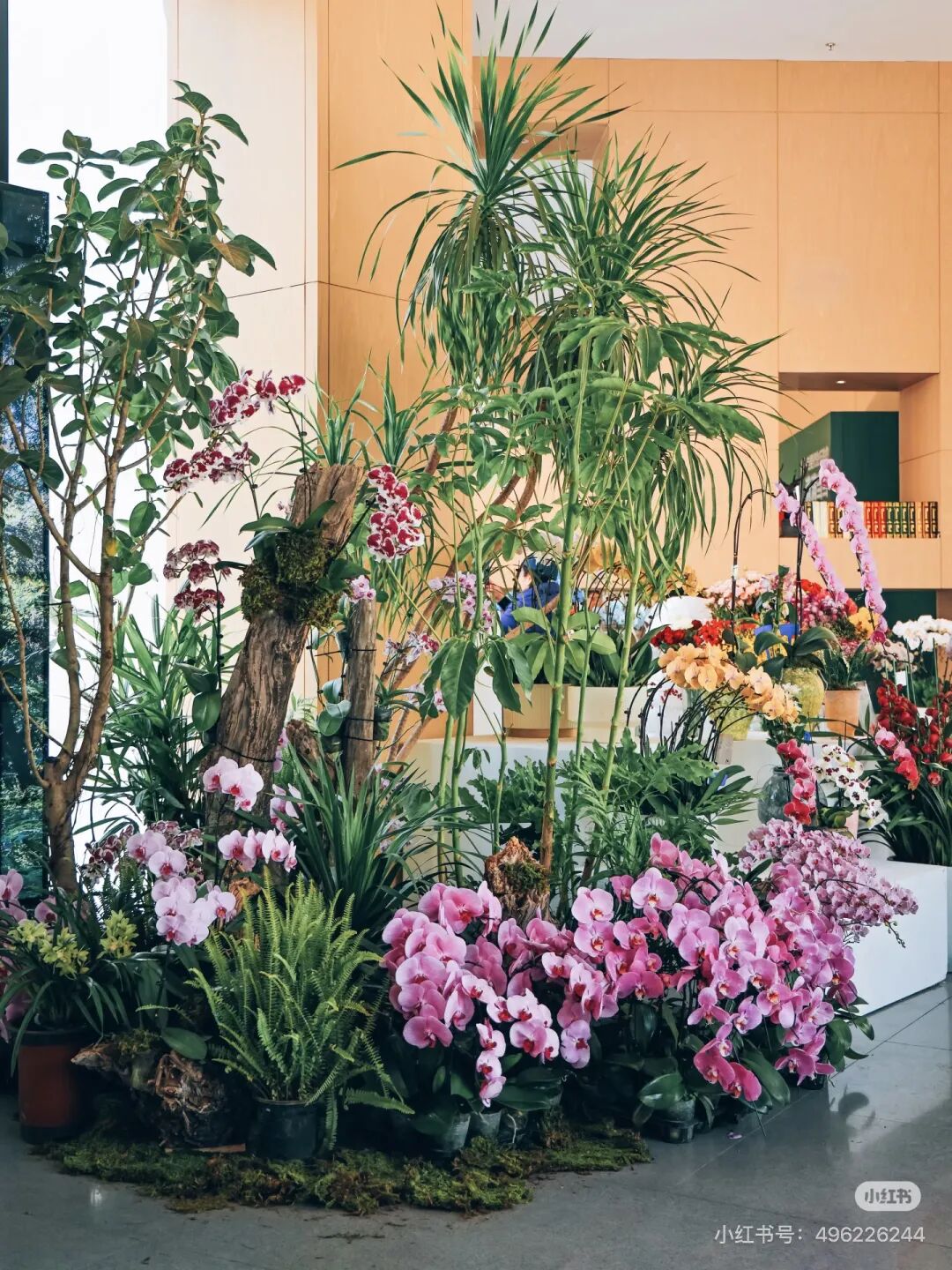
呼和浩特这场兰花展,藏着北方花卉产业的“科技密码”!
Xin Lang Cai Jing· 2025-12-27 08:21
Core Viewpoint - The establishment of the Northern Flower Industry Research Institute marks a significant step in advancing the flower industry in northern China, focusing on the development of cold-resistant and drought-tolerant flower varieties through technological innovation [4][6]. Group 1: Establishment and Purpose - The Northern Flower Industry Research Institute has been officially established, aiming to enhance local flower industry development and address the challenges posed by cold and arid climates [3][4]. - The institute is a collaborative effort involving top research teams from various agricultural research institutions and local enterprises, focusing on innovation in cold-resistant flower varieties and the entire industry chain [4][6]. Group 2: Technological Advancements - The first major event following the institute's establishment is the Orchid Exhibition, showcasing over 150 new and superior flower varieties specifically selected for northern climates [4][5]. - The research team has introduced and evaluated 140 plant materials, resulting in the identification of 15 new superior varieties and the development of rapid propagation techniques for certain flowers, leading to two national invention patents and two plant variety rights [5][6]. Group 3: Economic Impact - The research and development efforts have already generated over 80 million yuan in direct and indirect economic benefits, supporting more than 30 flower growers and over 10 related enterprises [5]. - The institute aims to strengthen the flower industry's foundation by implementing a collaborative mechanism that connects research, transformation, and industry, thereby addressing the specific needs of the northern flower industry [6][10]. Group 4: Future Prospects - The establishment of the research institute is expected to enhance the technological innovation capabilities in the flower sector of Hohhot, contributing to the development of unique flower resources and supporting rural revitalization efforts [10]. - The initiative is seen as a pathway to create a vibrant flower industry in northern China, promoting ecological and economic benefits in the region [10].

暴跌,“曾经论克卖的药材,如今按斤称都嫌贵”
Di Yi Cai Jing· 2025-08-08 10:58
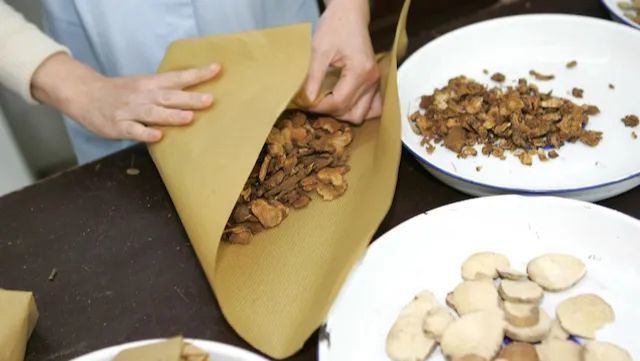
Core Viewpoint - The significant decline in traditional Chinese medicine (TCM) herb prices reflects a broader downturn in the TCM market, with many herbs experiencing price drops of nearly 90% from previous highs [2][3]. Price Trends - Prices for TCM herbs such as Ziwun and Cat Claw Grass have plummeted from 80 yuan and over 1,000 yuan per kilogram to 9 yuan and 66 yuan, respectively [2]. - A total of 835 out of 1,095 TCM herb varieties tracked by Kangmei TCM Network have seen price declines this year, representing approximately 75% of the total [2]. - The TCM Comprehensive 200 Index has dropped from 3549.47 on July 18, 2024, to 2812.85 on August 4, 2025 [2]. Market Dynamics - The current price drop is attributed to the aftermath of previous speculative trading, leading to overproduction and excess inventory in the TCM market [3]. - The decline in prices has caused panic among stockpilers and traders, prompting them to liquidate their holdings, further driving down prices [3]. - Experts indicate that the market has not yet fully adjusted, with many industry participants facing significant financial losses due to the price drop [4]. Supply and Demand Factors - The supply of TCM herbs is heavily influenced by weather conditions and regional planting volumes, making it less flexible compared to chemical drug raw materials [5]. - The demand for TCM herbs is driven by consumer health needs, processing into TCM tablets, and production of traditional Chinese patent medicines [5]. - Despite the short-term benefits of lower herb prices for manufacturers and consumers, the long-term implications could harm the stability of the industry due to the adverse effects on farmers [5].
暴跌!“曾经论克卖的药材,如今按斤称都嫌贵”
第一财经· 2025-08-08 10:35
Core Viewpoint - The article highlights a significant decline in the prices of traditional Chinese medicinal herbs, reflecting a broader downturn in the industry after a period of speculative price increases. Price Decline Overview - The price of Ziwun has dropped from 80 yuan per kilogram to 9 yuan, while the price of Cat Claw Grass has fallen from over 1,000 yuan to 66 yuan, indicating a nearly 90% decrease in prices for these herbs this year [3][4] - A total of 835 out of 1,095 monitored medicinal herb varieties have seen price declines this year, accounting for approximately 75% of the market [3] - Notable herbs with price drops exceeding 30% include Bai Zhu, Lian Qiao, Jin Yin Hua, Niu Huang, Ban Lan Gen, and Dang Gui [3] Market Dynamics - The current price drop is attributed to the aftermath of previous speculative trading, which led to overproduction and excess inventory in the market [4] - The market has experienced a panic sell-off as traders rush to liquidate stock, further driving down prices [4] - Experts suggest that the price adjustments have not yet reached a stable level, with many industry participants facing significant financial losses due to the downturn [5] Supply and Demand Factors - The supply of medicinal herbs is heavily influenced by environmental factors, making it less flexible compared to chemical raw materials [5] - The demand for medicinal herbs is driven by consumer health needs, processing into medicinal slices, and production of traditional Chinese medicine [5] - The current imbalance between excess supply and stagnant demand from downstream manufacturers is a key factor in the price decline [6] Long-term Implications - While the price drop may temporarily reduce costs for manufacturers and benefit consumers, it poses risks to the long-term stability of the industry, as low prices can harm farmers [6]
1095个品种有835个今年价格累计下跌,中药材价格缘何现暴跌
Di Yi Cai Jing· 2025-08-08 09:46
Core Viewpoint - The significant decline in traditional Chinese medicine (TCM) herb prices reflects a broader downturn in the industry, with many herbs experiencing price drops of nearly 90% from previous highs, indicating a market correction after years of speculation and overproduction [1][3]. Price Trends - Prices of specific herbs like Cat's Claw and Aster have plummeted, with Cat's Claw dropping from over 1,000 yuan per kilogram to 66 yuan, and Aster from 80 yuan to 9 yuan [1]. - A total of 835 out of 1,095 TCM herb varieties tracked by Kangmei TCM Network have seen price declines this year, representing approximately 75% of the market [1]. - The TCM Comprehensive 200 Index has decreased from 3549.47 on July 18, 2024, to 2812.85 by August 4, 2025, indicating a significant market downturn [1]. Market Dynamics - The current price drop is attributed to the aftermath of previous speculative trading, leading to overproduction and excess inventory in the TCM sector [3]. - Market panic has led to wholesalers and traders rushing to liquidate stock, further driving down prices [3]. - Experts suggest that the decline in prices has not yet reached a stable adjustment point, indicating ongoing volatility in the market [3]. Supply and Demand Factors - The supply of TCM herbs is heavily influenced by environmental factors, making it less flexible compared to chemical drug production [4]. - The demand for TCM herbs is driven by consumer health needs, production of herbal tablets, and traditional Chinese medicine formulations [4]. - The current imbalance between overproduction and insufficient demand from downstream manufacturers is contributing to the price decline, which may benefit short-term costs but poses long-term risks to industry stability [4].
烟瘾缠身?老祖宗教你戒烟
Bei Jing Qing Nian Bao· 2025-07-21 01:06
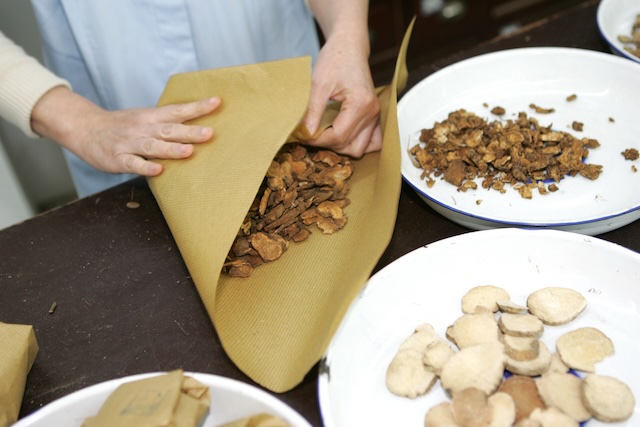
Core Viewpoint - Traditional Chinese medicine offers various methods to help individuals quit smoking by addressing both the symptoms and underlying issues related to smoking addiction [1][6]. Group 1: Methods for Quitting Smoking - **Tea Replacement**: Drinking herbal teas such as green tea, mint, or licorice can help clear lung energy and reduce cravings. For those with weak stomachs, red tea can be used instead [1]. - **Herbal Decoction**: A combination of herbs like purple aster, winter flower, and loquat leaves can be used to alleviate symptoms such as cough and phlegm associated with smoking [2][3]. - **Herbal Patches**: Applying a patch made from herbs like cinnamon and clove can help reduce cravings and anxiety when used consistently over time [4]. - **Aromatherapy**: Carrying mugwort sticks and inhaling their aroma can create an aversion to the smell of cigarettes, aiding in the quitting process [5]. - **Acupuncture**: Stimulating specific ear points related to lung and bronchial health can help decrease the desire to smoke [5]. Group 2: Health Risks of Smoking - **Chemical Exposure**: Smoking releases over 7,000 chemicals, with nicotine acting as a highly addictive substance that affects the brain's reward system [6]. - **Cancer Risk**: Smokers are 23 times more likely to develop lung cancer compared to non-smokers, and the incidence of coronary heart disease increases by 2-4 times [6]. - **Secondhand Smoke Effects**: Children exposed to secondhand smoke face a 6-fold increase in respiratory infections and a 3-fold increase in asthma rates [6].