红枣茶

Search documents
美媒:普通美国人拥抱“像中国人一样生活”
Xin Lang Cai Jing· 2026-02-25 23:03
Group 1 - The article discusses the growing trend of non-Chinese individuals in the West adopting Chinese lifestyle habits, referred to as "extreme Sinicization" [1][2] - Many individuals are influenced by social media, leading them to incorporate traditional Chinese practices such as drinking warm water, consuming herbal teas, and practicing traditional Chinese medicine [1][2] - The phenomenon is not politically motivated; rather, it stems from a genuine interest in health and wellness associated with Chinese traditions [3] Group 2 - The rise of Chinese cultural influence is highlighted, particularly through platforms like TikTok and Xiaohongshu, where users exchange recipes and daily life experiences [2] - Influencers and ordinary people in the West are increasingly adopting Chinese wellness practices, with some reporting health benefits from these changes [2][3] - The trend reflects a broader cultural shift, as individuals express their experiences of "being very Chinese" during certain periods of their lives [2]
新春走基层丨加油站变身“暖心驿站” 照亮团圆路
Jing Ji Ri Bao· 2026-02-19 02:14
Group 1 - The core theme of the news is the initiative by China Petroleum to provide warmth and support for travelers during the Spring Festival, transforming gas stations into "warm stations" for millions of returning home [1][2] - Since the start of the Spring Festival travel rush on February 2, China Petroleum has utilized over 22,000 gas stations, more than 6,000 charging and swapping stations, 3,900 love stations, and over 200 driver homes to create a nationwide energy supply and service network [1] - In Sichuan's Ganzi New Dujiao, gas stations are referred to as "health stations on the lifeline," where staff assist drivers in distress, showcasing the commitment to safety and support during travel [1] Group 2 - Gas stations are evolving from mere refueling points to comprehensive energy supply stations that connect regional culture, facilitate convenient consumption, and convey good wishes [2] - Across China, gas stations serve as beacons of warmth, ensuring vehicle endurance, travel safety, and the deep-rooted desire for reunion and happiness among the people [2]

为何餐馆都在统一提供免费柠檬水?
36氪· 2025-06-11 00:00
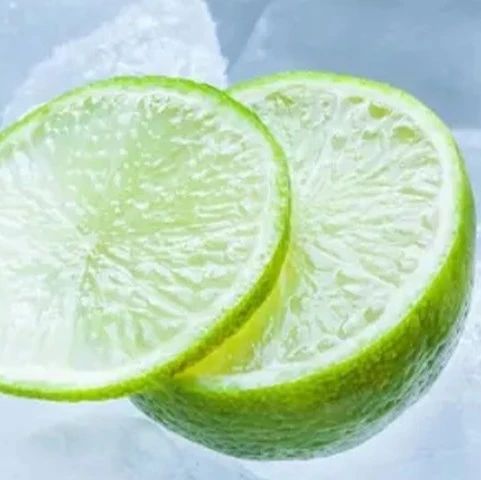
Core Viewpoint - The article discusses the rising trend of flavored water drinks in restaurants, which are replacing traditional plain water to enhance dining experiences and serve as a competitive advantage for eateries [4][6]. Group 1: Flavored Water Trends - Restaurants are increasingly offering a variety of flavored water drinks, such as lemon water, to improve taste and stimulate appetite, especially in areas with poor water quality [6][14]. - Citrus-flavored waters, including lemon, orange, and grapefruit, are popular due to their refreshing aroma and ability to enhance the dining experience [6][8]. - Other notable flavored waters include cucumber and mint water, which provide a unique taste and cooling sensation, appealing to customers during hot weather [10][11]. Group 2: Marketing and Economic Benefits - Offering flavored water instead of plain water can create a positive impression on customers, as it reflects a higher level of service and attention to detail [14]. - The cost of ingredients for flavored waters, such as lemon and mint, is relatively low, allowing restaurants to provide these drinks at minimal expense while avoiding additional charges for tea service [14][15]. - Unique regional drinks, like green bean soup in Beijing or Luo Han Guo tea in Guangdong, can differentiate restaurants and enhance their competitive edge [16][18]. Group 3: Seasonal Variations - In autumn and winter, restaurants tend to offer warm drinks like barley tea and sweet herbal teas to help customers warm up and stimulate appetite [20][21]. - The trend of "围炉煮茶" (gathering around to brew tea) has gained popularity, creating a social atmosphere during colder months [23]. Group 4: Health and Safety Considerations - Consumers should be cautious about the hygiene and safety of flavored waters, especially in summer, as improper storage of fresh fruits can lead to spoilage [24]. - Some restaurants may add excessive sugar to enhance the taste of flavored waters, which could pose health risks if consumed in large quantities [25][26].