红菜汤

Search documents
“尔滨”的浪漫西餐
Jing Ji Ri Bao· 2025-11-09 01:30
Core Insights - Harbin's unique culinary identity is shaped by its rich blend of Russian and local flavors, making Western cuisine an integral part of the city's culture and dining experience [1][3][11] Culinary Heritage - The introduction of Russian cuisine in Harbin dates back to the late 19th century, with dishes like red soup and kvass becoming local favorites [2][3] - Iconic dishes such as red soup, kvass, and canned braised meat reflect a fusion of Russian and Northeast Chinese culinary traditions [2][3] Historical Significance - Established in 1901, the Tadas restaurant is recognized as Harbin's first Caucasian-style restaurant, symbolizing the city's long-standing connection to Russian cuisine [3] - Old brands like Qiu Lin, Ma Die Er, and Ha Rou Lian have become cultural landmarks, representing the city's culinary memory [3][5] Production and Distribution - The production of Harbin's famous red sausage involves advanced processing techniques, ensuring high quality and widespread distribution [6] - Local companies are actively promoting Harbin's culinary products at national food expos, expanding their reach beyond the local market [7][8] Tourism and Culinary Experience - Harbin's tourism is closely linked to its culinary offerings, with restaurants serving as attractions that enhance the visitor experience [9][10] - The city's historical restaurants, such as Ma Die Er and Hua Mei, contribute to the cultural tourism landscape, providing a unique dining experience that reflects Harbin's heritage [10][11] Innovation and Modernization - Recent trends show a shift towards modern dining experiences, with restaurants adapting to younger consumers' tastes while preserving traditional flavors [10][11] - The reopening of the Agrof restaurant aims to blend traditional Russian cuisine with local ingredients, showcasing a commitment to innovation while honoring culinary roots [10]
对俄免签 激发沿边开放新活力
Sou Hu Cai Jing· 2025-11-04 04:38
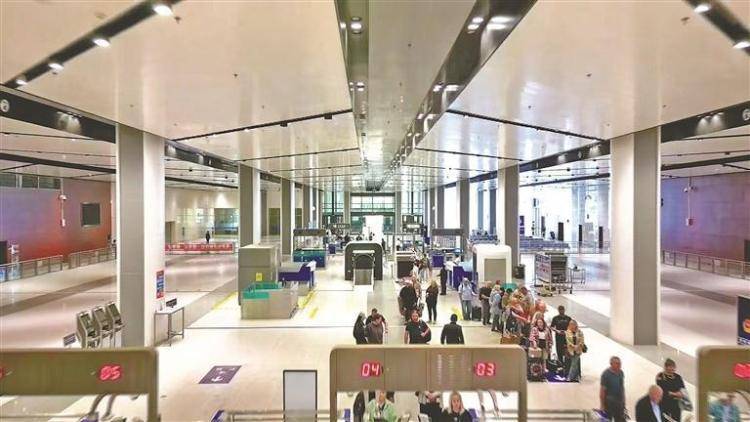
Core Viewpoint - The implementation of a visa-free policy for Russian passport holders has significantly enhanced the cross-border travel experience in Suifenhe, transforming it into a vibrant cross-border consumption hub and fostering closer ties between China and Russia [8][12][13]. Group 1: Cross-Border Travel Efficiency - The new visa-free policy has led to a remarkable increase in border crossing efficiency, with travelers reporting completion of customs procedures in under 10 minutes [9]. - Suifenhe has introduced a "one-stop" service window and extended working hours to accommodate the influx of Russian tourists, resulting in a more streamlined and user-friendly experience [9][10]. - The border inspection station has implemented smart translation devices to facilitate communication, enhancing the overall travel experience for visitors [11]. Group 2: Consumer Experience and Engagement - The city has developed a range of services tailored to Russian tourists, including cultural products and exclusive dining options, creating a welcoming environment [11][12]. - Suifenhe has seen a significant increase in consumer spending, with a reported over 50% rise in the number of inbound travelers and corresponding consumption during the National Day and Mid-Autumn Festival period [9][12]. - The introduction of tax refund points and immediate tax refund services has made shopping more attractive for Russian visitors, turning transient travelers into long-term consumers [12]. Group 3: Economic Impact and Growth - The city is experiencing a surge in demand for second-hand cars among Russian tourists, with both export volume and trade value seeing substantial growth [12]. - The healthcare sector has also adapted to the needs of Russian visitors, offering traditional Chinese medicine services that cater to their wellness requirements, thus enhancing the overall appeal of Suifenhe as a destination [13]. - The combination of improved travel conditions, consumer services, and healthcare offerings positions Suifenhe as a model for high-level openness in border regions, with potential for replication in other areas [13].

俄罗斯饮食:要是不给老百姓吃点预制菜,那都不好意思当超级大国
Hu Xiu· 2025-08-11 04:03
Group 1 - The article discusses the typical diet of Russians, characterized by high-calorie foods suitable for cold climates [1] - Common dishes include borscht, sausages, shashlik (grilled meat skewers), and black bread, which are heavy in oil and salt [1] - Vegetables and fruits are notably scarce in the Russian diet, reflecting a focus on hearty, filling meals [1]

探秘满洲里中俄互贸免税区:一场边城与异域风情的奇妙碰撞
Sou Hu Cai Jing· 2025-05-01 08:27
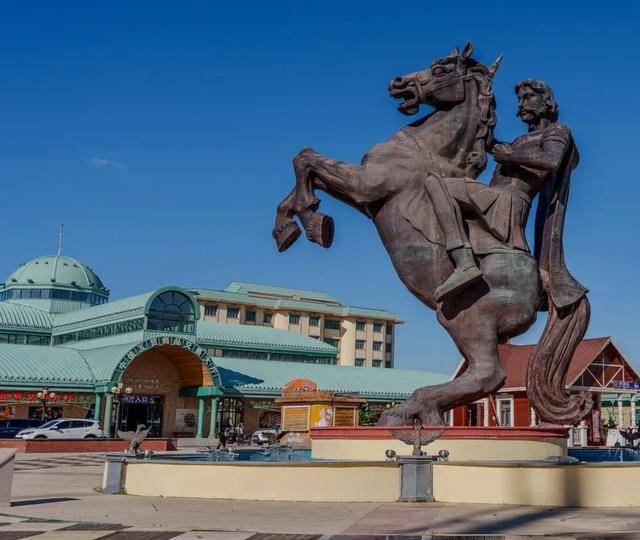
Group 1 - The core concept of the news highlights Manzhouli as a unique cross-border trade hub between China and Russia, featuring a duty-free zone that offers a blend of shopping and cultural experiences [1][3]. - The duty-free zone has evolved from a small barter market established in 1992 to a comprehensive trade area, significantly upgraded in 2015 with an investment of 500 million yuan, transforming it into a "super complex" for shopping, tourism, and logistics [1][3]. - The duty-free zone is the only cross-border area in China operated entirely by a single company, enhancing the efficiency of its services [1]. Group 2 - The duty-free zone allows each person a daily exemption limit of 8,000 yuan, catering to shopping enthusiasts with competitive prices on high-end cosmetics and unique Russian brands [3][5]. - The shopping experience is enriched by a variety of Russian and Mongolian specialty products, including caviar and vodka, alongside unique souvenirs like chocolate dolls that resemble traditional Russian nesting dolls [5][7]. - The zone also features cultural experiences, such as Russian cuisine and artisan crafts, providing visitors with a deeper understanding of the local culture [5][7]. Group 3 - The operational philosophy of the duty-free zone emphasizes product traceability and authenticity, utilizing a customs system to prevent counterfeit goods [7]. - Local farmers are involved in the economy by selling traditional products, showcasing a model that combines cultural heritage with modern market access [7]. - The zone hosts cultural performances that blend elements from China, Russia, and Mongolia, enhancing the visitor experience and promoting cultural exchange [11].