
纯电公交

Search documents
江淮50%控股这一车桥公司!要干啥?
第一商用车网· 2026-01-08 06:57
Group 1 - The core viewpoint of the article highlights the recent change in the investment structure of Hefei Meiqiao Automotive Transmission and Chassis System Co., Ltd., with Hefei Jianghuai Automobile Co., Ltd. becoming a new 50% controlling shareholder [1] - Jianghuai's acquisition aims to enhance the self-research and production capabilities of core components related to chassis and transmission, binding key technologies and production capacities for electric drive bridges, reducing costs, improving efficiency, and stabilizing the supply chain [3] - Hefei Meiqiao specializes in manufacturing vehicle axles, suspensions, and transfer cases, with an annual production capacity of 400,000 commercial vehicle axles, serving major automotive companies such as Jianghuai, Chery, and Foton [4]

672辆纯电公交不到3年大面积停运!发展本地产业岂能依赖扶持回避竞争
Mei Ri Jing Ji Xin Wen· 2025-11-26 14:48
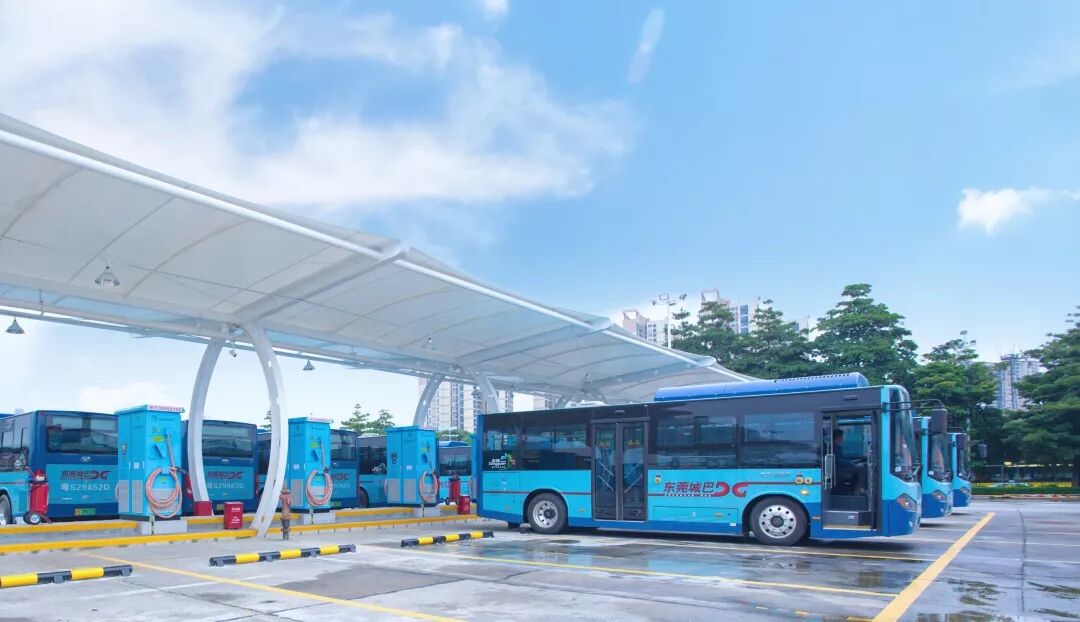
Core Viewpoint - Longzhou Co., Ltd. is facing two significant lawsuits due to contract disputes involving its subsidiary, Dongguan Zhongqi Hongyuan Automobile Co., Ltd., with a total claim amount of 431 million yuan [1][2]. Group 1: Lawsuit Details - The lawsuits are initiated by Dongguan Bus Co., Ltd., the largest public transport company in Dongguan, and its wholly-owned subsidiary, Dongguan City Bus Transportation Co., Ltd. [1] - The disputes stem from the procurement of electric buses with manganese lithium batteries, which began experiencing battery failures and performance issues starting from late 2021, leading to widespread vehicle downtime [2][3]. Group 2: Battery Technology Issues - The procurement process mandated the use of manganese lithium batteries, which are known for their low energy density, short cycle life, poor high-temperature performance, and rapid battery degradation, resulting in a declining market share of only 1.9% by 2018 [4]. - The restriction to manganese lithium batteries significantly limited competition during the bidding process, favoring less mainstream suppliers, which ultimately proved detrimental due to the inherent technical flaws of the batteries [4]. Group 3: Market Competition and Business Viability - The situation illustrates a failure of local government efforts to support the local automotive industry by artificially reducing market competition, which has led to a decline in the operational performance of Zhongqi Hongyuan since 2018, including a halving of net profits in 2019 and subsequent years of significant losses [5]. - The lack of competitive pressure has hindered the growth of local enterprises, emphasizing the need for a fair and open market environment to foster sustainable business development [5].

每经热评︱672辆纯电公交不到3年大量停运 发展本土产业岂能依赖扶持回避竞争
Mei Ri Jing Ji Xin Wen· 2025-11-26 13:22
Group 1 - Longzhou Co., Ltd. announced that its subsidiary, Dongguan Zhongqi Hongyuan Automobile Co., Ltd., is involved in two major lawsuits due to contract disputes with Dongguan Bus Co., Ltd. and Dongguan City Bus Transportation Co., Ltd., with a total claim amount of 431 million yuan [1] - The lawsuits stem from the procurement of electric buses equipped with lithium manganese oxide batteries, which began to experience battery failures and significant performance degradation starting in late 2021, leading to widespread vehicle outages [1] - The market share of lithium manganese oxide batteries has been declining due to inherent disadvantages such as low energy density, short cycle life, and poor high-temperature performance, with a reported market share of only 1.9% by 2018 [2] Group 2 - The procurement process illustrates a case where local support for the automotive industry led to reduced market competition, ultimately resulting in the failure of the initiative [3] - The relationship between suppliers and local government can deteriorate if product quality does not meet expectations, highlighting the importance of fair competition for sustainable business growth [3] - A healthy market environment that promotes fair competition is essential for the growth of local enterprises, as favoritism in procurement can hinder overall industry development [3]
车厘子、牛油果跃上江苏餐桌,新能源车驶向拉美街头江苏与拉美共赴发展之约
Xin Hua Ri Bao· 2025-05-18 23:45
Group 1: Economic Cooperation - Jiangsu's imports and exports to Latin America reached 115.89 billion yuan in the first four months of this year, showing a year-on-year growth of 3.9% [1] - Jiangsu and Latin American countries are collaborating in manufacturing and industrial chain cooperation, with projects like XCMG's production base in Brazil generating over 500 million USD annually and employing nearly 1,500 local workers [2] - The cooperation between Jiangsu and Latin America in agriculture and food processing is deepening, with annual trade exceeding 800 million USD for products like soybeans and beef [4] Group 2: Energy and Resource Development - Jiangsu enterprises are optimizing resource allocation through deep cooperation in energy and mineral resource development, such as the partnership between NARI Group and Brazil's power sector to enhance grid stability [3] - The mixed ore base established between Brazil's Vale and Lianyungang Port is effectively connecting Brazil's high-quality mineral resources with China's market demand [3] Group 3: Emerging Fields and New Opportunities - Jiangsu is expanding its economic cooperation with Latin America into emerging fields like renewable energy and digital infrastructure, exemplified by the delivery of 100 electric buses to Uruguay and the successful operation of three solar power plants in Brazil with a total capacity of 21 MW [4] - The collaboration in new sectors is complemented by ongoing traditional manufacturing and agricultural partnerships, showcasing a multi-faceted approach to economic engagement [4] Group 4: Cultural and Academic Exchange - Jiangsu has been actively participating in the China-Latin America Civilizational Dialogue Forum for seven consecutive years, aiming to enhance cultural exchanges and academic partnerships between the regions [5] - The upcoming 2025 China-Latin America Civilizational Dialogue will include initiatives like the establishment of a China-Latin America University Alliance to enrich the cooperation framework [5]