锰酸锂电池

Search documents
2025中国电动两轮车换电锂电池出货230万组,同比增长28.6%
起点锂电· 2026-03-29 05:52
Core Viewpoint - The rapid growth of the electric two-wheeler battery market in China is driven by the increasing demand for battery swapping services, supported by advancements in technology and favorable policies, leading to a significant shift towards a "swapping as primary, charging as secondary" model by 2030 [2][12]. Group 1: Market Overview - The average daily riding distance for delivery riders is 120 km, with an average riding time of 12.5 hours and daily charging frequency of 2-3 times [2]. - The daily demand for battery swapping in the delivery sector is projected to stabilize at approximately 35 million orders by 2025 [2]. - The battery swapping market for electric two-wheelers is expected to see a shipment volume of 2.3 million units in 2025, representing a year-on-year growth of 28.6% [4]. Group 2: Growth Drivers - The "subsidy war" among delivery platforms like JD and Douyin has increased the number of registered riders and their online hours, amplifying the demand for immediate battery swapping [4]. - The cost of battery swapping cabinets and batteries has entered an "economic zone," with the price of lithium iron phosphate batteries decreasing, thus shortening the payback period for operators [6]. - The retirement of existing batteries is creating a rigid replacement demand, directly increasing battery shipment volumes [7]. Group 3: Policy and Safety Standards - The Chinese government is implementing strict policies and safety standards, such as GB43854—2024, to integrate battery swapping cabinets into urban infrastructure, promoting battery swapping to address charging safety concerns [12]. - The industry is moving towards a multi-faceted technological approach, with lithium iron phosphate batteries becoming the mainstream choice due to their safety and cost advantages [12]. - Safety measures are evolving from passive to active, with real-time monitoring and management systems being implemented to ensure battery safety during high-frequency charging and discharging [12]. Group 4: Market Trends and Future Outlook - The market is becoming increasingly concentrated, with leading companies like Huichuang and Haili New Energy expanding their presence, leveraging their technological and financial advantages to outcompete smaller firms [13]. - The overseas market for electric two-wheelers, particularly in Southeast Asia and Europe, is experiencing explosive growth, with Chinese companies exporting their battery swapping standards and models globally [13]. - The recycling of used batteries is being standardized, creating a closed-loop system that enhances sustainability and reduces raw material costs [13].

SPIR:2026全球锂电池行业发展白皮书发布
起点锂电· 2026-01-23 02:44
Core Insights - The global lithium battery shipment in 2025 is projected to reach 2042.7 GWh, representing a year-on-year growth of 46.8%, with power batteries accounting for 62.2% of the demand structure [2] - By 2030, the global lithium battery shipment is expected to reach 5333.6 GWh, with a decreasing share of power batteries and an increasing trend in energy storage batteries [2] Group 1: EV Power Lithium Batteries - In 2025, global sales of new energy vehicles are expected to reach 24.04 million units, a year-on-year increase of 31.8%, driving the global EV power battery shipment to 1271 GWh, up 39.9% [3] - The market concentration for EV power batteries is increasing, with the top five companies accounting for 72% of the market share [10] Group 2: Energy Storage Lithium Batteries - The global energy storage battery shipment is projected to be 637 GWh in 2025, a year-on-year increase of 78.9%, primarily driven by markets in China, Europe, the Middle East, and Southeast Asia [3][14] - The market concentration for energy storage batteries is also rising, with the top five companies expected to hold 53.3% of the market share in 2025 [14] Group 3: Lightweight Power Lithium Batteries - The implementation of new national standards for electric bicycles in September 2025 is expected to stimulate demand, with global lightweight power battery shipments reaching 55.4 GWh, a year-on-year increase of 10.8% [4] Group 4: 3C Lithium Batteries - The global 3C lithium battery shipment is projected to be 70.8 GWh in 2025, with a year-on-year growth of 5.8%, driven by device replacements and hardware upgrades [4] - The 3C electronics sector is expected to maintain steady growth, with shipments projected to exceed 115.2 GWh by 2030, reflecting a compound annual growth rate of 10.2% over the next five years [4] Group 5: Battery Materials Market - In 2025, the global shipment of lithium battery cathode materials is expected to reach 479.8 million tons, a year-on-year increase of 48.5%, with lithium iron phosphate accounting for 78% of the total [21] - The global shipment of lithium battery anode materials is projected to be 272.3 million tons in 2025, with artificial graphite making up 89.3% of the total [27] Group 6: Electrolyte and Separator Markets - The global lithium battery electrolyte shipment is expected to reach 239.6 million tons in 2025, a year-on-year increase of 53% [29] - The global lithium battery separator shipment is projected to be 384.9 billion square meters in 2025, with a year-on-year growth of 48.6% [36] Group 7: Copper and Aluminum Foil Markets - The global lithium battery copper foil shipment is expected to reach 148.7 million tons in 2025, with a year-on-year growth of 49.1% [39] - The global lithium battery aluminum foil market is projected to reach 72.3 million tons in 2025, a year-on-year increase of 48.8% [43]
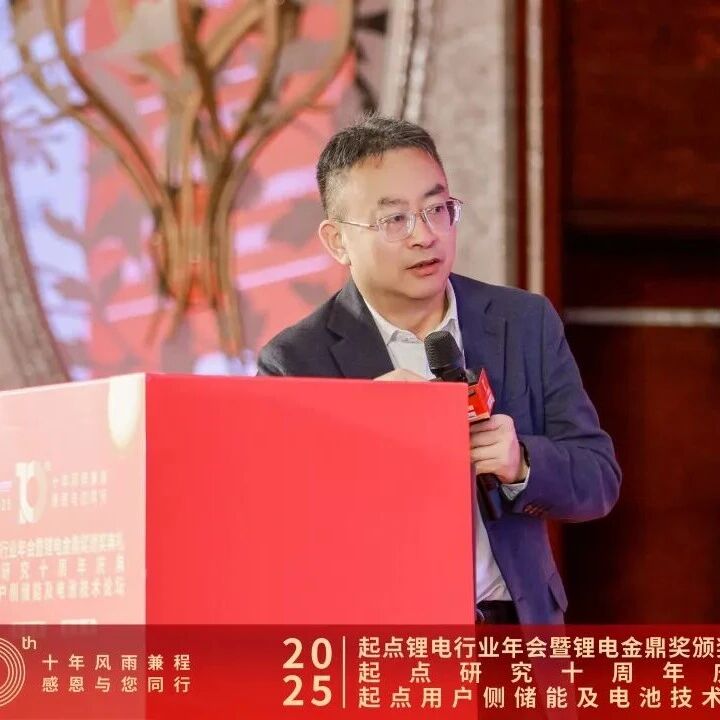
星恒电源 首席技术官 王正伟:迈向新“锰”标:新一代锰基电池材料前驱体创新与应用
Xin Lang Cai Jing· 2025-12-18 14:25
Core Viewpoint - The 2025 (10th) Qidian Lithium Battery Industry Annual Conference and Lithium Battery Golden Ding Award Ceremony was held in Shenzhen, focusing on discussions about lithium batteries, materials, equipment, and technological breakthroughs in the industry [1][19]. Group 1: Event Overview - The event was organized by Qidian Lithium Battery, Qidian Energy Storage, and Qidian Research Institute, attracting over 800 attendees to discuss core topics in the lithium battery sector [1][19]. - The conference included a forum on user-side energy storage and battery technology, highlighting the importance of innovation and safety challenges in the industry [1][19]. Group 2: Key Presentations - Wang Zhengwei, Chief Technology Officer of Xingheng Power, presented on the innovation and application of new generation manganese-based battery materials [2][19]. - The presentation emphasized the significance of manganese-based materials for small power lithium batteries, particularly in electric two-wheelers and next-generation passenger vehicles [5][21]. Group 3: Manganese-Based Material Development - The choice of manganese-based materials is driven by the cost-sensitive nature of the small power market, aiming to enhance performance while reducing costs [6][21]. - Manganese lithium batteries are highlighted for their excellent low-temperature performance, high volumetric energy density, and precise state of charge (SOC) calibration, making them suitable for small power applications in various climates [22][21]. Group 4: Technical Innovations - Xingheng Qingyuan has developed a new synthesis route for manganese oxide, achieving significant cost reductions and improved performance metrics [23][24]. - The company has successfully created single crystal manganese oxide with enhanced processing characteristics, leading to higher capacity and better cycle performance in manganese-based lithium batteries [9][24]. Group 5: Future Directions - The company plans to focus on dual product matrices of manganese-based oxides and phosphate materials, aiming to cover a wide range of battery materials including lithium manganese oxide and nickel-manganese binary materials [31][31]. - Ongoing research includes the development of new manganese-based materials that can withstand higher charging voltages and offer better performance at lower costs [28][31].
星恒电源 首席技术官 王正伟:迈向新“锰”标:新一代锰基电池材料前驱体创新与应用
起点锂电· 2025-12-18 11:24
Core Viewpoint - The article discusses advancements in manganese-based battery materials, particularly focusing on the innovations and applications of manganese-based precursors in small power lithium batteries, emphasizing their cost-effectiveness and performance improvements [3][4][6]. Group 1: Manganese-Based Battery Materials - The small power market is cost-sensitive, and the focus is on continuous cost reduction while improving performance through technological advancements [7]. - Manganese-based lithium batteries are preferred for small power applications due to their excellent low-temperature performance, high volumetric energy density, and precise state of charge (SOC) calibration capabilities [7][8]. - The challenges of manganese oxide lithium batteries, such as high-temperature cycling and storage issues, are being addressed through innovative composite systems and high-temperature solid-phase precursor technologies [8][9]. Group 2: Precursor Development and Innovations - Two typical precursors for manganese oxide lithium are electrolytic manganese dioxide and manganese trioxide, each with its own limitations affecting cost and performance [10]. - The company has developed a unique single-crystal manganese oxide synthesis route that significantly reduces production costs and improves performance metrics [11][12]. - The latest generation of materials, including single-crystal manganese oxide, has shown improved discharge capacity and cycle performance, achieving discharge capacities of 115-120 mAh/g [11][12]. Group 3: Safety and Market Compliance - The solid-phase single-crystal precursor technology enhances the intrinsic safety of materials, addressing increasing safety standards in the market [13]. - The company has filed numerous patents related to manganese-based materials, indicating a strong focus on innovation and market readiness [17]. - Future plans include expanding the product matrix to cover a range of cathode materials, including manganese oxide and phosphate-based materials, to meet diverse market needs [17].
672辆纯电公交不到3年大面积停运!发展本地产业岂能依赖扶持回避竞争
Mei Ri Jing Ji Xin Wen· 2025-11-26 14:48
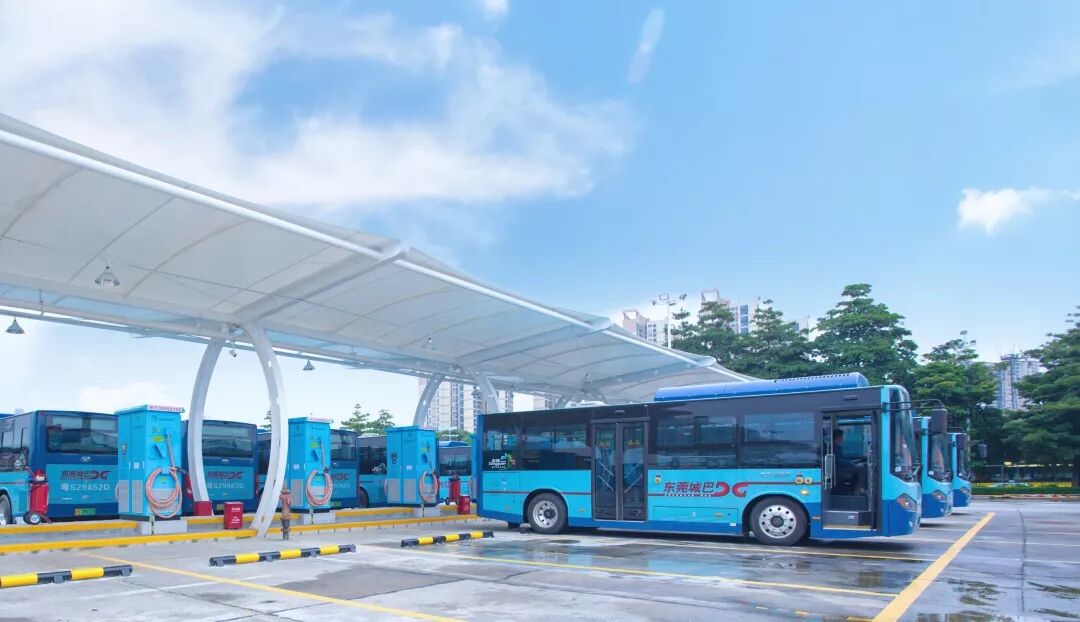
Core Viewpoint - Longzhou Co., Ltd. is facing two significant lawsuits due to contract disputes involving its subsidiary, Dongguan Zhongqi Hongyuan Automobile Co., Ltd., with a total claim amount of 431 million yuan [1][2]. Group 1: Lawsuit Details - The lawsuits are initiated by Dongguan Bus Co., Ltd., the largest public transport company in Dongguan, and its wholly-owned subsidiary, Dongguan City Bus Transportation Co., Ltd. [1] - The disputes stem from the procurement of electric buses with manganese lithium batteries, which began experiencing battery failures and performance issues starting from late 2021, leading to widespread vehicle downtime [2][3]. Group 2: Battery Technology Issues - The procurement process mandated the use of manganese lithium batteries, which are known for their low energy density, short cycle life, poor high-temperature performance, and rapid battery degradation, resulting in a declining market share of only 1.9% by 2018 [4]. - The restriction to manganese lithium batteries significantly limited competition during the bidding process, favoring less mainstream suppliers, which ultimately proved detrimental due to the inherent technical flaws of the batteries [4]. Group 3: Market Competition and Business Viability - The situation illustrates a failure of local government efforts to support the local automotive industry by artificially reducing market competition, which has led to a decline in the operational performance of Zhongqi Hongyuan since 2018, including a halving of net profits in 2019 and subsequent years of significant losses [5]. - The lack of competitive pressure has hindered the growth of local enterprises, emphasizing the need for a fair and open market environment to foster sustainable business development [5].

每经热评︱672辆纯电公交不到3年大量停运 发展本土产业岂能依赖扶持回避竞争
Mei Ri Jing Ji Xin Wen· 2025-11-26 13:22
Group 1 - Longzhou Co., Ltd. announced that its subsidiary, Dongguan Zhongqi Hongyuan Automobile Co., Ltd., is involved in two major lawsuits due to contract disputes with Dongguan Bus Co., Ltd. and Dongguan City Bus Transportation Co., Ltd., with a total claim amount of 431 million yuan [1] - The lawsuits stem from the procurement of electric buses equipped with lithium manganese oxide batteries, which began to experience battery failures and significant performance degradation starting in late 2021, leading to widespread vehicle outages [1] - The market share of lithium manganese oxide batteries has been declining due to inherent disadvantages such as low energy density, short cycle life, and poor high-temperature performance, with a reported market share of only 1.9% by 2018 [2] Group 2 - The procurement process illustrates a case where local support for the automotive industry led to reduced market competition, ultimately resulting in the failure of the initiative [3] - The relationship between suppliers and local government can deteriorate if product quality does not meet expectations, highlighting the importance of fair competition for sustainable business growth [3] - A healthy market environment that promotes fair competition is essential for the growth of local enterprises, as favoritism in procurement can hinder overall industry development [3]
2025前三季度中国两轮车锂电池出货量1204万组,同比增长32.3%!
起点锂电· 2025-11-15 08:44
Group 1 - The core viewpoint of the article highlights the significant growth in China's two-wheeled electric vehicle lithium battery PACK shipments, which reached 12.04 million units in the first three quarters of 2025, representing a year-on-year increase of 28.3% [2] - The growth is attributed to several factors, including the introduction of new models by C-end vehicle manufacturers, the implementation of new national standards, and promotional activities by car companies [2] - The shared mobility sector continues to expand, with companies like Hello and Qingju launching in multiple cities, contributing to the increase in battery shipments for shared electric bikes [2] Group 2 - Exports of two-wheeled vehicle lithium batteries from China reached approximately 3.2 million units in the first three quarters of 2025, marking a year-on-year increase of 12.3% [3] - The demand for two-wheeled vehicle batteries in the European and American markets is steadily rising, while Southeast Asia, India, and Africa present long-term potential due to low penetration rates of lithium batteries [3] - The penetration rate of lithium iron phosphate batteries is steadily increasing, with the market shares for manganese lithium, ternary, and lithium iron phosphate batteries being 39.4%, 27.4%, and 33.2% respectively in the first three quarters of 2025 [3] Group 3 - The market share of square lithium batteries has been increasing, with their share rising by 2.1 percentage points compared to the same period in 2024, primarily driven by significant growth from companies like Xingheng [6] - The distribution of two-wheeled vehicle lithium battery PACK shipments in Q3 2025 was 37.7% for square batteries, 39.3% for cylindrical batteries, and 23% for soft-pack batteries [6] - The advancement of full-tab technology in cylindrical batteries is expected to enhance charging capabilities and safety, potentially impacting the market shares of square and soft-pack batteries [6]
四川成都邛崃市:加快打造世界级新能源高地
Zhong Guo Chan Ye Jing Ji Xin Xi Wang· 2025-08-21 00:19
Core Viewpoint - The city of Qionglai is rapidly developing into a world-class production base for new energy battery materials, supported by robust industrial data and a complete supply chain in lithium battery materials [1][3]. Group 1: Industrial Growth and Data - In 2024, the industrial output value of new energy materials in Qionglai is projected to reach 19.51 billion yuan, with a growth rate of 17.9% [1]. - Qionglai has established a complete supply chain covering lithium battery anodes, cathodes, separators, and equipment manufacturing, with over 320 enterprises in the industry chain by July 2025 [1][3]. Group 2: Leading Enterprises - Puxin Technology is a leading enterprise in Qionglai's new energy materials industry, with significant production capabilities and a projected annual output value of 12 billion yuan from its lithium battery anode materials [3][4]. - Chengdu Rongjie Lithium Industry is focusing on digital transformation to enhance production efficiency and management, aiming to establish a significant battery-grade lithium salt production base [4]. Group 3: Collaborative Development - The integration of upstream and downstream enterprises is crucial for the collaborative development of the industry chain, with companies like Aiminte and Hongli New Energy contributing to local production and reducing logistics costs [5][6]. - Hongli New Energy has achieved rapid production timelines, with its manganese lithium battery production line operational within 86 days, showcasing the efficiency of local government support [6]. Group 4: Strategic Expansion - Qionglai is actively pursuing cross-regional and cross-industry collaborations to enhance its new energy materials sector, including partnerships with the Tianfu New Area for research and production integration [7][8]. - The city is also focusing on emerging sectors such as new energy storage and low-altitude economy, aiming to attract projects related to high-performance lithium batteries and composite materials [8]. Group 5: Future Outlook - Qionglai is implementing policies to strengthen and expand its industrial chain, with infrastructure developments like the 500 kV power transmission project and the G108 expressway enhancing connectivity [9]. - The city aims to build a "trillion-level" industrial cluster centered on battery materials, quality liquor, and pharmaceuticals, contributing to the development of Chengdu's sub-center [9].

重大改革!小米YU7电池包做了特别防护,配备1500MPa防刮底横梁
Qi Lu Wan Bao· 2025-06-17 03:12
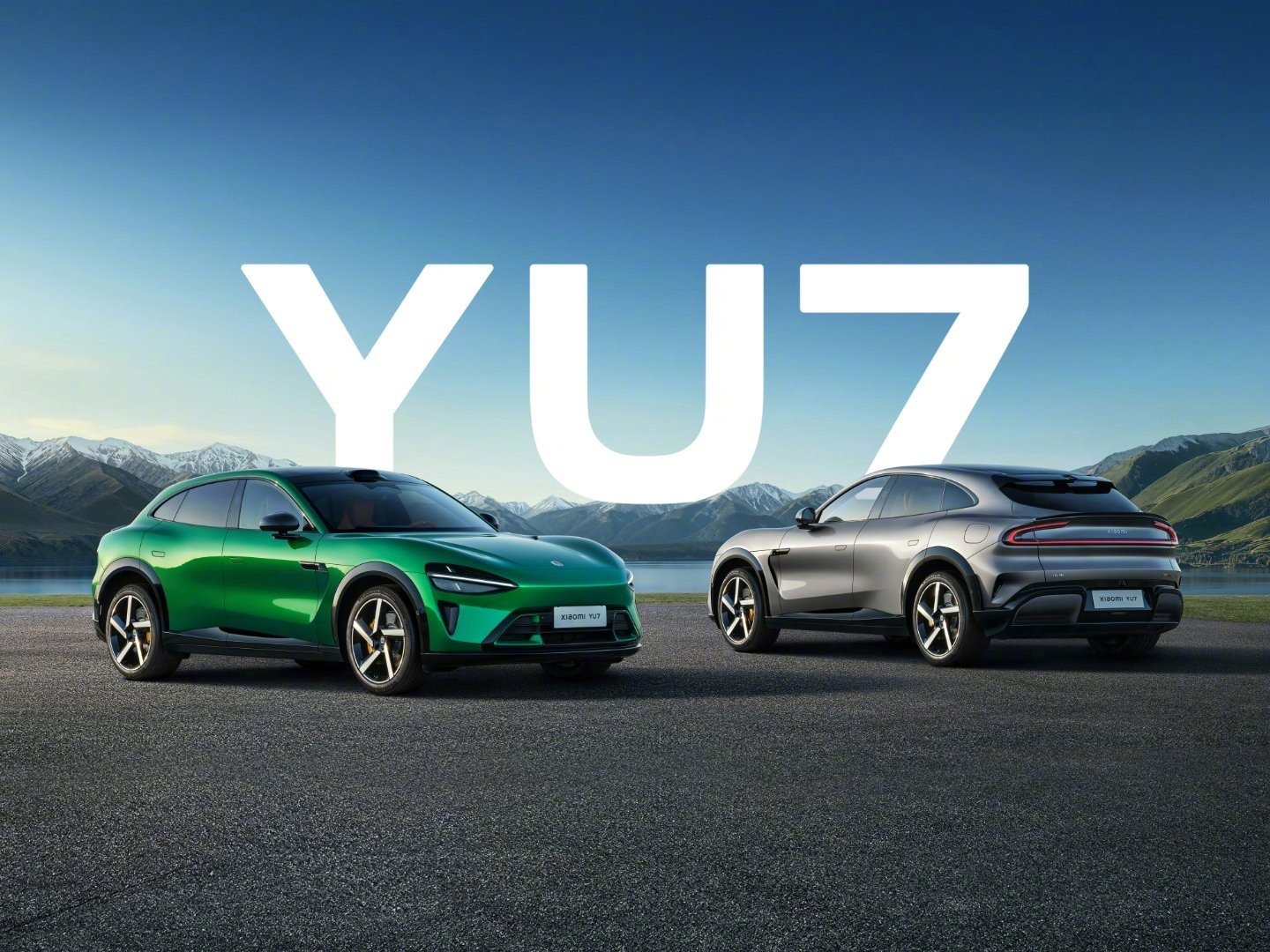
Core Insights - Xiaomi's Yu7 electric vehicle emphasizes battery safety with multiple protective measures, including a 1500MPa anti-scratch beam and a bulletproof coating to absorb impact energy [1][3] Battery Safety Features - The Yu7 features a 1500MPa anti-scratch beam at the front of the battery pack to push away obstacles, ensuring the battery pack is not directly impacted [1] - A bulletproof coating similar to that used in the Xiaomi SU7 Ultra battery pack is applied to the bottom of the battery, effectively reducing damage from scrapes [1] Battery Positioning and Ventilation - Electric vehicle batteries are typically located under the chassis and behind the rear seats, requiring ventilation holes in the battery box to prevent gas accumulation [3] Types of Electric Vehicle Batteries - Lead-acid batteries: Low cost and good low-temperature performance, but low energy density and short lifespan [4] - Nickel-hydride batteries: Cost-effective and durable, but have low energy density and environmental concerns due to heavy metals [4] - Manganese lithium batteries: Low cost and good safety, but unstable and with a shorter lifespan [4] - Ternary lithium batteries: High energy density and long cycle life, making them the mainstream choice for electric vehicles [5] Product Launch Announcement - Xiaomi's Yu7 is set to launch at the end of June, as announced by Lei Jun on social media [5]

四川年产10亿只锰酸锂电池产线投产
鑫椤锂电· 2025-05-09 08:48
Core Viewpoint - The article highlights the successful launch of a lithium battery production line by Hongli New Energy (Chengdu) Co., Ltd. in Sichuan, indicating significant investment and production capacity in the lithium battery sector [1][2]. Group 1: Project Overview - The project has a total investment of approximately 1.1 billion yuan and covers an area of about 132 acres, with an annual production capacity of 1 billion manganese lithium batteries [2]. - The Chengdu facility is part of Hongli New Energy's newly established subsidiary, which focuses on battery manufacturing and related materials [3]. Group 2: Company Background - Hongli New Energy (Chengdu) Co., Ltd. was established in December 2024, with its headquarters located in Xinxiang, Henan, and an annual output value of 3 billion yuan [3]. - The company operates three major production bases in Xinxiang, Jiaozuo, and Chengdu, with a total production capacity of 10 GWh of lithium-ion batteries and 20,000 tons of manganese lithium annually [3]. Group 3: Market Applications - The products of Hongli New Energy are widely used in various sectors, including power tools, electric toys, mobile power supplies, portable lighting, smart speakers, and smart home devices, and are exported to the US, Europe, Southeast Asia, and India [3]. Group 4: Production Goals - The Chengdu project has already commenced production and aims to achieve a production value of 30 million yuan in the second quarter, with a target to reach full production capacity by August [3].