
细胞和基因治疗药物

Search documents
让患者有更多用药选择 抗肿瘤等领域新药研发再提速
Yang Shi Xin Wen· 2025-07-18 00:06
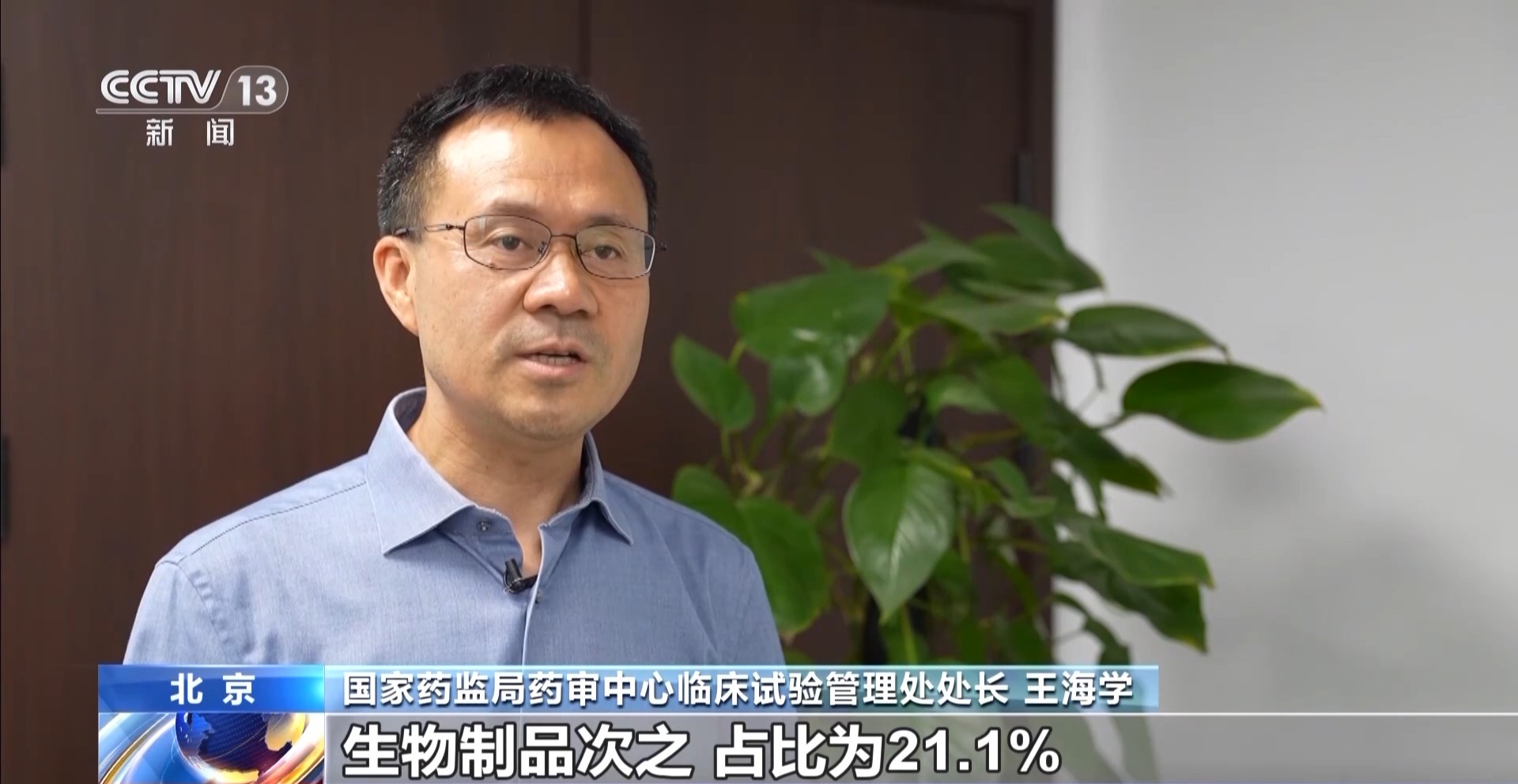
Core Insights - The 2024 "Annual Report on Progress of New Drug Registration Clinical Trials in China" indicates a significant increase in drug clinical trial registrations, reaching 4,900, a year-on-year growth of 13.9% [2] - The report highlights that domestic pharmaceutical companies are actively engaged in clinical research, with 92.8% of the new trials initiated by domestic sponsors [2] Summary by Categories Overall Clinical Trial Registration - In 2024, the total number of drug clinical trial registrations in China reached 4,900, with new drug trials accounting for 2,539, representing 51.8% of the total [2] - The efficiency of clinical trial registration and implementation has improved compared to 2023, with average registration times for new drug trials reduced to 67.4 days [6] Drug Types and Categories - Chemical drugs dominate the clinical trials, making up over 70% of the total, while biological products account for 21.1% [4] - Among new drug trials, Class I registered drugs constitute 68.3%, with Phase I trials representing 46.92% of the total [4] Focus Areas in Clinical Trials - Antitumor drugs have the highest representation in clinical trials, with chemical drugs accounting for 24.7% and biological products for 43.1% [7] - The report indicates a notable increase in clinical trials for cell and gene therapies, with a growth rate exceeding 40% for newly registered trials [9][11] Pediatric and Rare Disease Drug Development - The number of clinical trials for pediatric and rare disease drugs has increased, with pediatric trials totaling 249, representing 9.8% of the new drug trials [14] - Rare disease drug trials reached 121, with a focus on blood system diseases, neurological diseases, and antitumor drugs, which together accounted for 63.6% of the total [16]

制造强国建设取得新进展(奋勇争先,决战决胜“十四五”)
Ren Min Ri Bao· 2025-07-07 22:28
Group 1 - The core viewpoint emphasizes the significant advancements in China's manufacturing and technology sectors, showcasing the country's commitment to self-reliance and innovation in industrial development [1][2][3][4][5][6] - China's total industrial added value is projected to grow from 31.3 trillion yuan in 2020 to 40.5 trillion yuan in 2024, maintaining the world's largest manufacturing scale for 15 consecutive years [1] - The Beidou system has achieved 100% localization in chips and terminals, providing global users with high-precision positioning and navigation services [2] - High-tech manufacturing's added value as a percentage of industrial output increased from 15.1% in 2020 to 15.7% in the first quarter of this year [2] - Traditional industries are undergoing significant upgrades, with notable growth in sectors such as electric machinery and shipbuilding, with increases of 23.3%, 12.8%, and 11.8% respectively [3] Group 2 - New energy vehicles have maintained the world's leading position in production and sales for ten consecutive years, with breakthroughs in humanoid robots and gene therapy products [4] - The establishment of smart manufacturing demonstration factories has reached 421 nationwide, with over 10,000 provincial-level digital workshops and smart factories [6] - By the end of 2024, the number of national-level green factories is expected to reach 6,430, contributing approximately 20% to the total output value of the manufacturing industry [6] - The focus is on high-end, intelligent, and green development, with a commitment to transforming traditional industries and fostering emerging sectors [6]
科技创新和产业创新深度融合 一季度我国工业经济发展质量持续提升
Jin Rong Shi Bao· 2025-04-21 02:46
Group 1: Industrial Economic Performance - The industrial economy achieved a good start in the first quarter, contributing to macroeconomic stability, with a business revenue growth of 8.2% in the digital industry [1] - The telecommunications sector saw a total business volume growth of 7.7% year-on-year, with cumulative revenue reaching 446.9 billion [7] Group 2: Technological Advancements - Significant breakthroughs were made in humanoid robots, drones, AI agents, and gene therapy drugs, with over 100 AI-enabled smart products developed, including AI phones and computers [1][3] - The integration of AI in manufacturing has accelerated, with applications in production lines and logistics, showcasing the rapid development of AI technology [3] Group 3: Policy and Strategic Initiatives - The Ministry of Industry and Information Technology (MIIT) plans to promote a modern industrial system, optimize traditional industries, and foster emerging industries [2] - The government aims to enhance consumer confidence and satisfaction through initiatives like the "China Consumption Brand Matrix" and various promotional activities [5] Group 4: Infrastructure Development - As of March, 4.395 million 5G base stations have been built, achieving 90% coverage in administrative villages, and initiating trials for 10G networks in 168 locations [7] - The MIIT is focused on expanding the application of 5G technology across various sectors, with over 1.85 million projects in the "5G + Industrial Internet" category [7] Group 5: Future Directions - The MIIT emphasizes the need for deep integration of technology and industry, with plans to accelerate 6G technology research and development [8] - There is a commitment to creating a favorable business environment to support high-quality industrial development and attract foreign investment in telecommunications [8]