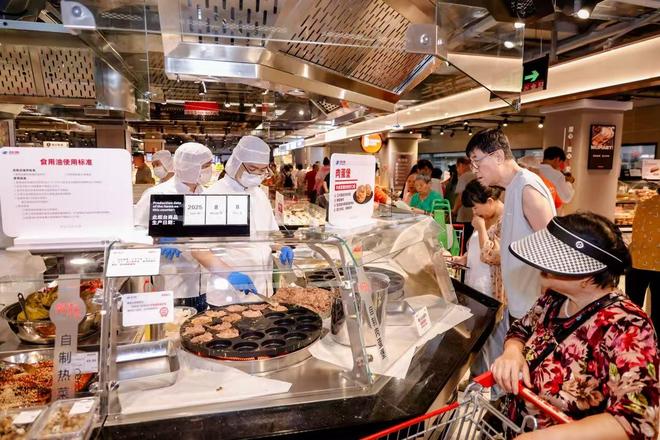
网红麻辣牛肉条

Search documents
物美调改后价格涨了吗?深度解析价值升级背后的价格真相与区域消费新体验
Jin Rong Jie· 2026-02-09 07:18
Core Insights - The recent "Learning from Pang Donglai's Autonomous Adjustment" initiative by Wumart Supermarket has sparked consumer interest regarding potential price increases, but the actual strategy focuses on optimizing product structure, enhancing supply chain efficiency, and implementing differentiated business layouts to achieve an overall upgrade in "quality-price ratio" [1] Group 1: Price Strategy - Wumart's new hard discount format, "Wumart Super Value," showcases significant price advantages, with examples such as 30 anti-antibiotic eggs priced at 13.9 yuan, a 30% reduction compared to traditional supermarkets, and 1L non-GMO soy milk at 5.9 yuan, which is lower than similar market products [2] - The introduction of a streamlined SKU count (under 1300) and an increase in private label products (over 60%) allows for direct sourcing and cost optimization, passing savings directly to consumers [2] Group 2: Quality and Consumer Perception - Post-adjustment, Wumart stores have expanded offerings in categories like prepared foods and baked goods, with slight price increases justified by quality improvements, leading to consumer feedback of "value for money" [3] - For instance, the Hangzhou Wenyiyuan store expanded its prepared food selection to over 700 items, with popular products experiencing high demand despite higher prices due to strict ingredient sourcing and fresh preparation [3] Group 3: Regional Pricing Strategy - Wumart employs a "one store, one policy" adjustment plan, with price changes tailored to regional consumption levels, highlighting geographic optimization [4] - The Beijing Xueqing Road store introduced 15% imported goods and 68 items similar to those from Pang Donglai, with some premium items seeing price increases, balanced by a "daily low price" strategy [4] Group 4: Transparency and Consumer Trust - A key aspect of Wumart's adjustment is the elimination of complex promotions in favor of price transparency, with a price increase rate locked between 18%-19% [5] - The use of AI technology for dynamic inventory and discount optimization minimizes price fluctuations, ensuring fresh and affordable products [5] Conclusion: Value Upgrade Behind Price Reconstruction - The price changes at Wumart reflect a shift from a "low-price orientation" to a "value orientation," addressing consumer needs through hard discount formats, quality upgrades, and regional strategies [6] - Wumart aims to leverage AI technology to optimize the supply chain, balancing price and quality to enhance the retail experience for consumers [6]
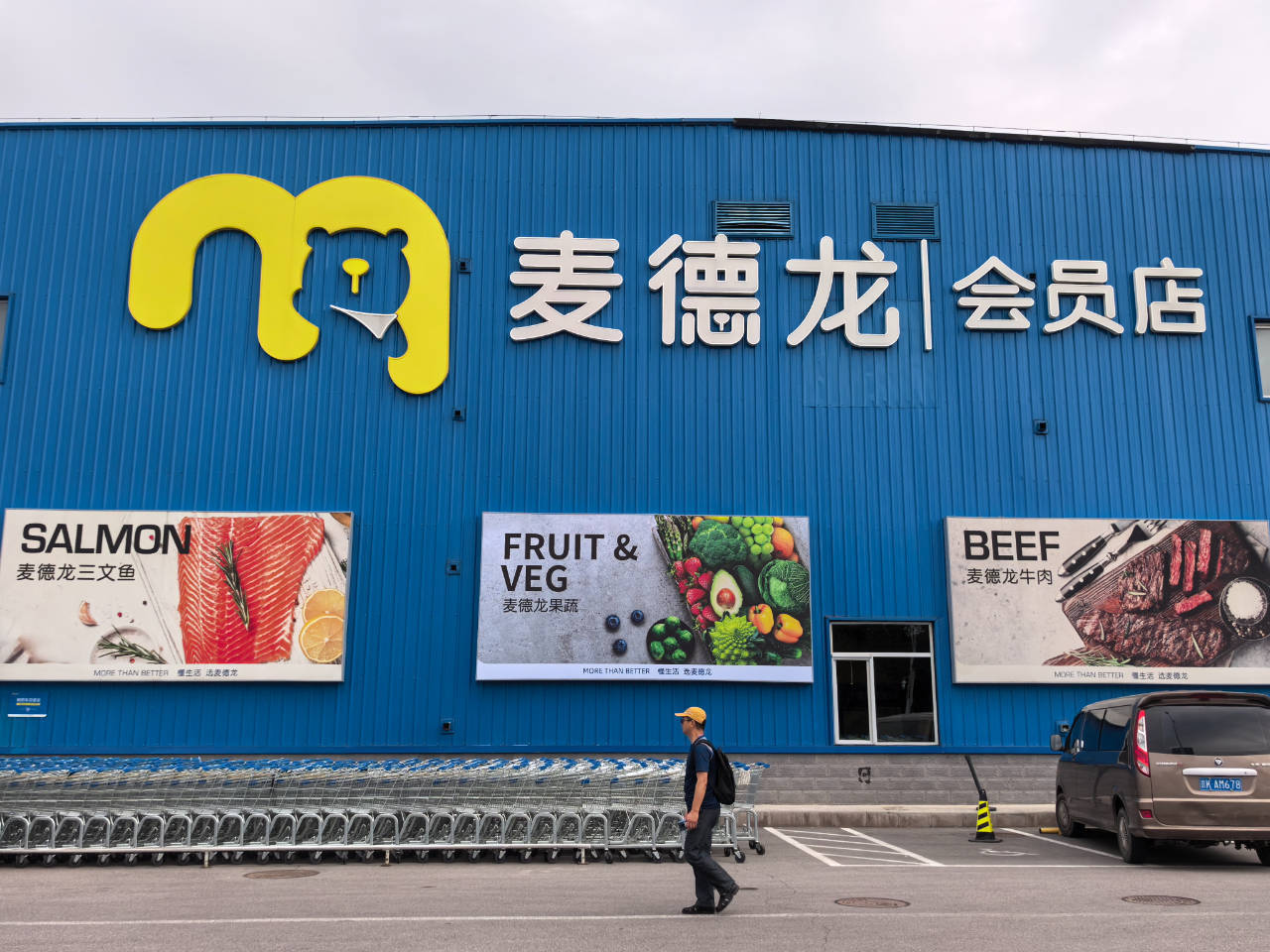
当“胖改”风吹到麦德龙
Sou Hu Cai Jing· 2025-08-17 11:58
Core Viewpoint - Metro's first "Fat Reform" store in China, located in Beijing's Haidian District, marks a significant shift towards enhancing its to C business and local adaptation, following the model of successful competitors [1][11]. Group 1: Store Renovation and Offerings - The Four Seasons Qing store underwent minor renovations, maintaining its original style while introducing a dedicated area for popular products and a significant upgrade in the toy section, including trendy collectibles [3][4]. - The store's product count was streamlined to approximately 8,000 SKUs, with a 55% replacement rate, significantly increasing the variety of baked goods and ready-to-eat items by nearly six times compared to before the renovation [6][11]. - A new live seafood section was introduced, responding to consumer demand, which was previously limited to seasonal offerings [4][6]. Group 2: Customer Experience and Services - The store has enhanced customer service, including free meat slicing and on-site seafood processing, which has been well-received by customers [7][10]. - Additional convenience services such as ice, packaging materials, and health monitoring facilities have been implemented, improving the overall shopping experience [10][11]. - The store has adopted an "uninterrupted shopping" policy, eliminating promotional noise to create a more immersive shopping environment [10]. Group 3: Strategic Direction and Market Positioning - Metro's shift towards a more consumer-oriented approach reflects a broader trend in the retail industry, where competition is intensifying [11][12]. - The company aims to attract younger consumers by introducing trendy products and collaborating with popular brands, enhancing its appeal in a competitive market [12][14]. - The successful implementation of the "Fat Reform" model in the Four Seasons Qing store is seen as a critical milestone for Metro's ongoing localization and innovation efforts [14].

今日开业,昌平首家“胖改”物美落户天通苑
Xin Jing Bao· 2025-08-08 10:48
Core Insights - Wumart has launched its first "Fat Transformation Store" in Changping District, Beijing, marking its third such store in the city, with a product structure closely resembling that of Pinduoduo's model, featuring around 10,000 items, over 70% of which are new products [1] Group 1 - The new store attracted a large number of residents despite rainy weather, indicating strong community interest and engagement [2] - The store features an expanded fresh food section and a significant increase in the prepared food and bakery areas, enhancing the shopping experience with unique offerings and sampling opportunities [2][3] - The store has implemented various customer-friendly services, including pet storage, free fish cleaning, and a convenience service area providing hot drinks and emergency supplies [2][3] Group 2 - The store utilizes multiple AI technologies for inventory management, dynamic pricing, and cold chain monitoring, ensuring product quality and safety [3] - The choice of the Tian Tong Yuan store for the "Fat Transformation" initiative is strategic, aiming to meet the high daily consumption demands of the large community and facilitate efficient product structure upgrades [5]