
价值导向

Search documents
速豹迈入“战略实施元年”:技术极客的商业化曲线 | 头条
第一商用车网· 2026-03-19 07:00
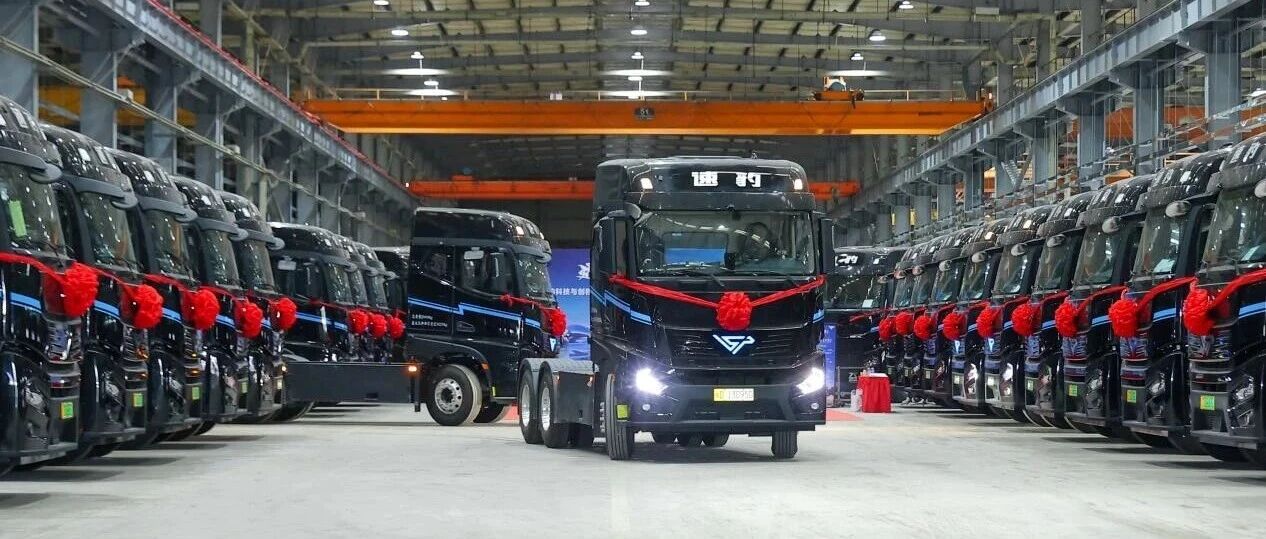
Core Viewpoint - The new energy heavy truck industry is entering a critical phase as policy benefits fade, and market-driven dynamics take precedence, necessitating a shift from mere parameter competition to building a brand moat through technology and market share [1][3]. Group 1: Market Dynamics - The penetration rate of new energy heavy trucks in China is rapidly increasing, with a significant shift in growth logic as customers have recognized the viability of new energy alternatives to traditional fuels [3]. - Customers are now more discerning, seeking solutions that address operational pain points rather than just accepting basic product offerings [5]. Group 2: Strategic Developments - The company has defined 2025 as a "strategic preparation year," focusing on deep foundational work in technology, products, and globalization, rather than immediate sales growth [7]. - The core system, the electric drive axle, has been fully self-developed, laying the groundwork for future advancements in autonomous driving and control chassis [7]. Group 3: Product and Technology Innovation - The company has established a product platform matrix called "4+X," which includes various platforms targeting different market needs and technological advancements [7]. - The eTopas 600 has successfully completed rigorous real-world testing in Europe, indicating the company's capability to meet high international standards [8]. Group 4: Marketing Strategy - The company has launched a "three-dimensional marketing" strategy aimed at achieving healthy growth through network distribution, community marketing, and strategic partnerships [10]. - A recent collaboration with Chuangcheng Leasing exemplifies this strategy, focusing on a comprehensive approach that integrates product, capital, and operational scenarios [10]. Group 5: Future Outlook - The company aims to achieve sales of 1,200 to 1,500 units in 2026, with a focus on both domestic and international markets, particularly in Europe and the broader China region [12]. - The company is positioning itself as a key player in the new energy heavy truck sector, emphasizing value over price competition and aiming for recognition in the industry [12][13].

物美调改后价格涨了吗?深度解析价值升级背后的价格真相与区域消费新体验
Jin Rong Jie· 2026-02-09 07:18
Core Insights - The recent "Learning from Pang Donglai's Autonomous Adjustment" initiative by Wumart Supermarket has sparked consumer interest regarding potential price increases, but the actual strategy focuses on optimizing product structure, enhancing supply chain efficiency, and implementing differentiated business layouts to achieve an overall upgrade in "quality-price ratio" [1] Group 1: Price Strategy - Wumart's new hard discount format, "Wumart Super Value," showcases significant price advantages, with examples such as 30 anti-antibiotic eggs priced at 13.9 yuan, a 30% reduction compared to traditional supermarkets, and 1L non-GMO soy milk at 5.9 yuan, which is lower than similar market products [2] - The introduction of a streamlined SKU count (under 1300) and an increase in private label products (over 60%) allows for direct sourcing and cost optimization, passing savings directly to consumers [2] Group 2: Quality and Consumer Perception - Post-adjustment, Wumart stores have expanded offerings in categories like prepared foods and baked goods, with slight price increases justified by quality improvements, leading to consumer feedback of "value for money" [3] - For instance, the Hangzhou Wenyiyuan store expanded its prepared food selection to over 700 items, with popular products experiencing high demand despite higher prices due to strict ingredient sourcing and fresh preparation [3] Group 3: Regional Pricing Strategy - Wumart employs a "one store, one policy" adjustment plan, with price changes tailored to regional consumption levels, highlighting geographic optimization [4] - The Beijing Xueqing Road store introduced 15% imported goods and 68 items similar to those from Pang Donglai, with some premium items seeing price increases, balanced by a "daily low price" strategy [4] Group 4: Transparency and Consumer Trust - A key aspect of Wumart's adjustment is the elimination of complex promotions in favor of price transparency, with a price increase rate locked between 18%-19% [5] - The use of AI technology for dynamic inventory and discount optimization minimizes price fluctuations, ensuring fresh and affordable products [5] Conclusion: Value Upgrade Behind Price Reconstruction - The price changes at Wumart reflect a shift from a "low-price orientation" to a "value orientation," addressing consumer needs through hard discount formats, quality upgrades, and regional strategies [6] - Wumart aims to leverage AI technology to optimize the supply chain, balancing price and quality to enhance the retail experience for consumers [6]
“外行是死不光的”——《繁花》生存警句与一位董事长的深层共鸣
Xin Lang Cai Jing· 2025-12-29 13:49
Core Viewpoint - The article emphasizes that a focus on low prices in e-commerce can lead to a decline in product quality and ultimately harm value, tax revenue, and employment. It highlights that less than 5% of ecosystem companies on certain platforms survive in the long run [1][9]. Group 1: Industry Insights - Many industries in China fall into a vicious cycle of homogenization and low-cost competition, leading to resource waste and ecological damage within enterprises [3][11]. - The article discusses the detrimental effects of price wars, stating that companies engaging in such strategies often harm themselves more than their competitors, as prices can always go lower [3][11]. - The narrative illustrates that the core competitiveness of a company should focus on consumer orientation and differentiation, rather than solely on price [3][11]. Group 2: Company Case Study - The company Leike Electric, under the leadership of Chairman Ni Zugen, has successfully navigated the competitive landscape by focusing on consumer pain points and creating value through differentiated products [4][12]. - Leike's journey began with the successful launch of its first vacuum cleaner, which sold 1.5 million units, and by 2004, it became the world's largest vacuum cleaner manufacturer with an annual output of 8 million units [4][12]. - In response to declining profits from OEM business and increasing competition, Leike launched its own brand "LEXY" targeting the high-end market, focusing on consumer needs such as noise reduction and effective cleaning [5][13]. Group 3: Brand Development - Ni Zugen expresses a vision for creating a long-lasting high-end Chinese brand through innovation and a customer-oriented approach, despite the challenges faced by private enterprises in establishing credible brands [7][15]. - The article underscores the importance of continuous innovation and maintaining quality to build a brand with lasting vitality [7][15]. - It reflects on the historical context of brand competition in China, contrasting Ni Zugen's early recognition of the need for differentiation with the strategies of other industry leaders who relied on resource monopolization [16].


宋志平:2026,抵制内卷和重塑经营范式
Xin Lang Cai Jing· 2025-12-23 04:52
Core Viewpoint - The recent Central Economic Work Conference emphasizes the need for a shift in business paradigms to resist "involution" competition and focus on value creation and high-quality development [2][26]. Group 1: Transition from Scale to Quality - Chinese enterprises have achieved significant growth, with 130 companies entering the Fortune Global 500 this year, but now must transition from speed and scale to quality and efficiency [4][29]. - The criteria for measuring development quality include investment returns, market presence, profitability, employee income, government tax revenue, and environmental improvement [4][29]. - Companies like Midea are focusing on modern governance to ensure stable development, projecting a profit of 38.5 billion yuan in 2024 with a market value of 630 billion yuan [4][29]. Group 2: Focus on Core Competencies - Companies should prioritize strengthening their core business rather than blindly expanding into unrelated areas, as many issues arise from straying from core competencies [6][31]. - The principle of business core focus suggests eliminating non-core and loss-making operations to maintain clarity and efficiency [6][31]. - For instance, CATL focuses solely on its core business of power batteries, projecting a profit of 50.7 billion yuan in 2024 with a market value of 1.8 trillion yuan [6][31]. Group 3: Shift from Management to Strategic Operations - The current era requires businesses to focus on strategic operations rather than just management, emphasizing the importance of making the right business decisions to enhance profitability [7][32]. - Effective leadership involves setting strategic direction and resource acquisition while delegating management tasks to subordinates [7][32]. - The distinction between management and operations is crucial, with a focus on generating revenue and market engagement being paramount [7][32]. Group 4: Value-Driven Pricing Strategies - Companies must transition from cost-based pricing to value-based pricing, focusing on the value delivered to customers rather than merely production costs [13][40]. - The importance of understanding the relationship between price, volume, and cost is highlighted, with a focus on maintaining price stability in over-saturated markets [17][42]. - Successful brands like Pop Mart leverage emotional and social value in their products, achieving significant revenue growth and market capitalization [41]. Group 5: Moving Towards Cooperative Competition - The need for a shift from harmful competition to cooperative competition is emphasized, where companies focus on creating value rather than engaging in destructive price wars [18][43]. - The concept of "prisoner's dilemma" illustrates the need for industry players to prioritize collective industry benefits over individual gains [19][44]. - Promoting a cooperative ecosystem within industries can lead to sustainable growth and mutual benefits for all stakeholders involved [19][44].





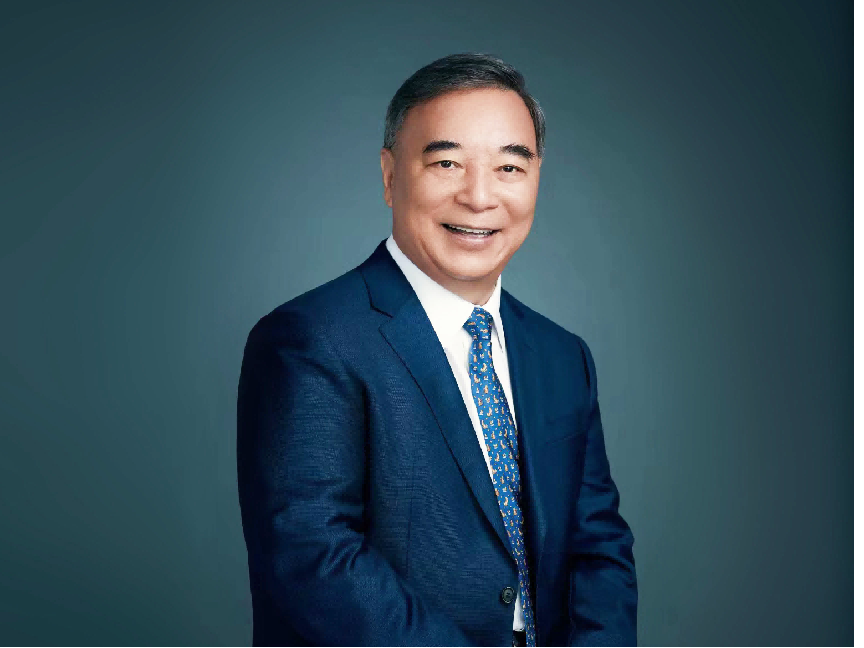
中国上市公司协会会长宋志平:不少企业兴于创新,衰于盲目扩张
经济观察报· 2025-12-18 13:49
Core Viewpoint - The article discusses how to overcome "involution" in various industries, presenting four key suggestions from Song Zhiping on reshaping business paradigms and promoting healthy competition [1][5]. Group 1: Suggestions for Overcoming Involution - Transition from extensive expansion to intrinsic development, emphasizing quality over speed and scale, and focusing on core competencies rather than blind expansion [3]. - Shift from cost-oriented strategies to value-oriented approaches, advocating for differentiation in competition rather than relying solely on cost leadership [3]. - Move from quantity-based profit to price-based profit, highlighting the importance of pricing strategies led by management rather than sales personnel, and maintaining stable prices to ensure profitability [4]. - Encourage a shift from vicious competition to healthy competition, where businesses compete based on technology, quality, brand, and service rather than engaging in price wars [4]. Group 2: Industry and Government Recommendations - Standardize local government economic promotion behaviors to avoid market distortion caused by blind investments, particularly in overcapacity sectors [5]. - Promote industry self-discipline with support from the government, guidance from associations, and collaboration between large and small enterprises [5]. - Strengthen anti-unfair competition measures, as many industries currently face low concentration and chaotic competition [5]. - Advance mergers and acquisitions to increase industry concentration, facilitating orderly competition [5].

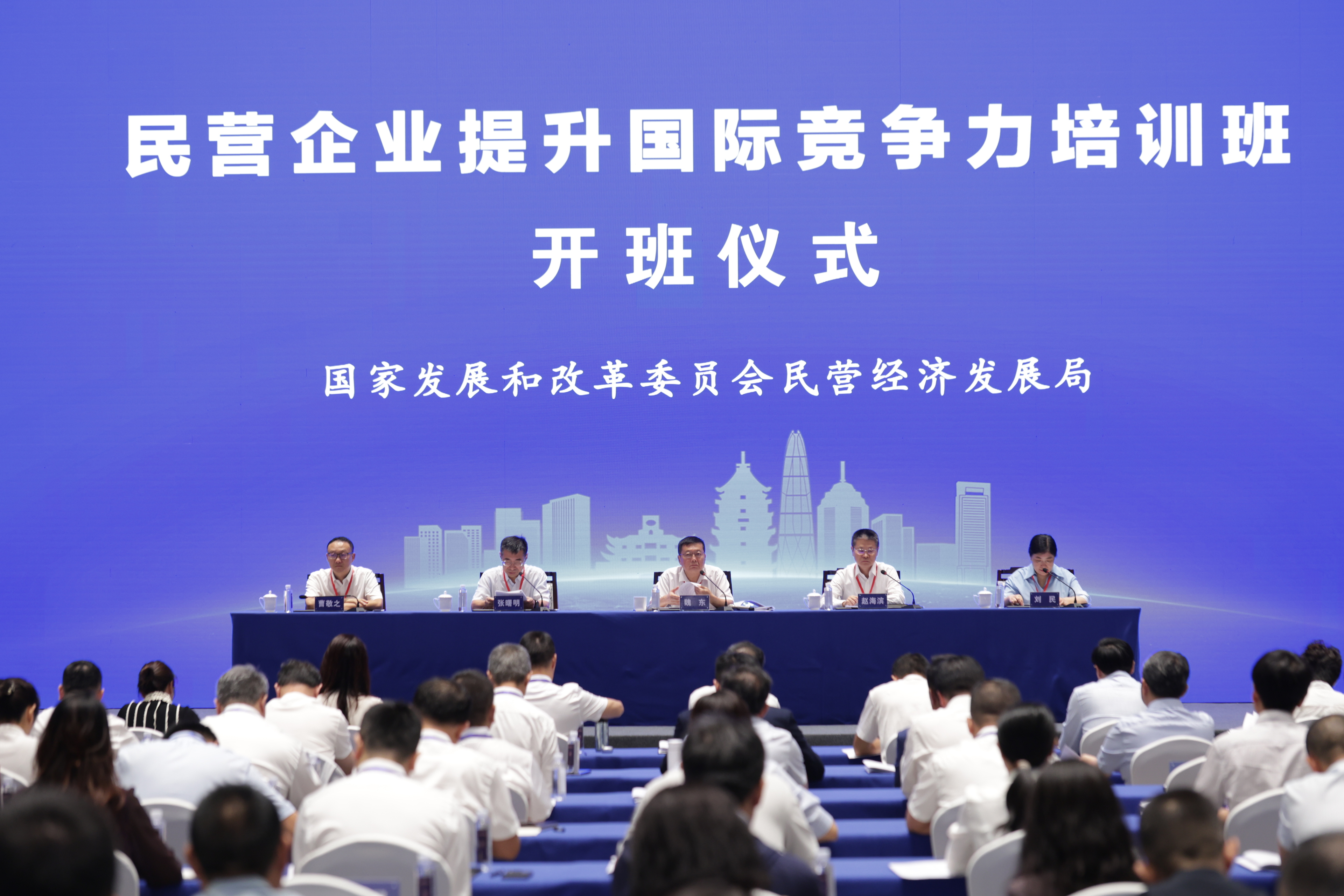
民营企业如何提高国际竞争力?天能控股副总裁李明:加速向“中国创造”转型
Mei Ri Jing Ji Xin Wen· 2025-09-30 11:02
Core Insights - The core viewpoint emphasizes the shift of private enterprises in China from a "cost-driven" approach to a "value-driven" strategy in their international expansion efforts [3][4][6] Group 1: International Competitiveness - Private enterprises are increasingly focusing on "technology + brand" to enhance their international competitiveness, moving away from low-cost competition [1] - In the first eight months of this year, private enterprises' import and export volume reached 16.89 trillion yuan, a year-on-year increase of 7.4%, accounting for 57.1% of the total import and export value [3] - The global expansion of private enterprises is accelerating, facing both opportunities and challenges such as geopolitical friction and trade protectionism [3][6] Group 2: Strategic Shifts - The global strategy of private enterprises is evolving from "single-handed efforts" to "ecological collaboration" and from "product output" to "rules and standards output" [4] - Companies are increasingly integrating ESG (Environmental, Social, and Governance) principles into their operations to build international trust and navigate market entry barriers [6] - The focus on innovation and understanding market differences is crucial for private enterprises to transition from "Made in China" to "Created in China" [6] Group 3: Intellectual Property - Intellectual property has become a critical issue for private enterprises expanding overseas, particularly in the European and American markets, where patent infringement and trademark disputes are common [7] - Companies are advised to incorporate intellectual property protection into their strategic planning, utilizing tools like patent warnings and cross-licensing to build a defensive system [7] - There is a call for increased government support in providing intellectual property training for small and medium-sized enterprises to facilitate their overseas expansion [7]
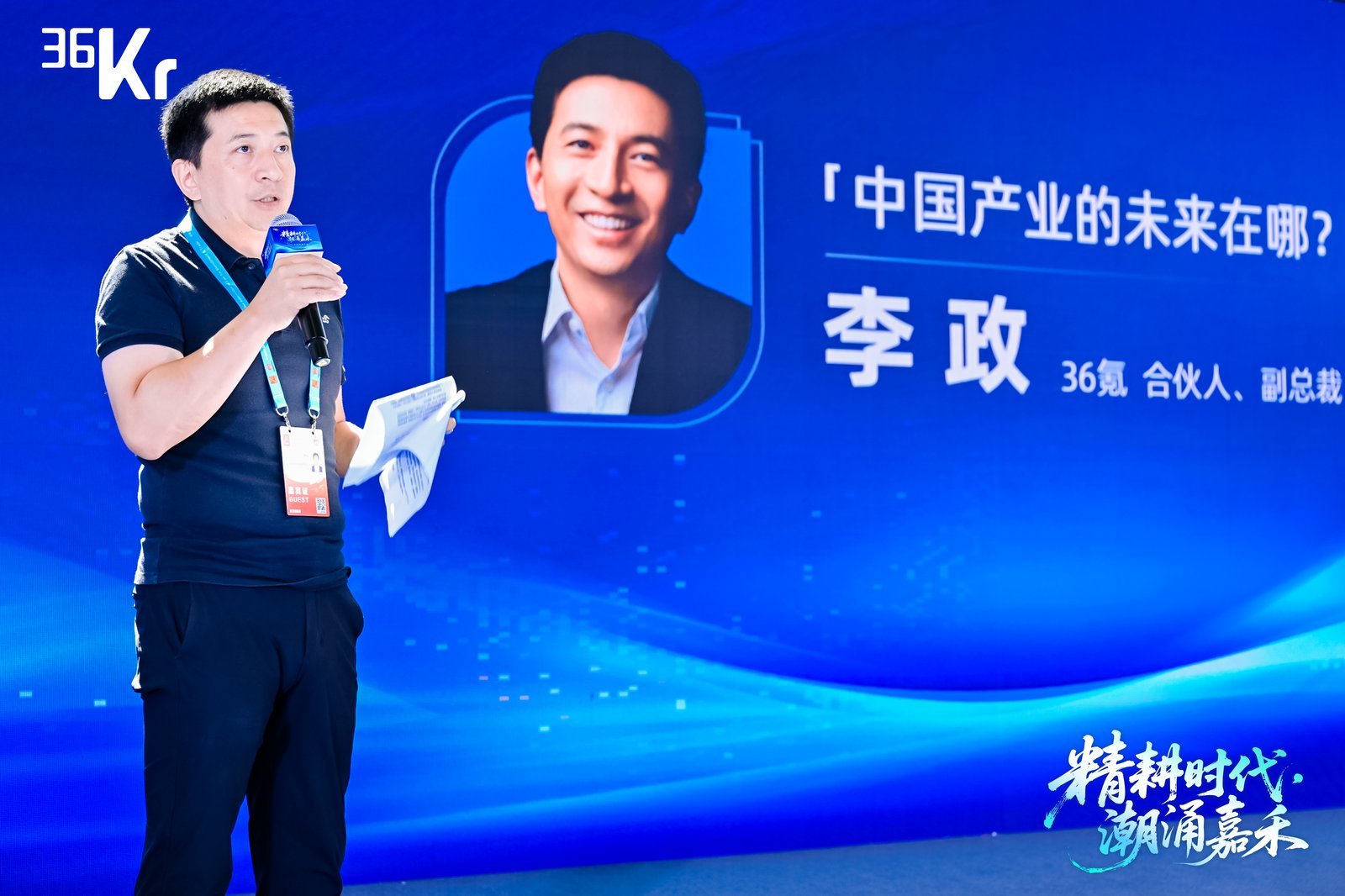
36氪合伙人、副总裁李政:中国产业的未来在哪?| 2025年36氪产业未来大会
3 6 Ke· 2025-09-15 06:54
Core Insights - The 2025 36Kr Industry Future Conference was held in Xiamen, China, focusing on national strategies and industry development in key sectors such as AI, low-altitude economy, advanced manufacturing, new energy, and consumer goods [1] - The conference emphasized the collaboration between government, capital, and industry to address challenges in industrial development [1] Investment Trends - The investment market shows a positive trend with significant growth in both fundraising quantity and scale, achieving double-digit growth [3] - In the first eight months, the number of investment projects increased by 20% year-on-year, while fundraising quantity grew by 1.6% [3] - The platform reported a 10% increase in financing news and new project financing, indicating heightened activity in fundraising and investment [3] Capital Structure - There is a noticeable shift towards state-owned capital, with over 68% of the disclosed fundraising scale of over 800 billion yuan coming from state-owned sources [4] - Non-state capital accounts for less than one-third of the total fundraising [4] - The role of industrial capital, including state-backed and large enterprise capital, is becoming increasingly significant in the investment landscape [4] Investment Focus - Investment directions are increasingly centered on "self-controllable" and "technology-driven" initiatives, with a focus on hard technology [4] - Key metrics for investment discussions have shifted from business models to technical parameters, patent status, and team backgrounds [4] Hot Investment Sectors - AI is transitioning from conceptual discussions to practical applications, with capital flowing towards companies that demonstrate real-world value [5] - Embodied intelligence, represented by robotics, is gaining traction, with significant investment in core components and development firms [5] - The low-altitude economy is rapidly developing, with many companies obtaining airworthiness certificates, indicating potential for future growth [5] - New energy and new materials are viewed as foundational for future technological innovations, despite a decrease in media attention [6] - The biopharmaceutical sector is experiencing a revolution in research efficiency through AI integration, significantly reducing drug development timelines [6] Industry Dynamics - The narrative in the industry is shifting from business models to a focus on technical granularity, emphasizing long-term technological value [7] - The competitive landscape is evolving from a "jungle law" approach to one of "ecological collaboration," where companies must engage with national teams and industry partners [7] - The mindset of industry participants is becoming more rational and pragmatic, moving away from high-frequency financing and inflated valuations towards sustainable growth models [7]
如何选公司?林园:坚持价值导向!警惕那些炒概念、炒热点的行为
Xin Lang Ji Jin· 2025-08-21 09:58
Group 1 - The Shanghai Composite Index reached a new high, approaching 3800 points, raising questions among investors about the sustainability of the current market trend [1] - Lin Yuan, chairman of Lin Yuan Investment, emphasizes the importance of value-oriented stock selection, assessing whether a company's intrinsic value aligns with its stock price [1] - Lin Yuan advises investors to be cautious of speculative concepts and hot stocks, highlighting that such risks are not unique to the current market but are a long-term phenomenon in global markets [1] Group 2 - The formation of a MACD golden cross signal indicates positive momentum for certain stocks [2]