羊肉面

Search documents
贾国龙的理想范本,或许是这家日本公司
财富FORTUNE· 2026-01-25 13:05
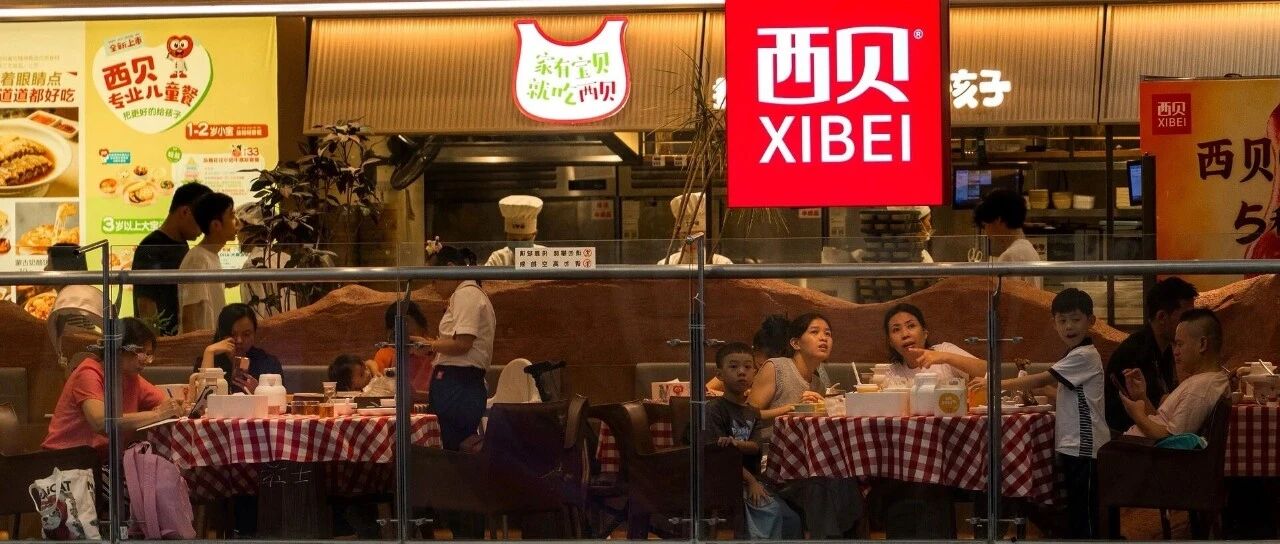
Core Viewpoint - The recent public debate between Luo Yonghao and Jia Guolong has sparked significant attention towards the "prepared dishes" market, which is poised for more comprehensive industry standards [1][3]. Group 1: Industry Trends - The Chinese catering industry is transitioning from a rough model to a more refined one, with the recent controversy guiding companies like "Xibei" to explore new paths [3]. - Japan's experience in the catering sector, particularly during economic downturns, may provide valuable insights for Chinese companies facing similar challenges [3]. - Data from Guoxin Securities indicates that from 1990 to 2024, Japan's consumer services sector saw the emergence of 20 tenfold stocks, with 11 from the restaurant industry [3]. Group 2: Company Comparisons - The development strategies of Xibei and Japan's Izumi Group show both similarities and differences, leading to divergent fates for the two companies [4]. - Izumi Group emphasizes supply chain development and has established a vertically integrated supply chain, which includes nine subsidiaries managing all processes from procurement to retail [6]. - In contrast, Xibei has not successfully developed sub-brands and faces higher transportation costs due to its reliance on cooperative supply chain models [4][6]. Group 3: Financial Developments - Xibei recently secured A-round financing, increasing its registered capital from approximately 89.9 million RMB to about 102 million RMB, marking a 13% increase [8]. - Notable investors include Zhang Yong and Hu Xiaoming, who bring operational expertise and experience in brand management to Xibei [8]. Group 4: Future Outlook - As national standards for prepared dishes and related regulations are refined, the Chinese catering market may witness a consolidation similar to Japan's, with smaller enterprises potentially being pushed out [9]. - Jia Guolong must leverage funding and diverse stakeholder interests to navigate Xibei through current challenges and towards its goals [10].

年轻人在越野跑赛道上,吃饱了
3 6 Ke· 2025-11-19 00:08
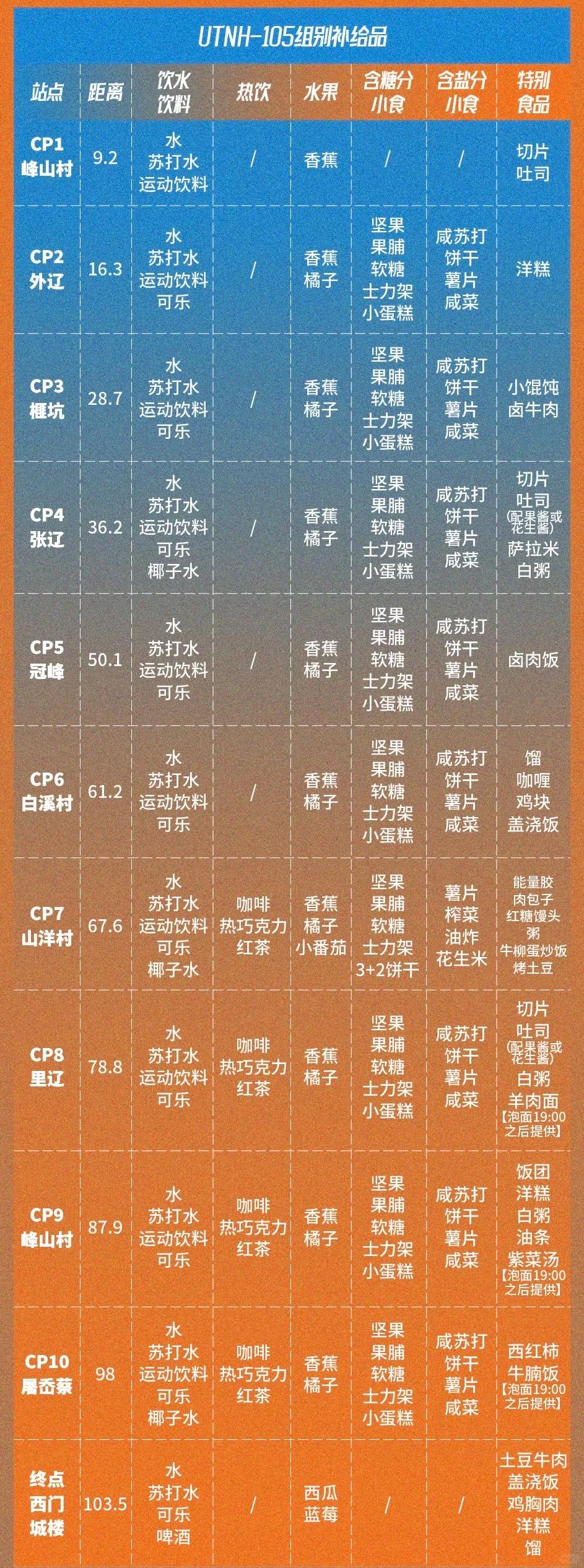
Core Viewpoint - The article highlights the transformation of trail running events into immersive culinary experiences, where food plays a crucial role in enhancing the overall experience for participants, particularly the younger generation [4][5][19]. Group 1: Event Experience - Trail running events are increasingly being viewed as "mobile outdoor food festivals," where aid stations serve not just as refueling points but as cultural and social hubs [5][20]. - The popularity of local delicacies at these events has become a significant aspect of the participants' experience, with food providing both physical nourishment and emotional comfort [6][19]. Group 2: Food as a Psychological Boost - The psychological impact of food during long races is emphasized, as comforting and warm meals can significantly uplift runners' spirits and motivate them to continue [16][18]. - The article notes that food can act as a "lighthouse" for runners, guiding them through challenging moments and providing a sense of connection to the event and its locale [18][19]. Group 3: Changing Runner Demographics - The younger generation of runners is redefining trail running, seeking not only physical challenges but also unique and enjoyable experiences, including culinary delights [4][19]. - This shift in mindset has led to a new philosophy of "food running," where the enjoyment of food becomes a central part of the running experience [19][20]. Group 4: Nutritional Strategy - The article discusses the importance of balancing traditional energy supplements with local foods, suggesting that while energy gels are essential for maintaining performance, local delicacies enhance the overall experience [20][25]. - It advises runners to strategically consume food throughout the race, emphasizing the need for moderation to avoid gastrointestinal issues [20][25].
四川内江,这座“甜城”为何让人流连忘返?
Sou Hu Cai Jing· 2025-09-01 08:09
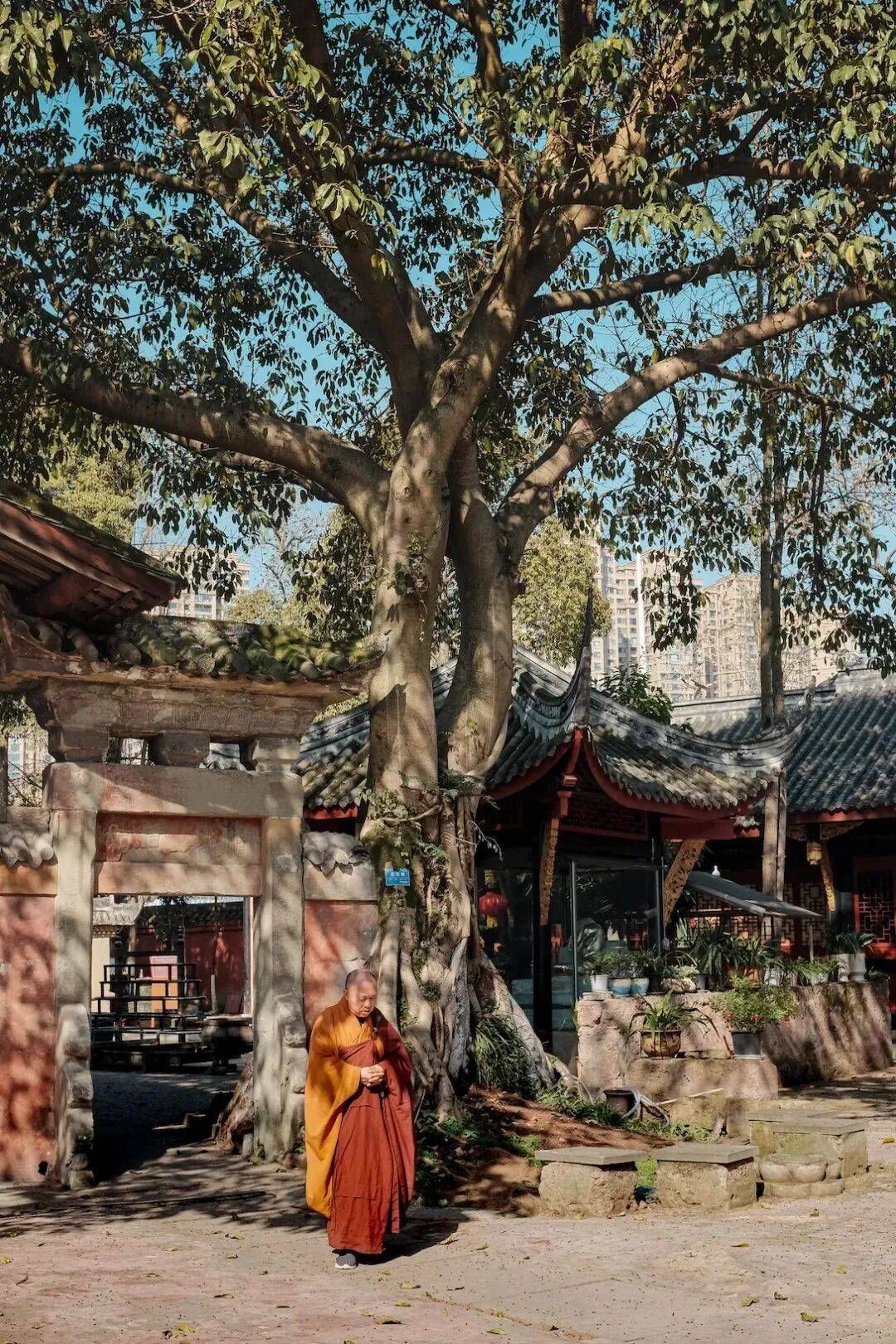
Core Insights - Neijiang, a small city in Sichuan, has gained public attention as a filming location for the movie "Walking and Stopping," starring Gao Yuanyuan and Hu Ge, and is noted for its unique retro charm and sweet heritage [1][3] Group 1: Historical and Cultural Significance - Neijiang is located in the southeastern part of the Sichuan Basin, with a history spanning 2000 years, and is known as the hometown of famous painter Zhang Daqian [3] - The city was historically prosperous due to its sugar industry, earning it the nickname "Sweet City" [3][9] - The old town features winding streets and staircases, with Dati Alley being a notable location that contributes to Neijiang's reputation as "Little Hong Kong" [3] Group 2: Local Lifestyle and Attractions - The old streets of Neijiang are filled with the aroma of local delicacies, such as fried cakes, and are bustling with life, showcasing a vibrant local culture [6] - The contrast between the lively old town and the tranquility of Shengshui Temple highlights the city's diverse atmosphere [6] - Neijiang's culinary offerings, including its famous beef noodles and various local snacks, play a significant role in the city's identity and appeal [9] Group 3: Emotional Connection and Tourism - For those who have left Neijiang, the memories associated with its streets and food evoke a deep sense of nostalgia and belonging [9] - The city's unique charm continues to attract more visitors, drawn by its retro style and sweet heritage [9]