羿欧

Search documents
郑义宣10天连访三国 现代汽车集团以闪电式布局抢占全球产业高地
Zhong Guo Qi Che Bao Wang· 2026-01-22 01:29
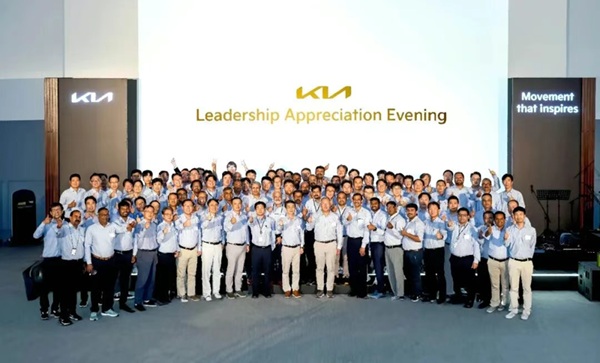
Core Insights - Hyundai Motor Group's Chairman Chung Eui-sun initiated the new year with a "global lightning management action," emphasizing a customer-centric, technology-driven, and localization-based strategy to achieve sustainable global leadership [1] Group 1: China - Focusing on Hydrogen and Battery Collaboration - During a visit to China, Chung Eui-sun attended the Korea-China Business Forum and engaged in discussions with leaders from major Chinese companies, reinforcing collaboration foundations [3] - Meetings with CATL focused on joint research and stable supply of power batteries, essential for electric vehicle operations [3] - Discussions with Sinopec centered on hydrogen energy collaboration, with Hyundai's HTWO Guangzhou factory already in mass production of fuel cell systems [3] - Hyundai plans to expand its electric vehicle lineup in China to six models by 2030, while Kia aims to launch at least one new electric vehicle annually [3] Group 2: United States - Embracing AI and Robotics - At CES 2026, Chung Eui-sun highlighted the importance of technology partnerships, meeting with Nvidia's CEO to discuss AI chips and data centers [4] - Hyundai signed a contract to procure 50,000 Blackwell GPUs and plans to co-establish an Nvidia AI Technology Center [4] - Boston Dynamics showcased its humanoid robot Atlas and received recognition for its MobED mobile robot platform, indicating a strong focus on robotics innovation [5] Group 3: India - Strengthening Local Manufacturing and Brand Identity - Chung Eui-sun visited three key production bases in India, emphasizing the importance of local manufacturing capabilities [6] - Hyundai's total production capacity in India exceeds 1.5 million units, securing a 20% market share [7] - The company aims to position India as a global manufacturing and export hub, focusing on localizing the supply chain for critical components [7] - Chung expressed a commitment to building a "national brand" in India, highlighting the importance of community engagement and employee support [7][8] Group 4: Social Responsibility and Community Engagement - Hyundai has invested significantly in social responsibility initiatives in India, including support for disabled athletes and mobile clinics for underserved communities [8] - The company collaborates with local educational institutions to develop high-end technical talent, demonstrating a commitment to community integration [8] - Chung's visit was not merely ceremonial but a comprehensive strategy encompassing technology, production, and community engagement [8]

全球销量第三的汽车品牌正在被中国市场“淘汰”
3 6 Ke· 2025-11-08 02:53
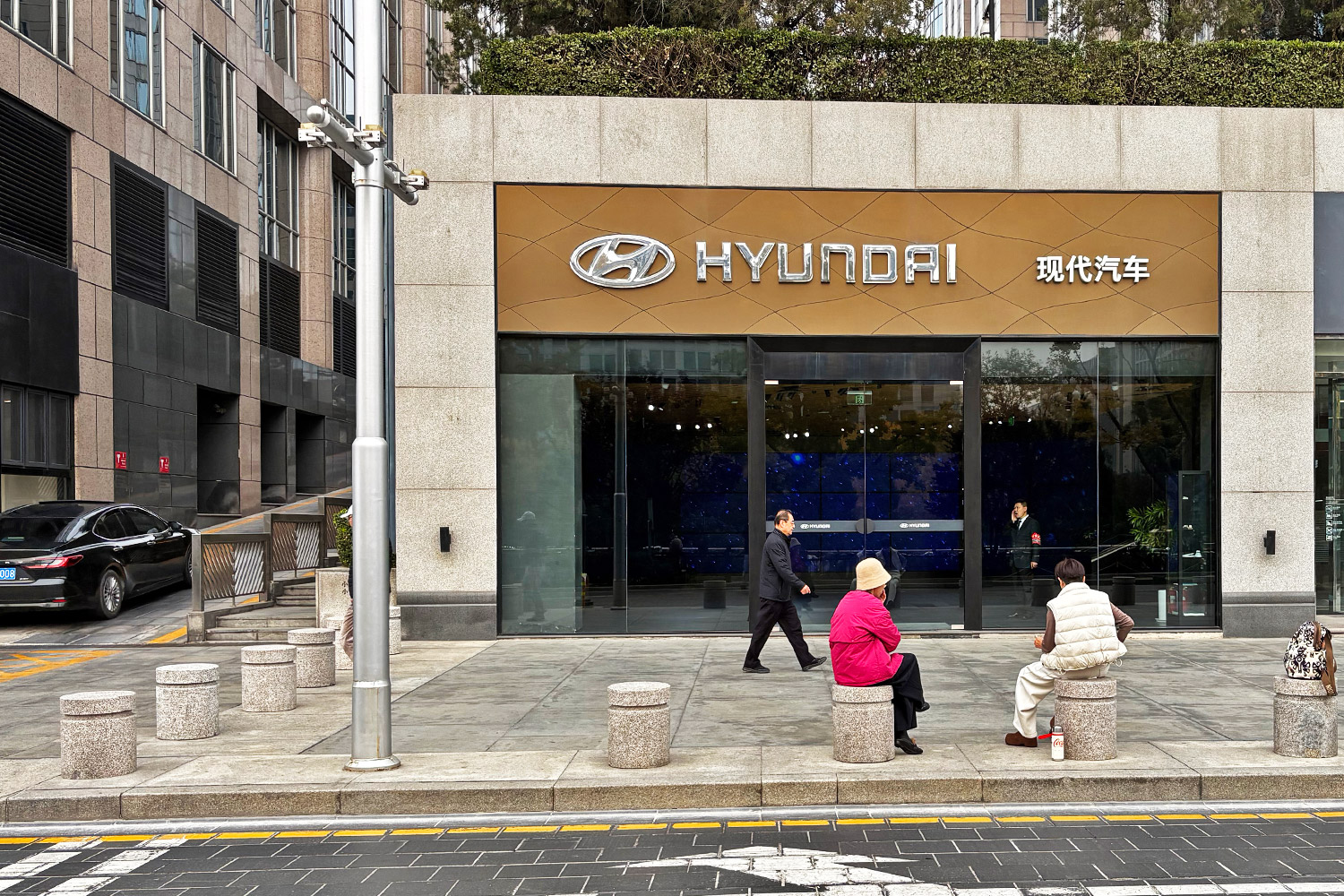
Core Insights - Korean cars, once popular in China for their fuel efficiency and affordability, have seen their market share plummet from 8.8% in 2013 to 1% in 2024, with sales of only 320,000 units compared to BYD's monthly sales [1][2] - The number of Beijing Hyundai dealerships has decreased from over 700 in 2013 to around 200, with significant annual closures [2] - Hyundai's luxury brand Genesis has struggled in China, with high marketing costs and no employee purchases, leading to an internal audit by the Korean headquarters [2][4] - Despite challenges in China, Hyundai Kia Group remains a global leader, with projected sales of 7.23 million units in 2024, ranking third worldwide [2] Market Dynamics - The decline of Korean brands in China is attributed to strategic misjudgments, insufficient localization, and product strategy failures, leading to a lack of responsiveness to changing consumer demands [5][6] - Korean automakers have not prioritized the Chinese market, resulting in inadequate resource allocation and a failure to adapt to local preferences [4][5] - The presence of Korean brands in key commercial areas has diminished, with limited offerings that do not align with local consumer expectations for high cost-performance vehicles [5][6] Product Strategy - Hyundai's current lineup in China consists mainly of traditional fuel vehicles, with only one newly launched electric model, which does not meet the growing demand for electric and intelligent vehicles [5][6] - The configuration strategy of Korean cars relies on low-cost models, but they lack essential comfort features compared to domestic brands, leading to a perception of inferior value [6][7] - The competitive landscape has shifted, with Japanese and German brands enhancing their offerings, while Korean brands have not kept pace with technological advancements and consumer preferences [7] Future Outlook - Hyundai's recent capital increase in its Chinese subsidiary may signal a renewed commitment to the market, but a fundamental shift in value proposition is necessary to regain consumer trust [8] - The need for Korean brands to redefine their approach in China is emphasized, focusing on understanding local market dynamics rather than merely adapting global strategies [8]