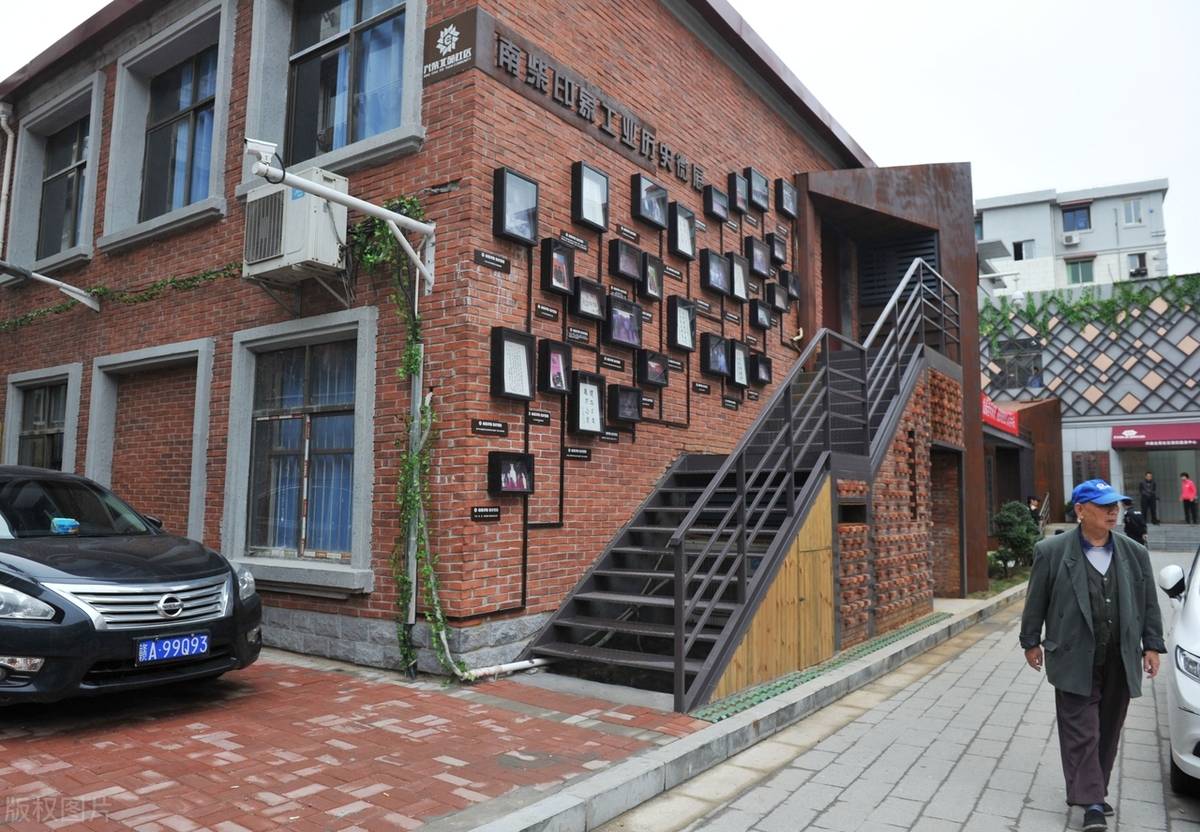
老房子

Search documents
紧急通知!老房迎国家级 3 重红利,2026年或成楼市主角
Xin Lang Cai Jing· 2026-02-08 00:58
Core Insights - The central government has introduced a series of policies aimed at revitalizing old housing, breaking the long-standing perception that new homes are more desirable than old ones. This shift is expected to lead to a significant revaluation of old properties, with predictions that by 2026, old homes may surpass new ones in market prominence [1][3]. Policy Benefits - **First Benefit**: Systematic renovation of old neighborhoods, with a focus on low-cost value enhancement. The new regulations establish a three-tier renovation system, supported by a central government fund of 62.5 billion yuan, allowing homeowners to benefit with minimal financial burden. Key improvements include safety upgrades and the installation of elevators, which can increase property values by 10%-15% and reduce transaction times by 40% [3][4]. - **Second Benefit**: Encouragement of "original demolition and reconstruction" for dilapidated properties, with streamlined approval processes allowing for rapid transformation. For example, a property in Guangzhou saw its value increase from 800,000 yuan to 2.1 million yuan after reconstruction, demonstrating a 160% increase [4][6]. - **Third Benefit**: Official buyback and exchange support to alleviate the difficulties in selling old homes. Pilot programs in cities like Shanghai aim to provide a safety net for homeowners, focusing on small units in prime locations. The buyback process is efficient, taking only 1-2 months, and is based on fair market evaluations [6][7]. Market Dynamics - The potential for old homes to appreciate in value is significant, but it is not uniform across all properties. The value of old homes is closely tied to their location, with properties in core urban areas showing the most promise. For instance, renovated old homes in Beijing's inner districts can command prices 20%-30% higher than new homes in outer districts [9][10]. - The policies create a clearer value proposition for old homes, particularly those included in renovation or buyback programs, which are expected to see more stable price increases compared to new homes that may face market volatility [10][11]. Future Outlook - By 2026, the real estate market is anticipated to reflect a hierarchy where core old homes will outperform core new homes, while suburban properties will struggle to keep pace. This shift will not completely overturn the dominance of new homes but will significantly alter the market landscape, making old homes a vital component of the housing ecosystem [12]. - The overarching goal of these policies is to transition the real estate market from a focus on new construction to enhancing existing stock, addressing the needs of old homeowners while alleviating supply-demand imbalances in the new home market [12].

老房子又吃香了?只因住建部定调:2026年开始,这2类人或将受益
Sou Hu Cai Jing· 2026-01-25 09:14
Core Viewpoint - The article discusses a significant shift in the Shanghai real estate market, where older properties in prime locations are experiencing a dramatic increase in value, contrary to the trend of new developments in suburban areas [1][3][5]. Market Dynamics - In 2025, the transaction volume of second-hand homes in first-tier cities reached 519,000 units, a four-year high, with older properties under 3 million yuan accounting for 62% of the transaction volume in Shanghai [9]. - The price of older properties in prime areas, such as the Jing'an District, surged from 40,000 yuan per square meter to over 80,000 yuan within six months, indicating a strong demand from investors [5][7]. Policy Implications - The Ministry of Housing and Urban-Rural Development has positioned urban renewal as a "blue ocean," indicating a large-scale investment initiative aimed at revitalizing existing urban areas rather than merely cosmetic improvements [11]. - A series of policy measures, including tax reductions and incentives for property exchanges, are set to stimulate the market, with significant budgets allocated for urban renewal projects in Shanghai [13][15]. Investment Opportunities - Investors are focusing on older properties in core urban areas, betting on potential compensation standards that could reach 150,000 yuan per square meter if these properties are included in redevelopment plans [7][19]. - The article highlights two main groups benefiting from this trend: long-term property owners in prime locations and those looking to upgrade their living conditions, who can take advantage of favorable policies for property exchanges [17][19]. Economic Impact - The urban renewal initiative is expected to activate various sectors, from construction materials to smart home technologies, with substantial investments planned for the upcoming years [21]. - The shift from extensive urban expansion to refined urban management reflects a broader change in China's urban growth logic, emphasizing the importance of location and existing resources [22][23].
高楼限高令来了,这两类老房子吃香了,你看出猫腻了吗?
Sou Hu Cai Jing· 2025-10-09 06:00
Core Viewpoint - The recent restrictions on high-rise buildings in China may lead to a resurgence in the value of low-rise residential properties, as policies shift focus towards improving older neighborhoods and limiting new high-density developments [9][10][15]. Summary by Sections High-Rise Residential Buildings - High-rise buildings have been seen as symbols of urban economic strength and modernization, allowing for greater population density and land utilization [3][4]. - However, the drawbacks of high-rise living are becoming more apparent, including high housing prices, safety concerns related to fire and elevator systems, and water supply issues [6][8]. Policy Changes - The Chinese government has begun to impose strict controls on the construction of new high-rise buildings, particularly those exceeding 100 meters, signaling an end to the trend of high-density residential development [9]. - Additional measures include lowering the threshold for elevator installation in buildings over four stories and promoting the renovation of old neighborhoods to enhance living conditions [10]. Opportunities for Low-Rise Properties - Two categories of older properties are expected to benefit from these changes: 1. Older homes in prime locations with good amenities, which will see increased demand and value due to renovations [13]. 2. Older homes with significant renovation potential, which can be upgraded to meet diverse resident needs, thus enhancing their market value [14]. - The push for elevator installations in older buildings will also make these properties more attractive to buyers [15].
手握老房别犯傻!, 5大理由告诉你, 为何死守别卖
Sou Hu Cai Jing· 2025-04-24 02:51
Core Insights - The value of old properties in city centers may exceed common perceptions, and there are underlying risks and lessons to consider when approached by real estate agents urging quick sales [1] Group 1: Redevelopment Opportunities - The potential for redevelopment is real, with government policies favoring the renovation of old properties in central urban areas. For instance, a neighbor received 8.5 million yuan for his old apartment after waiting for 30 years, highlighting the value of patience in property ownership [3] - Properties in prime locations can serve as "golden land" for redevelopment, making it crucial for owners to recognize their potential rather than rush to sell [3] Group 2: Educational District Advantages - Proximity to top-ranking primary schools makes old properties in desirable school districts a scarce resource, often commanding higher prices than new homes. For example, a 50-square-meter old apartment was listed at a price 15% higher than new properties in the same area due to its school district [5] - Parents are willing to pay a premium for such properties to avoid traffic during school runs, indicating sustained demand for these assets [5] Group 3: Investment Strategies - Real estate agents often use marketing tactics suggesting high rental returns as a reason to sell, which can be misleading. Savvy investors may choose to hold onto older properties, especially those on higher floors, anticipating value increases after renovations like elevator installations [7] - An example includes a property sold for 280,000 yuan that has since appreciated to 450,000 yuan due to its inclusion in a renovation plan [7] Group 4: Transformation of Old Properties - Significant government investment in the renovation of old neighborhoods is attracting attention and increasing property values. For instance, a community from the 1980s saw a 20% price increase within three months after upgrades, including smart systems and additional amenities [9] - The limited availability of land in city centers makes old properties increasingly valuable, with some listings in prime areas exceeding 100,000 yuan per square meter due to their proximity to essential services [9] - Old properties are likened to aged tea, becoming more valuable over time, and owners are encouraged to appreciate their assets rather than hastily sell them [9]