股权家族信托

Search documents
低利率下的信托破局:不动产与股权传承成焦点
2 1 Shi Ji Jing Ji Bao Dao· 2025-12-03 02:49
Core Insights - The trust industry is seizing the opportunity presented by regulatory pilot programs to promote the standardization and scaling of real estate and equity trust businesses, providing new pathways for wealth management in a low-interest-rate environment [1][3][4] Group 1: Industry Developments - Beijing will launch a pilot program for real estate trust property registration by the end of 2024, marking a significant breakthrough in overcoming long-standing regulatory bottlenecks [3] - The rapid growth of family trusts and insurance trusts is highlighted, with family trust development reaching a scale of 300 billion and combined family and insurance trusts exceeding 1 trillion since their inception [4] Group 2: Value Proposition - Real estate trusts offer threefold value: providing asset isolation and life security for aging and special needs families, helping enterprises revitalize real estate assets, and enhancing the trust mechanism to better serve the real economy [3] - The importance of wealth management is emphasized as a core issue of the times, with the current low-interest cycle prompting a reevaluation of wealth management fundamentals [3][4] Group 3: Market Dynamics - The trust industry is experiencing a shift in demand, with insurance products gaining relative advantages in a low-interest environment, leading to increased public risk awareness and growth in insurance and family trusts [4] - Various institutions, including banks, insurance companies, and law firms, are entering the trust market, creating a diversified development ecosystem [4] Group 4: Strategic Transformation - The trust industry is moving away from traditional business models reliant on government financing, channels, and real estate, seeking new business breakthroughs and profit growth points [5] - Wealth inheritance business is identified as a core direction for trust companies, optimizing business structures and supporting sustainable profit models during the industry's transformation [5] Group 5: Innovative Practices - Guangdong's experience in trust innovation includes allowing pre-registration of real estate, removing restrictions on trust company registration locations, and flexible integration with will trusts, enhancing the system's attractiveness [6]

精彩一文全览!十五位大咖共答财富管理的低利率之问
2 1 Shi Ji Jing Ji Bao Dao· 2025-11-27 10:51
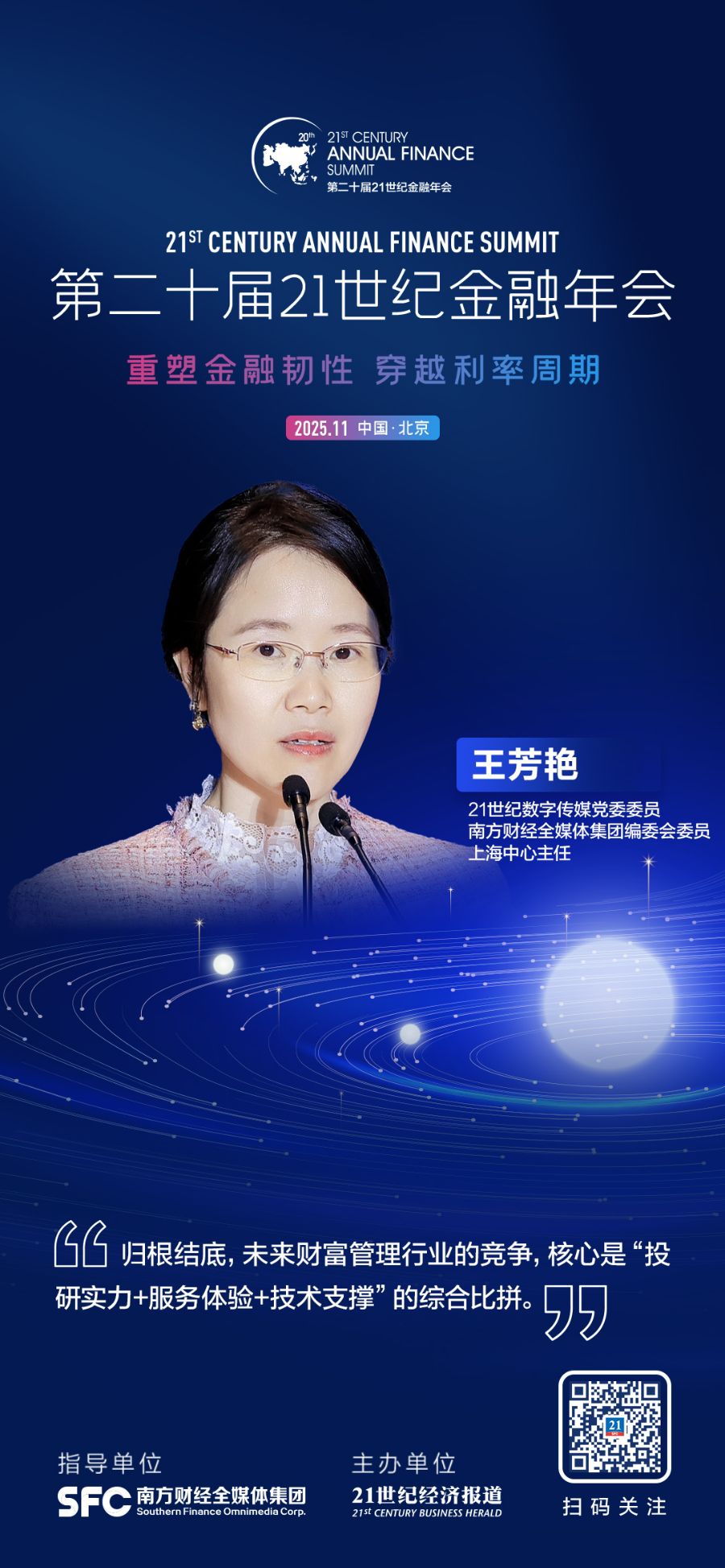
Group 1 - The core discussion at the 20th Century Financial Annual Conference focused on the low interest rate environment and its implications for wealth management and financial services [1] - Industry experts emphasized the need for wealth management to transform static capital into active investment that supports the real economy, aligning with national strategies and enhancing individual wealth [1] - The future competition in the wealth management sector will hinge on a combination of investment research capabilities, service experience, and technological support [3] Group 2 - The shift of deposits into wealth management products is a significant trend, with estimates suggesting that a 5% transfer of fixed-term deposits could generate over 5 trillion yuan in new opportunities for banks by the end of 2024 [19] - The wealth inheritance market is experiencing growth despite broader economic challenges, indicating structural opportunities that require collaboration across finance, legal, and tax sectors [25] - Trust services are positioned as a key tool for addressing the complexities of wealth transfer, with a focus on enhancing professional capabilities to better serve families [74][79]
低息时代财富管理破局之路 华能信托解析股权信托新机遇
2 1 Shi Ji Jing Ji Bao Dao· 2025-11-26 13:17
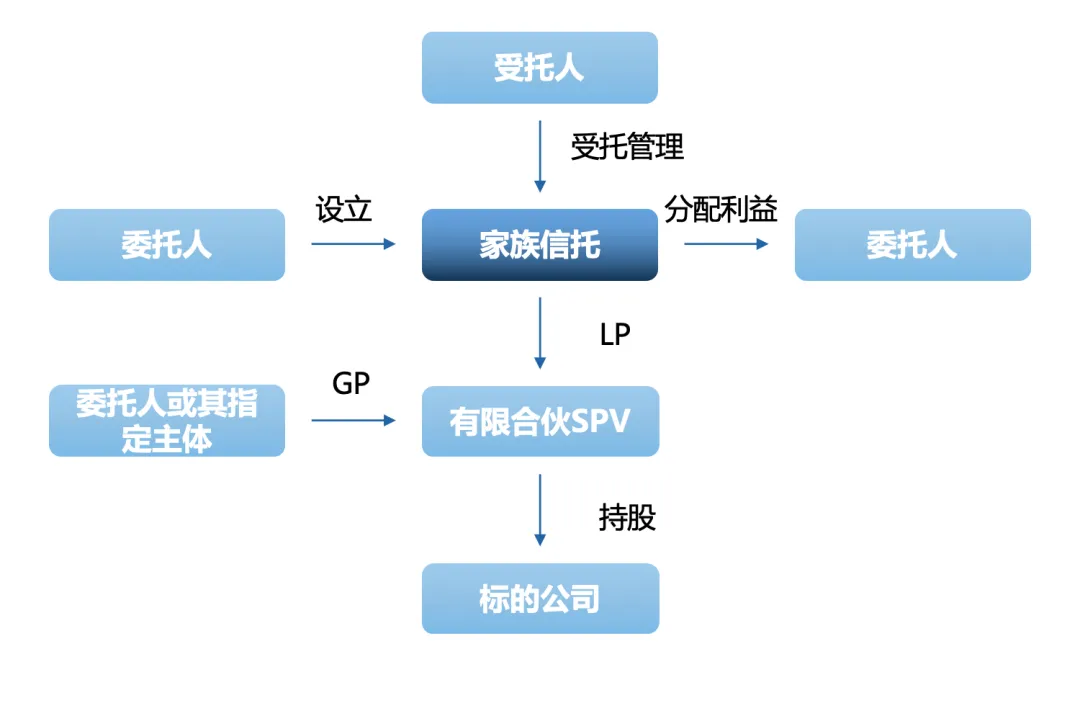
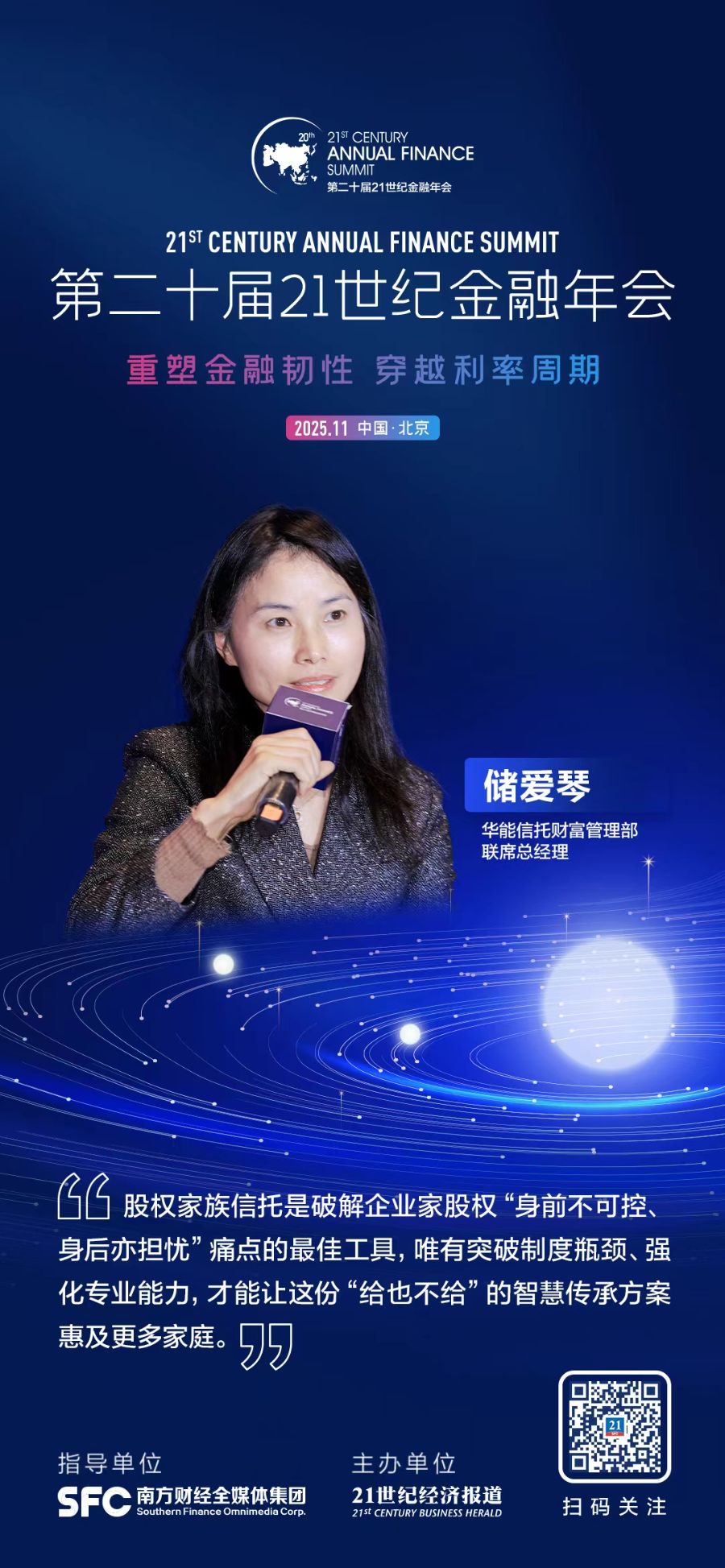
Core Insights - The forum highlighted the significance of wealth management in the current low-interest environment, emphasizing the need for a reevaluation of underlying wealth management logic due to declining savings rates and increased market volatility [3][4] Group 1: Industry Opportunities - The low-interest environment has led to a relative advantage for insurance products, resulting in rapid growth in insurance trusts and family trusts, with family trust development reaching a scale of 300 billion over 10 years and combined family and insurance trusts exceeding 1 trillion [3][4] - The participation of various institutions such as banks, insurance companies, and law firms has created a diversified development ecosystem within the wealth management sector [3] - The introduction of the "three classifications" regulation in 2023 has provided clear policy guidance for the development of wealth management trusts, including pilot programs for real estate and equity trust registrations [3] Group 2: Industry Challenges - Trust companies face a mismatch between business scale and revenue returns in wealth management services, particularly in equity family trusts, which have seen around 300 transactions since their inception in 2019, but are hindered by incomplete registration systems and unclear tax policies [4] - The complexity of equity family trust processes, which can take months or even years to complete, leads to higher service costs and necessitates a fee structure that covers both service costs and risk compensation [4] Group 3: Strategic Directions - To address challenges such as intensified competition and insufficient customer acquisition capabilities, trust companies should focus on enhancing professional service capabilities and building multidisciplinary teams in wealth management, law, tax, investment banking, and family governance [5] - Collaboration with banks remains a primary strategy for customer acquisition, where trust companies can provide professional training to enhance service capabilities in banking channels, fostering a cooperative ecosystem [5] - The market for wealth management service trusts is substantial, and with the removal of related barriers, there is significant business potential for these services to reach more Chinese families [5]
西部信托:家族信托助力民营企业基业长青
Sou Hu Wang· 2025-10-16 03:20
Core Insights - The article discusses the critical transition period for private enterprises in China, emphasizing the importance of wealth and business succession planning as the first generation of entrepreneurs approaches retirement [1][2] - Family trusts are highlighted as essential financial tools for ensuring smooth succession and long-term sustainability of family businesses, with significant growth in this sector [1][3] Group 1: Family Trust Growth and Importance - Family trusts are transitioning from a niche option to a mainstream financial solution, with a reported 435% year-on-year growth in family trust business by Western Trust in 2024 [1][2] - The family trust industry in China has seen its total scale exceed 600 billion yuan by the end of 2024, doubling in size over three years [3] Group 2: Policy Support and Market Environment - Private enterprises contribute over 50% of tax revenue, 60% of GDP, and 70% of technological innovations in China, highlighting their significance in the economy [2] - Recent government policies aim to optimize the development environment for private enterprises, focusing on property rights protection and financial support [2] Group 3: Family Trust Structure and Benefits - The family trust structure allows for the separation of ownership, management, and income rights, providing a robust framework for business succession [4][5] - Family trusts can effectively address common succession challenges, such as asset fragmentation and disputes arising from traditional inheritance methods [4][5] Group 4: Customization and Professional Services - Western Trust emphasizes the need for highly customized family trust solutions to meet the unique needs of different families, including support for entrepreneurial ventures and cross-border succession [6][8] - The company offers a comprehensive service model that includes ongoing support and adjustments to trust structures as family and business needs evolve [8][9] Group 5: Recognition and Market Position - Western Trust has received multiple awards for its family trust products, reflecting its professional capabilities and commitment to quality service [7][9] - The company aims to contribute to the high-quality development of the private economy by providing innovative solutions and long-term support for wealth succession [9]
我国股权家族信托迎来突破
Jin Rong Shi Bao· 2025-08-08 07:52
Core Viewpoint - The establishment of family trusts by private entrepreneurs is becoming a crucial method for wealth transfer and management of equity stakes in their companies, as evidenced by recent actions taken by 361 Degrees International Limited and other well-known brands [1][2]. Group 1: Importance of Family Trusts - Family trusts provide various solutions for entrepreneurs, including legal asset protection, orderly succession, centralized equity management, risk isolation, and the transmission of entrepreneurial spirit [2]. - The application of family trusts for equity holding and succession is more common abroad, with notable examples including JD.com and Xiaomi, where founders utilize offshore trust structures to manage their stakes [2]. Group 2: Current State of Domestic Family Trusts - The domestic family trust market is underdeveloped, with a total scale of less than 10 billion yuan, representing only 0.34% of the family trust market, which has an asset management scale of 435.72 billion yuan [3]. - Concerns regarding the safety of equity in family trusts arise from the lack of a property registration system for trust assets in China, leading to uncertainty among entrepreneurs [3]. Group 3: Recent Developments - Recent regulatory changes, including the issuance of a notification by the National Financial Regulatory Administration and the Beijing Market Supervision Administration, aim to enhance the public effectiveness of equity as trust property, promoting the application of equity trusts in private enterprise succession [4][5]. - The successful implementation of equity trust property registration marks a significant milestone for the trust industry, providing clearer legal foundations and operational norms for trust companies [6]. Group 4: Future Prospects - The future development of family equity trusts in China requires clarification of the legal nature of trust property and the transfer of ownership, as well as the establishment of effective registration methods [6].
金融百家|股权信托财产登记试行:新政助力股权财富传承新机遇
2 1 Shi Ji Jing Ji Bao Dao· 2025-04-24 10:45
Core Viewpoint - The issuance of the "Notice" marks a significant step in the registration of equity trust property in Beijing, enhancing the safety and transparency of family equity trusts as tools for wealth inheritance and corporate governance optimization [1][2]. Group 1: Highlights of the Notice - The "Notice" defines equity trust as the transfer of equity to a trust institution, which manages and disposes of the equity according to the principal's wishes [2]. - The equity trust property registration is limited to equity of limited liability companies registered within Beijing, excluding partnerships and joint-stock companies [4]. - The registration process involves three steps: pre-registration of the trust product, signing of the trust document, and application for equity change or establishment registration [6]. Group 2: Positive Impact on Family Equity Trusts - The "Notice" resolves the issue of trust property independence, enhancing trust in the separation of trust assets from the trustee's personal assets [7]. - It reduces the risk costs for trustees, encouraging trust companies to engage in equity family trust business by establishing a public registration system [8]. - The implementation of equity and real estate trust property registration in Beijing provides a regulatory breakthrough, facilitating the development of the wealth management trust industry [9]. Group 3: Future Innovations in Family Equity Trusts - Various holding models for family equity trusts are being explored, including direct holding by family trusts and holding through limited partnership SPVs [10]. - The traditional limited partnership SPV model still has applicability, but there is a need for regulatory inclusion of limited partnerships in equity trust property registration [28]. - The lack of tax treatment for equity trusts remains a challenge, with calls for the establishment of a comprehensive trust tax system to support the development of wealth management trusts [29]. Group 4: Functions of Family Equity Trusts in Wealth Inheritance - Family equity trusts provide asset protection and risk isolation, safeguarding valuable enterprises from personal debt risks and marital division risks [30][31]. - They help concentrate control of family businesses, preventing dilution of ownership and ensuring governance continuity across generations [32]. - Family trusts can address issues of equity holding for clients who prefer anonymity, ensuring asset security and privacy [33]. - They serve as a vehicle for family spirit transmission, aligning family values and responsibilities through trust documents and family charters [34].