肯律轻食

Search documents
年入800亿,利润创10年新高,这头“巨无霸”要在中国开3万家店
3 6 Ke· 2026-02-26 00:01
Core Insights - The Chinese restaurant industry in 2025 shows a stark contrast between struggling major brands and emerging local players seeking capital market support [1] - Yum China reported a record revenue of $11.8 billion (approximately 81.9 billion RMB) for 2025, marking a ten-year high since its spin-off [1] - The company plans to expand its store count to 30,000 by 2030, effectively doubling its current footprint [1] Financial Performance - Yum China's operating profit reached $1.3 billion with an operating margin of 10.9%, also a ten-year peak [1] - The company opened 1,706 new stores, bringing the total to 18,000, while restaurant profit margins increased to 16.3% [1][9] Strategic Initiatives - Yum China employs a "dual strategy" with KFC maintaining stability and Pizza Hut focusing on affordability [3] - Pizza Hut's average transaction value decreased from nearly 120 RMB in 2019 to 69 RMB by the end of 2025, targeting a price range of 60-70 RMB [4] - KFC's same-store sales grew by 3% in Q4 2025, with a restaurant profit margin of 17.4% [5] Expansion Strategy - The company is redefining store openings by introducing smaller, lower-cost formats such as "small town stores" and "WOW stores" [10] - The investment for a small town KFC has been reduced from 1.8 million RMB to 500,000-700,000 RMB, with store sizes cut to one-third [10] - The "shoulder-to-shoulder" model allows KFC, coffee, and light meal brands to share resources, significantly increasing sales per store [11] Market Positioning - Yum China's innovative approach has allowed it to maintain same-store sales growth despite a significant increase in total store count [9] - The company has successfully attracted different customer segments through its pricing strategies and product offerings [3][4] Challenges and Competition - Despite its success, Yum China faces challenges from emerging competitors and must navigate the risks associated with large-scale expansion [20] - The company reported only a 1% increase in same-store sales for 2025, indicating potential market saturation [20] - Other brands under Yum, such as Lavazza and KPRO, contribute minimally to revenue, highlighting the need for continued focus on core brands [20]


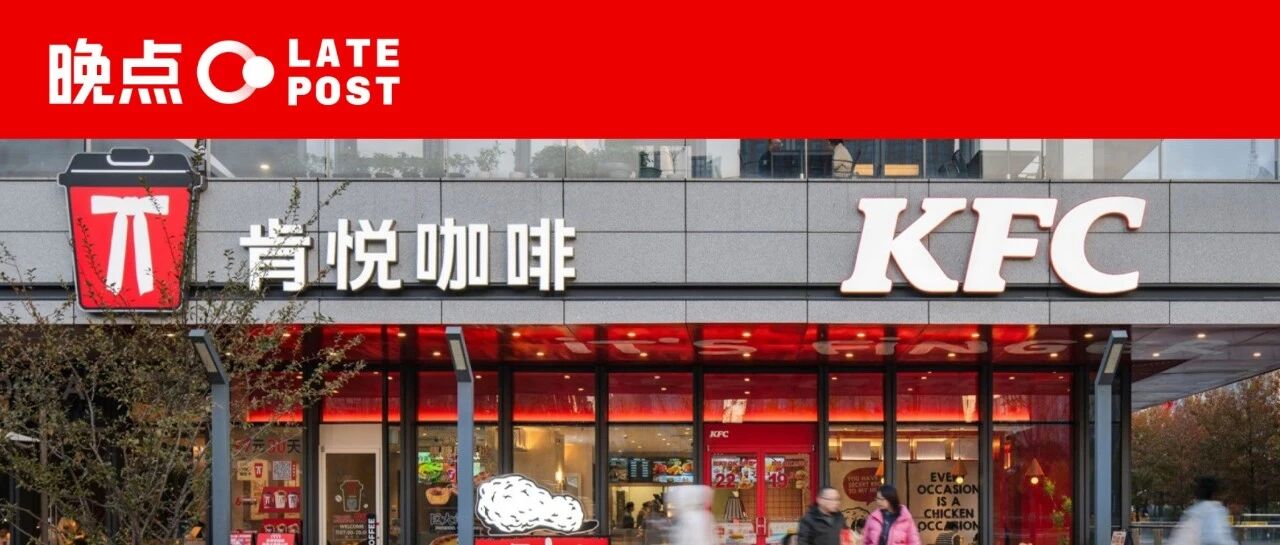
规模、效率、灵活,百胜中国的 3 万店增长计划
晚点LatePost· 2026-02-05 14:35
Core Viewpoint - Yum China is experiencing high-quality growth in the restaurant industry, with a projected total revenue increase of 4% to $11.8 billion in 2025 and an operating profit of $1.3 billion, reflecting an 11% year-over-year growth [2] Group 1: Financial Performance - In 2025, Yum China's operating profit margin increased by 60 basis points to 10.9%, marking a new high since its U.S. listing in 2016 [2] - The company's system sales and same-store sales have shown growth for three consecutive quarters, maintaining profitability in various economic cycles [2] Group 2: Market Expansion Strategy - Yum China aims to exceed 30,000 stores by the end of 2030, with a dual strategy of "outward expansion" and "internal efficiency improvement" already underway [2] - The company is focusing on increasing store density in lower-tier cities, where the current density is significantly lower than in first and second-tier cities [2][4] Group 3: Store Model Innovation - The company is iterating on store models to enhance adaptability and reduce costs, utilizing AI technology to improve overall efficiency [3] - The shift towards smaller store formats and the "shoulder-to-shoulder" modular approach allows for better resource allocation and coverage of diverse consumer scenarios [5][6] Group 4: Delivery and Takeout Growth - By 2025, delivery sales accounted for 48% of restaurant revenue, up from 39% in 2024, indicating a shift in consumer preferences [4] - New store formats like the compact KFC and satellite Pizza Hut are designed to cater to delivery and takeout demands [4] Group 5: Supply Chain Efficiency - Yum China is implementing a "full utilization" strategy in its supply chain, optimizing the use of chicken parts across different brands [12] - The company is also adjusting procurement strategies for seasonal ingredients to stabilize cost fluctuations [14] Group 6: Innovation and Product Development - Over the past three years, Yum China has launched more than 1,600 new products, averaging 1.5 new or upgraded items daily [16] - The focus on core products allows for reduced risk in new product development while enhancing customer loyalty [16] Group 7: Financial Discipline and Shareholder Returns - Yum China has committed to returning approximately $4.5 billion to shareholders between 2024 and 2026, with a specific annual plan of about $1.5 billion [20] - The balance between flexibility in operations and strategic stability supports predictable financial performance [20]
百胜中国去年营收增长4%:外卖业务占比近五成
Xin Lang Cai Jing· 2026-02-05 09:34
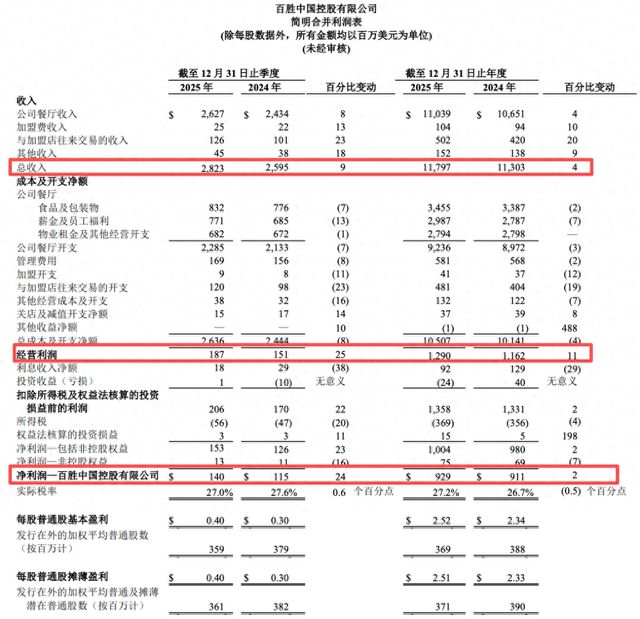
Core Viewpoint - Yum China reported a profit margin increase despite fierce competition in the food delivery sector, with management indicating that the share of delivery business will continue to rise [1][7]. Financial Performance - In Q4 2025, Yum China's total revenue grew by 9% year-on-year to $2.823 billion, with operating profit reaching $187 million, up 25% [1][9]. - For the full year 2025, total revenue increased by 4% to $11.797 billion, and operating profit was $1.29 billion, reflecting an 11% growth [1][9]. - The net profit for Q4 was $140 million, a 24% increase, while the annual net profit was $929 million, up 2% [1][9]. Same-Store Sales and Transactions - Same-store sales increased for the third consecutive quarter, with a 3% growth in Q4 and a total of 20 billion transactions for the year, an 8% increase [8][13]. - The company has achieved a continuous increase in same-store transaction volume for 12 consecutive quarters [8][13]. Delivery Business Growth - Delivery sales grew by 25% year-on-year, accounting for 48% of restaurant revenue, up from 39% the previous year [7][8]. - The share of delivery sales rose from 42% in Q1 to 53% in Q4 of the previous year [7]. Profitability Metrics - The operating profit margin for 2025 was 10.9%, an increase of 0.6 percentage points year-on-year, while restaurant profit margin was 16.3%, also up by 0.6 basis points [8][11]. - KFC's operating profit margin was 14.5%, and Pizza Hut's was 7.9%, marking the highest level since Yum China's listing in 2016 [11]. Store Expansion and Strategy - Yum China added 1,706 new stores in 2025, with a total store count reaching 18,101 [15]. - The company plans to exceed 20,000 stores by 2026, focusing on both self-operated and franchised models [16]. Future Outlook - Management expects system sales to grow in the high single digits in 2026, with slight improvements in restaurant and operating profit margins [16].
百胜中国2025年经营利润增长11%, 股价大涨超8%
Xin Lang Cai Jing· 2026-02-05 03:35
Core Insights - Yum China (09987.HK) reported strong growth in sales and profits for the fiscal year ending December 31, 2025, with total revenue reaching $11.8 billion, a 4% year-over-year increase, and operating profit of $1.3 billion, up 11% [1] - The stock price surged by 8.51% following the earnings announcement on February 5, 2026 [1] Financial Performance - For 2025, the operating profit for Q4 was $187 million, reflecting a 25% increase year-over-year [1] - The restaurant profit margin improved to 16.3%, up 60 basis points, driven by better cost management in food, packaging, rent, and other operating expenses [1] - Delivery sales grew by 25%, accounting for 48% of total restaurant revenue, up from 39% the previous year [1] Store Expansion - The company added 1,706 new stores in 2025, bringing the total to 18,101, with a rising proportion of franchise stores from 25% in 2024 to 36% in 2025 [1] - KFC opened 1,349 new stores, totaling 12,997, while Pizza Hut added 444 new stores, reaching 4,168 [2] Brand Performance - KFC's system sales increased by 5% year-over-year, with same-store sales up by 1%, supported by successful product innovations [2] - Pizza Hut's system sales grew by 4%, with operating profit rising 19% to $183 million, and same-store transaction volume increased by 13%, although average transaction value fell by 11% [2] Membership Growth - The combined membership for KFC and Pizza Hut exceeded 590 million, a 13% increase, with over 265 million active members in the past 12 months, also up 13% [2] New Business Initiatives - New business segments are emerging as growth drivers, with KFC's coffee brand, KFC Coffee, expanding from approximately 700 stores in 2024 to 2,200 in 2025, and daily sales per store increasing by 25% [2] - KPRO, focusing on healthy eating, added over 200 new stores, leveraging shared resources with KFC to enhance sales and profits [2] Future Outlook - For 2026, Yum China anticipates adding over 1,900 new stores, with franchise stores making up 40%-50% of new openings for both KFC and Pizza Hut [3] - The company aims to exceed 30,000 stores by 2030, as outlined in its growth targets announced in November 2025 [3] Strategic Developments - Yum Brands is evaluating a strategic separation of Pizza Hut to focus on Taco Bell and KFC, with the assessment expected to be completed this year [4] - Despite the strategic review, Yum China remains confident in Pizza Hut's strength and growth potential in China [4]
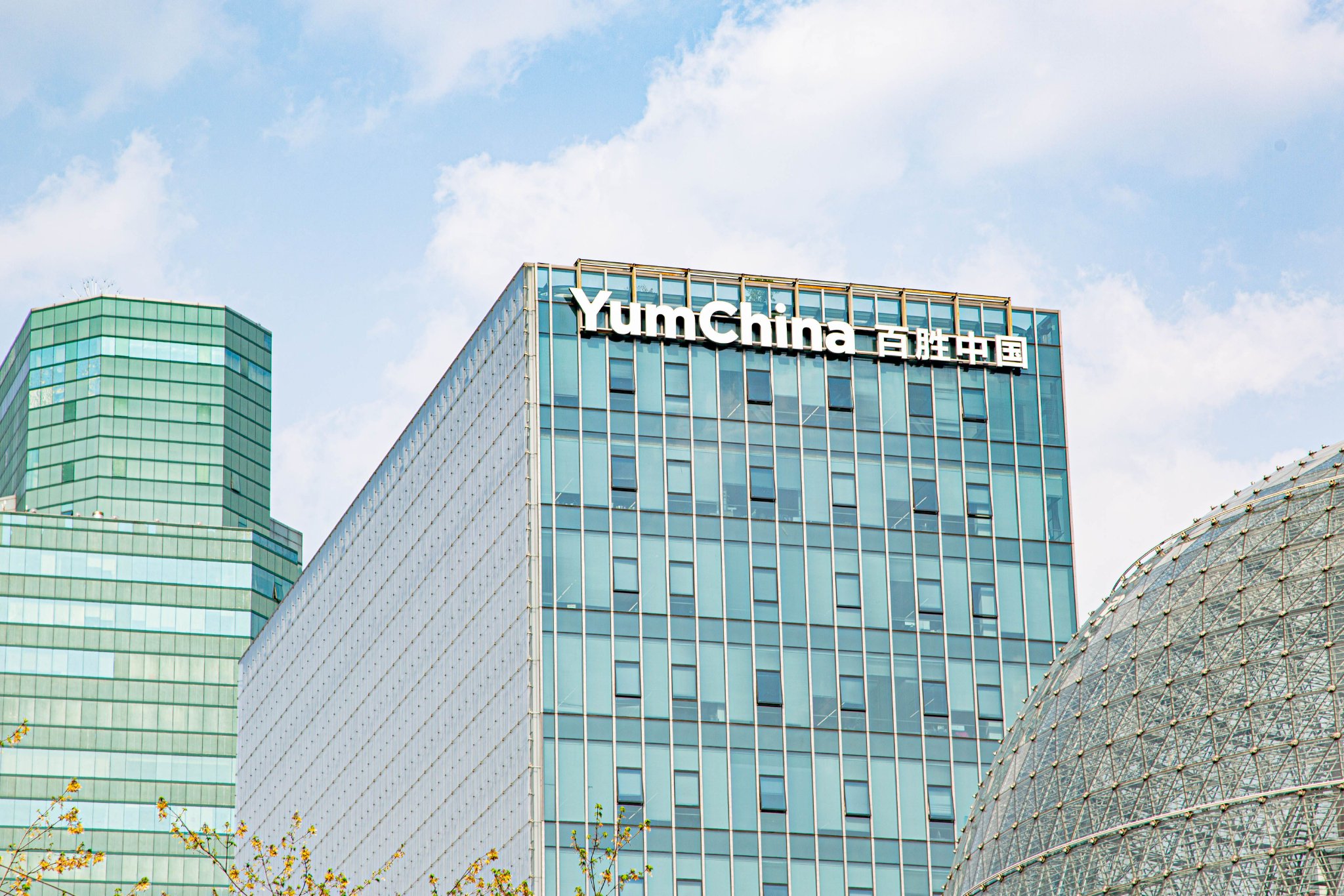
四季度经营利润增长25% ,全年业绩强劲增长,百胜中国2026年迈向两万店
2 1 Shi Ji Jing Ji Bao Dao· 2026-02-04 12:47
Core Insights - Yum China Holdings, Inc. reported a significant increase in operating profit by 25% year-on-year for Q4 2025, with same-store sales growing for the third consecutive quarter [1] - The company achieved an annual operating profit of $1.3 billion, reflecting a robust 11% year-on-year growth, and expanded its store network to 18,101 locations across over 2,500 cities in China [1] - CEO Joey Wat emphasized the company's commitment to a combination of self-operated and franchised stores, aiming to exceed 20,000 stores by 2026 and over 30,000 by 2030, while focusing on innovation and efficiency through the RGM3.0 strategy [1] Financial Performance - In Q4 2025, KFC continued its strong growth, driven by popular core products and innovative offerings, contributing to overall sales and repeat purchases [2] - Pizza Hut's system sales increased by 6% year-on-year in Q4 2025, with same-store transaction volume rising by 13%, marking twelve consecutive quarters of growth and over 50% increase in operating profit [4] Expansion Strategies - KFC's coffee brand, KFC Coffee, expanded from approximately 700 to 2,200 locations in 2025, becoming one of the fastest-growing segments [4] - Pizza Hut's "WOW" model facilitated rapid expansion into lower-tier cities, focusing on a simplified menu and lower operational costs [6] - The company plans to accelerate franchise expansion, with the proportion of franchise stores increasing from 25% in 2024 to 36% in 2025, while self-operated stores remain the core of the business [8] Innovation and Technology - The integration of generative AI, such as the Q-Rui system, is enhancing operational efficiency by analyzing data and providing actionable insights [9] - The KFC Super App's smart ordering assistant, "Xiao K," has been adopted by 2 million members, improving customer experience with personalized recommendations [9] Product Development - In 2025, the company launched approximately 600 new or upgraded products, showcasing its commitment to long-term innovation [1] - New product offerings for the Spring Festival include KFC's "Spring Festival Bucket" and Pizza Hut's "Fortune Lava Mountain Pizza," designed to enhance festive dining experiences [11] Future Outlook - The CFO expressed confidence in surpassing 20,000 stores by 2026, with a focus on low-tier cities and strategic locations, while maintaining a cautious optimism for Q1 2026 performance [13]

百胜中国发布全年业绩:经营利润增长11% 2025年突破18000店 2026年迈向20000店
Xin Lang Cai Jing· 2026-02-04 12:31
Core Insights - Yum China Holdings, Inc. reported a significant increase in operating profit by 25% year-over-year for Q4 2025, with same-store sales growing for the third consecutive quarter [1][3] - The company achieved an annual operating profit of $1.3 billion, reflecting a robust 11% year-over-year growth, and opened 1,706 new stores, expanding its network to 18,101 locations across over 2,500 cities in China [1][3] Group 1: Financial Performance - In Q4 2025, Yum China's operating profit rose by 25% year-over-year, marking a strong finish for the year [1][3] - The total operating profit for 2025 reached $1.3 billion, which is an 11% increase compared to the previous year [1][3] - The company opened 1,706 new stores in 2025, increasing its total store count to 18,101 [1][3] Group 2: Strategic Initiatives - CEO Joey Wat emphasized the goal of exceeding 20,000 stores by 2026 and over 30,000 by 2030, focusing on low-tier cities and market expansion [1][4] - The company is implementing the RGM 3.0 strategy, which focuses on innovation and efficiency [1][4] - The "Gemini" model, which pairs KFC and Pizza Hut locations, was piloted to support entry into low-tier cities, with approximately 40 pairs opened in 2025 [2][6] Group 3: Brand Performance - KFC continued its strong growth in 2025, with a focus on popular menu items driving sales and repeat purchases [4][5] - The expansion of KFC's coffee business, from about 700 to 2,200 locations, has made it one of the fastest-growing segments [4][5] - Pizza Hut's system sales increased by 6% year-over-year in Q4 2025, with same-store transaction volume rising by 13%, marking twelve consecutive quarters of growth [5]
百胜中国(09987):首次覆盖报告:长期主义穿越周期,创新提效强化竞争
Western Securities· 2026-02-02 05:00
Investment Rating - The report assigns a "Buy" rating for Yum China (09987.HK) [6] Core Insights - The Western fast food industry is expected to expand significantly, with a market size projected to exceed 300 billion yuan by 2025, reflecting a year-on-year growth of 10.3% [1] - Yum China holds a leading market share of 27.5% in the fast food sector, with a high concentration of market power among top brands [1][27] - The company has a strong local innovation capability and a mature supply chain, supporting healthy profitability across its stores [2][29] - The expansion into lower-tier markets is accelerating, with new store formats like KFC Mini and Pizza Hut WOW being introduced [3][29] Summary by Sections 1. Industry Expansion and Market Concentration - The Western fast food market is projected to grow at a compound annual growth rate (CAGR) of 8% from 2020 to 2025, with fast food leading the growth among various segments [21] - The market concentration is increasing, with the top five brands expected to account for 44% of the market share by 2024 [27] 2. Brand Stability and Shareholder Returns - As of Q3 2025, Yum China operates 17,514 stores, with a CAGR of 9% from 2014 to 2024 [2] - The company reported a free cash flow of $1.517 billion in 2024, achieving a shareholder return rate of 166.49% [2] - The membership base reached 575 million, contributing to 57% of sales, indicating strong customer loyalty [2] 3. Accelerated Expansion in Lower-Tier Markets - The introduction of smaller store formats is aimed at penetrating lower-tier cities, with franchise models becoming a core growth engine [3] - The overall restaurant profit margin was reported at 17.3% as of Q3 2025, with continuous improvement in cost control [3] 4. Investment Recommendations - The report anticipates revenues of $11.7 billion, $12.4 billion, and $13.1 billion for 2025, 2026, and 2027 respectively, with net profits of $925 million, $1 billion, and $1.08 billion [4][17] - The current price corresponds to a price-to-earnings (P/E) ratio of 19, 18, and 16 for the years 2025, 2026, and 2027 respectively, reflecting a strong growth outlook [17]
冷饮更贵!肯德基1元差价遭声讨,冰块刺客?
新浪财经· 2025-09-06 08:49
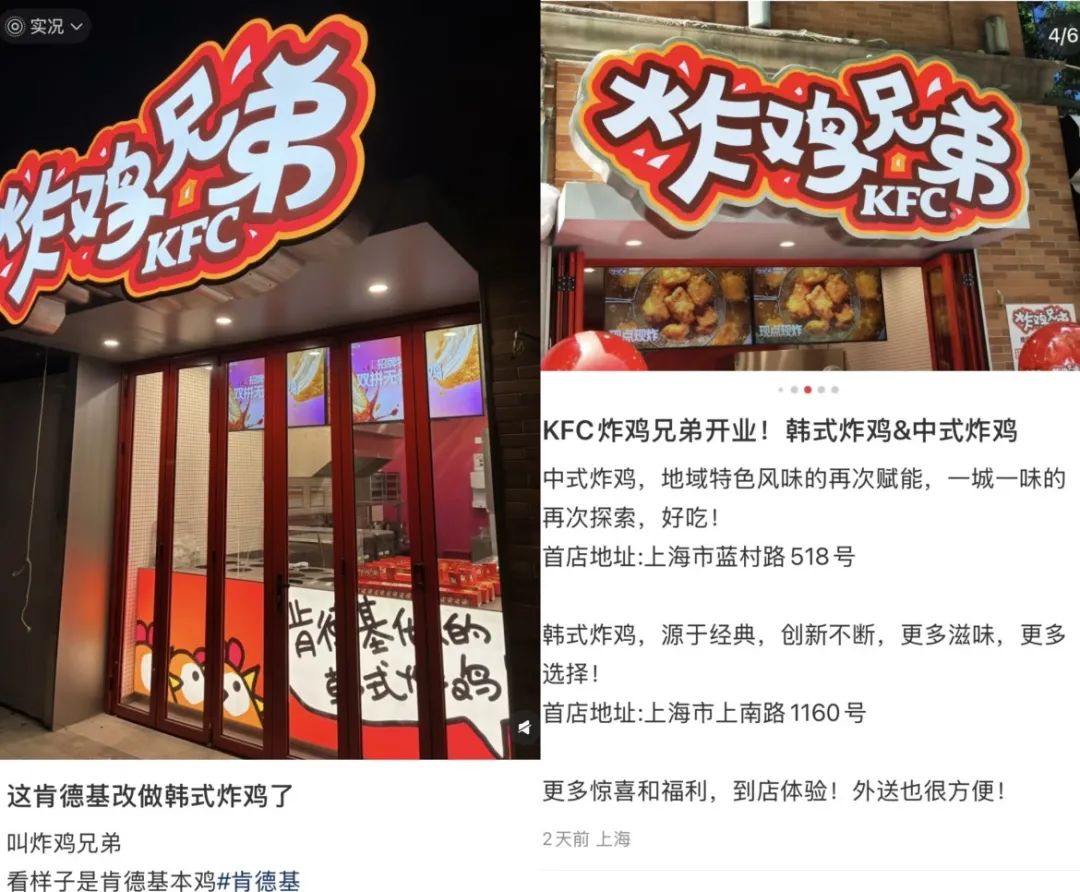
Core Viewpoint - The pricing discrepancy between iced and hot soy milk at KFC has sparked widespread consumer confusion and criticism, with many questioning the rationale behind the higher price for iced soy milk, leading to increased customer complaints and even the removal of the iced product from some locations [2][4][6]. Pricing Discrepancy - KFC has maintained a pricing policy where iced soy milk is priced one yuan higher than hot soy milk, which has been a longstanding practice [2][7]. - Some KFC staff indicated that the difference in cup size and capacity accounts for the price variation, although specific measurements were not provided [2][7]. Customer Complaints - KFC has faced a significant number of customer complaints, with over 20,000 reported issues related to food quality, service, and order errors, indicating a gap between service quality and consumer expectations [8][9]. - Complaints include the presence of foreign objects in food, unresponsive customer service, and complicated refund processes, which have contributed to negative consumer experiences [9]. Sales Performance - Despite quality control issues, KFC continues to expand aggressively, with a reported 3% increase in sales and a 2% increase in total revenue to $5.8 billion in the first half of 2025 [11]. - The growth in sales is primarily attributed to store expansion rather than organic growth, with KFC's store count reaching 12,238 and a net addition of 295 stores in the second quarter [12]. New Market Strategies - KFC is diversifying its offerings by entering the fried chicken market with new stores branded as "Fried Chicken Brothers," indicating a strategic shift to adapt to market changes [14]. - The company is also increasing its focus on franchise operations, with a goal of having 40-50% of new stores as franchises in the coming years [12].
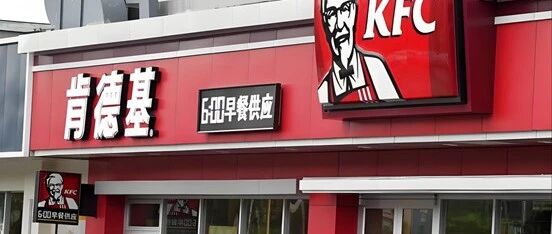
肯德基炸鸡兄弟上海开业,20平外卖店客单价30元
Bei Ke Cai Jing· 2025-08-19 10:51
Group 1 - KFC has launched a new sub-brand called "KFC Fried Chicken Brothers" in Shanghai, featuring two small takeaway stores with an area of approximately 20 square meters each, focusing on delivery and self-pickup services [1][2] - The new stores offer both Chinese and Korean-style fried chicken, with an average customer spending of around 30 yuan, and operate from 11 AM to 2 AM, targeting the late-night snack market [1][2] - The trademark for "KFC Fried Chicken Brothers" is registered under KFC International Holdings LLC, with the application date set for July 2, 2025, and is currently awaiting substantive examination [2] Group 2 - The fried chicken market in China has seen significant growth, with the market size increasing from 300.066 billion yuan in 2019 to 479.6 billion yuan in 2024, reflecting a compound annual growth rate of 8.13% [2] - It is projected that the market size will further expand to 921.663 billion yuan between 2025 and 2028, indicating strong future growth potential in the sector [2] - KFC has previously diversified its brand portfolio with other sub-brands like KCOFFEE and KPRO, each targeting different market segments, which has contributed positively to customer traffic and profitability [3]

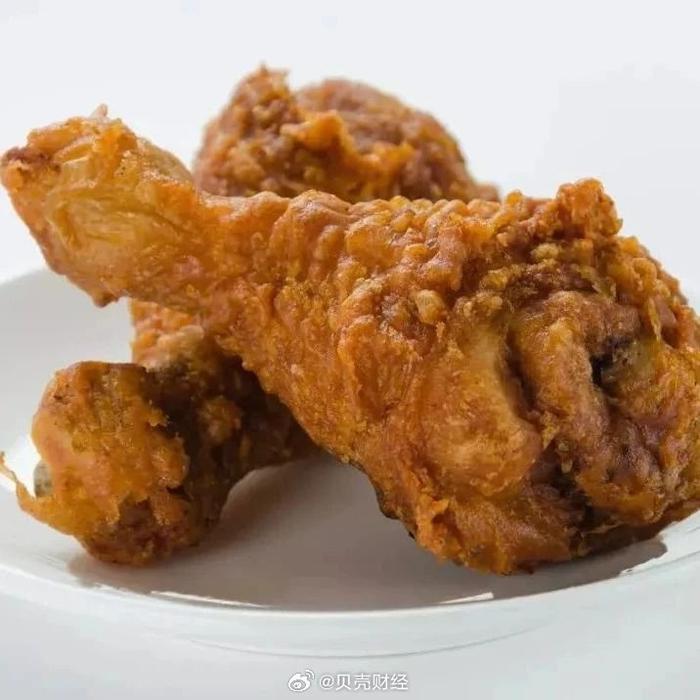
肯德基推出全新子品牌切入近5000亿市场,这回要卖韩式和中式炸鸡
3 6 Ke· 2025-08-18 23:54
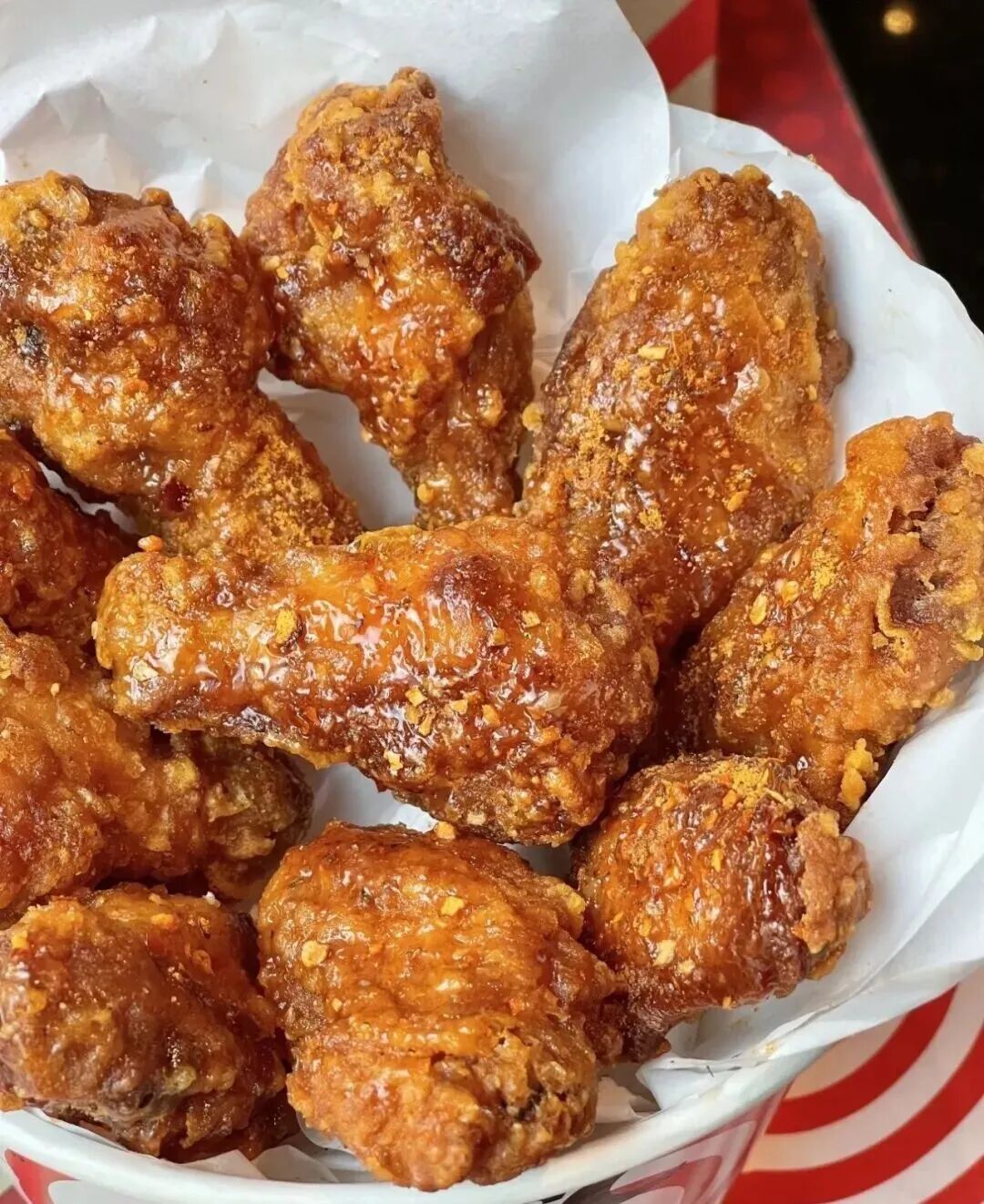
Core Viewpoint - KFC has launched a new sub-brand called "KFC Fried Chicken Brothers" in Shanghai, targeting the fried chicken segment with both Chinese and Korean styles [1][3][4] Sub-brand Details - The new brand includes two stores: one focusing on Chinese fried chicken and the other on Korean fried chicken, both operating from 11:00 AM to 2:00 AM, catering to late-night dining [4][6] - The Chinese fried chicken menu features items like fried chicken legs and various skewers, with an average spending of approximately 27 yuan per person [4] - The Korean fried chicken menu emphasizes sauces, offering eight different sauce options, with an average spending of around 30 yuan per person [6] Market Context - The fried chicken market in China is projected to grow from 300 billion yuan in 2019 to 479.6 billion yuan by 2024, with a compound annual growth rate of 8.13% [8] - KFC aims to capture the potential opportunities in the fried chicken segment by leveraging its brand recognition and existing supply chain [10][16] Competitive Landscape - KFC Fried Chicken Brothers faces competition from established local brands in the Chinese fried chicken market, which have seen significant growth [13][14] - The brand's competitive advantage lies in its association with KFC, which can help it gain consumer trust quickly [16] Brand Strategy - KFC has been diversifying its brand portfolio with various sub-brands, including KCOFFEE and KPRO, to explore different market opportunities [17][19] - The company is expanding its sub-brands after testing viable business models, indicating confidence in their growth potential [19][22]