
肯德基汉堡

Search documents
平台补贴退潮!你的外卖要涨价了?
2 1 Shi Ji Jing Ji Bao Dao· 2026-02-08 00:49
Core Viewpoint - Major restaurant chains are increasing prices due to rising costs associated with the growing reliance on delivery services, which has significantly impacted their profit margins [1][2]. Group 1: Price Adjustments by Major Chains - KFC announced a price adjustment for its delivery products, while McDonald's raised prices at the end of last year, and even budget-friendly chain Salvia plans to increase menu prices by 1-2 yuan by 2025 [1]. - In 2025, Yum China reported a 25% year-on-year increase in delivery sales, which now account for 48% of restaurant revenue, indicating a strong dependency on delivery services [2]. - In the fourth quarter, KFC and Pizza Hut saw delivery sales account for 53% and 54% of their total sales, respectively, highlighting the increasing reliance on delivery [2]. Group 2: Impact on Smaller Businesses - Smaller businesses are facing even more severe challenges, with reports of a 60% drop in pure profits during intense delivery competition [2]. - Many small merchants are forced to adjust prices covertly by introducing high-margin meal sets as a means to increase prices without direct announcements [2]. Group 3: Consumer Perception and Market Dynamics - Major brands are publicly adjusting prices to reclaim pricing power, while smaller businesses are restructuring their product offerings to rebuild profit models [3]. - Consumer perception is becoming a significant challenge, as many customers have fixed price points in mind, making it difficult for brands to implement rational pricing adjustments [3]. - The convenience of delivery has altered consumer habits, making dine-in prices appear disproportionately high in comparison [3].
年终盘点|回归商业本质:餐饮业新业务、现炒与降价的突围战
Sou Hu Cai Jing· 2025-12-31 09:18
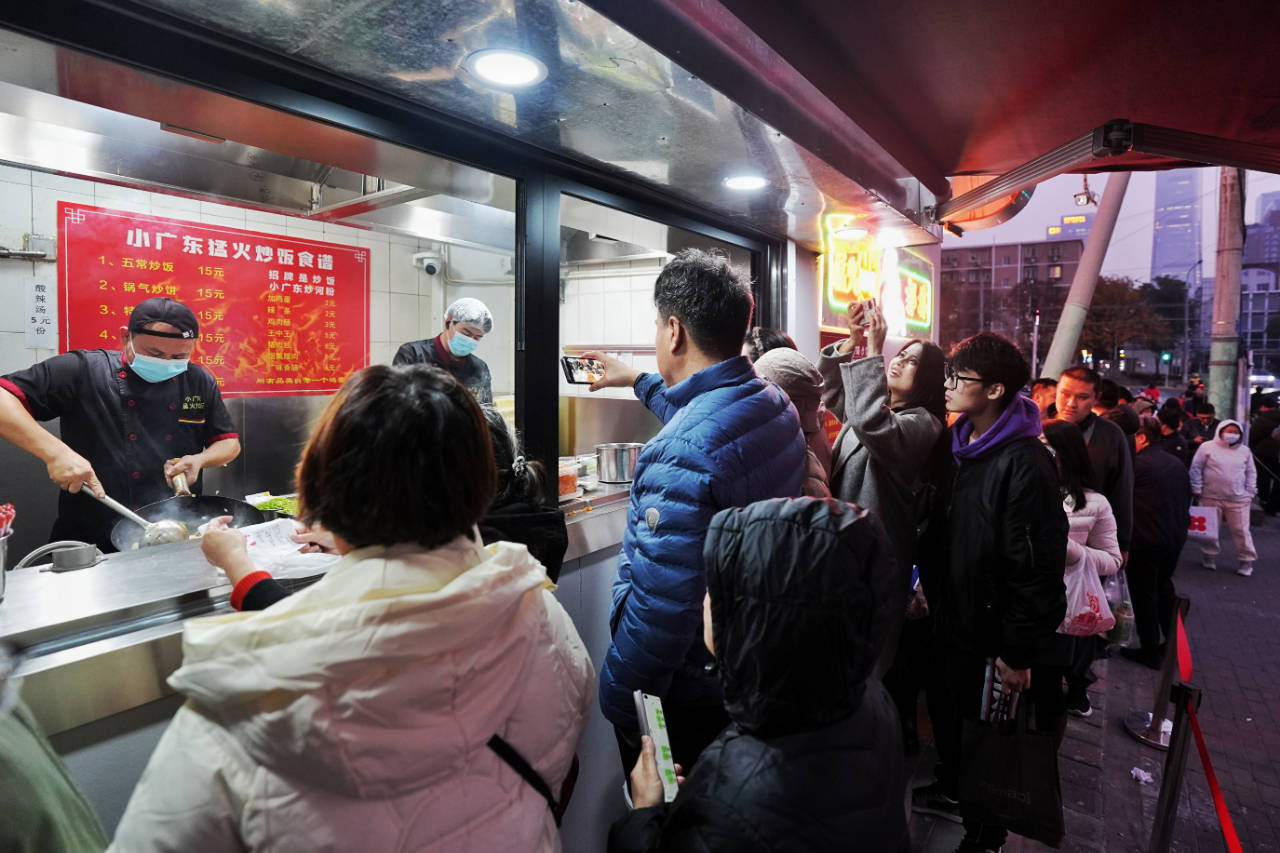
Core Insights - The restaurant industry in China is facing significant operational pressures in 2025, prompting companies to adopt various self-rescue strategies to regain consumer trust and focus on core business principles [1] Group 1: New Business Models - Major brands are launching sub-brands to explore new growth avenues, such as "Xiao Ma Liu" by Ma Liu Ji, which focuses on a lighter dining experience with a lower average spend of around 60 yuan compared to the main brand's 100 yuan [2] - Haidilao has opened community stores and a new style of hot pot restaurant, successfully diversifying into 14 different restaurant brands under its "Red Pomegranate Plan," generating 597 million yuan in revenue, a 227% year-on-year increase [2] - The introduction of new dining concepts like "Xiaboo Ranch" by Xiaoboo and "Bisheng Grilled Skewers" reflects a trend towards offering high-quality yet affordable dining experiences aimed at younger consumers [3] Group 2: Price Adjustments - Many restaurant brands have quietly reduced prices in response to declining customer spending, with notable examples including Jiumaojiu's price cuts and He Fu's 30% reduction in main product prices [4][5] - The average customer spending in the Chinese dining sector has seen a significant decline, with traditional Chinese dining experiencing a 29.5% drop in average spending since 2023 [5] Group 3: Shift Towards Freshly Cooked Meals - There is a growing consumer demand for freshly cooked meals, leading to a resurgence of "freshly stir-fried" offerings in the market, as seen with brands like Xi Bei and various noodle shops [6][7] - The trend towards "freshly cooked" is also influencing the takeaway sector, with companies like Qixian Xiaochu emphasizing fresh ingredients and transparent cooking processes [7] Group 4: Market Outlook - The overall revenue for the restaurant industry is projected to achieve low single-digit growth, reaching 5.7 trillion yuan in 2025, despite a high closure rate of restaurants [3] - Industry experts believe that returning to quality and service fundamentals will be crucial for companies to navigate the competitive landscape and seize new opportunities [8]


晚点财经丨3万亿市值公司只剩苹果;肯德基、必胜客开低价店;Google败诉,反垄断大战开场
晚点LatePost· 2024-08-07 07:08
市场从恐惧到贪婪,看起来只用一天。 3 万亿市值公司只剩苹果 肯德基开低价加盟店 Google 败诉,反垄断大战开场 腾讯、阿里继续联手投大模型 华为发布享界 S9,和北汽合作模式升级 关注《晚点财经》并设为星标,第一时间获取每日商业精华。 8 月 6 日日经 225 指数期货和韩国创业板指(KOSDAQ)涨到熔断,两国指数本身开盘后奔着收复前一 天的跌幅而去 —— 但都失败了 —— 日经 225 指数收涨 10.23%(前一天跌 12.4%),韩国综合指数涨 3.3%(前一天跌 8.75%)。 不过指数经历一个跌停板后,需要涨 11.1% 才能回到原来点位。 3 万亿市值公司只剩苹果 今天 A 股创业板涨 1.25%、沪深 300 跌了 0.01%。北京时间下午开盘的欧洲股市没有延续亚太市场的乐 观。英国、法国、德国以及欧元区 STOXX 50 指数不同程度下跌。 经过这轮大跌之后,现在只有苹果市值还在 3 万亿美元之上 (美股 8 月 6 日开盘后一度跌破)。包括苹 果在内,全球市值前十公司(不含沙特阿美)在周一少了超过 7017 亿美元市值。不过,这些公司目前 合计市值还是较年初多了 2.86 万亿美元 ...


