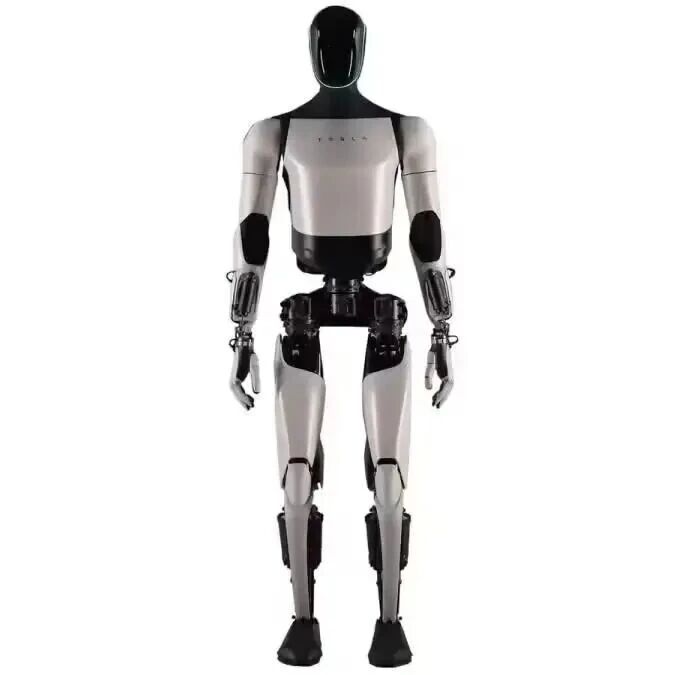
脑机接口产品NEO

Search documents
未来产业周报第 9 期(2026/2/1-2026/2/7):量子互联网可扩展性进步;侵入式脑机迈入商业化阶段-20260209
Shenwan Hongyuan Securities· 2026-02-09 09:52
Quantum Technology - The team from the University of Science and Technology of China achieved significant breakthroughs in scalable quantum networks, including the construction of a basic module for scalable quantum repeaters, which realized an entanglement lifetime of 550 milliseconds, surpassing the establishment time of 450 milliseconds, thus overcoming a core bottleneck in quantum network expansion [4][5] - The team also achieved device-independent quantum key distribution (DI-QKD) over a 100-kilometer fiber link, improving the distance by over 100 times compared to previous best experimental levels, marking a milestone in quantum communication and expanding China's international leading position in this field [4][5] Biomanufacturing - The Shenzhen Advanced Institute of Technology developed a programmable integration platform for functional molecules, enabling applications in biomanufacturing, biosensing, and flexible electronics. This platform combines metabolic sugar engineering with click chemistry, allowing for precise covalent integration of various functional molecules [6][7] - OpenAI partnered with Ginkgo Bioworks to create an AI-driven automated experimental system that reduced the production cost of cell-free protein synthesis (CFPS) by approximately 40% and reagent costs by 57% [8] Hydrogen Energy and Nuclear Fusion - The Zhongneng Construction's Songyuan Hydrogen Energy Industrial Park project has produced over 10,000 tons of green ammonia and received EU certification, validating the integrated commercial loop of green electricity, green hydrogen, and green ammonia [9][10] - Shenzhen University's team achieved important breakthroughs in the preparation of key materials and components for fusion reactors, mastering mature technology for the first wall of fusion reactors, which will support domestic fusion reactor construction and development [10] Brain-Computer Interface - Borui Kang initiated the listing guidance process, marking a shift from research investment to market expansion for brain-computer interface technology. The company’s NEO product has completed over 32 implant surgeries with no adverse reactions, demonstrating the safety and feasibility of its minimally invasive implantation method [12][14] - Research from the Chinese Academy of Sciences established a new optogenetic technology for visual brain-computer interfaces, allowing for high-precision, long-term optical stimulation of the visual cortex, representing a significant advancement in sensory information input technology [15][17] Embodied Intelligence - Microsoft Research released a new robot model, Rho-alpha, which integrates multimodal perception capabilities, including visual, language, and tactile data, aimed at enhancing the application of embodied intelligence in unstructured environments [19] 6G and Commercial Space - The Beijing University of Posts and Telecommunications made significant progress in 6G channel modeling, with their model being included in the international 6G standard system by 3GPP [20] - The FCC accepted SpaceX's application for an orbital data center, which aims to create a satellite constellation of up to 1 million satellites to support advanced AI models and applications, indicating rapid regulatory progress [22]


IPO周报 | 卓正医疗登陆港交所;天仪研究院、博睿康启动A股IPO
IPO早知道· 2026-02-08 13:20
Group 1: IPO Overview - Zhuozheng Medical Holdings Limited (Zhuozheng Medical) was listed on the Hong Kong Stock Exchange on February 6, 2026, under the stock code "2677" [3] - The IPO raised a total of HKD 284 million by issuing 4,750,000 shares, with a subscription rate of 2730.73 times for the Hong Kong public offering and 5.79 times for the international offering [3] - Zhuozheng Medical's cornerstone investors include notable figures and companies such as He Xiaopeng, CEO of Xiaopeng Motors, and leading firms in the AI sector [4] Group 2: Company Performance - Zhuozheng Medical focuses on the high-end medical service market, targeting affluent consumers who prefer personalized healthcare [4] - The company ranked first and second among private high-end comprehensive medical service institutions in China based on the number of cities covered and patient visits projected for 2024 [4] - Revenue figures for Zhuozheng Medical from 2022 to 2024 are as follows: CNY 473 million, CNY 690 million, and CNY 959 million, with a compound annual growth rate (CAGR) of 42.2% [4] - Gross profit for the same period was CNY 44 million, CNY 134 million, and CNY 226 million, with a CAGR of 126.7% [4] - The company achieved profitability in 2024, with an adjusted net profit of approximately CNY 10.45 million in the first eight months of 2025 [4] Group 3: North Star Life - North Star Life Technology Co., Ltd. (North Star Life) was listed on the Shanghai Stock Exchange's Sci-Tech Innovation Board on February 5, 2026, under the stock code "688712.SH" [6] - North Star Life specializes in innovative medical devices for cardiovascular disease diagnosis and treatment, having launched 11 products and having 6 in development as of September 30, 2025 [6][8] - The company's core products include the IVUS system and FFR system, both of which are recognized as leading innovations in China [7] Group 4: LuKe Technology - LuKe Technology (Beijing) Co., Ltd. (LuKe Technology) submitted its prospectus for listing on the Hong Kong Stock Exchange on February 6, 2026 [10] - Established in 2014, LuKe Technology focuses on smart locks and home security solutions, leading the market in China with a 5.8% share in 2024 [11] - The company reported revenues of CNY 1.015 billion in 2023 and CNY 1.086 billion in 2024, with a projected increase in revenue for the first three quarters of 2025 [11] Group 5: Tianyi Space Technology - Tianyi Space Technology Co., Ltd. (Tianyi Research Institute) signed a counseling agreement to initiate its A-share IPO process on January 27, 2026 [14] - The company has successfully launched 38 satellites, filling a gap in China's commercial SAR satellite market [15] - Tianyi's services include high-quality SAR data for various applications, contributing to disaster prevention and infrastructure monitoring [15] Group 6: BoRuiKang Technology - BoRuiKang Technology (Shanghai) Co., Ltd. (BoRuiKang) initiated its IPO process on the Sci-Tech Innovation Board on February 4, 2026 [18] - The company specializes in brain-machine interface technology and has successfully conducted surgeries using its product, NEO, in multiple hospitals [19] - BoRuiKang has received significant investments from various venture capital firms and aims to enhance its product capabilities in future iterations [19]


马斯克放话:人类20年内或实现“数字永生”,是科技狂想还是未来已来?
Sou Hu Cai Jing· 2025-11-19 10:43
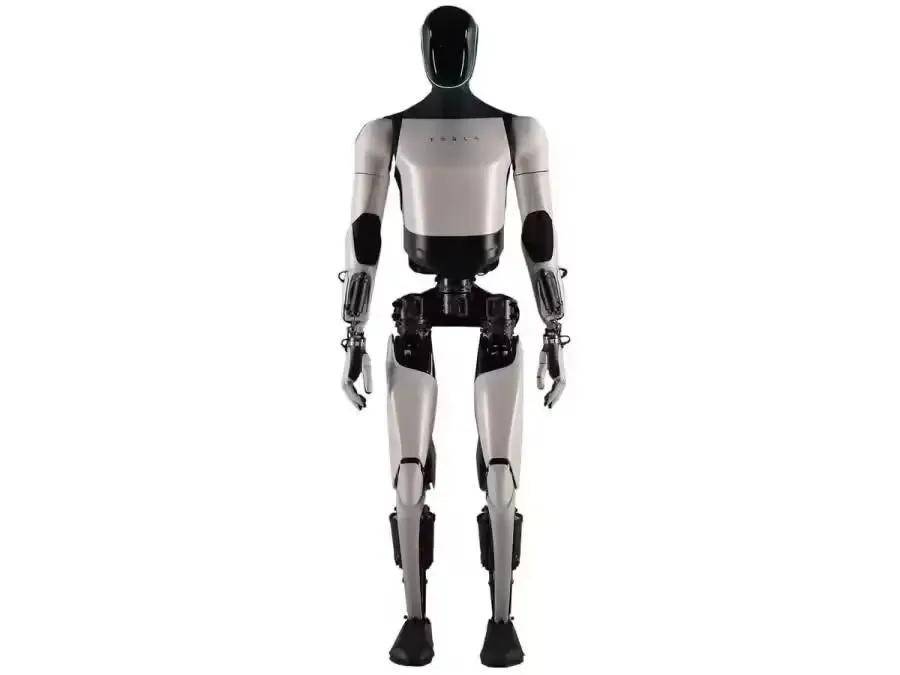
Core Insights - Elon Musk predicts that humanity may achieve "digital immortality" within 20 years through Neuralink's technology, which involves creating a "snapshot" of consciousness and uploading it to Tesla's humanoid robot, Optimus [1] - The concept of digital immortality integrates advanced technologies from Neuralink and Optimus, emphasizing that this form of immortality is not a perfect copy of the original self [1] Technical Pathway Analysis - The process of achieving digital immortality involves several key technological challenges, starting with breakthroughs in brain-computer interface (BCI) signal acquisition [3] - Current Neuralink devices can capture signals through 256 channels, but to fully simulate the human brain, this needs to increase to a million channels, necessitating revolutionary advancements in electrode materials [3] - Consciousness modeling is categorized into four progressive levels, with current digital immortality products only reaching Level 1, while true consciousness uploading requires advancements to Level 3 or 4 [5] Clinical Breakthroughs - Brain-computer interfaces have shown significant value in medical applications, exemplified by a clinical study in China that enabled a paralyzed patient to control a robotic arm using thought [6] Global BCI Competition - The race for brain-computer interface technology is primarily led by the US and China, with implications for future industry leadership [8] - In the US, Neuralink is at the forefront, planning to achieve multi-region implants by 2027 and increase signal channels to 25,000 by 2028, supported by innovations in flexible electrode materials and AI algorithms [9] - In China, government policies are driving BCI development, with significant breakthroughs from companies like Brain Tiger Technology and collaborations with academic institutions [10] Industry Ecosystem Development - The global BCI industry is projected to generate economic value between $70 billion and $200 billion over the next 10 to 20 years, prompting increased investment and strategic planning [11] - The industry is evolving with a focus on high-end medical devices, consumer applications, and supporting technologies, fostering a comprehensive technological ecosystem [21] Ethical and Philosophical Challenges - Digital immortality faces significant technical bottlenecks, including limitations in signal acquisition precision and hardware compatibility, as well as challenges in consciousness modeling [12] - Ethical dilemmas arise regarding identity, social equity, data security, and the fundamental nature of consciousness, questioning whether a digital copy can truly represent the original self [14][15] Future Outlook - Despite the challenges, BCI technology is making strides in medical rehabilitation, enhancing patient quality of life and treatment efficacy [18][19] - The diversification of technological approaches is evident, with innovations in human-machine collaboration and materials science paving the way for new applications [20] - Ethical guidelines are being established alongside technological advancements to ensure responsible development and implementation of BCI technologies [22]
马斯克放话:人类20年内或实现“数字永生”,是科技狂想还是未来已来?
机器人大讲堂· 2025-11-19 09:06
Core Viewpoint - Elon Musk predicts that humanity may achieve "digital immortality" within 20 years through the technologies of his companies Neuralink and Tesla's humanoid robot Optimus, which involves creating a "snapshot" of consciousness and uploading it to a robotic platform [1]. Technical Path Analysis - The process of achieving digital immortality involves several key stages, starting with breakthroughs in brain-computer interface (BCI) signal acquisition, which currently has a maximum of 256 channels but needs to reach millions to fully simulate the human brain [3][6]. - Consciousness modeling is categorized into four progressive levels, with current products only achieving Level 1, while true consciousness uploading requires advancements to Level 3 or 4 [6][8]. - Clinical trials have shown significant progress, such as a 72-year-old patient controlling a robotic arm through thought, laying the groundwork for more complex consciousness signal acquisition [7]. Global BCI Competition - The global race for BCI technology is primarily led by the US and China, focusing on technological leadership and future industrial dominance [9]. - In the US, Neuralink has made strides in allowing patients to control devices with their thoughts and has a roadmap to enhance its technology significantly by 2028 [10]. - China is also advancing rapidly, with government policies supporting BCI development and companies achieving breakthroughs in high-throughput flexible BCIs [11][12]. Industry Ecosystem Development - The global BCI industry is projected to generate economic value between $70 billion and $200 billion over the next 10 to 20 years, prompting increased investment and strategic planning [13]. - As technology matures, the BCI ecosystem is forming, with investments focusing on high-end medical devices, consumer applications, and supporting technologies [23]. Ethical and Technical Challenges - Significant technical challenges remain, including the precision of signal acquisition and hardware compatibility, which hinder the full simulation of brain activity [14]. - Ethical dilemmas arise regarding identity, social equity, and data security, particularly concerning the implications of consciousness uploading and potential societal divides [16][17]. Future Outlook - BCI technology is already making strides in medical rehabilitation, improving patient quality of life and treatment outcomes [20]. - The diversification of technical routes is evident, with innovations combining biological signals and AI to enhance applications in various fields [21]. - Ethical standards are being developed alongside technological advancements to ensure responsible innovation and address potential societal impacts [24].