自如寓

Search documents
自如董事长、CEO熊林:巨量市场里,“窄门”怎么找?
Tai Mei Ti A P P· 2025-12-10 05:36
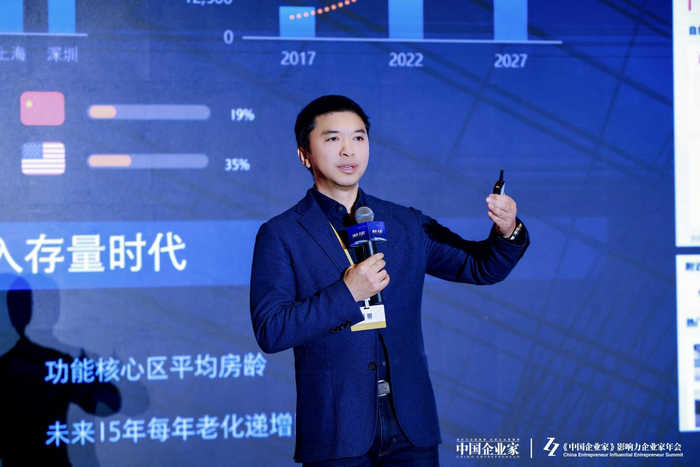
Core Insights - The core message of the speech emphasizes the importance of understanding the market and choosing the right path for business growth, illustrated through the concept of "narrow doors" leading to broader opportunities [2][12]. Group 1: Company Growth and Strategy - The company has achieved a scale of managing 1 million rental units, making it the largest in the world in this sector, reflecting a significant growth trajectory over the past decade [2][6]. - The company focuses on a "narrow door" strategy, which involves specializing in refined operations within the vast rental market, thus establishing itself as China's largest professional housing rental institution [12][14]. - The company has adapted its business model to the changing market conditions, emphasizing the need for structural innovation in response to evolving consumer demands and market dynamics [12][14]. Group 2: Market Insights - China has a total of 350 million housing units, with approximately 30% currently rented out, indicating a massive market potential for rental services [5][13]. - The rental market is expected to grow as housing needs become more fragmented and personalized, leading to increased demand for individual unit updates and rentals [6][13]. - The company has identified a shift in rental demographics, with a growing need for one-bedroom apartments as young professionals transition from shared living arrangements [10][11]. Group 3: Product Development - The company has developed various rental products, such as "Ziroom Youjia" for shared living and "Ziroom Xinshe" for whole-unit rentals, catering to different market segments and needs [8][10]. - The introduction of high-end rental products like "Manshe" targets corporate executives, showcasing the company's ability to diversify its offerings based on market demand [11]. - The company is investing in smart rental communities, aiming to create fully automated living spaces, which reflects a forward-thinking approach to property management [11][14].

租房大萧条,北上广深也扛不住了
Sou Hu Cai Jing· 2025-05-31 20:18
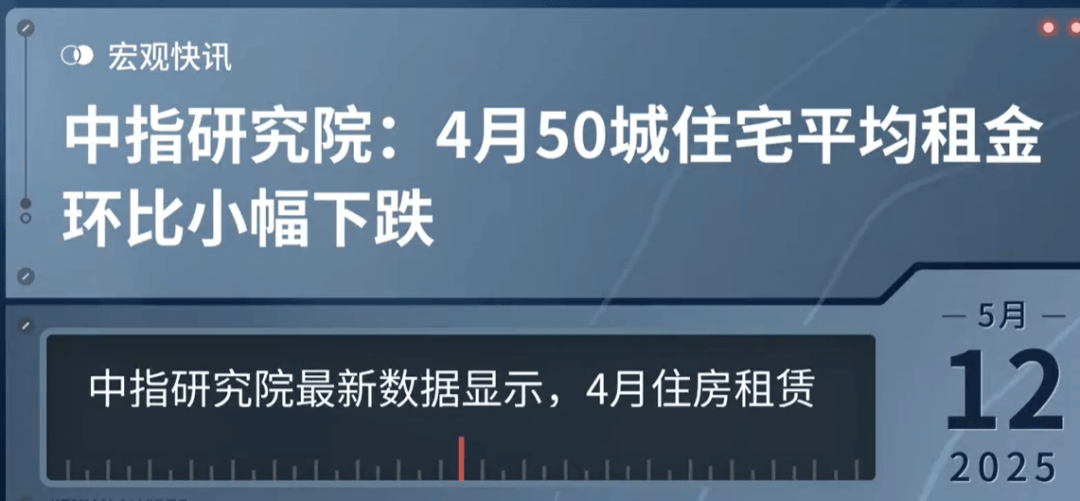
Core Viewpoint - The rental market in China is experiencing a significant decline, with average rents in 50 cities dropping for five consecutive months, indicating a shift from a seller's market to a more balanced one, particularly in first-tier cities [2][12][28]. Group 1: Rental Market Trends - Nationwide average rent in April was 35.2 yuan per square meter per month, down 3.4% year-on-year [2]. - Only two cities, Jiaxing and Shijiazhuang, saw a slight increase in rent, while Sanya experienced the largest decline at 1.1% [4]. - The rental market in first-tier cities like Beijing, Shanghai, Guangzhou, and Shenzhen, which traditionally attracted population inflows, is now facing downward pressure on rents [5][12]. Group 2: Factors Contributing to Rent Decline - Economic uncertainties, including the housing market downturn and external pressures, have increased employment and economic stress, leading to a decline in population in Beijing and Shanghai [14][16]. - A significant increase in housing supply, particularly affordable and public rental housing, is impacting the rental market, with 172,000 units of various types of affordable housing planned for 2024 [17][19]. - Many homeowners are opting to rent out their properties instead of selling, leading to increased competition in the rental market and further driving down rents [22][24]. Group 3: Implications for the Housing Market - The decline in rental income is changing perceptions about homeownership in China, as the financial viability of buying property diminishes with falling rents [28][30]. - The shift towards a rental market could alleviate social tensions and align China more closely with developed countries where renting is more common [33].