
自由贸易账户(FT账户)

Search documents
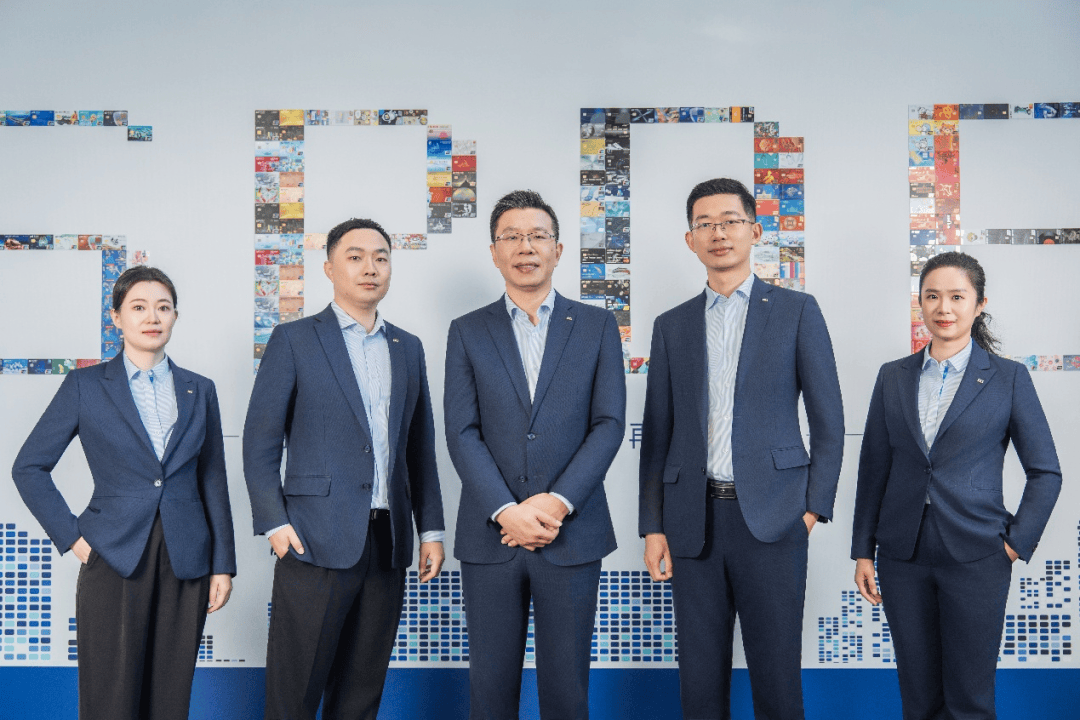
追光浦发人|自贸金融“夺冠”征程,一场不落幕的接力赛
Sou Hu Cai Jing· 2026-01-31 07:23
Core Insights - The establishment of the Shanghai Free Trade Zone in 2013 marked the beginning of China's financial reform and innovation, with the introduction of the Free Trade Account system facilitating cross-border transactions and financing for numerous market participants [4][18] - SPDB has been a leader in the free trade financial sector, successfully launching multiple first-of-their-kind services and products, demonstrating its commitment to financial innovation and support for national open policies [3][18] Group 1: Strategic Positioning - SPDB established a dedicated branch for the Shanghai Free Trade Zone and created specialized teams to enhance its capabilities in cross-border financial services, reflecting its strategic commitment to financial innovation [4][5] - The bank's approach to self-regulation and the establishment of management guidelines for free trade accounts have laid a solid foundation for its business operations [5][6] Group 2: Execution of First Transactions - The concept of "first transactions" has become a core strategy for SPDB, allowing it to capture new market opportunities arising from regulatory innovations, which in turn drives sustainable business growth [6][8] - The bank's proactive engagement in policy discussions and early preparations for new regulations have enabled it to quickly capitalize on emerging opportunities, exemplified by its successful launch of upgraded FT accounts [8][9] Group 3: Collaborative Strategy - SPDB has shifted from a "single-point breakthrough" strategy to a "nationwide collaboration" approach, encouraging all branches to work together to maximize business opportunities across the country [11][12] - The implementation of a unified management model for FT accounts has enhanced operational efficiency and responsiveness to regulatory changes, allowing for rapid deployment of services in new markets [12][14] Group 4: Data-Driven Decision Making - The bank has developed a comprehensive data analysis system to monitor and evaluate its free trade business, providing insights into operational challenges and opportunities for improvement [15][16] - The team's strong commitment to continuous learning and collaboration has been crucial in adapting to the fast-paced changes in policies and market conditions [16][18] Group 5: Achievements and Recognition - SPDB has achieved significant milestones, including being among the top three in the market for free trade deposit and loan business, and has successfully launched over 50 innovative first transactions [18] - The bank has received multiple awards for its contributions to cross-border financial services, underscoring its role in supporting the development of the real economy and promoting institutional openness [18]


上海社融去年多增超千亿 跨境人民币业务量质齐升
Sou Hu Cai Jing· 2026-01-29 16:29
Core Insights - The overall financial operation in Shanghai remains stable in 2025, with several key indicators showing positive changes and structural improvements despite a complex external environment and ongoing domestic economic recovery [1] Financial Support to the Real Economy - In 2025, Shanghai's social financing scale increased by 1,163.2 billion RMB, with a year-on-year increase of 102.1 billion RMB [2] - Direct financing rose by 341.9 billion RMB, accounting for 29.4% of the total financing increase, which is an improvement of approximately 15 percentage points compared to the previous year [2] - The balance of loans in both domestic and foreign currencies reached 13.07 trillion RMB, with a year-on-year growth of 6.5%, slightly above the national average [2] Financing Costs and Structure - The weighted average interest rate for newly issued corporate loans in Shanghai was 2.64% in December 2025, a decrease of 38 basis points year-on-year [3] - The increase in direct financing and the decrease in financing costs reflect a significant structural change in Shanghai's financial market, indicating a shift towards high-quality development [3] Deposit Structure Changes - By the end of December 2025, the balance of deposits in Shanghai reached 24.5 trillion RMB, with a year-on-year growth of 11.3%, surpassing the national growth rate by 2.3 percentage points [4] - The growth rate of demand deposits for households and non-financial enterprises increased significantly, indicating a trend towards more active fund circulation [5] FT Account Function Upgrade - The FT account function upgrade pilot launched in December 2025 has seen stable operations, with cross-border fund payment volumes nearing 50 billion RMB [6] - The upgrade aims to balance convenience and risk management in cross-border fund usage, reflecting Shanghai's efforts to align financial regulations with international standards [6] Cross-Border Financial Activities - In 2025, Shanghai's banks recorded a total foreign-related income and expenditure of 5.66 trillion USD, a year-on-year increase of 14.3%, accounting for over 36% of the national total [7] - The total amount of cross-border RMB transactions reached 32.4 trillion RMB, representing a 9% year-on-year growth and maintaining a 46% share of the national total [7]
上海社融去年多增超千亿,跨境人民币业务量质齐升
Di Yi Cai Jing· 2026-01-29 13:24
Core Viewpoint - In 2025, Shanghai's financial operations remained stable amidst a complex external environment and ongoing domestic economic recovery, with several key indicators showing positive changes and structural improvements [1][2]. Financial Support to the Real Economy - In 2025, Shanghai's total social financing increased by 1,163.2 billion yuan, with a year-on-year increase of 102.1 billion yuan [2]. - Direct financing rose by 341.9 billion yuan, accounting for 29.4% of the financing increase, up approximately 15 percentage points from the previous year [2][3]. - The balance of loans in both domestic and foreign currencies reached 13.07 trillion yuan, growing by 6.5% year-on-year, slightly above the national average [2]. Financing Costs and Structure - The weighted average interest rate for newly issued corporate loans in Shanghai was 2.64% in December 2025, down by 38 basis points year-on-year [3]. - The structure of financing has shifted towards direct financing, with significant increases in net financing from various types of bonds, indicating a deeper and broader financial market [3]. Deposit Structure Changes - By the end of December 2025, the balance of deposits in Shanghai reached 24.5 trillion yuan, growing by 11.3% year-on-year, surpassing the national growth rate by 2.3 percentage points [4][5]. - The growth rate of demand deposits for households and non-financial enterprises increased significantly, while the growth of time deposits declined [5]. FT Account Function Upgrade - The FT account function upgrade pilot launched in December 2025, with 11 banks and 29 enterprises participating, facilitating nearly 50 billion yuan in cross-border fund transfers [6][7]. - The pilot is seen as a significant step in enhancing cross-border financial liberalization and is expected to provide a model for higher-level cross-border fund management mechanisms [7]. Cross-Border Financial Activities - In 2025, Shanghai's banks recorded a total of 5.66 trillion USD in foreign-related receipts and payments, accounting for over 36% of the national total [8]. - The total amount of cross-border RMB transactions reached 32.4 trillion yuan, representing 46% of the national total, with a notable increase in securities investment transactions [9]. Future Outlook - Shanghai aims to deepen the application of the FT account function and expand pilot programs to enhance RMB cross-border payment efficiency and explore higher levels of capital account openness [10].
三年为企减税超21亿!广州南沙三大国家级政策红利加速转化
Sou Hu Cai Jing· 2026-01-12 08:59
Core Insights - The Guangzhou Nansha District is experiencing significant policy effects from the "Nansha Plan," particularly in tax incentives, market access, and financial openness, with key indicators showing accelerated development outcomes [2][3] Tax Incentives - Since the implementation of three regional tax incentive policies in 2022, by the end of November 2025, 60 enterprises in Nansha have benefited from a 15% corporate income tax reduction, resulting in a total tax relief exceeding 2.1 billion yuan [2] - Personal income tax reductions for Hong Kong and Macau residents have reached 150 million yuan, with an average tax burden decrease of over 50% [2] - The Qicheng Hub area has become a popular location for Hong Kong and Macau enterprises, with over 210 registered and settled companies in the Yuexiu iPARK Guangdong-Hong Kong Smart Valley [2] Market Access - The "Nansha Opinions" issued by three national ministries in 2023 have facilitated institutional openings in sectors such as biomedicine and intelligent unmanned systems [3] - Nansha has achieved several national firsts in clinical applications related to cell and gene therapy, including treatments for thalassemia and liver failure [2] - Over 40 well-known enterprises in the cell and gene field have gathered in the district, with multiple stem cell treatment projects entering clinical application stages [2] Financial Openness - The "Nansha Financial 30 Measures" released in May 2025 support the establishment of a cross-border financial hub, leading to significant financial innovations [3] - Nansha successfully executed Guangdong's first foreign currency direct borrowing for a financial leasing company and expanded the foreign debt quota for a subsidiary to nearly 2.5 billion yuan [3] - The Free Trade Account (FT Account) system has opened over 9,700 accounts, with cross-border settlement volume reaching 4.92 trillion yuan, significantly reducing the time for capital settlement for Hong Kong-funded enterprises by over 50% [3] Policy Synergy - The interlinking of tax incentives, relaxed market access, and financial openness has created a comprehensive support system covering industrial incentives, institutional innovation, and financial backing [3] - Nansha aims to continue promoting policy implementation and deepen the integration of Guangdong-Hong Kong-Macau regulations to build a global cooperation platform [3]
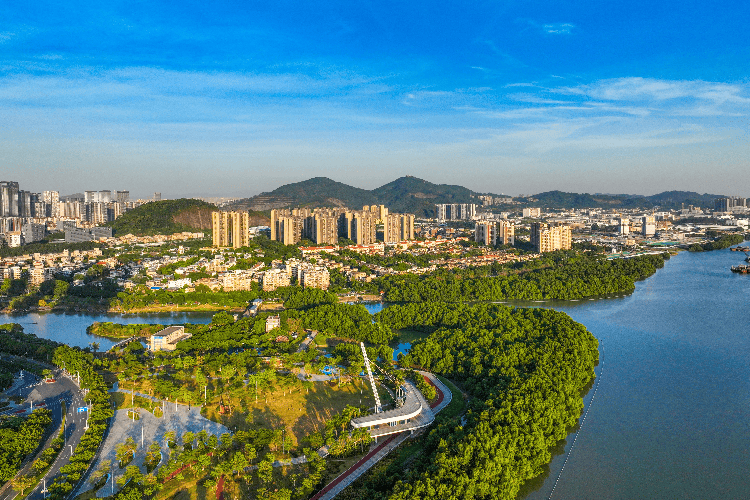
市场准入、金融开放、税收优惠 南沙三大国家级政策红利加速全面释放
Zheng Quan Shi Bao Wang· 2026-01-12 03:09
Core Insights - Nansha has become a significant strategic platform for national development, benefiting from accelerated policy dividends as it achieves the first phase of the "Nansha Plan" [1] Tax Incentives - In 2022, three regional tax incentive policies were introduced, including a reduced corporate income tax rate of 15% for eligible industries starting January 1, 2022 [1] - As of November 2025, 60 enterprises have benefited from the 15% corporate income tax incentive, with a total tax reduction exceeding 2.1 billion yuan [2] - The number of Hong Kong and Macau enterprises in the Nansha area has increased fivefold over three years, with over 210 registered and settled enterprises [1][2] Market Access and Innovation - In 2023, the "Nansha Opinions" were issued to relax market access and enhance regulatory reforms, particularly in the biomedicine and intelligent unmanned systems sectors [2] - Nansha has achieved national firsts in cell and gene therapy, including the first clinical applications for thalassemia and liver failure treatments [2][3] - The implementation of a comprehensive unmanned system management platform is underway, enhancing operational efficiency across various sectors [3] Financial Support and Open Economy - The "Nansha Financial 30 Measures" were introduced in May 2025 to support financial openness and innovation, positioning Nansha as a key international financial hub [3][4] - The Free Trade Account (FT Account) system has opened over 9,700 accounts, facilitating nearly 5 trillion yuan in cross-border settlements [4] - Nansha has pioneered climate financing standards and products, including the first "climate financing + rural revitalization" loans and "green climate loans" [5] Future Development - Nansha aims to create a high-quality development loop integrating industrial incentives, institutional innovation, and financial support, focusing on optimizing the business environment and enhancing cooperation with Hong Kong and Macau [5]