
跨境资金管理

Search documents
上海社融去年多增超千亿 跨境人民币业务量质齐升
Sou Hu Cai Jing· 2026-01-29 16:29
Core Insights - The overall financial operation in Shanghai remains stable in 2025, with several key indicators showing positive changes and structural improvements despite a complex external environment and ongoing domestic economic recovery [1] Financial Support to the Real Economy - In 2025, Shanghai's social financing scale increased by 1,163.2 billion RMB, with a year-on-year increase of 102.1 billion RMB [2] - Direct financing rose by 341.9 billion RMB, accounting for 29.4% of the total financing increase, which is an improvement of approximately 15 percentage points compared to the previous year [2] - The balance of loans in both domestic and foreign currencies reached 13.07 trillion RMB, with a year-on-year growth of 6.5%, slightly above the national average [2] Financing Costs and Structure - The weighted average interest rate for newly issued corporate loans in Shanghai was 2.64% in December 2025, a decrease of 38 basis points year-on-year [3] - The increase in direct financing and the decrease in financing costs reflect a significant structural change in Shanghai's financial market, indicating a shift towards high-quality development [3] Deposit Structure Changes - By the end of December 2025, the balance of deposits in Shanghai reached 24.5 trillion RMB, with a year-on-year growth of 11.3%, surpassing the national growth rate by 2.3 percentage points [4] - The growth rate of demand deposits for households and non-financial enterprises increased significantly, indicating a trend towards more active fund circulation [5] FT Account Function Upgrade - The FT account function upgrade pilot launched in December 2025 has seen stable operations, with cross-border fund payment volumes nearing 50 billion RMB [6] - The upgrade aims to balance convenience and risk management in cross-border fund usage, reflecting Shanghai's efforts to align financial regulations with international standards [6] Cross-Border Financial Activities - In 2025, Shanghai's banks recorded a total foreign-related income and expenditure of 5.66 trillion USD, a year-on-year increase of 14.3%, accounting for over 36% of the national total [7] - The total amount of cross-border RMB transactions reached 32.4 trillion RMB, representing a 9% year-on-year growth and maintaining a 46% share of the national total [7]
建发(海南)国际控股有限公司通过海南自由贸易港跨境资金集中运营中心认定
Sou Hu Cai Jing· 2025-12-30 08:53
Group 1 - The core viewpoint of the news is that Jianfa (Hainan) International Holdings Co., Ltd. has become the first successfully established cross-border capital centralized operation center in Hainan Free Trade Port after its closure, supported by Bank of China Hainan Branch [1][2] - The establishment of this center is significant for the financial system arrangements following the closure of the free trade port and serves as a market demonstration effect [1] - Jianfa (Hainan) International Holdings is a cross-border capital management platform set up by Jianfa Co., Ltd. in Hainan, focusing on capital preservation, risk management, and cross-border fund allocation [1] Group 2 - The successful recognition will enhance Jianfa Co., Ltd.'s global capital allocation efficiency and reduce cross-border operational costs, providing a replicable model for cross-border capital management in Hainan Free Trade Port [2] - The Bank of China will continue to innovate in cross-border financial services, including centralized capital operations and multi-functional free trade accounts, to support the development of quality enterprises in Hainan [2]


国家金融监督管理总局发布《银行业保险业数字金融高质量发展实施方案》;人民币汇率短暂破7|每周金融评论(2025.12.22-2025.12.28)
清华金融评论· 2025-12-29 10:39
Key Points - The core viewpoint of the article emphasizes the implementation of a new digital RMB framework and the continuation of proactive fiscal policies in 2026, aimed at enhancing financial support for economic growth [9][5]. Group 1: Digital RMB Framework - The new digital RMB measurement framework, management system, operational mechanism, and ecosystem will officially be implemented on January 1, 2026 [9]. - The People's Bank of China has validated the feasibility and reliability of the digital RMB through over six years of research and four years of pilot programs, establishing a dual-layer operational structure involving the central bank and commercial financial institutions [10]. Group 2: Fiscal Policy - The Ministry of Finance announced that a more proactive fiscal policy will continue in 2026, focusing on expanding the fiscal expenditure envelope to ensure necessary spending [5][12]. - Key measures include optimizing the government bond tool mix, enhancing the effectiveness of transfer payment funds, and improving the structure of expenditures to support key areas [12]. Group 3: Cross-Border Financing - The People's Bank of China and the State Administration of Foreign Exchange issued a notification to facilitate domestic enterprises in raising funds efficiently in overseas financial markets, including unifying foreign currency fund management policies and simplifying management procedures [10][11]. - The notification aims to reduce cross-border financing costs and enhance financial flexibility for enterprises, promoting the internationalization of the RMB [11]. Group 4: Real Estate Policy - Beijing has adjusted its real estate policies to relax purchasing restrictions for non-local residents and families with multiple children, allowing them to buy additional properties under certain conditions [15]. - This policy aligns with the central government's economic directives and aims to stimulate real estate market activity [15]. Group 5: Market Measures - The Shanghai and Shenzhen Stock Exchanges announced a series of fee reduction measures for 2026, with an estimated total reduction exceeding 1.9 billion yuan, aimed at lowering costs for listed companies and investors [16]. - These measures are intended to enhance market liquidity and support the real economy by reducing transaction costs [16][17]. Group 6: Currency Exchange Rate - The offshore RMB briefly surpassed the 7 yuan mark against the US dollar, reflecting a combination of external pressures easing and internal economic resilience [18]. - The recent appreciation of the RMB is attributed to a shift in market expectations regarding the US dollar, particularly in light of anticipated interest rate cuts by the Federal Reserve [18].


新华鲜报|利好跨国公司!这项跨境资金管理政策全国推广
Xin Hua She· 2025-12-26 14:14
Core Viewpoint - The People's Bank of China and the State Administration of Foreign Exchange have announced the nationwide promotion of the integrated currency pool business for multinational companies, which aims to enhance the management and operation of funds in cross-border investments and trade [1][2]. Group 1: Benefits of Nationwide Implementation - The transition from "local pilot" to "full coverage" is expected to leverage the scale effect of centralized funds, improving the onshore collection of global funds and the security of fund settlements [2]. - The policy allows host enterprises to centrally manage both domestic and foreign currency funds of their member companies, enabling unified scheduling and utilization [2]. - Companies like CATL have reported significant improvements in fund transfer efficiency, with over $3 billion in cross-border fund allocation achieved within six months of implementing the new fund pool [2]. Group 2: Cost Efficiency and Simplification - The policy is anticipated to significantly reduce financial costs and enhance fund utilization efficiency by adjusting the external debt and overseas lending limits for multinational companies [2]. - Multinational companies can manage regular fund collections and net settlement through the host enterprise based on operational needs [2]. - The implementation of the integrated currency pool has simplified business procedures, shifting more operations from pre-approval to post-management, thereby lowering institutional transaction costs [2][3]. Group 3: Operational Efficiency - Companies like Guangdong Haida Group have reported that the time for cross-border fund allocation has been reduced from several days to real-time, greatly enhancing fund utilization efficiency [3]. - The transition to nationwide promotion is seen as a result of institutional innovation based on previous pilot experiences, reflecting a commitment to institutional openness [3].
跨国公司大利好!即日起全国推广,央行、国家外汇局刚刚宣布
21世纪经济报道· 2025-12-26 12:31
Core Viewpoint - The People's Bank of China and the State Administration of Foreign Exchange have announced the nationwide promotion of the integrated currency pool business for multinational companies, enhancing the convenience of centralized management of domestic and foreign funds [2][3]. Group 1: Policy Overview - The integrated currency pool business allows multinational companies to manage domestic and foreign currency funds centrally, improving the efficiency of cross-border fund utilization while mitigating risks [2][3]. - As of September, 98 multinational companies have engaged in this business, benefiting nearly 5,000 member enterprises [3]. - The policy aims to enhance the efficiency of cross-border fund utilization for large multinational companies and reduce foreign exchange risks and financial costs [3]. Group 2: Implementation Conditions - Multinational companies must meet nine criteria to engage in the integrated currency pool business, including having a genuine business need and a robust cross-border fund management structure [5]. - Companies must also meet specific financial thresholds, such as a combined international payment scale of at least 7 billion RMB and a total revenue of at least 10 billion RMB for domestic members [5]. Group 3: Key Features of the Policy - The policy framework includes unified management of the integrated currency pool business and encourages the use of local currency for transactions [5]. - The notification simplifies the process for companies to manage capital project foreign exchange payments, significantly reducing the time required for fund transfers [6]. - The policy allows for the centralized management of foreign debt and overseas lending limits, enabling companies to efficiently allocate funds [6][7]. Group 4: Benefits to Companies - The integrated currency pool can significantly enhance fund utilization efficiency, allowing companies to reduce fund stagnation and improve overall turnover rates [10]. - Companies like Haida Group have reported that the policy has enabled real-time fund transfers, improving creditworthiness and reducing risks associated with overseas funds [10]. - The policy also helps companies lower operational costs by eliminating the need for multiple fund pools and account systems, thus reducing management fees and cross-border exchange costs [10]. Group 5: Future Directions - The State Administration of Foreign Exchange plans to strengthen business guidance and promote understanding of the integrated currency pool policy among enterprises [12]. - The policy is seen as a financial engine for enhancing high-level openness and supporting the "going global" strategy of companies [12].


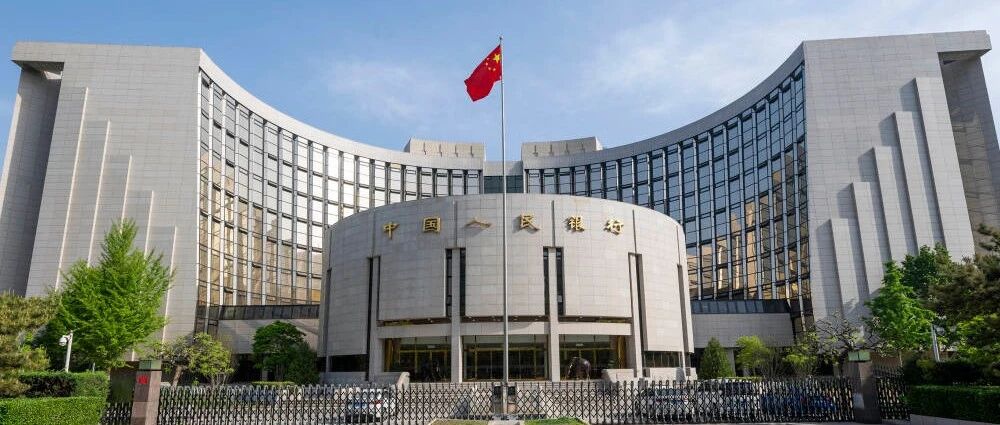
利好跨国公司!这项跨境资金管理政策全国推广
Xin Hua She· 2025-12-26 12:02
Core Viewpoint - The People's Bank of China and the State Administration of Foreign Exchange announced the nationwide promotion of the integrated currency pool business for multinational companies, effective immediately, building on previous pilot experiences [1][4]. Group 1: Business Overview - The integrated currency pool serves as a central cash repository, crucial for multinational companies to manage and operate funds effectively [5]. - Since the pilot program began in 2021 in Beijing and Shenzhen, the scope and content of the business have been expanded multiple times, with 98 multinational companies and over 5,000 member enterprises participating by the end of September [5]. - The cross-border payment scale reached approximately $150 billion in the first nine months of this year [5]. Group 2: Benefits of Nationwide Implementation - The transition from "local pilot" to "full coverage" is expected to enhance the scale effect of fund concentration, improving the onshore collection of global funds and the security of fund settlements [6]. - The policy allows host companies to centrally manage both domestic and foreign currency funds of their member enterprises, facilitating unified scheduling and usage [6]. - Companies like CATL have reported significant improvements in cross-border fund allocation efficiency, with over $3 billion in cross-border fund transfers achieved within six months of using the new currency pool [6]. Group 3: Cost Efficiency and Simplification - The policy is designed to significantly reduce financial costs and enhance fund utilization efficiency by adjusting the external debt and overseas lending limits for multinational companies [6]. - Companies can manage regular fund collections and net settlement through the host enterprise based on operational needs [6]. - The process for business operations has been simplified, shifting more activities from pre-approval to post-management, thereby lowering institutional transaction costs [6]. Group 4: Real-World Impact - Guangdong Haida Group reported that the time for cross-border fund allocation has been reduced from several days to real-time since establishing their integrated currency pool [7]. - The transition to nationwide implementation is seen as a result of institutional innovation based on prior pilot programs, reflecting a commitment to institutional openness [7].

新华鲜报丨利好跨国公司!这项跨境资金管理政策全国推广
Xin Hua Wang· 2025-12-26 11:20
Core Viewpoint - The People's Bank of China and the State Administration of Foreign Exchange have announced the nationwide promotion of the integrated currency pool business for multinational companies, which aims to enhance the management and operation of funds amid increasing cross-border investment and trade activities [1]. Group 1: Benefits of Nationwide Implementation - The transition from "local pilot" to "full coverage" is expected to leverage the scale effect of centralized funds, improving the onshore collection of global funds and the security of fund settlements [2]. - The policy allows host companies to centrally manage both domestic and foreign currency funds of their member enterprises, enabling unified scheduling and utilization [2]. - Companies like CATL have reported that their new fund pool has facilitated cross-border fund transfers exceeding $3 billion within just over six months, significantly enhancing fund circulation efficiency [2]. Group 2: Cost Savings and Efficiency - The policy is set to substantially reduce financial costs and improve fund utilization efficiency by adjusting the external debt and overseas lending limits for multinational companies [2]. - Multinational companies can manage regular fund collections and net settlement through the host company based on operational needs [2]. - For instance, Wistron (Chongqing) has borrowed nearly $1.6 billion through overseas channels since participating in the fund pool pilot, allowing for the use of low-cost foreign funds to support domestic operations [2]. Group 3: Simplification of Procedures - The initiative aims to simplify business procedures by shifting more operations from pre-approval to post-management, thereby reducing institutional transaction costs for enterprises [2]. - Guangdong Haida Group reported that the time for cross-border fund transfers has been reduced from several days to real-time since establishing their integrated currency pool, greatly enhancing fund utilization efficiency [3]. - The transition from a "test field" to nationwide promotion reflects institutional innovation and is a testament to the country's commitment to institutional openness [3].
工行宁波市分行落地宁波市首笔“工银全球付”境内直连境外账户付款业务
Zhong Guo Jin Rong Xin Xi Wang· 2025-12-12 02:53
Core Viewpoint - The successful implementation of the "ICBC Global Payment" platform by ICBC Ningbo Branch for a well-known stationery manufacturing company marks a significant advancement in cross-border fund management, providing a more efficient and convenient solution for enterprises engaged in international business [1][3]. Group 1: Service Innovation - ICBC Ningbo Branch facilitated the first domestic direct payment to an overseas account for a local listed stationery manufacturer, streamlining the process of managing funds for overseas subsidiaries [1][3]. - The traditional method of managing overseas accounts involved complex procedures and high costs, which this new service effectively addresses [1][3]. Group 2: Features of the "ICBC Global Payment" Platform - The platform allows enterprises to directly operate their overseas accounts online, overcoming traditional cross-border payment limitations in terms of time and space [3]. - It offers comprehensive financial management services, including real-time fund monitoring and unified global fund collection and payment, enhancing the visibility and control of global funds [3][4]. Group 3: Client Feedback and Future Plans - The enterprise representative praised the innovative payment solution for significantly improving remittance efficiency and reducing operational costs, highlighting the support from state-owned banks in facilitating international expansion [4]. - ICBC Ningbo Branch plans to continue leveraging its global network and digital financial advantages to enhance service offerings and optimize business processes for local enterprises engaged in cross-border operations [4].


上海FT账户迎十年最强升级,实现全球资金“T+0”调拨
Di Yi Cai Jing· 2025-12-03 13:49
Core Viewpoint - The introduction of the "T+0" cross-border fund transfer system for enterprises through the Free Trade (FT) accounts marks a significant advancement in Shanghai's cross-border financial system, enhancing capital flow efficiency and reducing financial costs for businesses [2][8]. Group 1: Implementation Details - The People's Bank of China has released the "Implementation Measures for the Upgrade of Free Trade Accounts in the Shanghai Free Trade Pilot Zone," effective from December 5, which allows for direct fund transfers between FT accounts and overseas accounts [2][3]. - The upgrade shifts from a "segregated accounting" system to an "integrated management" of domestic and foreign currencies, enabling companies to conduct currency conversion and cross-border payments within a unified account framework [2][3]. Group 2: Benefits for Enterprises - The time required for cross-border fund transfers will be reduced from T+3 to T+0, significantly lowering financial costs for multinational and trade-oriented companies [2][3]. - The new system eliminates traditional restrictions on capital item businesses, allowing enterprises to engage in cross-border payments and financing without prior approval or registration [3][4]. Group 3: Regulatory and Operational Changes - The implementation requires banks to enhance their management systems, including improving real-time monitoring of cross-border payments and adhering to anti-money laundering regulations [4][6]. - Participating enterprises must meet specific criteria, such as being registered for over a year and having a minimum equity of 200 million yuan, with a focus on key areas like the Lingang New Area [4][6]. Group 4: Market Impact and Future Outlook - The upgrade is expected to serve as a model for other free trade zones in China, laying the groundwork for a high-level open economic system [2][8]. - The FT account system's evolution is anticipated to attract more multinational corporations to establish their regional financial management centers in Shanghai, enhancing the city's global financial resource allocation capabilities [8][9].
每经热评丨外资购房限制虽放宽 “房住不炒”仍是刚性约束
Mei Ri Jing Ji Xin Wen· 2025-09-18 14:36
Group 1 - The core viewpoint of the news is that the recent adjustment of foreign exchange management policies regarding foreign investment in real estate aims to optimize market demand rather than signal a return to speculative real estate practices [1][2][3] - The new policy allows for greater convenience in cross-border payment for foreign individuals purchasing real estate in China, resolving previous procedural conflicts [1] - The adjustment reflects a broader trend of optimizing macro-control measures in the real estate sector, aligning with the changing market conditions and supporting stable development [2] Group 2 - The policy is designed to enhance the flexibility of foreign capital usage for enterprises, allowing them to invest in commercial real estate according to their development strategies [1] - The government emphasizes that the policy is not intended to stimulate speculation but to stabilize the market while meeting diverse housing needs [2][3] - The current real estate supply-demand relationship has shifted, reducing liquidity in the property market, which diminishes the potential for short-term speculative profits from foreign investments [2][3]