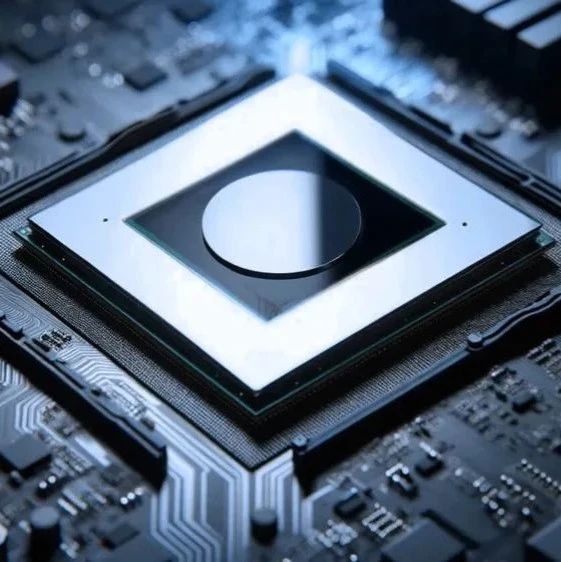
英伟达Blackwell系统

Search documents
面对英伟达75%的利润率,AMD们压力山大!
Hua Er Jie Jian Wen· 2026-02-26 13:06
英伟达的高利润率并非没有代价。存储器成本上涨是其无法回避的现实,尽管英伟达在关键零部件的供 应排队中处于优先地位。 据彭博报道,英伟达首席财务官Colette Kress表示,公司已"战略性地锁定库存与产能,以满足未来数个 季度以上的需求",但同时预计供应"紧张"状况将持续。 英伟达公布了75.2%的调整后毛利率,刷新近期高点,但这一令竞争对手望尘莫及的盈利能力能否持 续,正面临供应瓶颈收窄、自研芯片加速崛起以及客户AI投资回报尚未兑现的多重压力。 英伟达最新季报显示,截至今年1月的季度调整后毛利率达75.2%,为2024年下半年以来最高水平,公 司同时预计本季度将维持相近水平。在需求侧,超大规模AI公司今年资本支出预计合计约6500亿美 元,较2025年增长约60%,英伟达将从中大幅受益——这一点在财报发布前已被市场充分预期,因此本 轮财报的真正亮点,落在了利润率而非需求本身。 竞争格局正在生变。AMD本周宣布与Meta签署价值"数百亿美元"的数据中心处理器供应协议,直接冲 击英伟达的GPU核心业务;Alphabet旗下TPU芯片及Amazon自研芯片也在加速抢占市场份额,且定价远 低于英伟达产品,日益划算 ...

AI算力狂飙,能源成最大瓶颈
半导体行业观察· 2025-07-27 03:17
Core Viewpoint - The article discusses the increasing energy demands of AI supercomputers and the urgent need for technological and policy solutions to address this issue, highlighting the emergence of new chip manufacturers aiming to improve energy efficiency in AI tasks [3][4][10]. Group 1: Energy Demand and AI - Andrew Wee, a hardware leader at Cloudflare, expresses concern over the projected 50% annual increase in energy consumption for AI by 2030, which he believes is unsustainable [3][4]. - The article emphasizes that the energy consumption of AI systems is becoming a critical issue, with companies exploring various solutions, including new chip designs and alternative energy sources [10]. Group 2: Emergence of New Chip Manufacturers - Positron, a startup that recently raised $51.6 million, is developing a new chip that is more energy-efficient than Nvidia's for AI inference tasks, potentially saving companies billions in costs [4][8]. - Several chip startups are competing to sell AI inference-optimized chips to cloud service providers, with major tech companies like Google, Amazon, and Microsoft investing heavily in their own inference chips [4][5]. Group 3: Competitive Landscape - The term "Nvidia tax" refers to the high hardware margins of Nvidia, which is around 60%, prompting other companies to seek alternatives to avoid this premium [5]. - Nvidia's latest Blackwell system reportedly offers 25 to 30 times the energy efficiency for inference tasks compared to previous generations, indicating the competitive pressure in the market [5][9]. Group 4: Future of AI Hardware - New chip manufacturers like Groq and Positron are adopting innovative designs specifically tailored for AI tasks, with Groq claiming its chips can operate at one-sixth the power consumption of Nvidia's top products [7][8]. - Despite advancements in chip technology, the overall demand for AI continues to grow, leading to concerns that energy consumption will still rise, as noted by industry experts [10].