英语课程

Search documents
教育出海:胜负手是成为「半个本地人」的时间
3 6 Ke· 2026-02-11 13:40
Core Insights - The Chinese education industry's growth trajectory was abruptly altered in 2021, leading to a significant shift towards international expansion, particularly in Southeast Asia and the Middle East, as companies sought to replicate their previous success in China [1] - The overseas markets are not merely smaller versions of China, and many efficiency models that worked domestically have failed or backfired in these new environments [1] Group 1: Reasons for Going Overseas - The discussion around international expansion among Chinese education companies began in earnest after the "Double Reduction" policy in 2021, which marked a critical turning point [2] - The decision to expand internationally was driven by a combination of slowing domestic growth and the need for new opportunities, rather than a grand strategic vision [2][4] - Personal experiences, such as a background in English education and previous international exposure, played a significant role in preparing individuals for this transition [2][3] Group 2: Challenges Faced in International Markets - The first major realization was that simply translating and adapting content from China was insufficient, as educational motivations and family structures varied significantly across countries [5][6] - The second challenge arose when attempting to export operational models that had been successful in China, which often did not resonate with local market dynamics, leading to ineffective marketing strategies [6][12] - The third realization was that organizational structures and management practices from China did not translate well, resulting in difficulties in recruitment and retention of local staff [12][15] Group 3: Market Analysis and Misjudgments - Initial market assessments focused on theoretical market size (TAM) and reachable market (SAM) but failed to account for the complexities of local educational environments and family dynamics [19][23] - The assumption that a large market size would guarantee success was proven wrong, as local conditions and cultural contexts played a crucial role in determining the viability of educational products [23] Group 4: Cultural Differences in Consumer Behavior - In Southeast Asia, education consumption resembles fast-moving consumer goods, where immediate experiences and visible value are critical for decision-making [24][26] - Conversely, in the Middle East, educational decisions are heavily influenced by family networks and trust, requiring a different approach to marketing and service delivery [24][27] Group 5: Long-term Strategy and Adaptation - Successful international expansion requires a long-term commitment and understanding of local contexts, rather than a short-term profit-driven mindset [30][32] - Companies must balance local insights with their operational strengths, ensuring that they adapt to local cultures while maintaining high standards of service and efficiency [32][33]

将英语改必修,越南直呼“难”
Huan Qiu Shi Bao· 2025-11-16 23:00
Group 1 - The Vietnamese government has announced a national plan to make English a compulsory subject in primary schools by 2030 and gradually include it in all schools by 2035 [1][2] - The plan aims to address the English proficiency gap in the workforce and position Vietnam as a high-income country by 2045 [1] - The Ministry of Education and Training will standardize the English curriculum, and public schools will offer free English classes, benefiting 90% of students in public schools [1][2] Group 2 - The new strategy establishes a comprehensive English learning system from preschool to higher education, emphasizing experiential learning in kindergartens and enhancing practical language skills in primary and secondary education [2] - By 2035, 35% of universities are expected to implement full English immersion teaching [2] - A significant challenge for the implementation of this educational reform is the shortage of qualified English teachers, with an estimated need for an additional 22,000 teachers by 2030 [2]
50岁吴彦祖,直播一场即“消失”背后
21世纪经济报道· 2025-06-28 14:37
Core Viewpoint - The article discusses actor Daniel Wu's entry into the live-streaming e-commerce space, highlighting his unique approach to brand building and consumer engagement through his IP "Zuhaus" [2][5][9]. Group 1: Live Streaming and E-commerce - Daniel Wu made his debut in live streaming on May 21, 2025, as an "English teacher," attracting 19.03 million viewers and selling over 30,000 courses, generating revenue between 10 million to 25 million yuan [2][4]. - Despite the success of his first live stream, Wu has not returned to the e-commerce scene, focusing instead on content creation and lifestyle sharing [5][6]. - The "Zuhaus" brand aims to create a three-dimensional synergy between content, brand, and consumption, achieving significant engagement on platforms like Douyin [5][14]. Group 2: Brand Development and Strategy - "Zuhaus" was conceived in 2024, designed as a brand innovation laboratory rather than a traditional endorsement model, with Wu actively involved in content planning and product design [9][11]. - The brand's strategy emphasizes authenticity and quality, moving away from quick monetization to building a sustainable influence in various lifestyle sectors [12][17]. - Wu's coffee brand, WHATEVER, has seen daily foot traffic of over 300 customers and a 40% repurchase rate, indicating strong consumer interest [17]. Group 3: Consumer Engagement and Market Trends - The article notes a shift in consumer preferences towards products that genuinely meet needs, with nearly 70% of surveyed individuals willing to pay a premium for meaningful products [17][18]. - The evolution of celebrity roles in marketing is highlighted, transitioning from mere endorsements to becoming brand owners and co-creators, reflecting a deeper emotional connection with consumers [23][24]. - Wu's approach is characterized by a focus on real-life experiences and a desire to present an authentic middle-aged persona, which resonates with consumers seeking genuine engagement [23][25].

南都电商观察|吴彦祖开启直播卖课;张雪峰官宣快手独家直播
Nan Fang Du Shi Bao· 2025-05-23 06:22
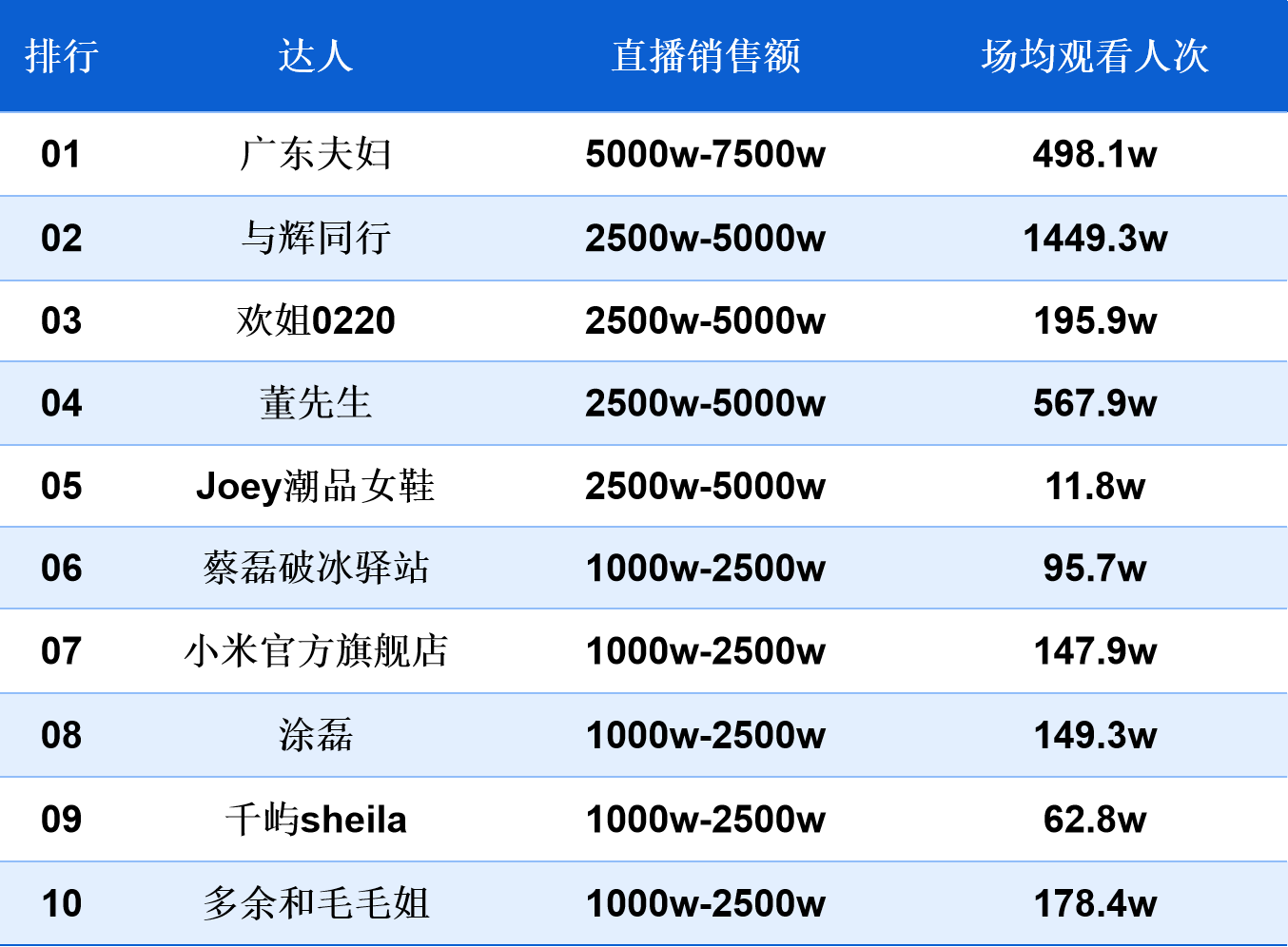
Group 1: Live Streaming and E-commerce - Actor Wu Yanzu launched his first live streaming session on May 21, selling his English courses, achieving an average viewership of 19.03 million and sales between 10 million to 25 million yuan [1] - Zhang Xuefeng announced an exclusive live streaming event on Kuaishou from June 15 to 30, focusing on college entrance examination volunteer reporting, with previous sessions garnering a total viewership of 324 million [2] - Controversy arose around volunteer Shang Guanzheng, who began live streaming sales to support his anti-trafficking efforts, leading to divided public opinion on the appropriateness of monetizing his activism [3][4] Group 2: Regulatory Actions and Industry Standards - The Central Cyberspace Administration of China initiated a two-month campaign to address issues related to "black mouths" that harm businesses, focusing on malicious defamation, extortion, and false marketing [5] - E-commerce platforms have begun removing "fake foreign goods" health products that misrepresent their origins and efficacy, with specific brands being investigated and required to amend or remove misleading claims [6][7][8] - Douyin's life service sector launched a crackdown on "fly single" behaviors, which involve merchants inducing users to bypass platform transactions, with nearly 45,000 violations identified in the first quarter [9][10] - JD.com announced a "Clean Water Action" to combat false advertising and ensure the longevity of water filter products, promising replacements for filters that do not meet advertised lifespans [11][12] Group 3: Sales Rankings - The top live streaming sales figures on Douyin for May 22 featured a couple from Guangdong achieving sales between 50 million to 75 million yuan, followed by other streamers with sales exceeding 25 million yuan [14]