药物原料

Search documents
3亿美元!助剂龙头利安隆,新项目奠基、签约
DT新材料· 2026-01-22 16:11
Group 1 - The core viewpoint of the article highlights the establishment of a new R&D and production base by Tianjin Lianlong New Materials Co., Ltd. in Johor, Malaysia, with an investment of $300 million, focusing on anti-aging materials, lubricating materials, and bio-based materials [4][6] - The R&D center and the first phase of the project are expected to be operational by the first quarter of 2027, aiming to provide reliable and efficient solutions for global polymer material and lubricating oil customers [4][6] - A strategic cooperation framework agreement was signed between Lianlong and the specialty chemicals company, Lubrizol, to leverage their respective technological advantages in lubricant additive development and manufacturing [6][7] Group 2 - Lianlong is recognized as the only domestic and one of the two global companies offering a full range of anti-aging polymer materials and application technologies, with a comprehensive product line in lubricant additives [7] - In the first three quarters of 2025, Lianlong achieved a revenue of 4.509 billion yuan, representing a year-on-year growth of 5.7%, and a net profit attributable to shareholders of 392 million yuan, reflecting a 24.9% increase [7] - The article also discusses the upcoming "2026 Advanced Nylon Industry Innovation and Application Development Conference" scheduled for March 19-20, 2026, in Guangzhou, focusing on technology innovation and market development in the nylon industry [9][10] Group 3 - The conference aims to gather over 300 domestic and international nylon enterprises and industry experts to explore high-quality development paths for the industry [11] - It will feature more than 20 expert presentations and discussions on new trends, materials, and applications, as well as specialized activities for networking and collaboration [11][12] - The agenda includes sessions on terminal trends, nylon modification, and innovative material selection, addressing challenges and opportunities in various sectors such as automotive and electronics [14][15]


中国对钢铁部分产品实施出口许可证只是警告:真正动手美国会窒息
Sou Hu Cai Jing· 2025-12-22 09:44
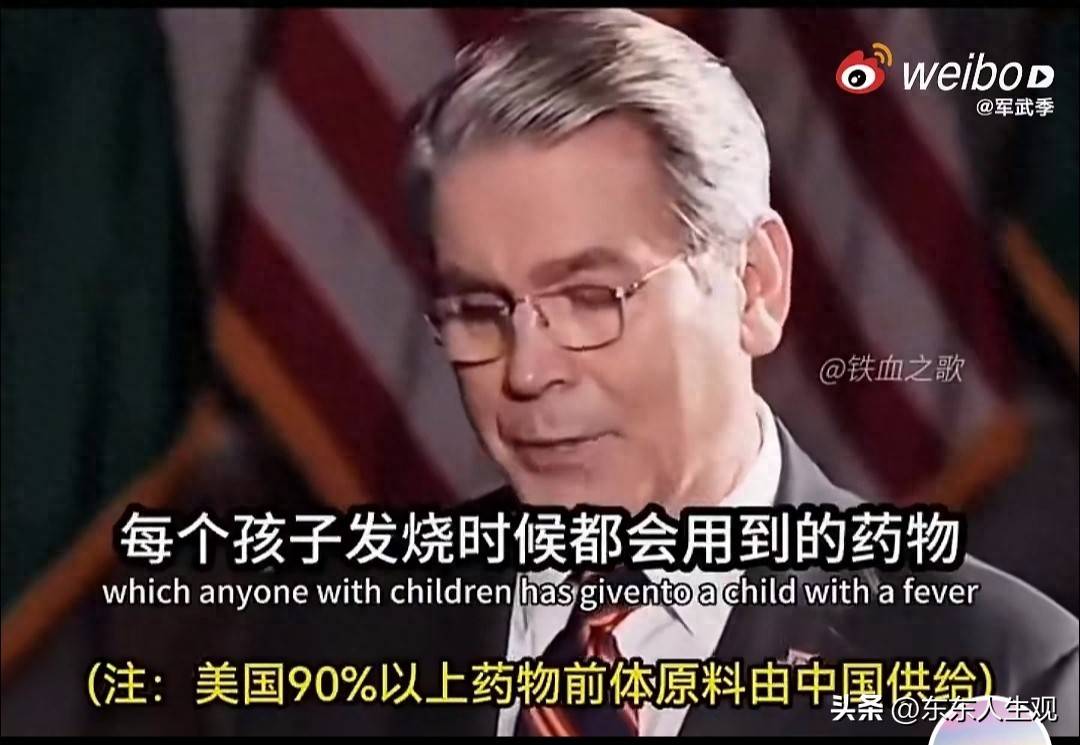
Core Viewpoint - China has implemented an export licensing system for hundreds of steel products, which may seem counterintuitive given the perception of steel as a declining industry. However, this move is a strategic response to U.S. tariffs and reflects China's deeper leverage in global supply chains [1][3]. Group 1: Export Licensing and Strategic Implications - The introduction of the export licensing system for steel products is a warning to Western countries, particularly Japan, South Korea, and Europe, highlighting China's control over critical supply chains [3]. - The restriction on steel exports has led to immediate shortages in various industries, including shipbuilding, automotive, hardware, and even semiconductors, indicating the interconnectedness of these sectors with steel supply [3]. Group 2: Broader Economic and Geopolitical Context - The potential exclusion of China from Western supply chains raises significant concerns, particularly regarding the pharmaceutical industry, where China supplies over 90% of the raw materials for U.S. drugs [5]. - China's compliance with negotiation commitments has contributed to the urgency of the U.S. to resolve trade tensions, as the country has shown restraint but may not maintain this stance indefinitely [5].
稀土只是前戏?美国学者:“中国还留着后招没出,美国压根无能为力”
Sou Hu Cai Jing· 2025-10-13 05:13
Group 1 - The core issue of the US-China trade conflict has evolved beyond mere economic competition to encompass geopolitical and technological security dimensions, with specific commodities like rare earths and lithium batteries becoming central to the confrontation [1] - The US's heavy reliance on China for critical supplies is evident, with over 90% of ibuprofen in the US sourced from China, highlighting the limitations of US retaliatory measures against China [3] - China's strategic response to US tariffs and technology restrictions demonstrates a higher level of strategic thinking, as it showcases its ability to exert influence in the supply chain while signaling a willingness to engage in dialogue [3] Group 2 - The volatility in the US stock market, particularly the significant losses experienced by tech giants, reflects the economic pressures faced by the Trump administration amid rising discontent from various industries [5] - The contrasting approaches of the US and China in handling trade tensions reveal a fundamental difference in strategic thinking, with China seeking to maximize its interests through a broader perspective while the US appears to be in a crisis management mode [5] - The ongoing tensions between the two nations suggest that future confrontations will be increasingly complex, with China's actions in critical sectors potentially having a disruptive impact on the US economy [5][6]