蓝色星原:旅谣

Search documents
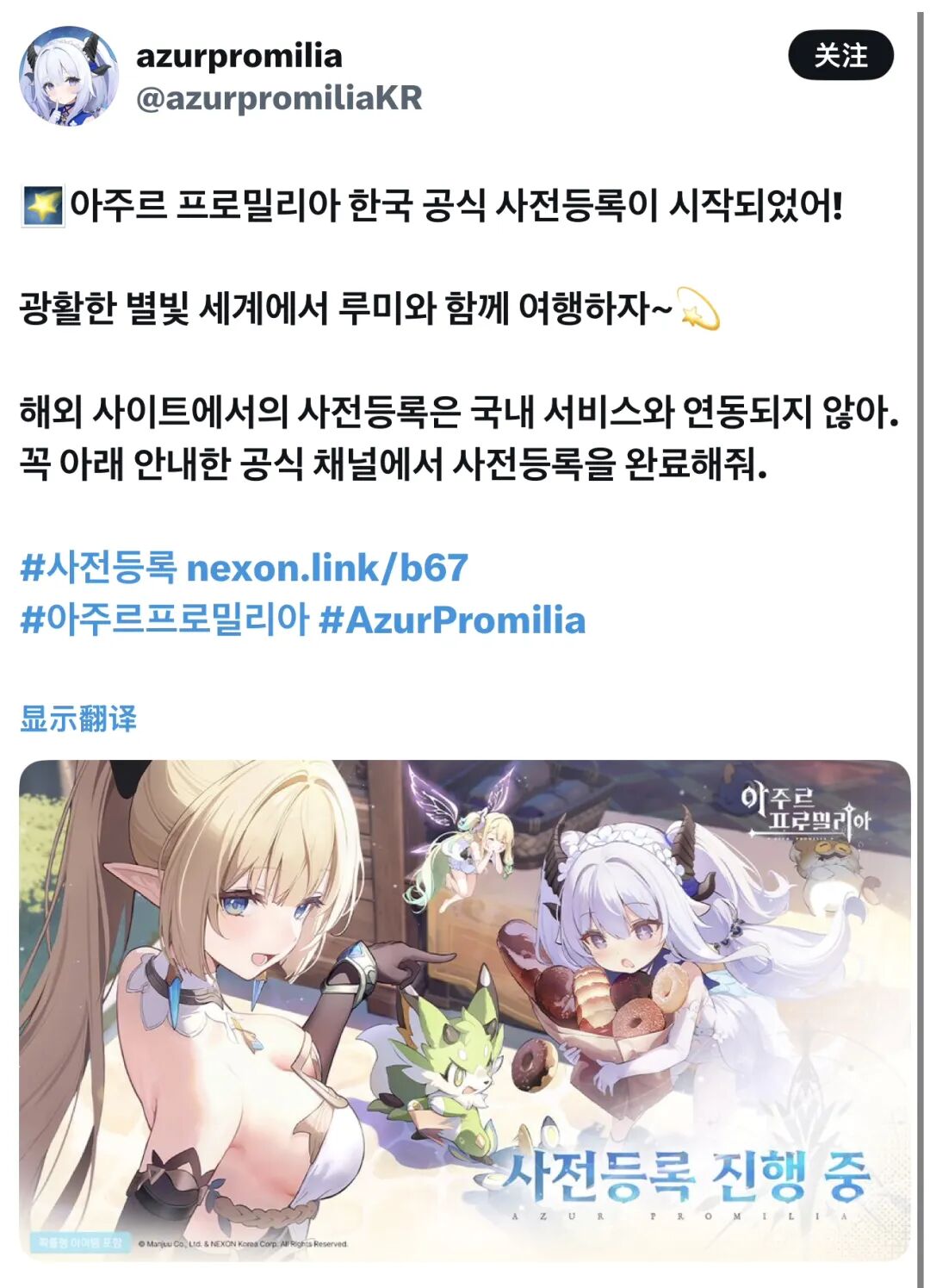
刚刚,蛮啾官宣一件大事:新作韩服正式独代给Top1大厂
3 6 Ke· 2025-12-15 04:09
Core Viewpoint - The game "Blue Star Origin: Ballad" has gained significant attention in the mobile gaming market due to its unique blend of "beautiful girls + pet-catching" elements, and its development progress appears to be on track with key milestones being met [4][6]. Group 1: Development and Release Strategy - The company has adopted a hybrid release strategy for "Blue Star Origin: Ballad," utilizing self-developed, agency, and joint release methods tailored to different regions, which is relatively uncommon in the mobile gaming sector [6]. - The game has successfully secured an overseas publishing entity, indicating a smooth development process and timely progression through critical phases [4]. Group 2: Collaboration with NEXON in South Korea - The partnership with NEXON for exclusive publishing in South Korea is notable, as it marks a shift from the typical trend of Korean companies importing Chinese products [7][11]. - NEXON, a leading player in the Korean market with a revenue exceeding 4 trillion KRW (approximately 211 billion RMB) in 2023, is well-positioned to leverage its established influence and experience to promote "Blue Star Origin: Ballad" effectively [7][9]. - The collaboration is expected to enhance NEXON's presence in the rapidly growing mobile gaming market in Korea, which has seen a significant increase in revenue from anime-style games, reaching nearly $1.4 billion in the past year, a 41% increase from 2022 [11][15]. Group 3: Joint Release in Japan - In Japan, the game will be jointly published with Yostar, allowing both companies to share responsibilities and risks while leveraging their respective strengths [20]. - The established reputation of the company in Japan, particularly from the success of "Azur Lane," has generated considerable pre-launch interest in "Blue Star Origin: Ballad," despite minimal promotional efforts [21][23]. Group 4: Potential in Hong Kong, Macau, and Taiwan - The agreement with NIJIGEN for the Hong Kong, Macau, and Taiwan markets suggests a strategy where the company may effectively self-publish in these regions, enhancing its operational capabilities [26][28]. - NIJIGEN's previous experience with major titles in these markets positions it as a strategic partner for the company [26]. Group 5: Market Reception and Future Outlook - The game has maintained strong user ratings, with scores of 9.0 and 9.3 on TapTap and Haoyoukuai respectively, and over 7 million pre-registrations, indicating positive player reception [30][31]. - The ongoing development and marketing strategies are expected to help the company evolve and solidify its position in the competitive mobile gaming landscape [31].

2025东京电玩展新变量:近110家中国厂商集中亮相 国产游戏日本市场逆风破局
Mei Ri Jing Ji Xin Wen· 2025-09-29 14:52
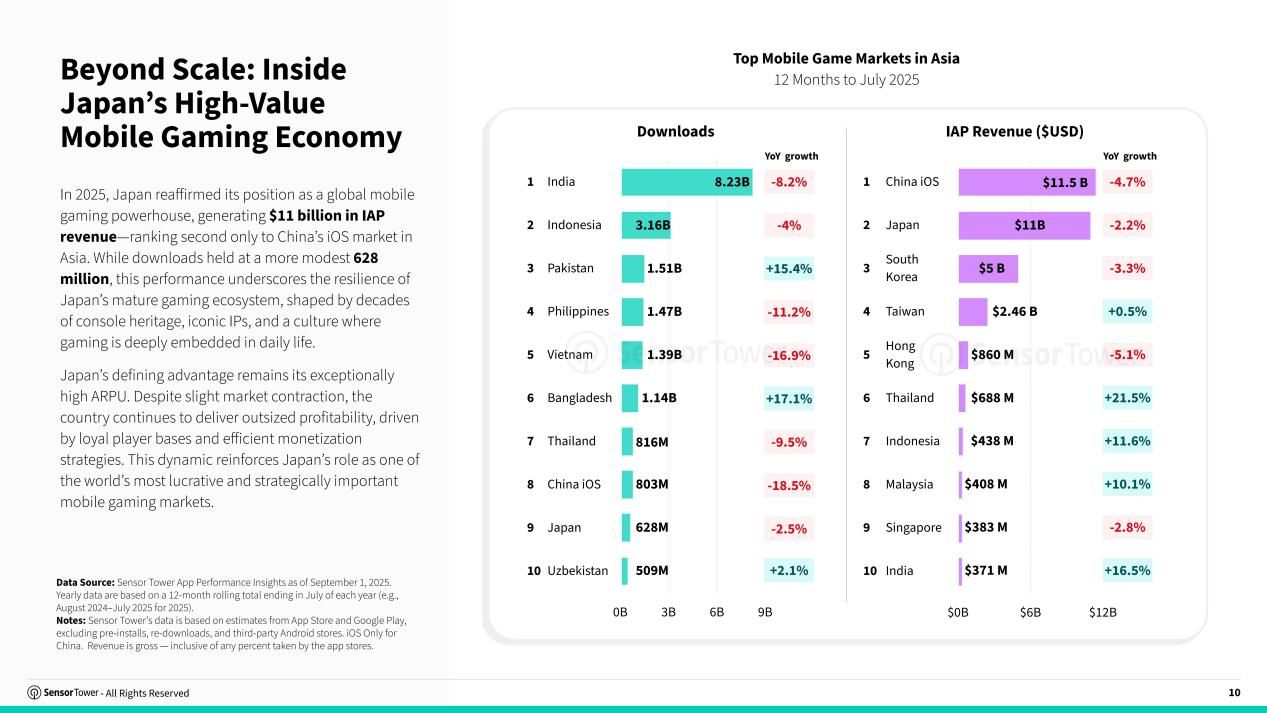
Core Insights - The 2025 Tokyo Game Show (TGS) concluded with record attendance and participation, highlighting the growing influence of Chinese game developers in the Japanese market [1][3][5] Group 1: Event Overview - TGS 2025 featured a record 1,136 exhibitors and 4,157 booths, with attendance exceeding 260,000, showcasing a vibrant atmosphere [1][2] - The event emphasized content over form, with many new product launches and gameplay experiences available for attendees [2] Group 2: Chinese Game Developers' Impact - Chinese game companies had a significant presence, with nearly 110 exhibitors, including major players like Tencent and NetEase, marking an unprecedented scale [1][3] - Games like "Whiteout Survival" and "Kingshot" from Century Games gained notable attention, with extensive promotional efforts and local collaborations enhancing their visibility [3][11] Group 3: Market Dynamics - The Japanese gaming market, while smaller than the US and China, remains highly lucrative, with a projected mobile market revenue of $11 billion in 2025, making it the second-largest globally [6] - Chinese games are increasingly accepted in Japan, with local players showing high interest in titles like "Whiteout Survival," which has consistently ranked in the top charts [5][11] Group 4: Strategic Approaches - Chinese developers are adopting long-term strategies and localized approaches to penetrate the Japanese market, focusing on user engagement and differentiated products [10][11] - The success of titles like "Whiteout Survival" and "Kingshot" illustrates the effectiveness of these strategies, as they have achieved significant rankings in Japan's competitive market [11] Group 5: Recognition and Acceptance - The recognition of Chinese games in Japan is growing, as evidenced by titles like NetEase's "Infinite" featuring on the cover of a prominent Japanese gaming magazine [12] - The narrative around Chinese games is shifting from "made in China" to a focus on quality and innovation, reflecting a broader acceptance in the Japanese gaming community [12]

米哈游“消失”在秋叶原
3 6 Ke· 2025-09-29 00:32
Core Insights - The article highlights the significant presence of Chinese anime games at TGS 2025, indicating a potential boom in the industry for 2026 with major titles like "Infinite," "Eternal Ring," and "Blue Star: Journey" set to launch [1][16] - The closure of the GiGO 1 building, previously a prominent advertising space for miHoYo, marks a shift in the landscape of the Akihabara area, contrasting sharply with the past dominance of "Genshin Impact" [1][29] - Despite the visible decline of miHoYo's advertising presence, its products remain popular in local stores, suggesting a change in strategy rather than a complete withdrawal from the market [6][11] Industry Dynamics - The surrounding business of merchandise, or "Gaozi economy," is increasingly seen as a marketing tool rather than a primary revenue source for game developers, with companies focusing more on enhancing user engagement [9][31] - MiHoYo's recent strategy reflects a shift towards cost-effective marketing, as evidenced by its absence from TGS this year, contrasting with its previous aggressive promotional tactics [11][15] - The rise of new Chinese titles at TGS indicates a growing recognition among Japanese players of these products, suggesting a shift in market dynamics and consumer preferences [13][16] Market Trends - The article notes a distinct difference in the types of games showcased at TGS compared to those in Akihabara, with a focus on new Chinese titles that are actively engaging players through innovative marketing strategies [16][22] - The upcoming release of several high-profile Chinese games is expected to revitalize the Akihabara area, which has seen a decline in its anime culture prominence [29][36] - The competitive landscape for 2024 is anticipated to be intense, with over ten major titles expected to launch, challenging the current market structure and consumer engagement strategies [38][39]