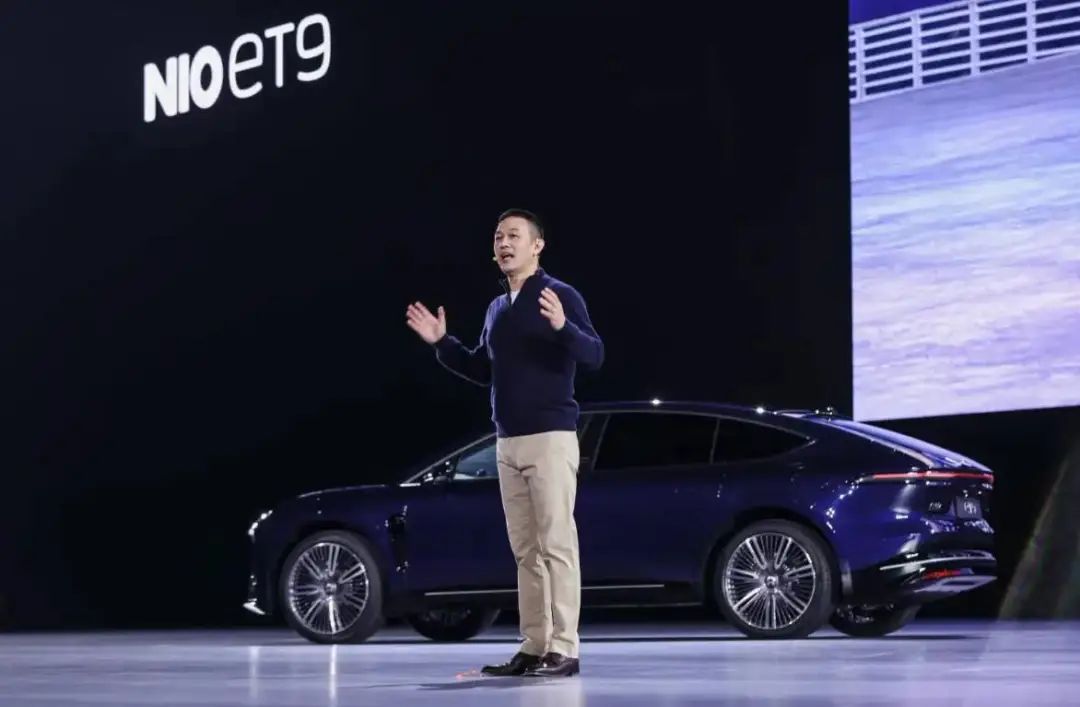
蔚来 ET9

Search documents
晚点独家丨合肥国投、IDG 等入股蔚来芯片子公司,首轮投资额超 20 亿元
晚点LatePost· 2026-02-28 08:32
以下文章来源于晚点Auto ,作者晚点团队 开放融资减少蔚来资本投入压力,也意味着不求回报的放水养鱼阶段结束了。 文 丨 魏冰 赵宇 编辑 丨 龚方毅 我们独家获悉,蔚来芯片自研部门(公司注册实体为 "安徽神玑技术有限公司")近期完成 超 20 亿元 首轮融资, 投后估值近百亿元 。 合肥地方产业基金、蔚来资本、IDG 资本,以及一 家上市半导体公司等机构参与本轮投资 。 后续轮次融资已同步开展。 我们就此事向蔚来方面求证。截至发稿暂未得到回复。 去年 6 月, 蔚来拆分自研芯片业务,成立安徽神玑技术有限公司 ,法定代表人为蔚来高级副总裁、 智能硬件负责人白剑。11 月,这家公司与爱芯元智半导体(重庆)有限公司、豪威集成电路(集团) 股份有限公司, 共同成立了一家合资公司——重庆创元智航科技有限公司 ,注册资本 1 亿元。 晚点Auto . 从制造到创造,从不可能到可能。《晚点LatePost》旗下汽车品牌。 一位知情人士解释,此次的融资主体是安徽神玑,而非之后成立的合资公司,这是因为 "合资公司可 以弱化蔚来的标签,是后续用来拓展非蔚来客户的主体"。 蔚来从 2021 年开始自研芯片,首颗智驾芯片神玑 NX ...


汽车周报:科技外溢,智驾与华为有望承接热情-20250922
Shenwan Hongyuan Securities· 2025-09-22 09:11
Investment Rating - The report maintains a positive outlook on the automotive industry, particularly driven by technology and state-owned enterprise reforms [4]. Core Viewpoints - The automotive sector is expected to benefit from a bull market, with technology-driven segments like robotics and low-altitude economy likely to follow the lead of TMT [4]. - The report highlights the performance of new energy vehicles (NEVs), which saw a retail volume of 268,000 units, a month-on-month increase of 22.94% and a year-on-year increase of 4.69%, resulting in a penetration rate of 59.56% [4]. - The report recommends focusing on domestic leading manufacturers such as NIO, Xiaomi, and Xpeng, as well as component companies with strong growth potential [4]. Industry Situation Update - In the 37th week of 2025, the total retail volume of passenger cars reached 450,000 units, with traditional energy vehicles accounting for 182,000 units and new energy vehicles for 268,000 units [4]. - The report notes a decrease in raw material price indices for both traditional and new energy vehicles over the past week [4]. - The automotive industry recorded a total transaction value of 922.739 billion yuan, with an industry index increase of 2.95% [4][12]. Market Situation Update - The automotive industry index outperformed the CSI 300 index, ranking 4th among primary industries in terms of weekly growth [12]. - A total of 151 stocks in the automotive sector rose, with the largest gainers being Junsheng Electronics, Shanzigao Technology, and Kaiter Co., which saw increases of 44.2%, 39.7%, and 33.8% respectively [18]. - Key events included the release of the national standard for intelligent assisted driving and the launch of NIO's new ES8 model [4][5][7]. Investment Analysis Recommendations - The report suggests focusing on two main lines: technology and state-owned enterprise reforms, recommending strong domestic manufacturers and component companies with robust performance growth [4]. - Specific recommendations include NIO, Ideal Auto, and companies involved in robotics and overseas expansion [4]. - The report emphasizes the importance of monitoring high-quality blue-chip stocks that are still at the bottom of the market [4].





不怪李斌不努力
Xin Lang Cai Jing· 2025-05-21 13:26
Core Viewpoint - NIO is undergoing significant changes under founder Li Bin's leadership, focusing on cost reduction and operational efficiency while aiming for profitability in Q4 2023 [2][10][20] Group 1: Company Strategy and Leadership Changes - Li Bin has shifted NIO's approach to product launches, opting for simpler, more pragmatic events instead of extravagant presentations [1][2] - The company is implementing a "Cell Business Unit" (CBU) management strategy to enhance accountability and operational efficiency [2][18] - Li Bin has expressed a desire for NIO to be recognized as the "fastest improving company" by 2025, emphasizing hard work and transformation [2][10] Group 2: Product Launches and Market Position - NIO's main models, ES6 and EC6, are crucial to its sales, contributing over 90% of total vehicle sales in the previous year [4][10] - The new ES6 and EC6 models feature significant hardware upgrades, with 40% of components being renewed, and include advanced safety features [5][7] - Despite the upgrades, the new models still utilize the older 400V architecture, which has raised questions about the decision to not fully transition to the newer NT3.0 platform [8][9] Group 3: Financial Performance and Sales Goals - NIO aims to double its sales from 222,000 units last year to 440,000 units this year, but has only achieved 15% of this target in the first four months [10][20] - The company raised HKD 4.03 billion through a placement to support R&D and strengthen its balance sheet [20] - NIO's financial struggles are evident, with a reported loss of 22.4 billion yuan last year, prompting a need for strategic changes [2][10] Group 4: Competitive Landscape - NIO faces intense competition in the electric vehicle market, particularly from brands like Li Auto and XPeng, which have seen significant stock price increases [21] - The performance of NIO's second brand, "Lao Dao," has been disappointing, contributing only 20,000 units to last year's total sales, leading to leadership changes within the brand [10][12][17] - The market perception of NIO is mixed, with ongoing debates about its ability to survive amid fierce competition and operational challenges [20]
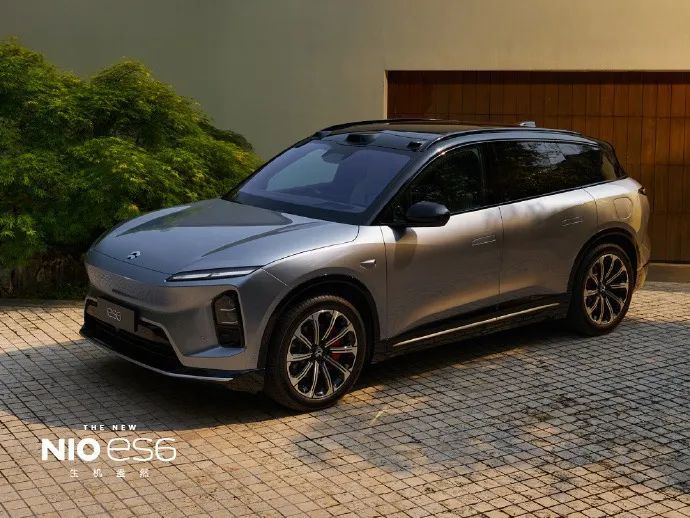
揭秘车市 “9” 字辈现象
3 6 Ke· 2025-05-20 09:10
Group 1 - The emergence of "9" models in the automotive market reflects consumer recognition of flagship products across all price segments, from 200,000 to 1,000,000 yuan [1][2][3] - Consumers are increasingly favoring "9" models due to their perception of flagship quality, which is associated with advanced technology and superior safety features [4][5] - The "9" models are designed to provide a comprehensive experience, with manufacturers focusing on high-end configurations and service offerings that enhance customer satisfaction [6][7] Group 2 - The automotive industry is shifting from hardware competition to a focus on the entire lifecycle experience of the vehicle, with flagship models offering specialized service systems [6][7] - The popularity of "9" models indicates a market trend towards genuine flagship recognition, emphasizing the importance of creating high-quality products in the competitive landscape of electric vehicles [8]
小鹏和蔚来,给出了新势力「生存战」的两种答案
3 6 Ke· 2025-03-31 03:07
Core Insights - The Chinese electric vehicle (EV) market is entering a critical phase of competition by 2025, with average industry profit margins dropping below 2% in Q1 2025, prompting traditional automakers like BYD and Geely to leverage a dense product matrix priced between 100,000 to 150,000 yuan to capture market share [1] - New entrants like Xpeng and NIO are adopting starkly different strategies to secure their survival, with Xpeng focusing on scaling manufacturing and cost reduction, while NIO emphasizes technological advancements despite significant losses [1][3] - Both companies have made cost reduction a central theme in their survival strategies, with Xpeng's CEO declaring 2024 as the "year of cost revolution" and implementing aggressive cost-cutting measures [3][4] Xpeng's Strategy - Xpeng's transformation began after the pricing disaster of its G9 model in 2022, leading to a focus on cost control and a shift from a high-cost, high-R&D model to a more pragmatic approach [4][16] - The company aims to reduce R&D expenses for its P7+ model by 50% compared to the P7, achieving a 20% cost reduction per vehicle through shared components [4] - Xpeng's sales strategy includes launching the MONA M03 at a price point of 120,000 yuan, which resulted in over 10,000 orders in its first month and a 48% increase in quarterly deliveries [4][6] NIO's Strategy - NIO is heavily investing in technology, launching its flagship ET9 model with 17 new technologies, including self-developed chips and an operating system [8][10] - Despite a revenue increase of 18.2% in 2024, NIO's gross margin of 9.9% is significantly lower than its competitors, indicating challenges in profitability [10][12] - NIO plans to implement a "basic operating unit" system to enhance cost management and accountability across departments, aiming for profitability by Q4 2024 [20][22] Comparative Analysis - Xpeng's focus on cost control and volume sales contrasts with NIO's technology-driven approach, highlighting two divergent paths in the EV market [26] - Both companies recognize the necessity of adapting to market realities, with Xpeng prioritizing immediate cost efficiency and NIO betting on long-term technological investments [26] - The survival of these companies will depend on their ability to balance idealism with practical business strategies in a rapidly evolving industry landscape [26]