虫草蛋

Search documents
监管部门规范无抗、可生食蛋等认证乱象
Xin Jing Bao· 2025-12-31 07:54
Core Insights - The article highlights the confusion and marketing excess in the specialty egg market, particularly regarding products like "Cordyceps eggs," "colorful eggs," "antibiotic-free eggs," and "raw-eating eggs," which often mislead consumers and obscure genuine information [1][2][3] Group 1: Specialty Egg Market Issues - The market for "colorful eggs" has seen a decline, while "Cordyceps eggs" continue to be sold, with significant price variations and unclear definitions of what constitutes these products [2][3] - Many brands use marketing tactics that emphasize egg shell color as a selling point, despite the fact that shell color does not indicate nutritional value [2][3] - The term "Cordyceps eggs" is often misused, with most products simply indicating that the chickens were fed a diet containing insects and grass rather than actual Cordyceps [3] Group 2: Certification and Regulatory Concerns - The terms "antibiotic-free" and "raw-eating" eggs are controversial, with no industry consensus on what these terms mean or the standards they should meet [4][5] - A significant number of products labeled as "raw-eating" do not meet safety standards, and some brands even advise against consuming them raw [4][6] - The National Market Supervision Administration has begun to regulate the "antibiotic-free" certification process due to inconsistencies and misleading practices in the market [6][7] Group 3: Consumer Guidance - Consumers are advised to focus on their actual needs and avoid being misled by marketing gimmicks when purchasing eggs [8] - It is recommended to buy eggs from reputable sources and check for proper labeling, especially for products claiming to be "raw-eating" [8] - Experts caution against consuming raw eggs, as even those meeting safety standards may still pose a risk of contamination [9]
看穿商标和营销的“文字游戏”丨2025消费问题高发区⑦
Xin Jing Bao· 2025-12-30 11:41
Core Viewpoint - The article highlights the misleading marketing practices in the food industry, where products are often misrepresented through names, concepts, and branding, leading to consumer confusion and potential health risks [1][2][4]. Misleading Product Names - Many food products are marketed under names that do not accurately reflect their content or quality, such as "edible raw eggs" which may not be safe for consumption as claimed [2][3]. - The term "cordyceps egg" is often misleading, as it refers to feed containing insects and grass rather than the well-known medicinal cordyceps [4]. Misleading Marketing Concepts - Products labeled with "new concepts" often do not deliver on their health claims, with many nutritional benefits being overstated or based on minimal ingredient presence [11][12]. - For example, some fish sausages marketed for their DHA content may actually contain little to no real fish, misleading consumers about their nutritional value [11][12]. Brand Confusion and Trademark Issues - Companies are using "near-brand" trademarks to confuse consumers, such as "Oriental Refreshing Tea" mimicking the branding of "Oriental Leaf," leading to potential legal disputes [14][15]. - The practice of "riding on the coattails" of established brands through similar names or packaging is prevalent, with companies facing legal challenges for trademark infringement [15][16]. Regulatory and Consumer Rights - Consumers have the right to know the true characteristics of the products they purchase, and misleading packaging can violate consumer protection laws [10]. - New regulations are being introduced to prevent misleading claims such as "zero additives," which have been misused in marketing [10]. Recommendations for Consumers - Consumers are advised to scrutinize ingredient lists and nutritional information rather than relying solely on product names and marketing claims [5]. - There is a call for the establishment of clearer national standards to regulate misleading marketing practices in the food industry [5].
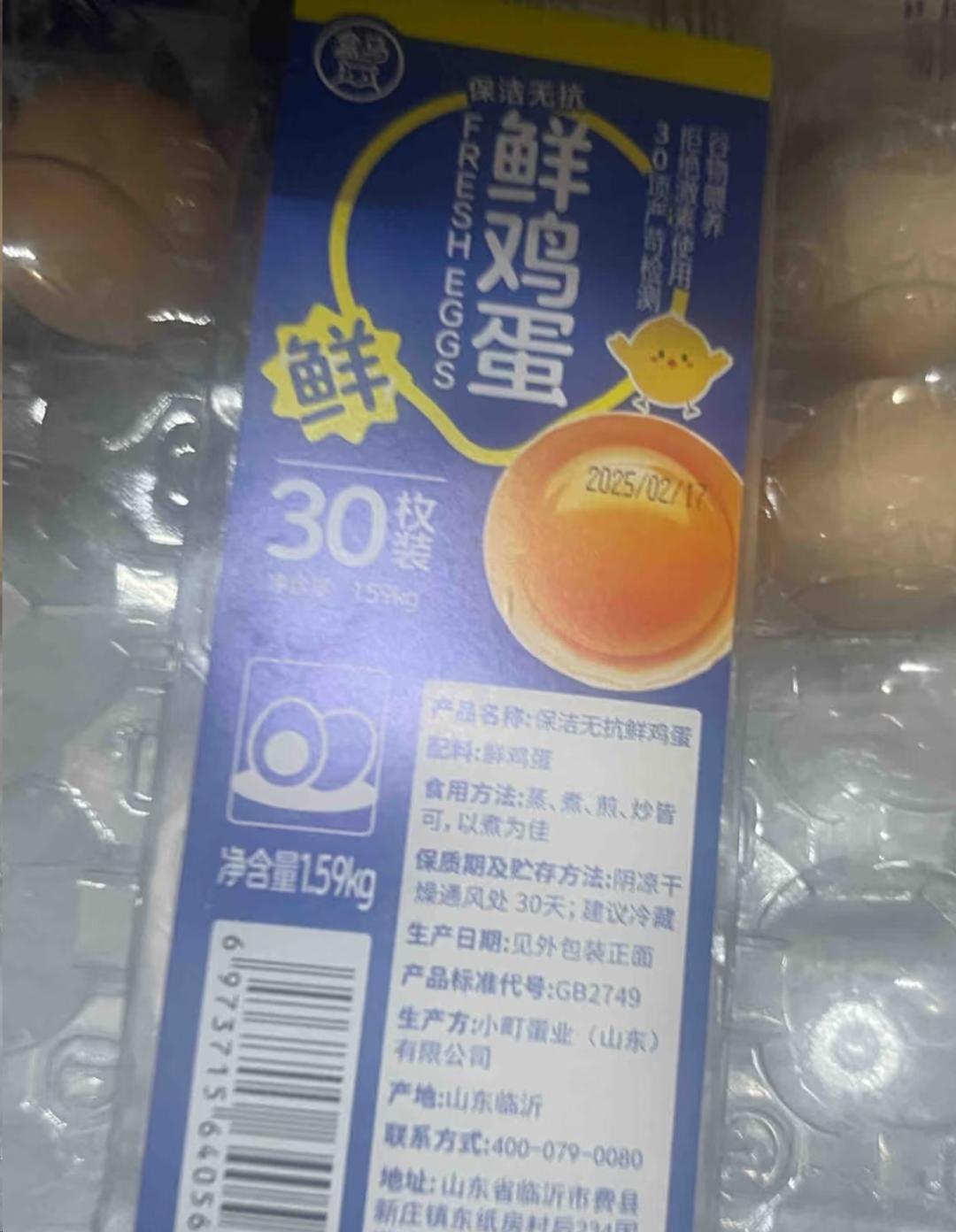
盒马供应商的“无抗鸡蛋”检测出抗生素,打工人加钱买的无菌虫草「概念蛋」有多少套路?
3 6 Ke· 2025-05-16 08:04
Core Viewpoint - The recent detection of antibiotic residues in "antibiotic-free" eggs sold by Hema has sparked significant consumer anxiety regarding food safety, raising questions about the reliability of such labels in the market [1][3][14]. Group 1: Incident Overview - On May 8, the Shandong Provincial Market Supervision Administration announced that a batch of "antibiotic-free" eggs from Hema was found to contain excessive levels of veterinary drug residues, including banned substances [1][3]. - The specific antibiotics detected were dimetridazole and trimethoprim, with the latter exceeding the maximum residue limit set by national standards [5][14]. - The affected eggs were sold by Qingdao Hema Network Technology Co., Ltd. and sourced from Xiaochi Egg Industry (Shandong) Co., Ltd. [3][5]. Group 2: Consumer Reaction - Consumers expressed disbelief and anger upon discovering that the "antibiotic-free" eggs they had been purchasing for years were not safe, leading to a surge in refund requests [9][10]. - Social media platforms saw a rapid increase in discussions and tutorials on how to obtain refunds for the affected eggs, highlighting the urgency of the situation [9][10]. Group 3: Market Implications - The incident has led to a broader trust crisis in the market for "antibiotic-free" eggs, with consumers questioning the safety of all egg products [14][19]. - The concept of "antibiotic-free" eggs emerged in response to public concerns over antibiotic residues in food, but the lack of a unified national standard for such products has created confusion [19][22]. - The price of "antibiotic-free" eggs is significantly higher than regular eggs, with some consumers now questioning whether the premium is justified given the recent findings [23][25]. Group 4: Industry Standards and Practices - The absence of clear and consistent standards for "antibiotic-free" labeling allows for varying interpretations among producers, leading to potential consumer deception [19][22]. - The incident has prompted discussions about the need for stricter regulations and clearer definitions regarding what constitutes "antibiotic-free" products in the market [19][22]. - The reliance on self-regulation by companies, such as the claims made by producers about their products, raises concerns about accountability and consumer safety [19][22].