衣物柔顺剂

Search documents
消费市场步入精算时代,品牌新品如何做到叫好又叫座?
Sou Hu Cai Jing· 2026-02-08 15:53
Group 1 - The consumer industry is entering a rational era by 2025, where consumers become more discerning and focus on product quality rather than brand marketing stories [2] - Successful new products must meet unmet consumer needs with high value, including efficacy and emotional value, while also being perceived as cost-effective [2] - Consumer purchasing behavior is stratified by price segments: low-end consumers prioritize cost-effectiveness, high-end consumers focus on perceived value, and mid-range consumers seek a balance of both [2] Group 2 - The demand for higher-level efficacy in products is becoming a common pursuit among consumers, with a shift from basic needs to more specialized benefits [3] - In oral care, consumers are increasingly looking for products that not only clean but also provide whitening and sensitivity relief, with whitening being the top-selling feature [6] - The pet care market is seeing a trend towards "humanization," where pet owners seek products that offer advanced benefits like digestive health and skin care, reflecting a similar trend in human consumer behavior [8] Group 3 - The market is witnessing a growing preference for complex ingredient combinations in health products, moving from simple supplements to multi-ingredient formulations [10] - Brands can efficiently innovate by cross-applying popular ingredients from other industries, which can lead to immediate market success [12][15] - Data-driven insights are essential for brands to identify and capitalize on emerging trends in efficacy and pricing strategies [19] Group 4 - Consumers are becoming increasingly price-sensitive, focusing on perceived value rather than absolute low prices, leading to a more calculated approach to purchasing [19][20] - Brands must adopt a meticulous pricing strategy to align with consumer expectations and avoid pitfalls associated with price wars [28][30] - The clothing cleaning market is experiencing a shift where premium products are growing faster than budget options, indicating a potential opportunity for brands to target higher price segments [30] Group 5 - Brands need to differentiate their products by offering unique, value-driven innovations that address unmet consumer needs, especially in a market where consumer demands are highly segmented [32] - The report emphasizes the importance of precise data analysis to uncover insights that can challenge existing industry perceptions and guide strategic decisions [32]

研判2025!中国衣物柔顺剂行业发展背景、产业链、市场规模、竞争格局、发展趋势:全民衣物护理意识觉醒,衣物柔顺剂行业规模持续扩大[图]
Chan Ye Xin Xi Wang· 2025-12-24 01:26
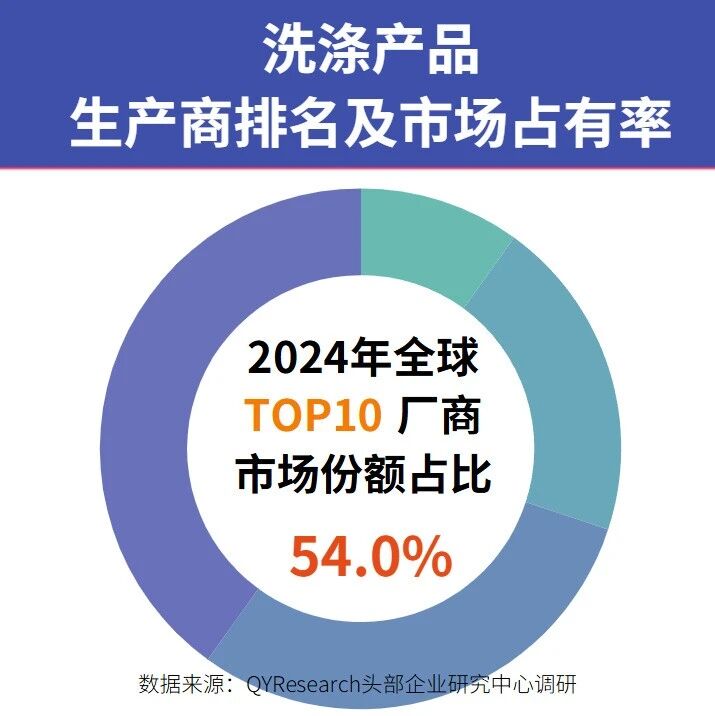
Core Insights - The Chinese fabric softener industry is experiencing steady growth, with the market size expected to reach 7.768 billion yuan in 2024, representing an 8.9% year-on-year increase. This growth is driven by rising disposable income and increased consumer willingness to spend on fabric care [1][12]. Industry Overview - Fabric softeners, also known as fabric care agents, are used to improve the softness, fluffiness, and static elimination of fabrics. They work by applying a protective film on fabric fibers, reducing friction and enhancing the inherent smoothness and elasticity of the fibers [3][4]. Market Dynamics - The growth of the fabric softener market is attributed to the continuous increase in disposable income and consumer spending in China. From 2020 to 2024, disposable income is projected to rise from 32,189 yuan to 41,314 yuan, while consumer spending is expected to grow from 21,210 yuan to 28,227 yuan [8]. Industry Chain - The fabric softener industry consists of an upstream segment that includes raw materials such as silicone oil, fatty acids, and packaging materials. The midstream involves production and processing, while the downstream focuses on sales channels, including e-commerce platforms and physical retail stores [8][9]. Sales Channels - Online e-commerce platforms have become a major sales channel for fabric softeners, allowing consumers in lower-tier cities to access a variety of products. The convenience of online shopping and promotional events have contributed to increased sales volume [10][11]. Competitive Landscape - The fabric softener market in China is characterized by a competition between foreign brands like Unilever and Procter & Gamble, and local companies such as Blue Moon and Liby. Local brands are gaining market share through competitive pricing and innovative marketing strategies [13][14]. Development Trends - Technological innovation is crucial for the ongoing development of the fabric softener industry. Companies are focusing on developing eco-friendly and safe formulations, as well as enhancing user experience through smart technologies [15][16]. - The integration of online and offline sales channels is becoming essential for market expansion, with companies needing to strengthen partnerships with e-commerce platforms [16]. - There is a growing demand for personalized and customized products in the fabric softener market, prompting companies to cater to diverse consumer preferences [16].

「双11洗护品类日」圆满收官:趋势内容破圈,“全民洗事”引爆生意新增长!
Sou Hu Wang· 2025-11-11 14:12
Core Insights - The article highlights the significant growth and trends in the personal care industry during the Double 11 shopping festival, driven by the rise of younger consumers who prioritize efficacy and sensory experiences [1][3][30] Group 1: Trends and Consumer Behavior - The event identified three major trends: "Warm Fragrance for Winter," "Seasonal Moisturizing," and "Segmented Care," which are shaping consumer preferences and driving sales [4][6][7] - The "Warm Fragrance for Winter" trend saw a 15-fold increase in mouth freshener sales and a 216% increase in fabric softener sales, indicating a strong demand for scented products [6] - The "Seasonal Moisturizing" trend led to a 913% increase in children's lotion and cream sales, reflecting a shift towards more comprehensive skincare routines [7] - The "Segmented Care" trend resulted in a 280% increase in leather care products, showcasing the growing importance of specialized cleaning solutions [8] Group 2: Event Performance and Engagement - During the event, eight categories experienced over 485% year-on-year growth, with 236 live streaming sessions and 21 sessions achieving sales exceeding 10 million [3][11] - The "Washing Night Grand Stage" event attracted significant attention, generating over 1.2 billion views and a 159% increase in gross merchandise value (GMV) [13][15] - The collaboration with over 50 brands and participation from more than 10 influencers helped create a diverse content matrix, leading to a 60% increase in live streaming views [11][17] Group 3: Marketing Strategies - The campaign utilized various marketing strategies, including celebrity endorsements, live demonstrations, and real ingredient sourcing, to enhance brand trust and consumer engagement [24][26][27] - The "Life Events" theme was leveraged to create a festive atmosphere, integrating consumer experiences with product promotions [22] - The combination of trend releases, large-scale events, and extensive live streaming created a powerful marketing synergy, resulting in record-breaking sales and engagement [30]

行业聚焦:全球洗涤产品市场头部企业份额调研(附Top 10 厂商名单)
QYResearch· 2025-10-16 02:18
Core Insights - The global laundry products market is projected to reach a volume of 33,845.5 thousand tons in 2024, with an average price of $2.26 per kilogram [1] - The market is expected to grow at a compound annual growth rate (CAGR) of 2.5%, reaching a size of $89.44 billion by 2031 [1] Market Overview - The main drivers of the laundry products market include increased consumer awareness of hygiene, convenience, and garment care, along with rising disposable incomes and accelerated urbanization [1] - The demand for premium detergents, eco-friendly formulations, and innovative product forms (such as laundry pods, liquid detergents, and concentrated powders) is on the rise [1] Market Segmentation - Detergents currently dominate the market, accounting for approximately 69.0% of the total market share [9] - Home use is the primary application segment, representing about 60.3% of the demand [12] Key Players - Major manufacturers in the global laundry products market include P&G, Unilever, Henkel, Kao, Liby, Nice Group, Church & Dwight, Blue Moon, Colgate, and Clorox [7] - The top ten manufacturers hold around 54.0% of the market share in 2024 [7] Driving Factors - Urbanization and the expansion of the middle class in emerging economies are driving demand for modern household products, including laundry detergents [15] - The increasing penetration of washing machines, particularly in developing countries, is a significant factor driving the need for compatible detergents [15] - Modern consumers prefer convenient and premium detergents, with liquid detergents and pods gaining popularity over traditional powders [16]