
西伯利亚力量2号

Search documents
中俄天然气大战?普京要体面价格,中国坚守原则,这场博弈如何?
Sou Hu Cai Jing· 2025-12-03 11:57
Core Viewpoint - The article discusses the geopolitical and energy dynamics between Russia and China, particularly focusing on the construction of the "Power of Siberia 2" gas pipeline, which aims to reshape energy exports and economic relations in the context of the ongoing Russia-Ukraine conflict [1][22]. Group 1: Energy Strategy and Market Dynamics - Following the Russia-Ukraine conflict, Russia has lost approximately 70% of its energy export market, prompting a strategic pivot towards China as a new market for its natural gas [3][14]. - The "Power of Siberia 2" pipeline is expected to transport up to 50 billion cubic meters of gas annually, which is about one-third of Russia's previous exports to Europe [9][14]. - The project is not only an economic initiative but also a strategic lifeline for Russia, aiming to demonstrate its ability to adapt and reshape its export landscape despite Western sanctions [5][22]. Group 2: Technical and Logistical Challenges - The pipeline will span over 2,600 kilometers, starting from the Yamal Peninsula and passing through Mongolia before reaching northern China, facing significant technical and geographical challenges [9][10]. - The construction involves complex negotiations regarding route selection, environmental assessments, and investment sharing among the three countries involved [10][12]. Group 3: Pricing Negotiations and Economic Implications - Pricing has emerged as a central issue in negotiations, with Russia seeking a "decent" price that reflects its economic interests and national dignity, while China insists on market-driven pricing [7][18]. - Initial investment for the pipeline is projected to exceed $13 billion, with ongoing maintenance and transportation costs also being significant factors in the negotiations [16][18]. - The outcome of these pricing discussions will have profound implications for Russia's economic recovery in the Far East, China's energy security, and the overall energy landscape in Eurasia [20][23].

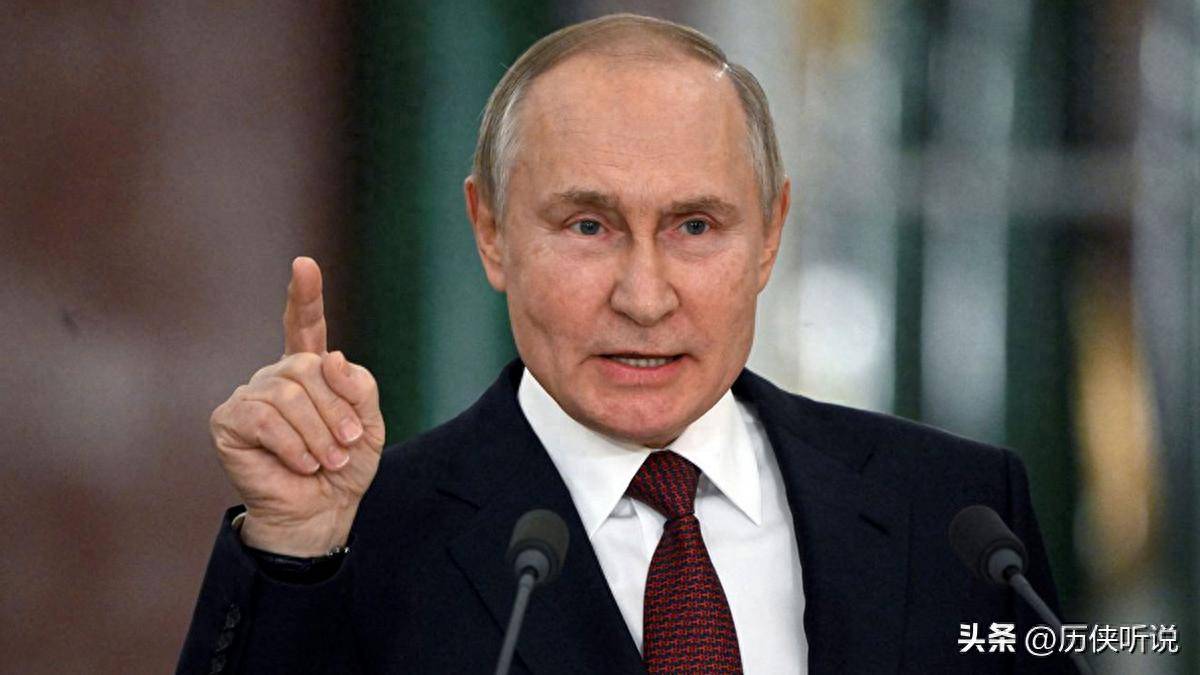
俄中能源合作前景如何?中国计划如何吸引更多俄游客?中国驻俄大使回应
Xin Lang Cai Jing· 2025-09-30 13:28
Group 1: Current State of China-Russia Relations - China-Russia relations are at their historical best, characterized by mutual cooperation and strategic collaboration, unaffected by third-party interference [1][2] - High-level visits between the two countries' leaders have deepened their friendship and set a clear direction for future cooperation [1][2] Group 2: Economic and Energy Cooperation - China and Russia are expanding cooperation in various sectors including trade, investment, energy, agriculture, and technology, aiming to create benchmark projects that enhance resilience and efficiency [2][3] - The energy partnership is crucial for both nations, providing China with diversified energy sources and contributing to global energy market stability [2][3] Group 3: Tourism and Cultural Exchange - A new visa-free policy for Russian passport holders is expected to significantly increase the number of Russian tourists visiting China, with estimates of a 20% to 30% rise in tourist numbers [3][5] - Popular tourist destinations for Russian visitors include major cities like Beijing, Shanghai, and Sanya, with efforts underway to improve services and enhance the travel experience [5] Group 4: Multilateral Cooperation - The BRICS and Shanghai Cooperation Organization (SCO) frameworks are seen as vital platforms for emerging markets to collaborate and counter unilateralism and protectionism [6][7] - The SCO has grown to include 26 member countries, focusing on practical cooperation in various fields, which enhances its global influence [6] Group 5: Trade and Economic Policies - China emphasizes that trade wars and tariff conflicts yield no winners and advocates for open trade to achieve mutual benefits [7] - The country is committed to resisting all forms of protectionism and promoting an open global economy, which aligns with its broader economic strategy [7]