西贝酸奶屋

Search documents
一切要从西贝上市说起
虎嗅APP· 2026-01-17 03:06
Core Viewpoint - The article discusses the challenges faced by Xibei, a Chinese restaurant chain, as it prepares for an IPO in 2026, highlighting its recent struggles, including the closure of over 100 stores and a significant financial loss attributed to both market conditions and public relations issues [5][10][32]. Group 1: Company Background and Financial Performance - Xibei, founded by Jia Guolong, has grown from a small eatery in Inner Mongolia to over 370 stores across 62 cities, achieving annual sales exceeding 60 billion yuan in 2023 with a net profit margin around 5% [10][11]. - The company has attempted multiple side ventures in the fast-food sector, all of which have failed, leading Jia to refocus on the core brand [10][11]. - In 2024, Xibei experienced a significant decline in business, prompting a reevaluation of its expansion strategy and store layout [11][12]. Group 2: Strategic Decisions and Market Position - Jia Guolong announced plans for an IPO in 2026, aiming for a market valuation exceeding 100 billion yuan, which necessitated rapid expansion and increased store numbers [11][12]. - The brand underwent a rebranding from "Xibei Youmian Village" to "Xibei" to simplify its image and improve operational efficiency [12]. - Xibei invested 3 million yuan in 2023 to upgrade its production line, resulting in improved efficiency and reduced costs [13][14]. Group 3: Challenges and Market Dynamics - The article highlights a critical misalignment in Xibei's business model, where it struggles to balance high operational costs with consumer expectations for quality and pricing [26][29]. - Xibei's pricing strategy, which positions it in the mid-range market (70-100 yuan per meal), has led to difficulties in maintaining profitability while competing with both low-cost and high-end dining options [24][25][29]. - The company faced a public relations crisis following a negative review from a prominent figure, which exacerbated existing issues related to its business model and market positioning [21][32]. Group 4: Future Outlook - The article suggests that even without the public relations incident, Xibei's challenges stem from deeper issues within its business strategy and market adaptation [23][32]. - The current market environment, characterized by oversupply and changing consumer behavior, poses significant risks for Xibei's future growth and sustainability [31][32].

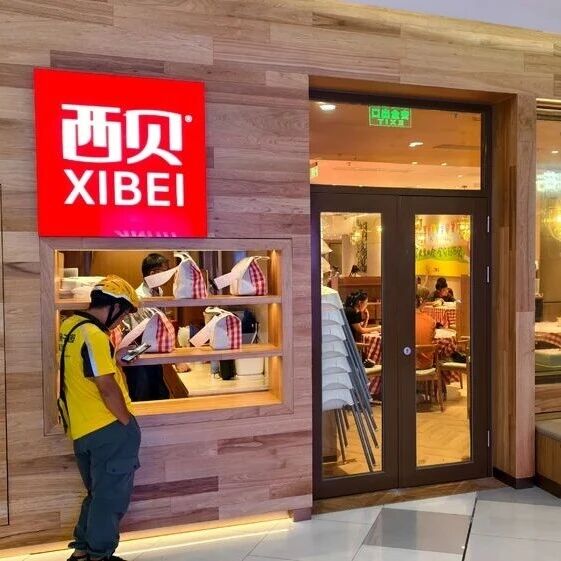
贾国龙决定同归于尽
Xin Lang Cai Jing· 2026-01-16 05:51
Core Viewpoint - The founder of Xibei, Jia Guolong, announced the closure of 102 stores, representing one-third of its locations and affecting 4,000 employees, amid a crisis that has led to losses exceeding 500 million yuan [1][37][60]. Group 1: Business Challenges - Xibei has not achieved profitability in any of its stores since the onset of the public relations crisis [1][37]. - The company has issued 300 million yuan in consumer vouchers, resulting in a 20% reduction in average transaction value, yet customer traffic remains down by 50% year-on-year [59][60]. - The crisis originated from a social media post by Luo Yonghao, which criticized Xibei's use of pre-made dishes, escalating into a significant public relations battle [5][41]. Group 2: Founder’s Background and Philosophy - Jia Guolong, who dropped out of college due to health issues, demonstrated early entrepreneurial skills by starting various businesses before founding Xibei in 1999 [7][47]. - He believes in high-quality ingredients and has built a reputation for Xibei based on this principle, leading to a successful two-decade run [12][47]. - Jia's management style is characterized by a demanding work culture, which he equates with the joy of striving for excellence [12][48]. Group 3: Strategic Missteps - Jia's reaction to criticism was defensive, leading to a series of miscalculations, including a decision to sue rather than engage constructively with consumer feedback [20][55]. - He has acknowledged tactical errors, such as not handling the situation with humor and exposing kitchen practices that revealed pre-made elements [18][53]. - The company's attempts to pivot towards fast food have largely failed, with multiple new concepts introduced but none achieving success [16][52]. Group 4: Future Outlook - The closure of 102 stores signifies not just a physical retreat but also the collapse of Jia's ambition for Xibei to become a company valued at over 100 billion yuan [68][66]. - Jia has expressed a commitment to continue fighting for the company's survival, reflecting a determination to adapt despite the challenges faced [69][71]. - The changing consumer landscape, which now prioritizes value over brand education, poses a significant challenge for Xibei moving forward [28][61].
以产品主义著称的西贝,为何走上标准化快餐之路?
Sou Hu Cai Jing· 2025-09-16 10:38
Core Viewpoint - The controversy surrounding the restaurant chain Xibei, triggered by a critical social media post from entrepreneur Luo Yonghao, highlights the blurred lines between "pre-prepared dishes" and "pre-prepared processes" in the modern dining industry, raising consumer awareness about their rights [2][3] Company Overview - Xibei, founded by Jia Guolong in 1999, has grown into a national dining brand with over 360 locations and annual revenue exceeding 2 billion yuan at its peak, built on strong brand recognition, high average spending, and a focus on service experience [2][3] - The company initially focused on traditional dining but has attempted to pivot towards fast food through various sub-brands since 2015, aiming to replicate the success of global fast-food giants like McDonald's and KFC [3][5] Challenges Faced - Jia Guolong's attempts to standardize fast food offerings have led to operational inefficiencies, with slow service times and low table turnover rates, contradicting the fast-food model that prioritizes speed and cost-effectiveness [5][6] - The sub-brands have suffered from poor brand positioning and naming, leading to consumer confusion and low repeat purchase rates, as they failed to clearly communicate their value propositions [6][8] Strategic Missteps - The pricing strategy of the sub-brands has placed them in a "pricing trap," where they cannot compete effectively with either low-cost fast food or established chain brands, resulting in a lack of customer interest [6][8] - The organizational structure of Xibei, which is oriented towards traditional dining, lacks the necessary capabilities for fast food operations, leading to operational mismatches and consumer dissatisfaction [8][9] Future Direction - In June 2024, Jia Guolong announced a strategic shift, elevating "Jia Guolong Small Pot Beef" to a new growth line, moving away from low-cost fast food and refocusing on maximizing customer value and enhancing brand experience [9][10] - The lessons learned from the failed sub-brands emphasize the importance of sustainable profitability over mere expansion, suggesting that a more tailored approach to scaling in the Chinese dining market may be more effective than blindly pursuing the "ten-thousand store" model [9][10]