
货币增强产品

Search documents
基金结算新规封堵货币增强套利
2 1 Shi Ji Jing Ji Bao Dao· 2025-11-28 01:42
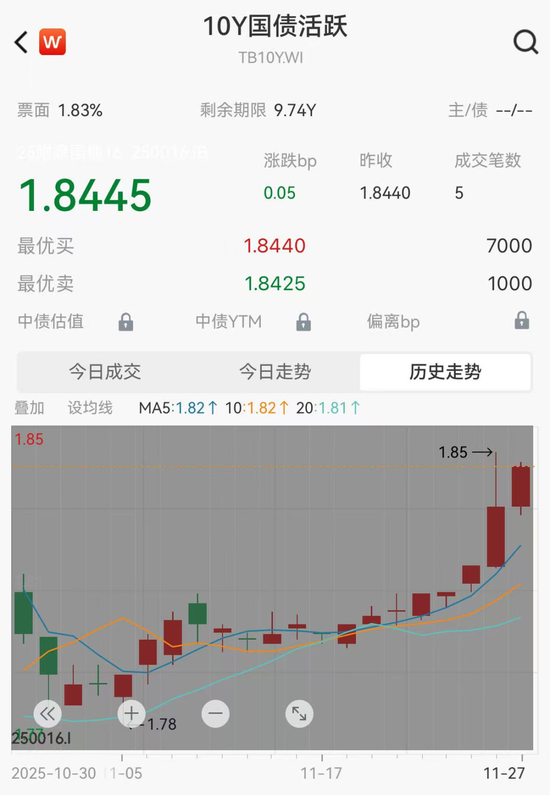
Core Viewpoint - The recent regulatory changes in the Chinese bond market, particularly regarding the "money market enhancement" strategy, are expected to significantly impact the efficiency of fund transactions and the profitability of certain financial institutions [1][9]. Regulatory Changes - The latest "Institutional Regulatory Situation Bulletin" has been released, detailing the timeline for fund subscription and settlement, aimed at improving transaction efficiency and reducing the time funds are in transit [1][5]. - The new regulations are seen as a measure to close loopholes in the "money market enhancement" strategy, which previously allowed some banks to enhance returns through interest rate subsidies [1][6]. Impact on Financial Institutions - Institutions that relied on the previous arbitrage model may face pressure to adjust product yields and reassess the sustainability of their strategies [1][9]. - The bulletin is expected to significantly hinder the business model of third-party fund distribution agencies, which have dominated the market [7][9]. Market Reactions - Following the announcement, bond yields have experienced an upward trend, with the yield on the 10-year government bond rising from a low of 1.81% to around 1.84% [1]. - Fund institutions have been identified as the main force behind the recent bearish sentiment in the bond market, although the overall impact is considered limited [9][10]. Historical Context of "Money Market Enhancement" - The "money market enhancement" strategy involved additional yield subsidies from third-party distributors, which allowed investors to benefit from a longer effective yield period than the actual time their funds were invested [3][4]. - This strategy has been criticized as unsustainable and akin to exploiting regulatory gaps [4][6]. Future Considerations - The overall stability of the yield and scale of wealth management products will be crucial in the coming year, particularly in light of potential further regulatory tightening [10].

基金结算新规封堵货币增强套利
21世纪经济报道· 2025-11-28 01:40
Core Viewpoint - The recent regulatory changes in the fund sales settlement mechanism aim to enhance fund transaction efficiency and curb the "money-enhanced" arbitrage practices that have been prevalent in the market [2][4][10]. Group 1: Regulatory Changes - The latest "Institutional Supervision Situation Bulletin" specifies the timeline for fund subscription and settlement, intending to improve efficiency and reduce the time funds remain in transit [2][9]. - The new regulations are expected to significantly enhance the efficiency of fund usage and protect investor interests by reducing opportunity costs associated with fund occupation [4][13]. Group 2: Impact on "Money-Enhanced" Mechanism - The adjustment in the fund sales settlement mechanism is seen as a measure to close loopholes in the "money-enhanced" arbitrage strategy, which has allowed institutions to gain additional returns through time differences in fund transactions [3][10]. - Previously, the "money-enhanced" strategy involved providing additional annualized returns of 0.6% to 0.8% through intermediaries, which could increase the annualized yield of money market funds significantly [8][7]. Group 3: Market Reactions - Following the announcement of the new regulations, the bond market experienced an upward trend in yields, with the 10-year government bond yield rising from a low of 1.81% to a peak of 1.85% [4][17]. - Fund institutions have been identified as the main force behind the recent bearish sentiment in the bond market, although the overall impact is considered limited [17][18]. Group 4: Future Considerations - The ongoing regulatory scrutiny may lead to further adjustments in the mechanisms governing fund yields, which could affect the asset allocation and net value fluctuations of financial products [18][16]. - The stability of fund scales and net values will be crucial to monitor in the coming year, as any regulatory tightening could amplify market impacts, particularly on short-term assets [18][16].

基金结算新规或终结理财“货币增强” 但对债市影响有限
2 1 Shi Ji Jing Ji Bao Dao· 2025-11-27 12:37
Core Viewpoint - Recent regulatory changes in the Chinese bond market are expected to impact the "enhanced money market fund" strategy, leading to increased short-selling sentiment in the bond market [1][8]. Regulatory Changes - The latest "Institutional Supervision Situation Report" was released on November 24, detailing the timeline for fund subscription and settlement to improve efficiency and reduce the time funds are in transit [1][5]. - The new regulations aim to close loopholes in the "enhanced money market fund" arbitrage strategy and impose direct constraints on banks' long-term practices of enhancing yields through "interest subsidies" [1][4]. Impact on Market - The bond market has seen a rise in yields across various maturities, with the yield on the 10-year government bond increasing from a low of 1.8095% to a high of 1.8460% within a few days [1]. - The new rules are expected to significantly enhance fund utilization efficiency and reduce opportunity costs associated with fund occupation, benefiting investor interests [1][4]. Enhanced Money Market Fund Mechanism - The "enhanced money market fund" strategy involves additional yield subsidies from intermediaries, which can increase annualized returns by 30-40 basis points [2][3]. - Under the previous rules, funds could remain in intermediary accounts for several days, allowing investors to enjoy returns for longer than the actual investment period, effectively transferring losses to retail investors [2][3]. Market Dynamics - The new regulations are likely to disrupt the business model of third-party fund distribution institutions, which have been the largest players in this market [6][7]. - Despite the anticipated impact, some market participants believe the overall effect on the market will be limited, as the scale of the "enhanced" strategy was relatively small [8][9]. Future Considerations - The stability of the overall yield of wealth management products and their asset allocation will be crucial in the coming months, especially if regulatory constraints tighten further [9].
银行理财又现“贴息”大法
2 1 Shi Ji Jing Ji Bao Dao· 2025-07-10 12:35
Core Viewpoint - The rise of "currency enhancement" strategies in wealth management products is a response to the diminishing high-yield, low-risk investment options in the current market environment, aiming to attract investors seeking better returns than traditional savings accounts and money market funds [1][2]. Group 1: Product Characteristics - "Currency enhancement" products typically offer yields around 2%, which, while lower than previous high-yield savings options, still exceed standard money market fund returns, making them attractive for liquidity management [2][3]. - These products involve wealth management companies purchasing money market funds through third-party distribution channels, allowing them to receive additional interest subsidies from these distributors [2][3]. Group 2: Market Dynamics - The demand for "currency enhancement" products has surged due to a persistent "asset shortage" and clients' extreme desire for stable returns, prompting wealth management firms to compete for higher yields [1][8]. - Third-party distributors and brokerages are increasingly involved in this market, with some brokerages starting to offer these products as they face shortages in subsidy resources from third-party institutions [2][7]. Group 3: Operational Mechanism - The operational model involves wealth management companies buying money market funds on a Thursday and redeeming them the following Wednesday, allowing for a strategic use of the time funds spend in the distributor's custody to generate additional interest [3][4]. - This model can enhance the annualized yield of money market funds by approximately 30-40 basis points, depending on the specific operational strategies employed [3][4]. Group 4: Stakeholder Implications - Wealth management companies benefit from stable net asset value increases without taking on additional risks, while distributors gain scale by offering these products [7][8]. - However, this practice can disadvantage existing money market fund investors, as the additional returns are derived from the profits of other fund holders, leading to potential systemic risks as more participants enter the market [7][8].