
资产担保债券

Search documents
2025年结构融资:境外资产证券化市场回顾及热点洞察
Sou Hu Cai Jing· 2026-01-03 07:57
Group 1 - The report highlights the resilience and evolution of the international asset securitization market, despite experiencing cyclical fluctuations. It emphasizes that asset-backed securities remain a crucial component of the global capital market, with ongoing developments in structure, asset types, and regulatory frameworks [1][3]. - In the U.S. market, asset securitization products accounted for approximately 19% of the fixed income market issuance in 2024, down from a peak of 38% in 2021. The market is primarily divided into mortgage-backed securities (MBS) and asset-backed securities (ABS), covering various underlying assets such as housing loans, auto loans, credit card debt, student loans, and commercial real estate [1][7][9]. - The European market is showing steady recovery, with a year-on-year growth of about 15% in issuance scale for 2024. The adoption of the "Simple, Transparent, Standardized" (STS) framework has significantly increased the proportion of compliant products, reflecting a growing demand for standardized and high-transparency offerings [1][3][18]. Group 2 - The report discusses the rising popularity of asset-backed securities (ABS), which have reached a historical high in global issuance in 2023, with Europe leading the market. These securities have the potential to break through the sovereign rating "ceiling," allowing issuers in constrained sovereign rating markets to expand their financing options [2][26]. - The report also focuses on overseas real estate investment trusts (REITs) holding domestic real estate, particularly in Hong Kong and Singapore. These cross-border products enhance resilience against cyclical fluctuations through diversified asset portfolios and flexible management mechanisms [2][3]. - Looking ahead, the report identifies the emergence of innovative asset securitization products, including those linked to data centers, aircraft leasing, and container leasing. The integration of artificial intelligence, blockchain technology, and environmentally related financial products is becoming a new trend in market development [3][6].


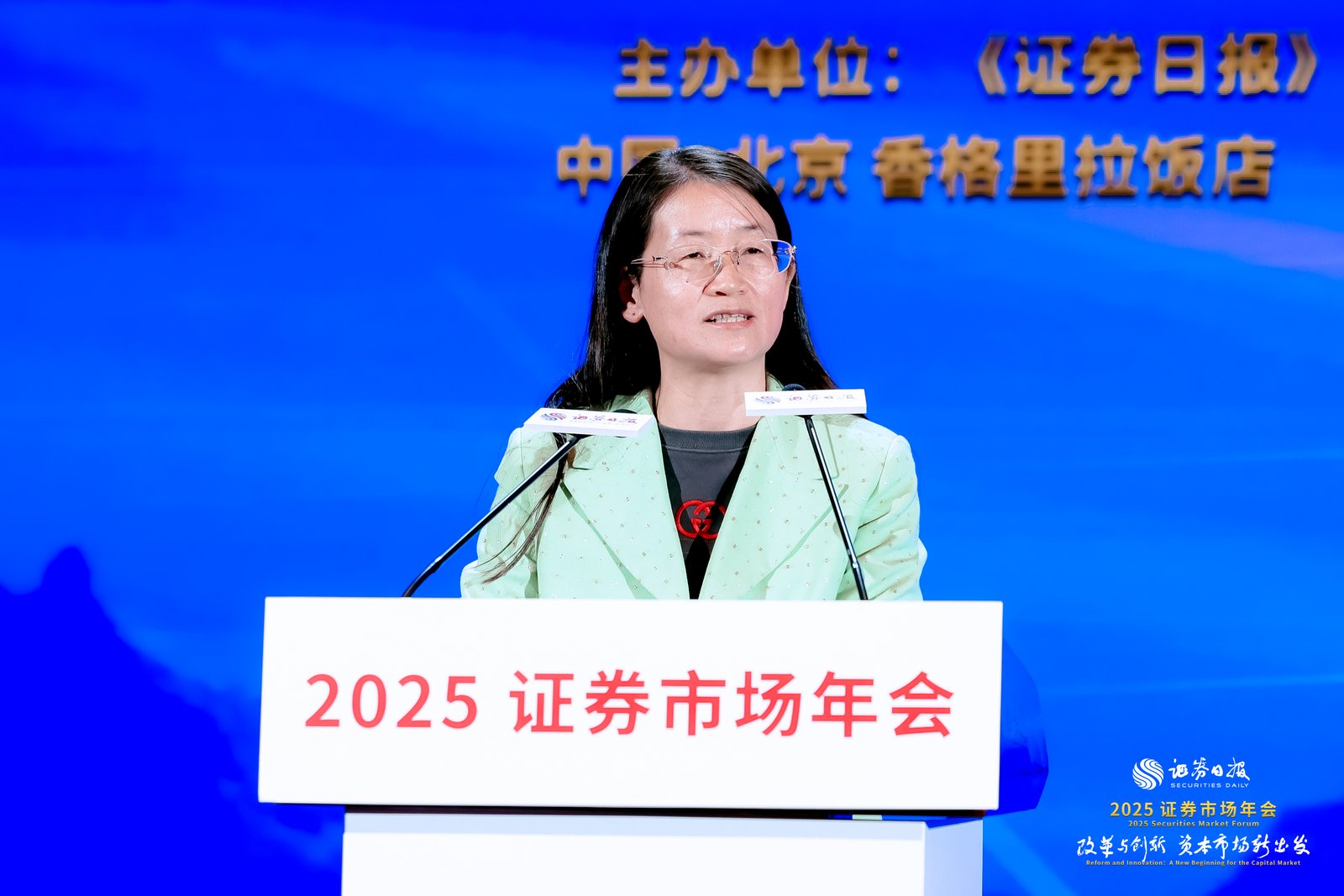
中国银行业协会党委委员、副秘书长杨江英:银行业做好“科技金融”大文章 助力科技强国建设
Zheng Quan Ri Bao· 2025-12-26 16:47
Core Viewpoint - The banking industry must innovate and establish a sustainable financial system that aligns with technological innovation to support the development of a strong technological nation [1][2]. Group 1: Technological Financial Development - The essence of "technological finance" is to price for the future and empower uncertainty, necessitating a sustainable development model through innovation and specialized operations [1][2]. - Banks should enhance the adaptability, relevance, and effectiveness of technological financial services by improving specialized service models, innovating product systems, and refining differentiated assessment frameworks [1][2]. Group 2: Practical Implementation - Banks should focus on supporting the development of new productive forces by optimizing financial supply based on local resources and industry foundations, establishing a diverse and specialized financial product service system [2]. - There is a need to deepen the integration of technological and industrial innovation, strengthen the coordination of industrial and financial policies, and respond promptly to changes in enterprise financial service demands [2]. Group 3: Role of Different Banking Institutions - Large state-owned and national commercial banks should leverage their comprehensive operational advantages to support major national technological tasks and facilitate capital circulation through various financial instruments [3]. - Small and medium-sized banks should create specialized technological financial service systems, focusing on technology-oriented SMEs and exploring diverse service models to meet the varied needs of rapidly developing technology enterprises [3]. Group 4: Collaborative Ecosystem - The banking industry should deepen multi-party cooperation, building a technological financial ecosystem and utilizing various financial instruments to provide comprehensive financial services for technology enterprises [4]. - The China Banking Association aims to promote the effectiveness of technological financial policies and enhance communication platforms to better support the development of new productive forces [4].

杨江英:银行业做好“科技金融”大文章,助力科技强国建设
Zheng Quan Ri Bao· 2025-12-26 06:46
Core Viewpoint - The conference emphasizes the importance of financial support for technological innovation and the need for a collaborative financial ecosystem to enhance the development of new productive forces in the economy [2][4]. Group 1: Economic Achievements and Projections - Since the 14th Five-Year Plan, China's economy has made significant achievements, with GDP expected to reach approximately 140 trillion yuan by 2025, an increase of nearly 40 trillion yuan compared to the end of the 13th Five-Year Plan [3]. - China has improved its global innovation index ranking from 34th in 2012 to 10th in 2025, becoming one of the fastest-growing economies in terms of innovation over the past decade [3]. - The number of patent applications based on the Patent Cooperation Treaty is projected to reach 70,160 in 2024, surpassing the United States and Japan by 30% and 45%, respectively [3]. Group 2: Financial Support for Technology - The banking sector has recognized the political and social responsibilities of financial work, actively integrating into the broader economic context and enhancing policies to support technological innovation [3][4]. - The annual growth rate of technology loans has averaged 27.2% since the 14th Five-Year Plan, with a balance of technology loans reaching 44.1 trillion yuan by the end of Q2, a year-on-year increase of 12.5% [3]. - The weighted average interest rate for newly issued technology loans was 2.90% in June, lower than the average rate for all new corporate loans by 0.36 percentage points [3]. Group 3: Strategic Directions for Financial Institutions - The 20th National Congress of the Communist Party of China highlighted the goal of significantly improving the level of technological self-reliance and strengthening the development of various financial sectors, including technology finance [4]. - Financial institutions are encouraged to innovate and establish sustainable development models for technology finance, focusing on the unique characteristics of technology enterprises [5]. - A differentiated assessment and evaluation system for technology finance is proposed, emphasizing the importance of supporting technology enterprises through tailored financial products and services [6]. Group 4: Collaborative Financial Ecosystem - The banking sector is urged to promote a virtuous cycle of "technology-industry-finance" by directing more financial resources towards technological innovation and supporting the construction of a modern industrial system [7]. - Collaboration between large commercial banks and smaller banks is essential to create a multi-layered, sustainable technology finance service system, leveraging their respective strengths [9][10]. - The establishment of a technology finance ecosystem involving various financial instruments and partnerships is crucial for providing comprehensive financial services to technology enterprises [10].
结构融资:境外资产证券化市场回顾及热点洞察
Sou Hu Cai Jing· 2025-12-26 04:25
Group 1: Overview of the Overseas Asset Securitization Market - The overseas asset securitization market shows significant resilience and structural changes in 2025, influenced by multiple macro factors [1] - In the US, the issuance scale of asset securitization products reached approximately $1.7 trillion in 2024, accounting for 19% of the fixed income market, with MBS and ABS remaining the main products [1] - The European market is steadily recovering, with a 15% year-on-year growth in issuance scale for 2024, driven by the STS framework, which increased the compliance product share to 25%-30% [1] Group 2: Highlights of Asset-Backed Securities - Asset-backed securities (ABS) became a highlight in 2023, with a global issuance volume reaching a new high of €689 billion, frequently surpassing the sovereign rating "ceiling" [1] - International rating agencies like S&P and Fitch allow asset-backed securities to be rated up to 4-6 notches above sovereign ratings under specific conditions, emphasizing the importance of a sound judicial system, structural mitigation mechanisms, and collateral quality [1] - An example includes an asset-backed security issued by an Asian country receiving a AAA rating, exceeding its AA sovereign rating, showcasing the unique advantages of asset-backed securities in credit isolation and risk mitigation [1] Group 3: Cross-Border Real Estate Investment Trusts (REITs) - Hong Kong and Singapore REITs holding assets in China demonstrate the ability to navigate through cycles, attributed to a highly diversified portfolio covering various asset types such as offices, logistics, and data centers [2] - Successful strategies include flexible acquisition and exit mechanisms, a 50% leverage cap providing financing flexibility, and dynamic asset management strategies [2] - In contrast, failed cases often stem from single asset types, regional concentration, or governance issues, highlighting the importance of asset quality and risk control systems [2]

结构融资:境外资产证券化市场回顾及热点洞察(一)
Sou Hu Cai Jing· 2025-12-25 01:02
Market Overview - The US asset securitization market's share of the overall fixed income market has decreased from a peak of 38% in 2021 to approximately 19% in 2024, yet it remains a crucial component of the capital market [7][9]. - The market is divided into two main categories: mortgage-backed securities (MBS) and asset-backed securities (ABS), with issuance volumes fluctuating significantly due to macroeconomic and policy factors [7][11]. - Following a historical high in issuance during 2021-2022, the market saw a decline due to interest rate hikes, but began to recover gradually in 2023 [17]. - The European asset securitization market has a substantial existing scale, with issuance recovering in 2023, and is characterized by placed and retained issuance types, with the former's share increasing [18][19]. Market Hotspots - Asset-backed securities are gaining attention as a debt instrument backed by a pool of assets, favored by investors due to their dual recourse feature, with over thirty countries having issued such securities globally [25]. - The issuance volume of asset-backed securities is expected to reach a historical high in 2024, with Europe being the primary market [27]. - The STS (Simple, Transparent, and Standardized) framework has been instrumental in increasing the share of related products in the European market, rising from 1-2% to approximately 25-30% in recent years [26]. Market Insights - Cross-border REITs in Hong Kong and Singapore, which hold domestic real estate, enhance risk resilience through diversified investment portfolios across geographic locations and asset types [2][45]. - The asset preferences of REITs in both regions differ, and they possess mature project acquisition exit mechanisms, flexible financing models, and dynamic asset operation risk management [2]. - Some REITs face challenges due to single asset types and poor location, reflecting the impact of these factors on performance [2]. Market Outlook - The offshore structured financing market is witnessing innovative development trends, driven by blockchain and digitalization, with emerging asset securitization products like data center financing and private credit becoming new growth points [2]. - Overall, the offshore asset securitization market is gradually recovering amidst fluctuations, with innovative products and mature operational mechanisms driving sustained industry growth [2].

2025年结构融资:境外资产证券化市场回顾及热点洞察(一)-标普信评
Sou Hu Cai Jing· 2025-12-23 16:32
Market Overview - The global offshore asset securitization market is experiencing a differentiated recovery, with the US market remaining a significant component despite a decline in its share of the fixed income market compared to peak levels. As of Q3 2025, the issuance volume reached approximately $1.7 trillion, primarily backed by auto loans, credit cards, and student loans [1][2] - The European market has a substantial existing scale, with issuance recovering since 2023, totaling around €188.7 billion in the first half of 2025. The share of placement-type products is continuously increasing, with STS (Simple, Transparent, and Standardized) products becoming a key growth driver, focusing on consumer loans as the underlying assets [1][2] Market Hotspots - Asset-backed securities (ABS) are a core market hotspot, demonstrating strong resilience against risks. The global issuance volume for these products reached a historical high in 2024, with Europe being the primary market. The ability to surpass sovereign rating ceilings is a significant highlight, with major rating agencies allowing upgrades of up to six notches above sovereign ratings [2][3] - Cross-border REITs (Real Estate Investment Trusts) in Hong Kong and Singapore exhibit distinct characteristics and a diversified landscape. These products showcase strong cyclical resilience through diversified investment portfolios, mature acquisition and exit mechanisms, and flexible financing models. However, some products face challenges due to reliance on single asset types and regional structural risks, emphasizing the importance of asset quality and risk control [2][3] Market Insights - The future of the market will focus on innovative products and digital transformation. Emerging trends include the rise of new asset securitization products such as data centers and private credit, with blockchain technology driving digital upgrades in the industry. Overall, the offshore asset securitization market is gradually returning to stability after fluctuations, with high-quality underlying assets, robust risk control mechanisms, and flexible product designs becoming core competitive advantages [3]

标普信评带你看世界——结构融资:境外资产证券化市场回顾及热点洞察
Xin Lang Cai Jing· 2025-12-04 11:29
Market Overview - The U.S. asset-backed securities (ABS) market's issuance share of the overall fixed income market has decreased from a peak of 38% in 2021 to approximately 19% in 2024, yet it remains a significant component of the U.S. capital market [3][68]. - The total issuance of asset-backed securities in the U.S. reached $10.43 trillion, with a notable decline in 2022 due to the Federal Reserve's interest rate hikes and rising credit risks, leading to a 53% drop in issuance [5][78]. - As of the end of Q3 2025, approximately $1.7 trillion has been issued in the U.S. asset-backed securities market in 2024, indicating a recovery trend [13][78]. Market Insights - The European asset-backed securities market has shown recovery since 2023, with an estimated issuance of €2.449 trillion in 2024, reflecting a year-on-year growth of about 15% [14][85]. - By the end of Q2 2025, the total outstanding size of the European asset-backed securities market was approximately €125.3 billion, primarily composed of RMBS and CDO/CLO, which accounted for 46% and 22% respectively [14][85]. - The share of placed issuance in the European asset-backed securities market has increased from about 38% in 2015 to approximately 63% in 2025, indicating a trend towards more marketable securities [14][85]. Market Hotspots - The global issuance of asset-backed bonds reached a record high of €689 billion in 2023, driven by demand for alternative financing tools as banks shifted away from quantitative easing [35][95]. - Asset-backed bonds have demonstrated resilience even during economic turmoil, with Europe remaining the largest market for these securities, having issued over €140 billion by the end of 2024 [35][95]. - Notably, asset-backed bonds have been rated above sovereign ratings in certain cases, with examples showing ratings exceeding sovereign levels by up to 4 notches due to structural mitigants and legal frameworks [29][31][36]. Market Outlook - The asset-backed securities market is expected to continue evolving with innovative products and development trends, particularly in response to macroeconomic conditions and regulatory changes [67].

三部门出台银行业保险业支持科创“施工图”
Zhong Guo Zheng Quan Bao· 2025-08-08 07:26
Core Viewpoint - The implementation plan aims to enhance the financial support for technological innovation by increasing credit loans for tech enterprises and reforming insurance investment practices to promote high-quality development in the financial sector [1][2][3]. Group 1: Financial Support Measures - The plan emphasizes increasing credit loans for technology-oriented enterprises, including flexible interest rate settings and repayment methods [1][3]. - It encourages the establishment of private equity funds by insurance companies to invest in the stock market and hold investments long-term [1][3]. - Financial institutions are urged to enhance support for major national technology projects and small to medium-sized tech enterprises [2][3]. Group 2: Financial Product Development - There is a focus on expanding the technology credit loan offerings, with provisions for extending loan terms up to five years for businesses with longer cash flow recovery cycles [3]. - The plan promotes the development of insurance products that cover the entire process of technological innovation, including health management and occupational liability [3]. - It encourages collaboration between banks and investment institutions to develop combined loan and direct investment products [3]. Group 3: Professional Capability Enhancement - Financial institutions are encouraged to develop digital tools to improve enterprise identification and risk management [4]. - The establishment of a risk-sharing mechanism for technology insurance is highlighted, including the formation of co-insurance bodies [4]. - The plan calls for improved information infrastructure to support technology credit assessments and insurance pricing [4].
护航民企融资 金融力量持续释放
Zheng Quan Shi Bao· 2025-05-28 17:57
Core Insights - The Chinese government is enhancing financial support for private enterprises, with banks increasing credit and innovative financing products to improve the financing environment for these companies [1][2][5]. Group 1: Credit Financing Support - Credit remains the dominant financing method in China, with the People's Bank of China encouraging financial institutions to utilize structural monetary policy tools to support private enterprises [2]. - Major state-owned banks, such as Industrial and Commercial Bank of China, plan to provide at least 6 trillion yuan in financing to private enterprises over the next three years [2]. - Agricultural Bank of China reports that over 50% of its loans in technology finance and inclusive finance are directed towards private enterprises, with expectations of a loan balance exceeding 7.5 trillion yuan by the end of 2025 [2]. Group 2: Direct Financing Initiatives - The enthusiasm for bond financing among private enterprises has surged, supported by new tools and measures introduced since February [5][6]. - In the first quarter of 2025, private enterprises issued 85 debt financing instruments in the interbank market, totaling 76.25 billion yuan, accounting for over 90% of corporate credit bonds [6]. - The average issuance interest rate for private enterprise debt financing tools decreased to 2.86%, down 21 basis points from 2024 [6]. Group 3: Innovative Financial Products - Various innovative financial products have been launched to support private enterprises, including the first asset-backed securities (ABS) for equipment updates, which raised 4.554 billion yuan [8]. - The establishment of a credit information sharing platform for small and micro enterprises has facilitated financing for nearly 800 companies, with 90% being inclusive small and micro enterprises [8]. Group 4: Policy Support for International Expansion - Policy banks are also playing a crucial role in supporting private enterprises' international expansion, with the Export-Import Bank of China launching a special plan to enhance international trade cooperation [4]. - Financial institutions are developing comprehensive financial service plans to support foreign trade enterprises, particularly addressing the needs of small and medium-sized private enterprises facing funding shortages and exchange rate fluctuations [3].
科技金融高质量发展实施方案出台:推动更多金融资源向科技创新聚集
2 1 Shi Ji Jing Ji Bao Dao· 2025-04-01 11:38
Core Viewpoint - The implementation plan aims to enhance financial support for technological innovation through a combination of policies from multiple departments, focusing on improving the financial service mechanisms, product systems, professional capabilities, and risk control capabilities in the banking and insurance sectors [1][2]. Group 1: Financial Support for Technological Innovation - The plan emphasizes the need for banks and insurance funds to invest early, in small amounts, for long-term and hard technology projects, addressing the long-standing reliance on indirect financing in China's financial structure [1][2]. - It aims to facilitate the financial support for key areas and weak links in technological innovation, thereby promoting the integration of technology and industry [1][2]. Group 2: Measures for Strengthening Financial Services - The implementation plan outlines 20 specific measures across seven areas to enhance the financial service mechanisms for technology [2][3]. - It includes improving the organizational structure of financial institutions and optimizing internal assessment and incentive mechanisms to better support technological innovation [3]. Group 3: Development of Financial Products - The plan proposes five specific requirements to strengthen the financial product system, including increasing credit loans for technology enterprises and optimizing insurance services for technological risks [4][5]. - It encourages collaboration between banks and investment institutions to develop diversified financial service models, including "loans + external direct investment" [5][6]. Group 4: Support for Debt Financing - The plan supports the issuance of bonds for qualified technology enterprises and encourages banks to provide underwriting services for various types of technology-related bonds [6]. - It aims to enhance the investment capacity of banks and insurance institutions in technology-related bonds, promoting the development of a robust financial ecosystem for technology enterprises [6].