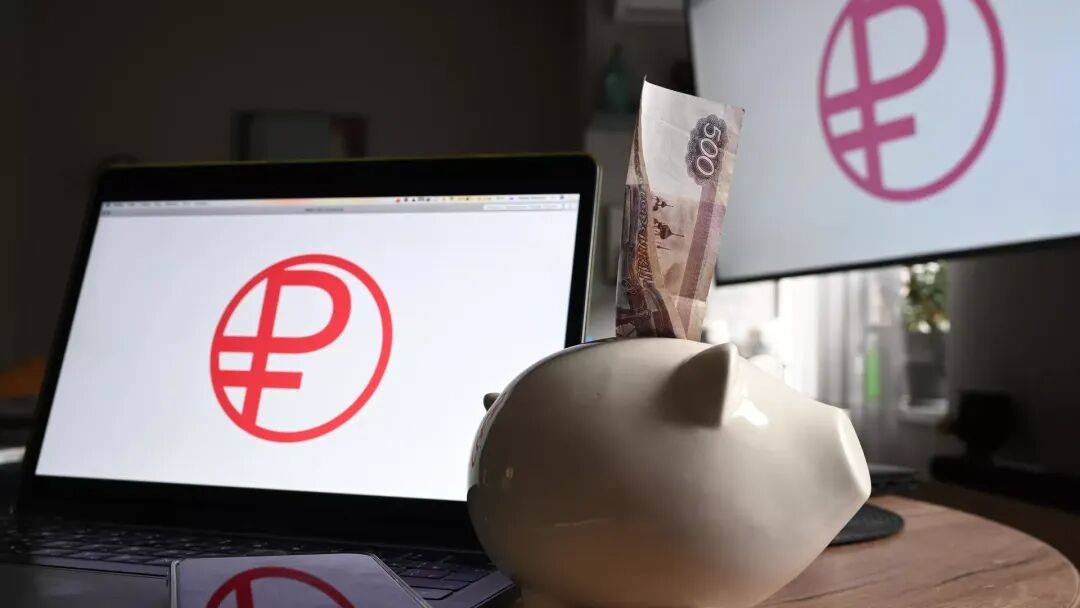
跨境支付系统CIPS

Search documents
年末最后一日,美联储创纪录放水,不到24小时,人民币大涨,压制不住了
Sou Hu Cai Jing· 2026-01-03 16:38
Group 1 - The Federal Reserve injected a historical $74.6 billion into the market, breaking a record set two months prior, yet the dollar weakened instead of strengthening [1] - The offshore RMB exchange rate surpassed 6.97, reaching a nearly 20-month high, while gold prices rose on the first trading day of the new year [1][3] - The market's reaction indicates structural funding pressures within the banking system, as financial institutions faced a market repurchase rate of 3.95% and turned to the Fed's "official pawnshop" for lower-cost funds at 3.75% [3] Group 2 - The RMB's appreciation is supported by a significant current account surplus of $489.8 billion and a goods trade surplus of $726.2 billion in the first three quarters of 2025 [3] - The digital RMB entered its 2.0 era on January 1, 2026, with major state-owned banks offering a 0.05% interest rate on real-name wallet balances, enhancing its savings functionality [5] - The optimization of the CIPS cross-border payment system, with new rules set to be implemented in February 2026, will ease access for foreign institutions, further boosting RMB usage [6] Group 3 - The gold market experienced a historic bull market in 2025, with international gold prices rising over 70% and silver prices increasing by approximately 150% [8] - Central banks globally have purchased over 1,000 tons of gold annually since 2022, making gold the second-largest reserve asset, driven by de-dollarization and geopolitical risk concerns [8] - The Federal Reserve's cumulative rate cuts of 75 basis points in 2025 weakened the dollar's interest rate advantage, directly supporting gold price increases [8] Group 4 - The appreciation of the RMB positively impacted various industries, with the aviation sector benefiting from reduced fuel costs and aircraft leasing expenses, leading to a potential 5% profit increase for major airlines with every 1% RMB appreciation [9] - The paper industry, heavily reliant on imported pulp, could see an 8.8% profit increase with a 2% RMB appreciation [9] - Import-dependent sectors like coal, steel, and chemicals also benefit from lower import costs due to RMB appreciation, with significant savings reported by companies [9] Group 5 - The outbound tourism and high-end consumer markets have rebounded, with outbound travel bookings increasing by 37% week-on-week after the RMB's appreciation, and sales at duty-free shops in Sanya exceeding 420 million yuan during the New Year [11] - A significant portion of the Federal Reserve's $74.6 billion liquidity injection, amounting to $43.1 billion, was directed towards mortgage-backed securities (MBS), indicating short-term financing pressures for MBS holders [11] - Despite the liquidity injection, risk assets like Bitcoin showed muted responses, reflecting the complexity of the current economic cycle [11]

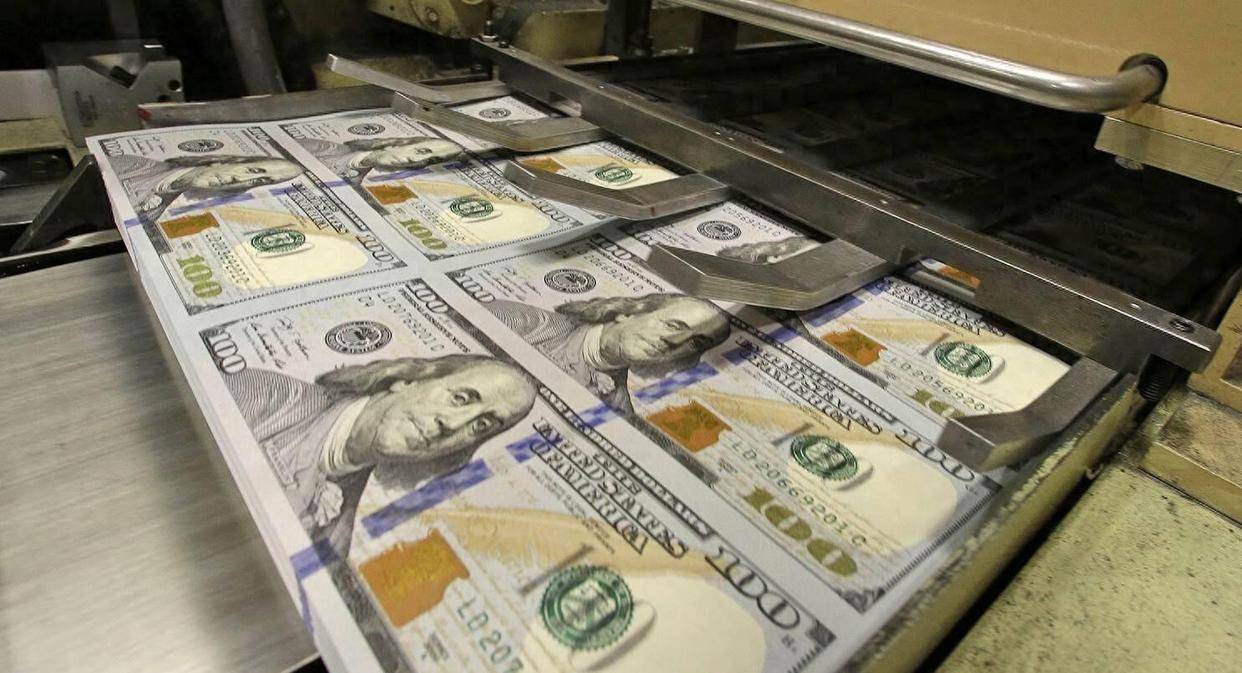
全球货币支付排名:美元涨至47.79%,欧元跌到22.77%,人民币呢
Sou Hu Cai Jing· 2025-10-29 12:45
Core Insights - The latest SWIFT data shows that the US dollar remains dominant in global payments, holding nearly half of the market share, while the euro's share has declined. The Chinese yuan has risen to fifth place, surpassing the Canadian dollar, indicating a significant shift in the global currency landscape [2][4]. Group 1: Currency Rankings - As of September 2025, the US dollar accounts for 47.79% of global payments, followed by the euro at 22.77%, the British pound at 7.38%, the Japanese yen at 3.69%, and the Chinese yuan at 3.17% [4]. - The decline of the euro's share reflects structural issues within the Eurozone, including uneven economic development and policy disagreements among member states [5]. Group 2: Factors Driving Yuan's Rise - The rise of the yuan is attributed to China's economic strength, strategic initiatives, and increasing global influence, particularly through projects related to the Belt and Road Initiative [7][15]. - The yuan's internationalization is supported by China's robust economic performance in high-end manufacturing, technology innovation, and green energy, positioning it favorably in global supply chains [7]. Group 3: Investment and Market Dynamics - Emerging market countries view the yuan not only as a trade settlement tool but also as an alternative for foreign exchange reserves, reflecting growing confidence in China's economic outlook and financial stability [9]. - The development of China's cross-border payment system, CIPS, and the promotion of digital yuan are enhancing the efficiency and security of yuan transactions, further driving its international acceptance [11]. Group 4: Future Outlook - The changing global currency payment rankings signify a broader shift in the world economic landscape, with the yuan increasingly challenging the dominance of the dollar and euro [15][17]. - The future of the yuan's role in the global financial system will depend on China's continued economic innovation, industry upgrades, and gradual financial market opening [15].
专家:转向电子卢布与人民币是联通俄中支付工具的途径之一
Sou Hu Cai Jing· 2025-09-16 08:42
Core Viewpoint - The transition to electronic rubles and electronic yuan is seen as a potential way to connect Russian and Chinese payment systems, but its implementation will take a considerable amount of time [2] Group 1: Payment System Integration - The optimal way to connect Russian and Chinese payment tools may be through the adoption of electronic yuan and electronic rubles, creating a closed system that is risk-free and secure for customers [2] - Current cross-border payment systems in China, such as CIPS, are interconnected with SWIFT, allowing Western entities to observe transactions, which raises concerns for Chinese banks regarding secondary sanctions [2] Group 2: Implementation Timeline and Challenges - The integration of Russian and Chinese payment tools is a feasible task overall, but it requires a significant amount of time to accomplish [2] - For Russia, the urgency of this task is high under current conditions, but all potential risks, including the influence of third-party Western countries, must be considered and evaluated [2] - The realization of this task is not something that can be completed in a few months; it is expected to take several years [2]