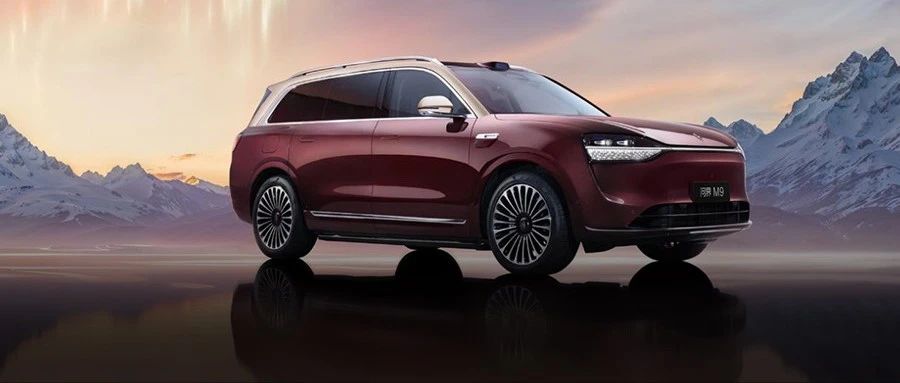
途灵底盘

Search documents
智能底盘,L3的“AI安全员”?
3 6 Ke· 2025-11-03 05:02
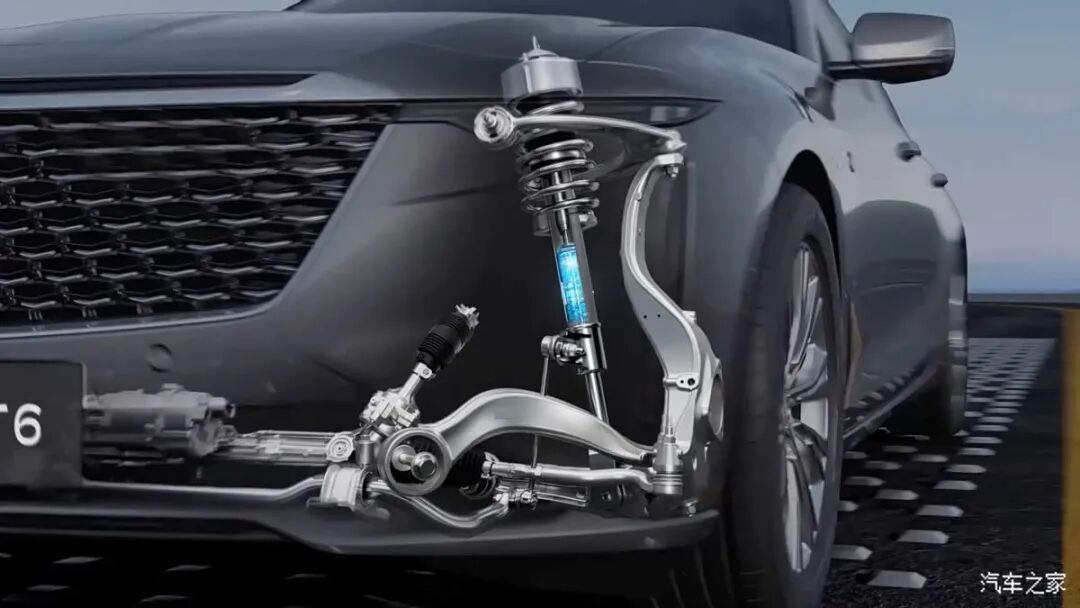
Group 1 - Cadillac has introduced the new CT6 flagship model priced at 329,000 yuan, featuring the fourth-generation MRC electromagnetic suspension, which is typically found in luxury cars like the Ferrari SF90 priced at 5 million yuan [1] - The active suspension system is part of a broader trend in the automotive industry, with many smart chassis technologies emerging in the Chinese market, including systems from Huawei, BYD, NIO, and SAIC [3] - The smart chassis market for passenger vehicles in China is projected to exceed 50 billion yuan by 2025 and could surpass 100 billion yuan by 2027, indicating significant growth potential [5] Group 2 - The smart chassis integrates various subsystems such as steering, braking, driving, and suspension, playing a crucial role in vehicle dynamics and performance [11] - Smart chassis technology enhances vehicle stability, comfort, and safety by allowing for real-time adjustments based on driving conditions and user demands [13] - The integration of smart chassis with autonomous driving systems is essential for improving vehicle safety and reliability, as both systems are critical for the overall safety of intelligent electric vehicles [16][20] Group 3 - The lack of communication between the smart chassis and autonomous driving systems can lead to safety incidents, particularly in adverse weather conditions [18] - A seamless integration of smart chassis and autonomous driving systems is necessary to ensure safe and efficient vehicle operation, with a focus on creating a closed-loop system for information exchange [23] - Industry experts predict that the full integration of smart chassis and autonomous driving technologies will be achieved within the next three to five years, enhancing the safety of autonomous driving [26]

最后一家国有大车厂,被华为拿下!
商业洞察· 2025-08-25 09:24
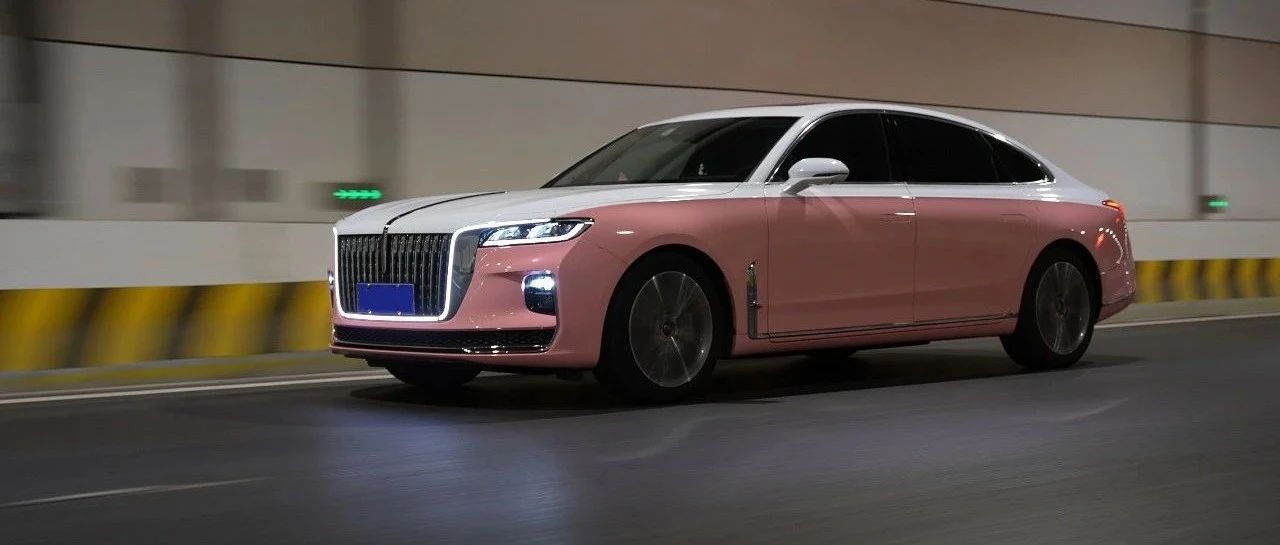
Core Viewpoint - The collaboration between FAW Hongqi and Huawei signifies a shift in the Chinese automotive industry towards a unified ecosystem, with Huawei becoming a dominant player in the market [2][9]. Group 1: Collaboration Details - FAW Hongqi will integrate Huawei's full-stack self-developed solutions, including laser radar, Harmony cockpit, QianKun intelligent driving, Tuling chassis, and Kirin chips into its vehicles [2][4]. - This partnership resembles an outsourcing model where core technologies, brand marketing, and sales channels are largely managed by Huawei, allowing car manufacturers to focus on production and after-sales service [4][5]. Group 2: Market Dynamics - FAW Hongqi's "Jin Kui Hua" series has struggled in sales, particularly the Guo Ya model, which is priced at 1.4 million and competes with luxury brands like Bentley and Maybach but lacks differentiation [5][7]. - In contrast, the Jianghuai's Zun Jie S800, supported by Huawei's technology, achieved over 10,000 pre-orders in just 67 days, surpassing the annual sales of luxury models like Maybach and Mercedes S-Class [7][9]. Group 3: Industry Implications - The partnership indicates that all major state-owned car manufacturers in China are now aligned with Huawei, suggesting a trend towards a "big unified" ecosystem in the automotive industry [9]. - The upcoming launch of the Shangjie H5, developed in collaboration with Huawei, has already generated positive market sentiment, reflected in stock price increases [9][10].
科技车皇的进化
36氪· 2025-03-06 10:31
Core Viewpoint - The launch of the AITO M9 marks a significant shift in the luxury car market, positioning itself as a leading player in the high-end electric vehicle segment, leveraging Huawei's advanced technology and brand strength [2][3][22]. Group 1: Product Overview - The AITO M9, referred to as the "Tech Car Emperor," integrates Huawei's full-stack technology, including intelligent driving, HarmonyOS ecosystem, and advanced electric drive systems, rapidly capturing the mid-to-high-end electric vehicle market [2][10][22]. - Since its large-scale delivery began in March 2024, the AITO M9 has achieved cumulative deliveries of 200,000 units, averaging over 16,000 units per month, with an average price of 550,000 yuan [2][25]. - The upcoming 2025 model of the AITO M9 features a new color scheme inspired by traditional Chinese architecture and will continue to enhance its luxury attributes and technological capabilities [6][30]. Group 2: Market Impact - The AITO M9 has disrupted the luxury car market traditionally dominated by foreign brands, becoming a spearhead for Chinese brands in the mid-to-high-end market [3][25]. - The vehicle's rapid sales growth, achieving 200,000 units in just one year, represents a significant portion of the luxury car market, indicating a strong demand for Chinese electric vehicles [25][26]. - Traditional luxury car manufacturers are increasingly engaging with Chinese brands, highlighting the growing influence and market presence of Chinese luxury electric vehicles [26][27]. Group 3: Technological Advancements - The AITO M9 is equipped with advanced sensors, including four laser radars and 32 intelligent driving sensors, enabling high-level autonomous driving capabilities [12][13]. - Huawei's investment in R&D, exceeding 10 billion yuan annually, supports the continuous evolution of intelligent driving technologies, ensuring the AITO M9 remains competitive [28][29]. - The vehicle's software capabilities allow for ongoing upgrades, enhancing user experience and maintaining the vehicle's technological edge over time [29][30]. Group 4: Brand Strength - Huawei's established reputation as a leader in ICT and its strong brand presence contribute significantly to the AITO M9's market success [19][22]. - The integration of Huawei's technology and product development methodologies enhances the AITO M9's appeal, positioning it as a luxury brand that resonates with consumers [21][22]. - The concept of "tech luxury" is becoming increasingly accepted, with consumers valuing technological innovation as a key component of luxury vehicles [20][24].