道奇挑战者

Search documents
重大战略失误!全球第四大汽车集团闪崩
汽车商业评论· 2026-02-08 23:06
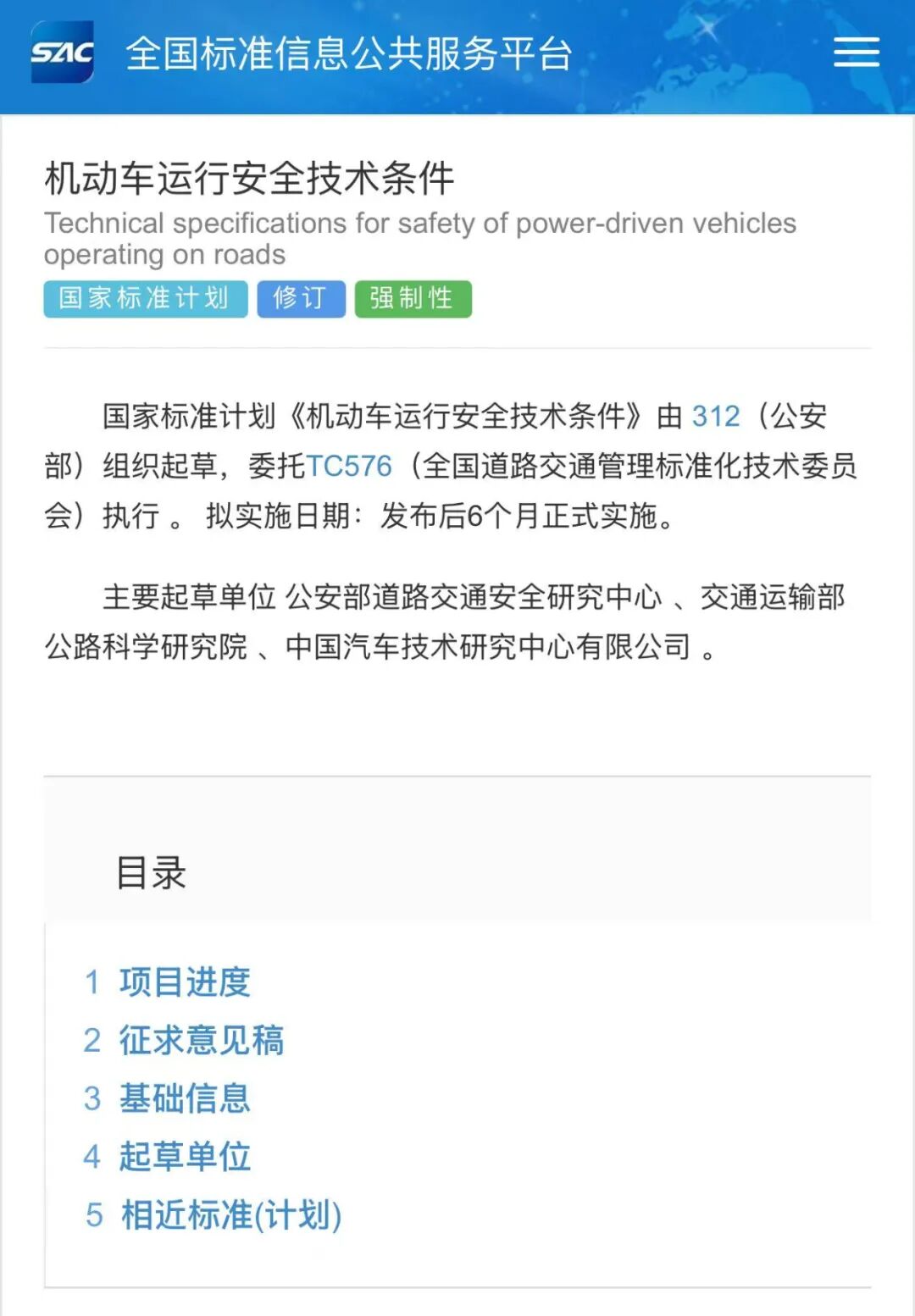
Core Viewpoint - Stellantis announced a significant impairment charge of approximately $26.5 billion, primarily due to misjudging the pace of the transition to electric vehicles and drastically lowering its electrification targets, leading to a sharp decline in stock prices [4][5][18]. Group 1: Impairment and Financial Impact - The impairment charge is unprecedented in the automotive industry, surpassing the company's current market value, with stock prices plummeting by 30% at one point [4][5]. - Analysts noted that while the market anticipated some impairment, the scale and cash expenditure ratio were critical negative factors affecting the company's performance [4]. - Stellantis's revenue heavily relies on high-margin Jeep and Ram trucks, which are particularly vulnerable in the weak U.S. electric vehicle market [5]. Group 2: Industry Context and Challenges - The automotive industry is facing a crisis, with traditional Western automakers struggling to balance investments between electric and combustion engine vehicles while contending with rising competition from Chinese manufacturers and increasing international trade barriers [5]. - In 2025, electric vehicle sales in Europe are projected to account for 19.5% of total sales, a nearly 30% year-over-year increase, but still below market expectations; in the U.S., the share is only 7.7% [5]. Group 3: Strategic Adjustments and Leadership Changes - Under the leadership of new CEO Antonio Filosa, Stellantis is adjusting its strategy to focus on consumer demand rather than aggressive electrification targets, which were deemed overly optimistic by the previous CEO Carlos Tavares [7][16]. - The company plans to invest in both electric and combustion engine options, reflecting a shift towards a "power choice" strategy that allows consumers to select their preferred powertrain [16]. Group 4: Product Quality and Market Response - Stellantis is addressing product quality issues, with a reported decline in early-month defect complaints by over 50% in North America and over 30% in Europe [12]. - The company is introducing new and updated models, including the Jeep Cherokee and Dodge Challenger, to enhance product appeal and drive sales [12]. Group 5: Future Projections and Financial Outlook - Stellantis expects its revenue for the second half of 2025 to reach between $92.2 billion and $94.6 billion, but anticipates a net loss of $22.4 billion to $24.8 billion during the same period [17]. - The company has decided to suspend its dividend for 2026 and plans to issue up to $5.9 billion in corporate bonds to manage its financial situation [17].

限制汽车「5秒破百」,我拍烂手掌叫好
36氪· 2025-11-14 13:36
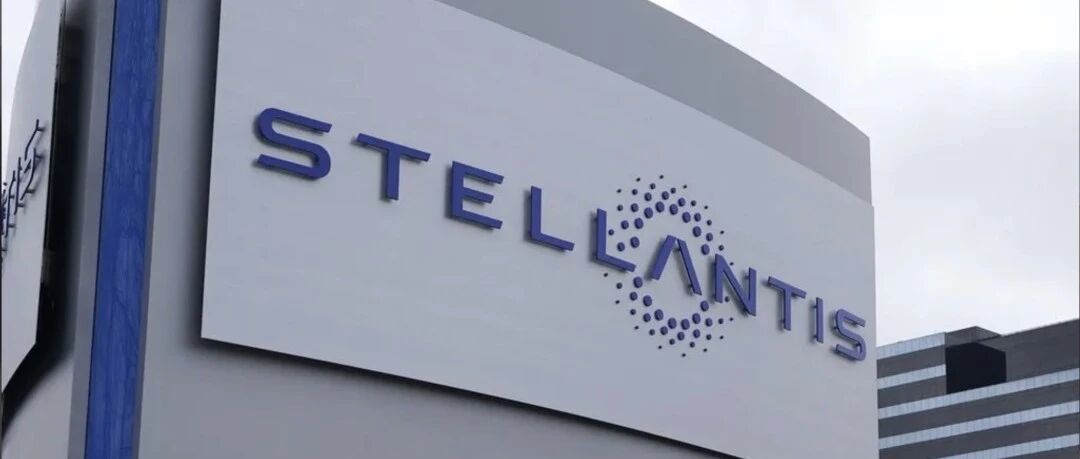
Core Viewpoint - The article discusses the implications of the new national standard proposed by the Ministry of Public Security in China, which mandates that passenger vehicles must default to a mode where the acceleration from 0 to 100 km/h takes no less than 5 seconds, highlighting the safety concerns associated with high-performance electric vehicles [5][10][18]. Group 1: Performance and Safety Concerns - The era of "performance democratization" in electric vehicles allows consumers to purchase cars capable of accelerating from 0 to 100 km/h in as little as 2 to 3 seconds for around 200,000 yuan [4]. - The increase in high-speed incidents and accidents related to rapid acceleration has led to public outcry and the need for regulatory measures [5][10]. - The proposed regulation aims to address the issue of drivers lacking the necessary skills to control high-performance vehicles, which has resulted in numerous accidents [8][14]. Group 2: Debate on Regulation - There is a significant debate surrounding the new regulation, with opponents arguing that it is a superficial solution that does not address the root cause of reckless driving behavior [11][12]. - Some voices suggest that the market should regulate itself, similar to how insurance companies adjust premiums based on vehicle safety records [13]. - Critics of the regulation emphasize that limiting vehicle performance does not solve the underlying issues of driver training and responsibility [11][12]. Group 3: Comparison with Historical Context - The article contrasts the proposed regulation with Japan's historical "gentlemen's agreement" that limited vehicle horsepower, which stunted the development of high-performance cars in Japan [20][22]. - The new standard in China is seen as a safety measure rather than a blanket restriction on performance, allowing for high-performance capabilities while ensuring safer driving conditions [22][23]. Group 4: Practical Implications - The article highlights that the current safety standards for vehicles are designed for lower speeds, and exceeding these speeds can render safety features ineffective [26]. - It points out that the extreme acceleration capabilities of modern vehicles are often impractical for everyday driving conditions in China, where speed limits and traffic congestion are prevalent [27][30]. - The emphasis is placed on the importance of safety over speed in everyday driving scenarios, advocating for responsible driving practices [30].

限制汽车“5秒破百”,我拍烂手掌叫好
3 6 Ke· 2025-11-14 01:04
Core Viewpoint - The article discusses the emergence of high-performance electric vehicles (EVs) that can accelerate from 0 to 100 km/h in as little as 2 to 3 seconds, making such performance more accessible to the general public, but raises concerns about safety and control for average drivers [1][2]. Group 1: Performance and Safety Concerns - The rapid acceleration capabilities of EVs have led to increased incidents of reckless driving and accidents, prompting the Ministry of Public Security to propose a new national standard requiring that passenger vehicles default to a mode where acceleration from 0 to 100 km/h takes no less than 5 seconds [2][5]. - The proposed regulation is seen as a response to the high incidence of loss of control during high acceleration, particularly among inexperienced drivers [5][8]. - Critics argue that the regulation may not effectively address the root causes of reckless driving, suggesting that it is more about limiting vehicle performance rather than improving driver education and training [6][7]. Group 2: Market and Innovation Perspectives - Some voices in the industry advocate for market-driven solutions rather than regulatory restrictions, suggesting that insurance companies could adjust premiums based on the risk associated with high-performance vehicles [7]. - The article highlights a fundamental issue: average drivers, especially those without professional training, may struggle to control high-performance vehicles, leading to dangerous situations [8][10]. - The proposed regulation is positioned as a safety measure rather than a performance limitation, allowing drivers to access high-performance modes while ensuring a safer default setting for everyday driving [11][12]. Group 3: Driving Environment and Real-World Application - The article emphasizes that most drivers operate vehicles in everyday conditions that do not require extreme performance, as urban speed limits and traffic conditions often restrict the use of such capabilities [15][17]. - It argues that the pursuit of high-speed performance should be reserved for controlled environments like racetracks, where safety can be ensured, rather than on public roads where unpredictable factors can lead to accidents [13][17]. - The discussion concludes that while the desire for speed is inherent, the priority should be on safety and responsible driving practices in everyday situations [14][17].