酱肘子

Search documents
舌尖上的顺义年,甜头、彩头、好兆头,全在这桌菜里头
Xin Lang Cai Jing· 2026-02-17 05:54
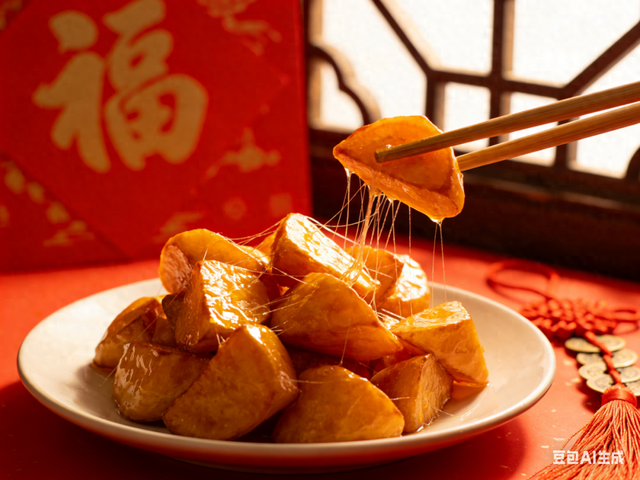
Core Viewpoint - The article highlights the significance of traditional dishes in the New Year's Eve dinner in Shunyi, emphasizing the warmth and cultural heritage associated with these meals, which symbolize good fortune and family togetherness. Group 1: Traditional Dishes - The first dish, "Sweet and Happy," features sweet potatoes coated in amber sugar, representing a delightful taste experience [3] - The second dish, "Wealth and Abundance," consists of crispy fried meat-filled green bean noodles, a staple snack during the New Year celebrations in Shunyi [5] - The third dish, "Good Luck Ahead," includes golden and crispy fried snacks, symbolizing prosperity [6] - The fourth dish, "Auspicious and Wishful," is braised pork ribs, slow-cooked to perfection, symbolizing a prosperous year ahead [8] - The fifth dish, "Fortune Arrives," features stewed chicken, known for its rich flavor and representing good luck and health [10] - The sixth dish, "Top of the Class," is a traditional dish of braised pork knuckle, recognized as a national intangible cultural heritage, symbolizing good fortune [12] - The seventh dish, "Step by Step Rising," consists of steamed rice cakes layered with dates, symbolizing steady progress and success in the coming year [14] Group 2: Cultural Significance - The New Year's Eve dinner in Shunyi is not just about food but also about conveying heartfelt wishes and blessings for the upcoming year [16] - The variety of dishes reflects the local flavors and traditions, creating a warm and inviting atmosphere for family gatherings [17]

太空里的年夜饭 浪漫开席
Xin Lang Cai Jing· 2026-02-16 19:19
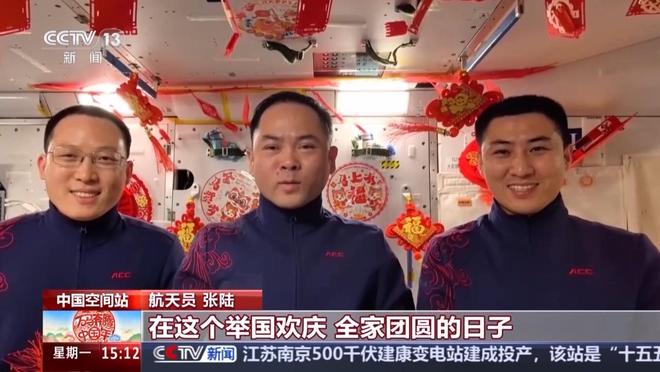
Core Viewpoint - The article highlights the unique experience of Chinese astronauts celebrating the Lunar New Year in space, showcasing their festive meal and the achievements of China's manned space program [2][3]. Group 1: Celebration in Space - On the eve of the Lunar New Year, astronauts aboard the Chinese space station decorated their living space with festive symbols, creating a warm and celebratory atmosphere [2]. - The astronauts presented a variety of traditional Chinese dishes during a video broadcast, including dumplings and various meats, emphasizing the richness of their New Year's meal [2][3]. Group 2: Unique Dining Experience - The microgravity environment of space transformed the dining experience, with food items behaving in unexpected ways, such as dumplings floating away and ice cream drifting towards the astronauts' mouths [3]. - A notable highlight was the astronauts enjoying cake for the first time in space, marking a significant milestone in China's space culinary achievements [3].
神21乘组年夜饭曝光:酱肘子、笋干肉、五香酱牛肉、叉烧肉、饺子
Jin Rong Jie· 2026-02-16 10:14
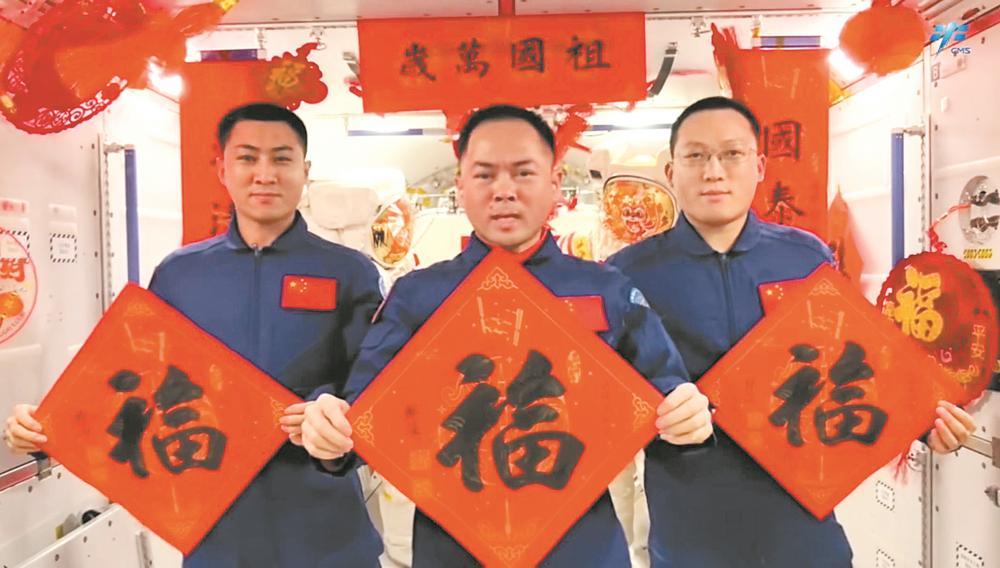
Core Viewpoint - The news highlights the achievements of China's manned space program, showcasing the successful celebration of the Lunar New Year by astronauts aboard the Chinese space station, including the first-ever cake eaten in space by Chinese astronauts [1] Group 1: Achievements in Space - The astronauts Zhang Lu, Wu Fei, and Zhang Hongzhang sent New Year greetings from approximately 400 kilometers above Earth [1] - The astronauts showcased a variety of traditional Chinese New Year dishes, including braised pork, dried bamboo shoots with meat, five-spice beef, and various dumplings [1] - The successful baking of a cake in space marks a significant milestone for China's space exploration efforts, following previous achievements such as space barbecuing [1]
视频丨空间站的年夜饭都有什么?听航天员报菜名收祝福
Huan Qiu Wang Zi Xun· 2026-02-16 08:27
Core Viewpoint - The Shenzhou 21 crew is celebrating the Lunar New Year in space, creating a festive atmosphere and sending New Year blessings to people on Earth [3][5]. Group 1: Celebration Activities - The astronauts are decorating the space station and engaging in traditional New Year activities such as writing "Fu" characters and enjoying a festive meal [3][7]. - The crew prepared a special New Year's Eve dinner, featuring dishes that symbolize good fortune and health, such as braised pork and bamboo shoots [7][10]. - The astronauts also baked a cake in space, marking the first time they made a cake themselves, which they described as fragrant and delicious [12][14]. Group 2: Crew Members' Experiences - Astronaut Zhang Lu, who is celebrating the New Year in space for the second time, expressed joy in writing "Fu" characters again [7]. - New crew members Wu Fei and Zhang Hongzhang are experiencing their first New Year celebration in space, finding the festive meal particularly appealing [7][10]. - The crew shared their excitement about the New Year, with Wu Fei mentioning the tradition of eating dumplings for good luck [8].
立春咬春,天福号非遗酱香满京城
Xin Lang Cai Jing· 2026-02-04 04:04
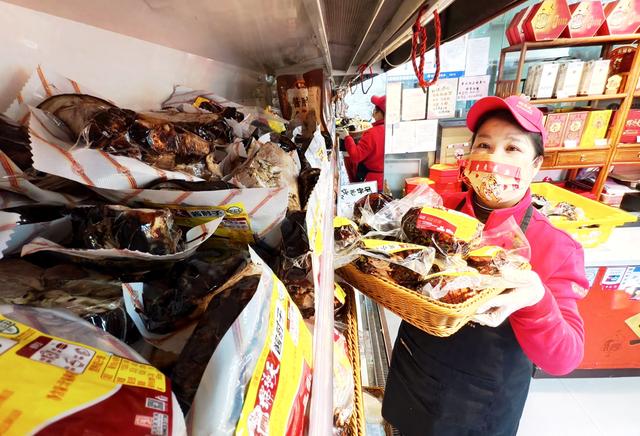
Group 1 - The core viewpoint of the articles highlights the surge in demand for traditional food items, particularly the "sauce elbow" from Tianfuhao, as part of the Beijing custom of "Yaochun" during the beginning of spring [1][3]. - Tianfuhao has significantly increased its stock levels across all stores and supermarket counters in Beijing by 3 to 5 times compared to usual, with single-store sales of sauce elbow doubling and a substantial rise in orders through e-commerce and delivery channels [3][5]. - The company has launched a variety of traditional New Year gift boxes, including classic items like sauce elbow and ancient-style sauce beef, as well as new offerings such as "Jingyun Tianfu" gift boxes, to meet the one-stop needs for family reunion dinners during the Spring Festival [5]. Group 2 - Tianfuhao has initiated a 24-hour production schedule to ensure uninterrupted supply during the Spring Festival, emphasizing its commitment to quality and tradition as it accompanies citizens from the beginning of spring to the festive season [5]. - The sauce elbow, made using national-level intangible cultural heritage techniques, is highlighted for its quality, being prepared without chemical preservatives and featuring a rich flavor profile that enhances the traditional spring pancake experience [3].
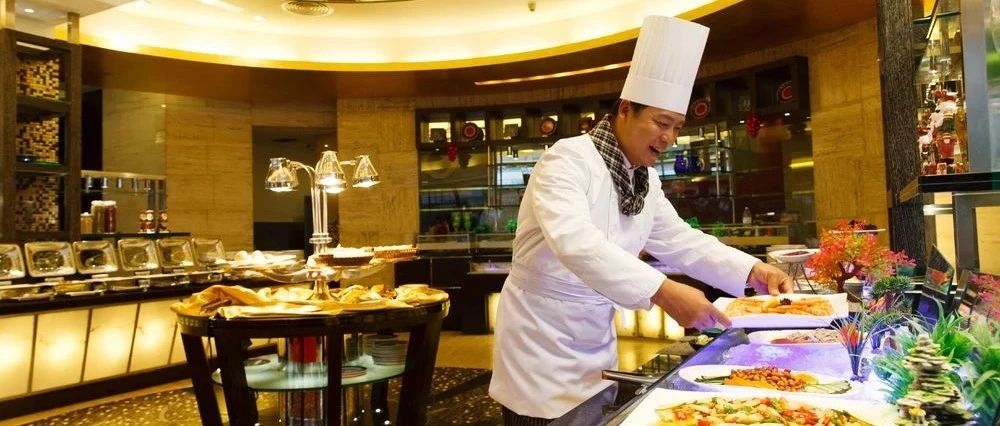
国内五星酒店纷纷卷地摊,什么信号?
36氪· 2025-07-02 12:39
Core Viewpoint - The trend of high-star hotels setting up street stalls is a response to the declining business environment, driven by reduced demand for traditional services like business meetings and high-end dining [27][50][64]. Group 1: Emergence of Street Stalls - High-star hotels across various cities, including Henan and Shaanxi, have started setting up food stalls outside their premises, offering affordable meals to attract customers [5][10][20]. - The phenomenon has gained traction, with hotels like Shaoxing International Hotel and Tianjin Ritz-Carlton participating in this trend, indicating a shift in strategy to adapt to changing consumer behavior [15][20][27]. Group 2: Business Challenges - The hospitality industry is facing significant challenges, including a decline in business from corporate clients due to stricter spending policies and reduced travel budgets [34][39]. - Reports indicate that over 60% of companies have cut travel budgets, with some sectors experiencing reductions of 15%-30%, impacting hotel revenues [34][36]. Group 3: Consumer Behavior Changes - There is a noticeable shift in consumer preferences towards value for money, with customers now more inclined to purchase affordable meals from hotel stalls rather than dining in [40][44]. - The trend reflects a broader consumer sentiment where "face consumption" is no longer prioritized, leading to increased demand for lower-priced options [40][44]. Group 4: Long-term Implications - The shift to street stalls is not merely a temporary measure but may indicate a fundamental change in the business model of high-star hotels, which will need to balance high-end and mass-market offerings [64]. - The industry is exploring ways to adapt by offering smaller, more affordable menu items and leveraging online sales channels to reach a broader audience [61][63].

国内五星酒店纷纷卷地摊,什么信号?
虎嗅APP· 2025-07-01 10:42
Core Viewpoint - The trend of high-end hotels setting up street stalls is a response to the declining business environment, particularly in the wake of reduced corporate dining and changing consumer behaviors [18][30]. Group 1: Emergence of Street Stalls - High-end hotels across various cities in China, including Henan and Shaanxi, have started setting up food stalls outside their premises, offering affordable meals to attract customers [3][4][5][12]. - The trend began gaining traction around May, with hotels like 咸亨酒店 and 绍兴国际大酒店 successfully drawing crowds with their street food offerings [10][13]. - Social media reactions indicate a shift in consumer perception, with even luxury hotels engaging in this practice, suggesting a broader acceptance of this new business model [13][14]. Group 2: Reasons Behind the Shift - The hospitality industry has faced significant challenges this year, particularly due to restrictions on corporate dining and a decline in business travel, leading to a drop in revenue for many hotels [18][22]. - Reports indicate that over 60% of companies have cut travel budgets, with some sectors reducing them by more than 30%, impacting hotel occupancy and dining revenues [22][25]. - The shift in consumer spending habits towards value and affordability has prompted hotels to adapt by offering lower-priced food options [25][29]. Group 3: Long-term Implications - The current trend of street stalls may not be a temporary measure but could signify a fundamental shift in the business model of high-end hotels, which traditionally relied on corporate events and high-end dining [34][39]. - Hotels are exploring ways to transform their dining services, such as offering smaller, more affordable meals and leveraging online platforms for sales [36][37]. - The future of high-end hotels may involve a dual approach, catering to both luxury and mass-market consumers, thereby creating new customer engagement strategies [39][40].