红烧排骨

Search documents
舌尖上的顺义年,甜头、彩头、好兆头,全在这桌菜里头
Xin Lang Cai Jing· 2026-02-17 05:54
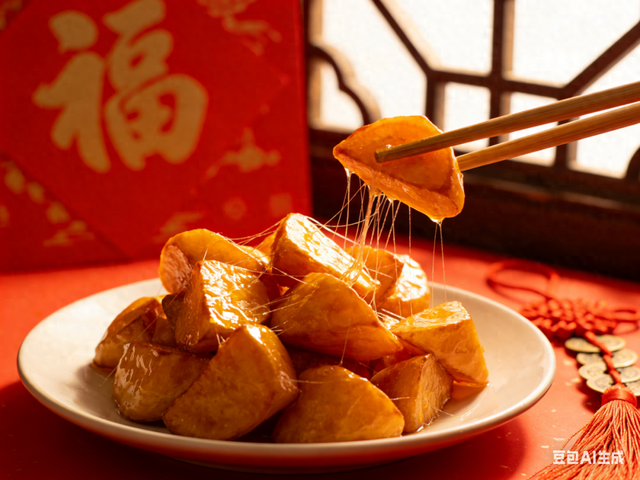
Core Viewpoint - The article highlights the significance of traditional dishes in the New Year's Eve dinner in Shunyi, emphasizing the warmth and cultural heritage associated with these meals, which symbolize good fortune and family togetherness. Group 1: Traditional Dishes - The first dish, "Sweet and Happy," features sweet potatoes coated in amber sugar, representing a delightful taste experience [3] - The second dish, "Wealth and Abundance," consists of crispy fried meat-filled green bean noodles, a staple snack during the New Year celebrations in Shunyi [5] - The third dish, "Good Luck Ahead," includes golden and crispy fried snacks, symbolizing prosperity [6] - The fourth dish, "Auspicious and Wishful," is braised pork ribs, slow-cooked to perfection, symbolizing a prosperous year ahead [8] - The fifth dish, "Fortune Arrives," features stewed chicken, known for its rich flavor and representing good luck and health [10] - The sixth dish, "Top of the Class," is a traditional dish of braised pork knuckle, recognized as a national intangible cultural heritage, symbolizing good fortune [12] - The seventh dish, "Step by Step Rising," consists of steamed rice cakes layered with dates, symbolizing steady progress and success in the coming year [14] Group 2: Cultural Significance - The New Year's Eve dinner in Shunyi is not just about food but also about conveying heartfelt wishes and blessings for the upcoming year [16] - The variety of dishes reflects the local flavors and traditions, creating a warm and inviting atmosphere for family gatherings [17]

国内五星酒店纷纷卷地摊,什么信号?
创业邦· 2025-07-04 03:35
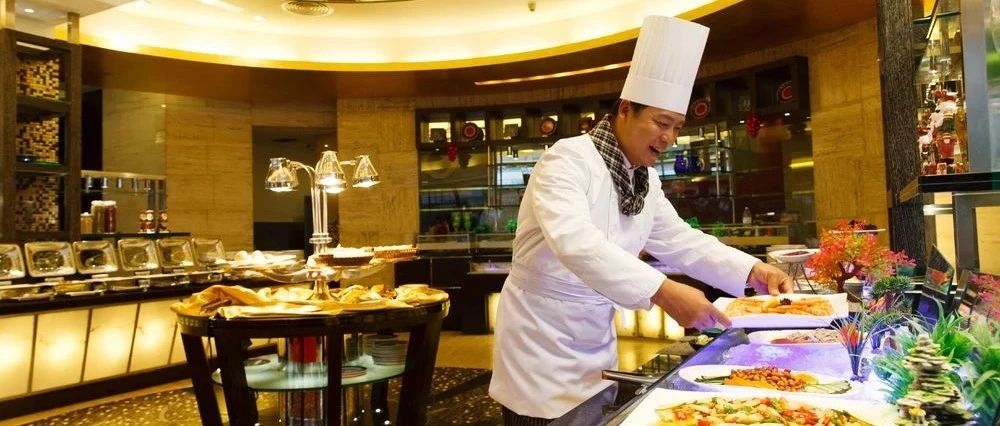
Core Viewpoint - The trend of high-star hotels setting up street stalls is a response to the declining business environment, driven by factors such as reduced corporate dining and changing consumer behavior [21][31][44]. Summary by Sections Hotel Street Stalls Trend - High-star hotels across various cities in China, including Henan and Shanxi, have started setting up food stalls outside their premises, offering affordable meals to attract customers [4][6][17]. - This trend has gained momentum, with hotels like the Shaoxing International Hotel and others participating in this new business model, which has proven popular among locals [12][16]. Reasons for the Shift - The hospitality industry has faced significant challenges this year, particularly in corporate dining, due to stricter regulations and changing consumer habits [21][22]. - A notable decline in business travel and corporate events has forced hotels to adapt their strategies, with many now focusing on lower-cost food options to maintain cash flow [27][31]. Changing Consumer Behavior - Consumers are increasingly seeking value for money, leading to a shift away from high-end dining experiences to more affordable options [28][30]. - The perception of luxury has changed, with many customers now willing to queue for affordable meals from high-star hotels that were previously considered too expensive [30][32]. Long-term Implications - The move to street stalls is not merely a temporary fix but indicates a potential long-term shift in the business model of high-star hotels, which may need to embrace both high-end and mass-market offerings [43][44]. - The industry is exploring ways to adapt their dining services, including the retailization of meals and leveraging online platforms for sales [42][43].
国内五星酒店纷纷卷地摊,什么信号?
36氪· 2025-07-02 12:39
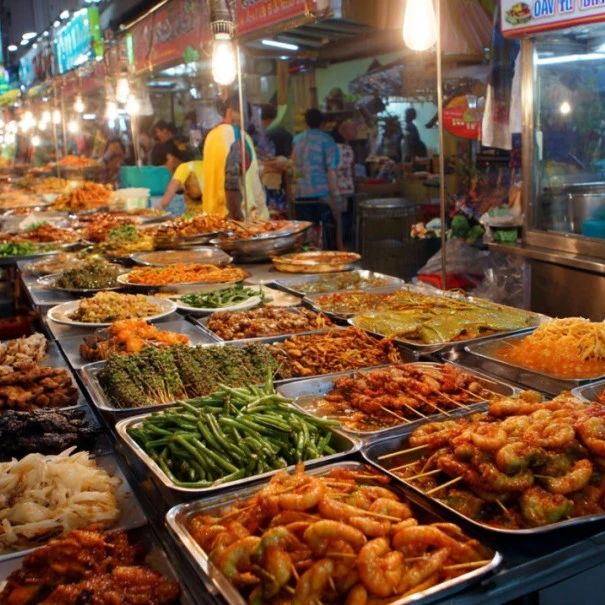
Core Viewpoint - The trend of high-star hotels setting up street stalls is a response to the declining business environment, driven by reduced demand for traditional services like business meetings and high-end dining [27][50][64]. Group 1: Emergence of Street Stalls - High-star hotels across various cities, including Henan and Shaanxi, have started setting up food stalls outside their premises, offering affordable meals to attract customers [5][10][20]. - The phenomenon has gained traction, with hotels like Shaoxing International Hotel and Tianjin Ritz-Carlton participating in this trend, indicating a shift in strategy to adapt to changing consumer behavior [15][20][27]. Group 2: Business Challenges - The hospitality industry is facing significant challenges, including a decline in business from corporate clients due to stricter spending policies and reduced travel budgets [34][39]. - Reports indicate that over 60% of companies have cut travel budgets, with some sectors experiencing reductions of 15%-30%, impacting hotel revenues [34][36]. Group 3: Consumer Behavior Changes - There is a noticeable shift in consumer preferences towards value for money, with customers now more inclined to purchase affordable meals from hotel stalls rather than dining in [40][44]. - The trend reflects a broader consumer sentiment where "face consumption" is no longer prioritized, leading to increased demand for lower-priced options [40][44]. Group 4: Long-term Implications - The shift to street stalls is not merely a temporary measure but may indicate a fundamental change in the business model of high-star hotels, which will need to balance high-end and mass-market offerings [64]. - The industry is exploring ways to adapt by offering smaller, more affordable menu items and leveraging online sales channels to reach a broader audience [61][63].

国内五星酒店纷纷卷地摊,什么信号?
虎嗅APP· 2025-07-01 10:42
Core Viewpoint - The trend of high-end hotels setting up street stalls is a response to the declining business environment, particularly in the wake of reduced corporate dining and changing consumer behaviors [18][30]. Group 1: Emergence of Street Stalls - High-end hotels across various cities in China, including Henan and Shaanxi, have started setting up food stalls outside their premises, offering affordable meals to attract customers [3][4][5][12]. - The trend began gaining traction around May, with hotels like 咸亨酒店 and 绍兴国际大酒店 successfully drawing crowds with their street food offerings [10][13]. - Social media reactions indicate a shift in consumer perception, with even luxury hotels engaging in this practice, suggesting a broader acceptance of this new business model [13][14]. Group 2: Reasons Behind the Shift - The hospitality industry has faced significant challenges this year, particularly due to restrictions on corporate dining and a decline in business travel, leading to a drop in revenue for many hotels [18][22]. - Reports indicate that over 60% of companies have cut travel budgets, with some sectors reducing them by more than 30%, impacting hotel occupancy and dining revenues [22][25]. - The shift in consumer spending habits towards value and affordability has prompted hotels to adapt by offering lower-priced food options [25][29]. Group 3: Long-term Implications - The current trend of street stalls may not be a temporary measure but could signify a fundamental shift in the business model of high-end hotels, which traditionally relied on corporate events and high-end dining [34][39]. - Hotels are exploring ways to transform their dining services, such as offering smaller, more affordable meals and leveraging online platforms for sales [36][37]. - The future of high-end hotels may involve a dual approach, catering to both luxury and mass-market consumers, thereby creating new customer engagement strategies [39][40].