酸笋板烧鸡腿堡

Search documents
五千亿赛道争夺战:中式汉堡如何实现弯道超车?
Xin Jing Bao· 2026-01-09 12:23
Core Insights - The Chinese hamburger market is undergoing a transformation, with local brands like Tasting challenging the dominance of international players such as KFC and McDonald's as they enter the "ten-thousand store club" by 2025 [1] - The competition is not just about the number of stores but also involves product innovation, supply chain efficiency, and digital capabilities [1] Market Overview - The Chinese Western fast food market is projected to grow from 499.65 billion yuan in 2025 to 587.09 billion yuan by 2027, indicating a significant expansion opportunity for local hamburger brands [2] - Local brands have transitioned from "marginal penetration" to "close combat" in the market, initially targeting lower-tier cities with competitive pricing strategies [2] Product Innovation - Local brands like Tasting are focusing on product innovation rather than engaging in price wars, incorporating Chinese culinary techniques into their hamburger offerings [3] - Tasting has introduced unique flavors inspired by Chinese cuisine, such as Peking duck and spicy boiled water, appealing to younger consumers' desire for personalization and cultural identity [3] Industry Dynamics - The rise of local brands is challenging the traditional fast food model established by international brands, which relied on standardized quality and efficiency [4] - Tasting has become the third-largest Western fast food brand in China, surpassing McDonald's in store count, with 11,124 locations as of November 2025 [4] Competitive Response - International brands are adapting to local tastes, with McDonald's and KFC introducing localized menu items and rethinking product forms to compete effectively [5] - The competition has shifted from local brands challenging international giants to a mutual adaptation of strategies and offerings [5] Food Safety and Digitalization - Food safety management is becoming crucial for brand longevity, with international brands leveraging established systems for transparency and risk management [6] - Local brands are enhancing their operational capabilities through technology, such as Tasting's digital platform for quality control and AI-driven monitoring systems [7] Supply Chain Innovation - Local hamburger brands are exploring new supply chain strategies to balance the demands of fresh production with the stability required for large-scale operations [8] - The integration of data-driven decision-making and system empowerment is providing local brands with the operational support needed to compete with international giants [8] Cultural Impact - The competition between local and international brands is not only a business rivalry but also a reflection of cultural confidence, with local brands redefining hamburgers to better suit Chinese tastes [8] - This dual competition is expected to enhance both efficiency and quality in the Chinese fast food industry, benefiting consumers with more diverse product choices and improved experiences [8]
洋快餐加速本土化,乳品巨头如何重塑供应链格局
Zhong Guo Shi Pin Wang· 2025-05-29 08:22
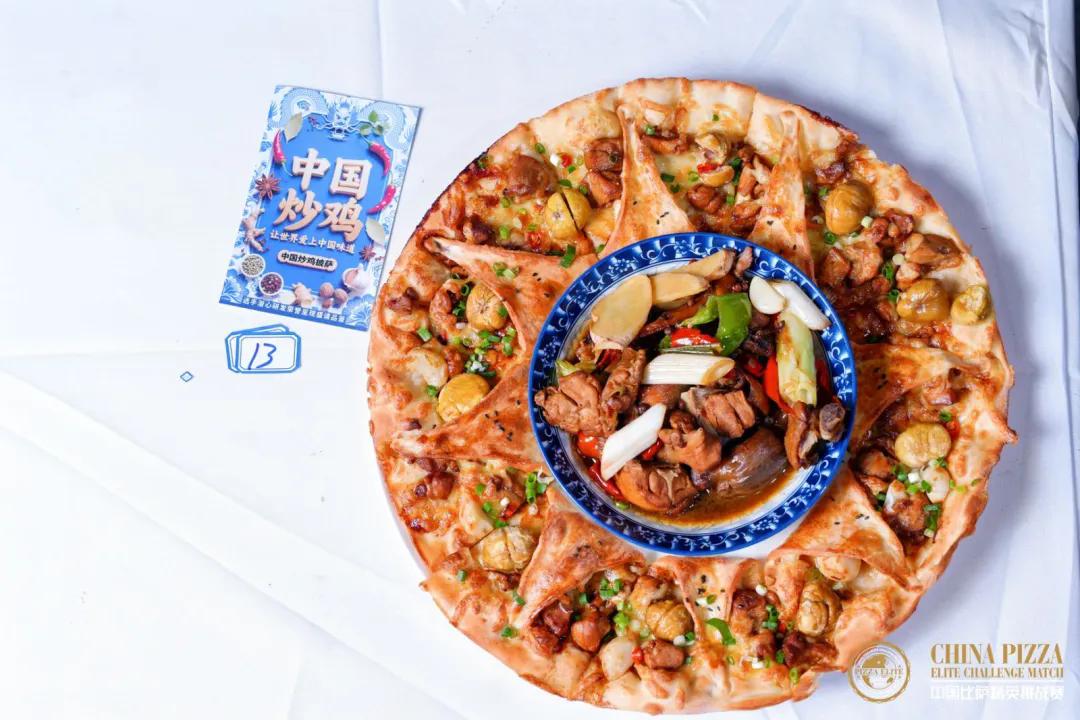
Group 1 - The core viewpoint of the articles highlights the acceleration of localization in Western fast food brands in China, emphasizing the strategy of "Sino-Western integration" to overcome growth bottlenecks in a competitive market [1][10] - As of March 2025, the number of Western fast food outlets in China is projected to reach 325,000, representing a year-on-year growth of 6.6%, with localization innovation becoming a key industry term [1] - Products like Chinese-style hamburgers and fried chicken are rapidly penetrating the market through flavor modifications, with brands like Tastin and McDonald's leading the way in localized offerings [1][10] Group 2 - The trend of deep localization in Western fast food is evident in the creation of uniquely Chinese pizzas, such as century egg tofu pizza and stir-fried chicken pizza, showcased at the 27th China International Bakery Exhibition [2][10] - Contestants at the pizza competition utilized traditional Chinese ingredients and cooking techniques, demonstrating the integration of local flavors into Western food formats [7][10] Group 3 - The use of domestic ingredients, such as high-quality milk sources from Yili, is becoming prevalent in the Western fast food sector, indicating a shift from reliance on imported ingredients to defining standards with local products [11][19] - Yili's mozzarella cheese products are tailored to meet Chinese taste preferences, addressing flavor conflicts between traditional Western cheese and Chinese ingredients [12][15] Group 4 - Yili Professional Dairy has emerged as a "product manufacturing machine," showcasing a range of innovative baked goods at the exhibition, indicating its potential to lead in the industry [20][22] - The company has developed a comprehensive product matrix that spans various dairy categories, catering to the diverse needs of the baking and restaurant sectors [30][33] Group 5 - Yili's investment in a 3 billion yuan cheese manufacturing base in Hohhot enhances its production capabilities, ensuring quality support for creative products showcased at the exhibition [37] - The brand's marketing strategy leverages high-profile endorsements, such as world champion Zheng Qinwen, to strengthen its recognition as a professional dairy brand [39][41]