
中式汉堡

Search documents
五千亿赛道争夺战:中式汉堡如何实现弯道超车?
Xin Jing Bao· 2026-01-09 12:23
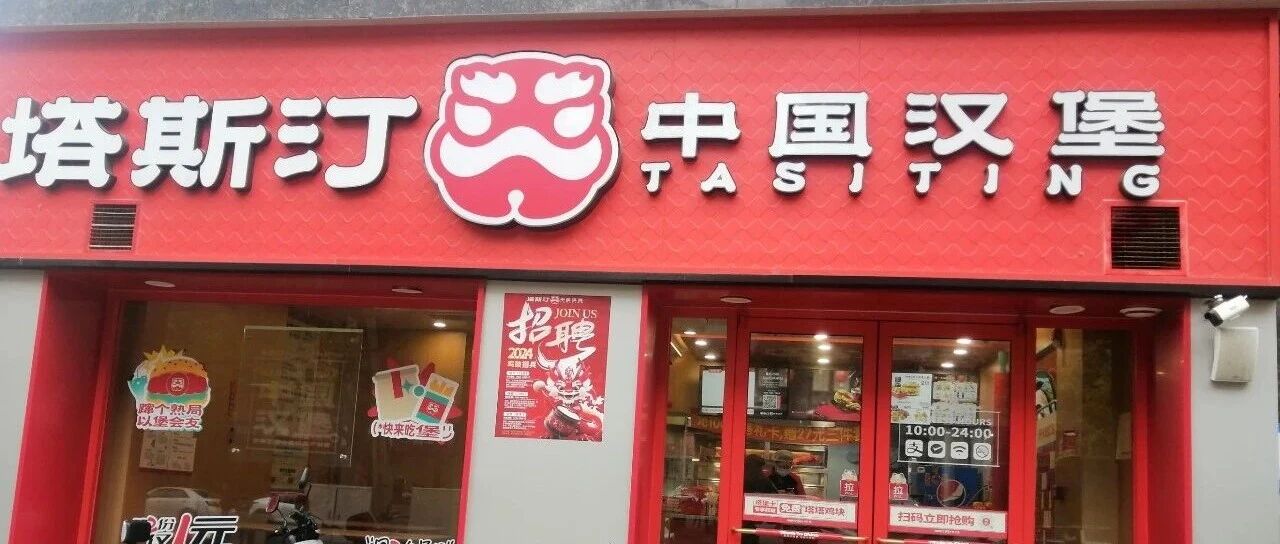
Core Insights - The Chinese hamburger market is undergoing a transformation, with local brands like Tasting challenging the dominance of international players such as KFC and McDonald's as they enter the "ten-thousand store club" by 2025 [1] - The competition is not just about the number of stores but also involves product innovation, supply chain efficiency, and digital capabilities [1] Market Overview - The Chinese Western fast food market is projected to grow from 499.65 billion yuan in 2025 to 587.09 billion yuan by 2027, indicating a significant expansion opportunity for local hamburger brands [2] - Local brands have transitioned from "marginal penetration" to "close combat" in the market, initially targeting lower-tier cities with competitive pricing strategies [2] Product Innovation - Local brands like Tasting are focusing on product innovation rather than engaging in price wars, incorporating Chinese culinary techniques into their hamburger offerings [3] - Tasting has introduced unique flavors inspired by Chinese cuisine, such as Peking duck and spicy boiled water, appealing to younger consumers' desire for personalization and cultural identity [3] Industry Dynamics - The rise of local brands is challenging the traditional fast food model established by international brands, which relied on standardized quality and efficiency [4] - Tasting has become the third-largest Western fast food brand in China, surpassing McDonald's in store count, with 11,124 locations as of November 2025 [4] Competitive Response - International brands are adapting to local tastes, with McDonald's and KFC introducing localized menu items and rethinking product forms to compete effectively [5] - The competition has shifted from local brands challenging international giants to a mutual adaptation of strategies and offerings [5] Food Safety and Digitalization - Food safety management is becoming crucial for brand longevity, with international brands leveraging established systems for transparency and risk management [6] - Local brands are enhancing their operational capabilities through technology, such as Tasting's digital platform for quality control and AI-driven monitoring systems [7] Supply Chain Innovation - Local hamburger brands are exploring new supply chain strategies to balance the demands of fresh production with the stability required for large-scale operations [8] - The integration of data-driven decision-making and system empowerment is providing local brands with the operational support needed to compete with international giants [8] Cultural Impact - The competition between local and international brands is not only a business rivalry but also a reflection of cultural confidence, with local brands redefining hamburgers to better suit Chinese tastes [8] - This dual competition is expected to enhance both efficiency and quality in the Chinese fast food industry, benefiting consumers with more diverse product choices and improved experiences [8]
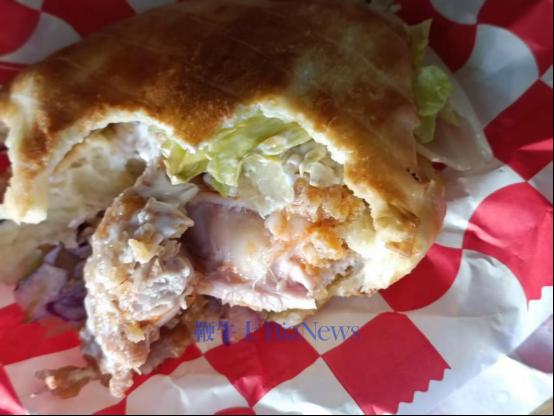
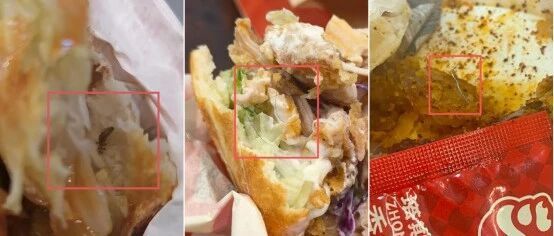
吃出生肉、头发、虫子……塔斯汀卫生沦陷,盲目扩张显隐忧
Xin Lang Cai Jing· 2025-12-06 07:07
Core Viewpoint - The company Tasting is facing significant consumer backlash due to food safety issues, including reports of finding raw meat and foreign objects in their burgers, leading to health concerns and a surge in complaints [1][7][5]. Group 1: Food Safety Concerns - Tasting has accumulated over 4,300 complaints on the Black Cat Complaints platform, with many consumers reporting finding raw meat, hair, and insects in their food [1][7]. - A specific incident involved a consumer who experienced acute gastroenteritis after consuming a burger containing raw meat, leading to hospitalization [3][5]. - Tasting has previously faced penalties for food safety violations, including a fine of 20,000 yuan for having foreign objects in food [7]. Group 2: Store Opening and Closing Data - In the past 90 days, Tasting reportedly opened 968 new stores but also closed 907, raising concerns about its operational stability [1][12]. - Tasting disputed the closure data, claiming that as of November 2025, it has 11,124 operational stores, with only 67 closures in the same period [12][10]. Group 3: Market Competition and Expansion - Tasting is preparing for a potential IPO, with significant changes in its ownership structure and capital increase, indicating a strategic move towards public listing [15]. - The company is facing intensified competition from major fast-food chains like KFC and McDonald's, which are expanding into lower-tier cities and introducing low-priced products to counter Tasting's market position [16][14]. - Tasting's low-price strategy is under threat as competitors launch similar pricing initiatives, potentially eroding its competitive edge [16].

吃出生肉、头发、虫子……塔斯汀卫生沦陷,盲目扩张显隐忧 | BUG
新浪财经· 2025-12-06 06:57
Core Viewpoint - The article highlights significant food safety issues faced by Tasiting, a fast-food chain, including numerous consumer complaints about finding foreign objects in their products, which has led to a public outcry and potential damage to the brand's reputation [2][7]. Group 1: Food Safety Concerns - Tasiting has received over 4,300 complaints on the Black Cat Complaints platform, with many reports of finding raw meat, hair, and insects in their hamburgers, raising serious concerns about food hygiene [2][7]. - A specific case involved a consumer who found raw meat in a Tasiting hamburger, resulting in acute gastroenteritis and a hospital visit, highlighting the potential health risks associated with the brand's products [4][6]. Group 2: Store Opening and Closing Data - In the past 90 days, Tasiting reportedly opened 968 new stores but also closed 907, indicating a turbulent expansion phase [11]. - Tasiting has disputed these figures, claiming that as of November 2025, they have 11,124 operational stores, with only 67 closures in 2025, suggesting a more stable growth than reported [11][14]. Group 3: Market Competition and Challenges - Tasiting is facing intensified competition as major fast-food chains like KFC and McDonald's are expanding into lower-tier cities and launching low-priced products, eroding Tasiting's competitive pricing advantage [15][16]. - The company is reportedly preparing for an IPO, with significant changes in ownership structure, which may be aimed at supporting its long-term strategic development [14]. Group 4: Brand Reputation and Future Outlook - The ongoing food safety issues and the recent store closures could jeopardize Tasiting's reputation and its plans for a successful IPO, as consumer trust is critical in the fast-food industry [16].
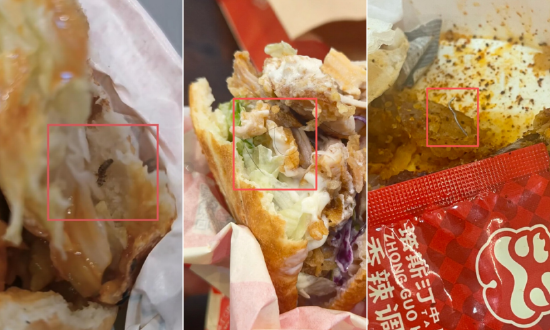
吃出生肉、头发、虫子……塔斯汀卫生沦陷,盲目扩张显隐忧 | BUG
Xin Lang Cai Jing· 2025-12-06 06:53
Core Viewpoint - Consumers express strong dissatisfaction with Tasting's food safety after reports of finding foreign objects in their burgers, leading to health issues and a significant number of complaints [2][7][21] Group 1: Food Safety Concerns - Over 4,300 complaints have been filed against Tasting, with reports of finding raw meat, hair, and insects in their products, raising serious concerns about food hygiene [2][7][21] - A specific incident involved a consumer who experienced acute gastroenteritis after consuming a burger containing raw meat, highlighting the potential health risks associated with Tasting's food [3][5][19] - Tasting has faced penalties for food safety violations, including a fine of 20,000 yuan for having foreign objects in food, indicating ongoing issues with quality control [7][21] Group 2: Store Expansion and Closure - Tasting has opened 968 new stores in the past 90 days but also closed 907, leading to confusion about its actual growth [11][25] - The company claims to have 11,124 operational stores as of November 2025, disputing reports of significant closures [11][25] - Tasting's rapid expansion strategy has been facilitated by a franchise model, with a current presence in over 300 cities across China [22][24] Group 3: Market Competition and Challenges - Tasting is preparing for a potential IPO while facing increased competition from major fast-food chains like KFC and McDonald's, which are expanding into lower-tier cities [13][28] - Competitors are launching low-priced products to counter Tasting's market position, threatening its competitive edge [14][28] - The company's low-cost strategy, which has been a key selling point, is under pressure as larger brands intensify their market presence [14][28]
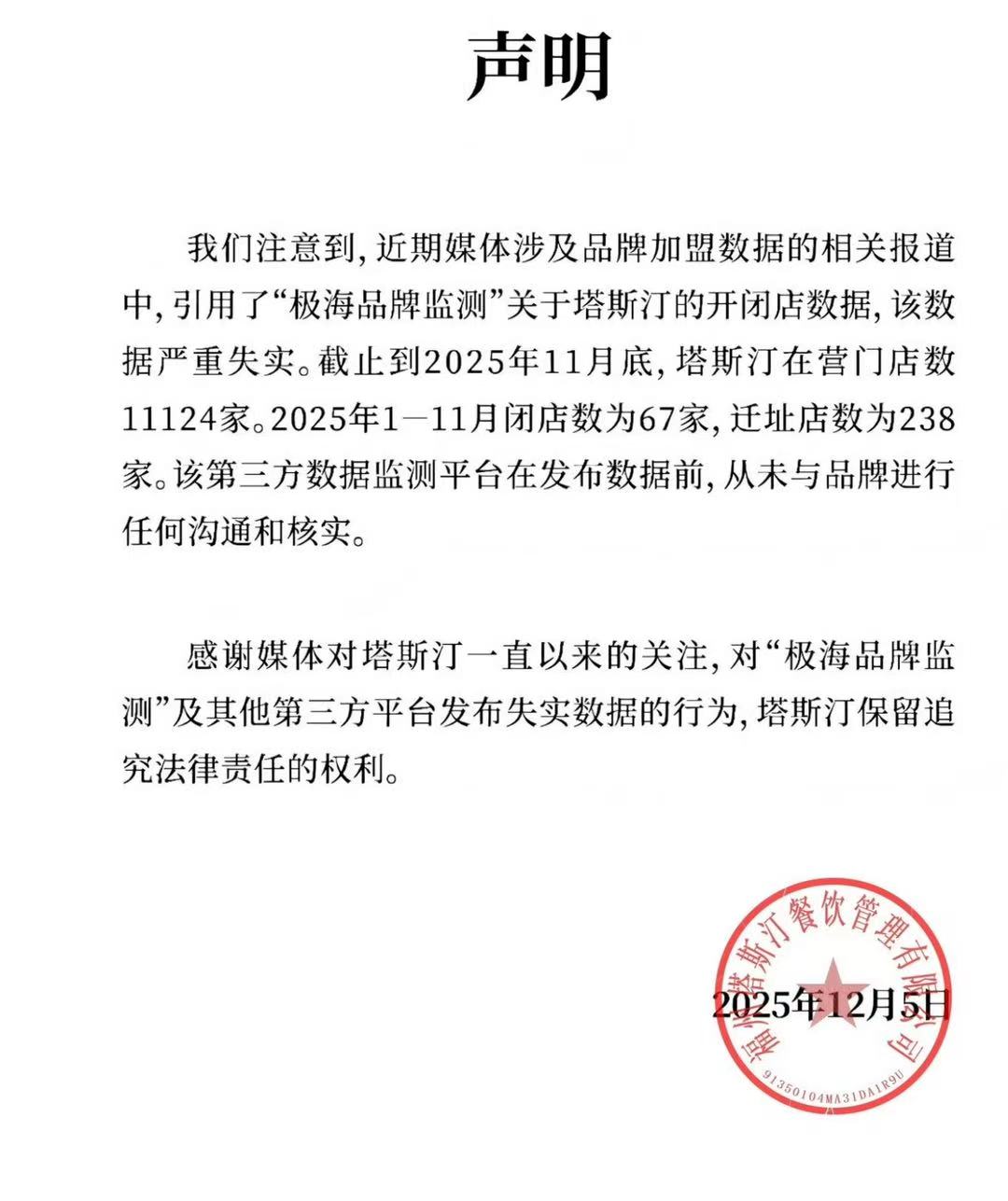
90天关了907家店?塔斯汀发声明否认
Xin Lang Cai Jing· 2025-12-05 04:25
Core Insights - Tasiting has opened 968 new stores in the past 90 days but has also closed 907 stores, resulting in approximately 10,296 operational stores as of December 2 [3] - Founded in 2012 by three individuals in their 30s, Tasiting initially focused on Western fast food, particularly "burgers + pizza," before pivoting to a differentiated product positioning of "Chinese burgers" in 2019 [3] - The company aims to expand its presence significantly, with plans to open over 2,300 new stores annually from 2022 to 2025, targeting first-tier cities and aiming to become a "10,000-store brand" by the second half of 2025 [6] Product Offering - Tasiting specializes in "handmade and freshly baked" products, offering a variety of Chinese-style burgers such as spicy chicken leg burgers and Beijing roast duck burgers, along with snacks, roasted chicken, and beverages [4] - The average transaction value is around 19 yuan, which is lower than that of Western fast food chains like KFC and McDonald's [4] Company Background and Valuation - Tasiting Restaurant Management Co., Ltd. was established in December 2017, with a registered capital of approximately 120 million yuan, focusing on restaurant management and consulting services [6] - The company is currently valued at 7 billion yuan, with significant funding rounds including a 120 million yuan Series A in November 2021 and a recent investment from Sequoia China in November 2023, although specific amounts were not disclosed [6]
万店塔斯汀:开得快,关得也快
凤凰网财经· 2025-11-19 06:44
Core Viewpoint - The article discusses the rapid expansion and challenges faced by the Chinese fast-food brand Tasting, emphasizing that while achieving a large number of stores is impressive, maintaining high-quality individual outlets is crucial for long-term success [1]. Group 1: Expansion and Store Count - Tasting has rapidly expanded to 10,289 stores as of November 18, 2023, up from around 500 in 2020, marking an increase of over 2,000 stores annually [2][3]. - Despite the impressive store count, Tasting is experiencing a significant "high open, high close" phenomenon, with 1,016 new openings and 810 closures in the last 90 days [2][3]. Group 2: Pricing and Market Position - Tasting's initial success was attributed to its competitive pricing and unique positioning as a "Chinese hamburger" brand, but these advantages are now being challenged [4][11]. - Consumer complaints about price increases have surged, with examples showing significant price hikes for menu items from 2023 to 2025 [5][7][9]. Group 3: Competitive Landscape - Tasting faces increasing competition from both international brands like KFC and McDonald's, which are enhancing their value offerings and targeting the same price-sensitive consumer base [10][11]. - New local brands are emerging, intensifying competition in the "Chinese hamburger" segment, with some offering lower prices and better value propositions [15][16]. Group 4: Quality Control Issues - Rapid expansion has led to significant quality control issues, including reports of using expired ingredients and poor hygiene practices in stores [18][19]. - Consumer complaints about undercooked meat have been prevalent, indicating serious food safety concerns that could damage the brand's reputation [20][23]. Group 5: Brand Identity Challenges - Tasting is struggling with brand dilution as numerous similar-sounding brands have emerged, which could confuse consumers and weaken Tasting's market position [17].
海底捞开汉堡店,要和麦当劳、肯德基抢生意?
Xin Lang Cai Jing· 2025-10-27 03:53
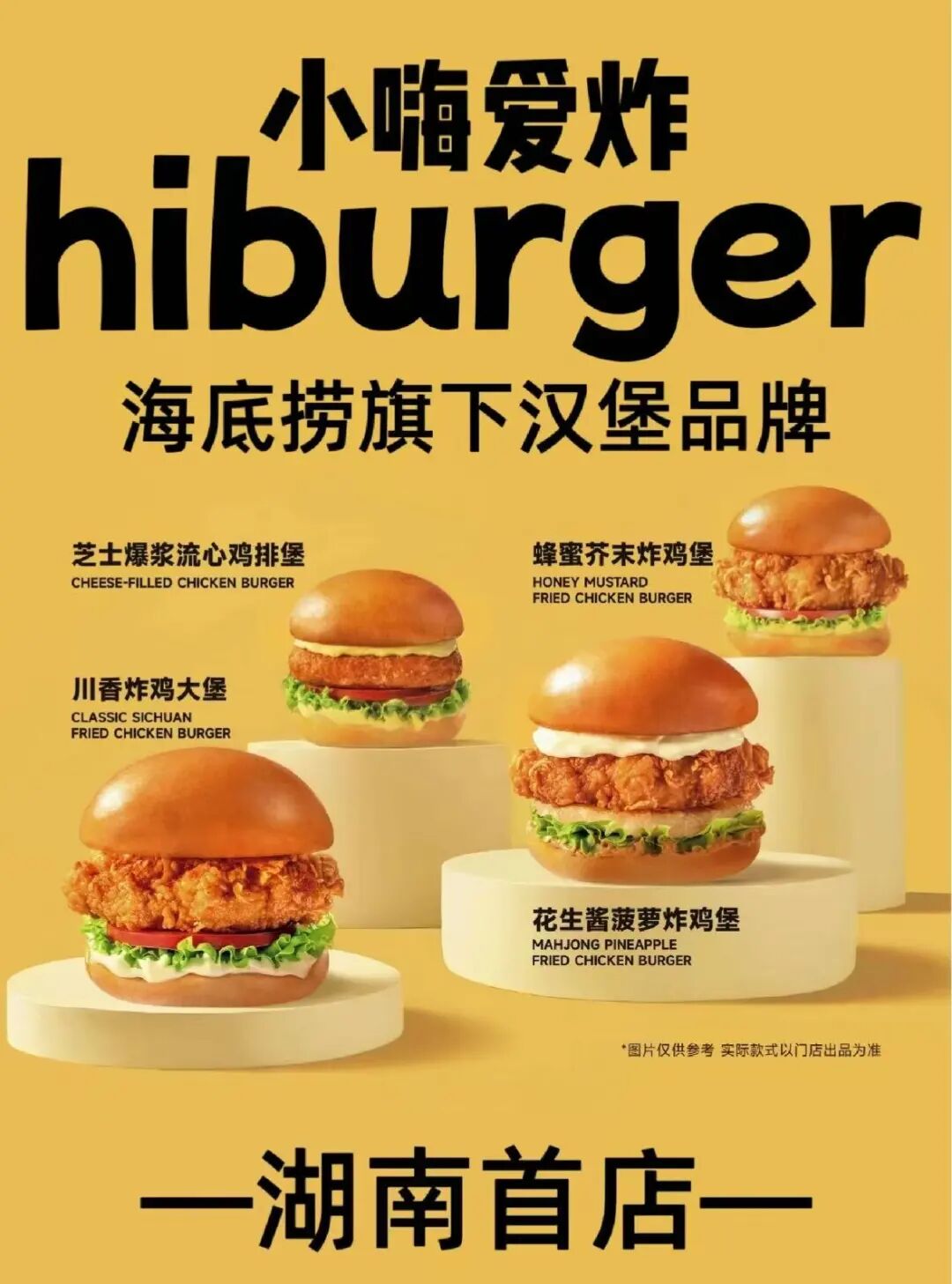
Core Viewpoint - Haidilao is entering the hamburger market with its brand "Xiao Hai Ai Zha hiburger," which is set to open its first store in December, indicating a strategic move to compete with established fast-food giants like McDonald's and KFC [1][4][14] Company Developments - The new store is an upgrade from the existing "Xiao Hai Ai Zha" brand, which has previously offered hamburgers and other products [4][6] - The brand has been diversifying its menu since its inception, initially focusing on fried chicken but expanding to include pasta, seasonal seafood, and coffee products [6][8][10] - The "Xiao Hai Ai Zha" brand has introduced various dining concepts, including a "black gold store" that emphasizes social experiences and a "Korean-style all-you-can-eat" model [10][12] Market Positioning - The rebranding to include "hamburger" in the name suggests a focused effort to establish a presence in the hamburger segment, potentially positioning itself as a "Chinese hamburger" brand [4][15] - The competitive landscape is challenging, with major players like KFC and McDonald's rapidly expanding their store counts, and local brands like Wallace and Tastin also gaining traction [15] Expansion Strategy - Despite a slow expansion pace, with only eight stores opened by September 2025, the brand has initiated a partner recruitment program to accelerate growth [13] - The company plans to support partners with operational guidance, brand support, and supply chain management, indicating a strategic shift towards scaling operations [13] Industry Context - The fast-food sector is seeing a rise in the number of brands with over 500 stores, increasing from 2.6% to 2.8% in market share [15] - The top five companies in the Western fast-food sector accounted for 44% of the market share in 2024, highlighting the dominance of established brands [15]

9600店塔斯汀赴港,食安隐忧与资本棋局
Sou Hu Cai Jing· 2025-07-14 10:56
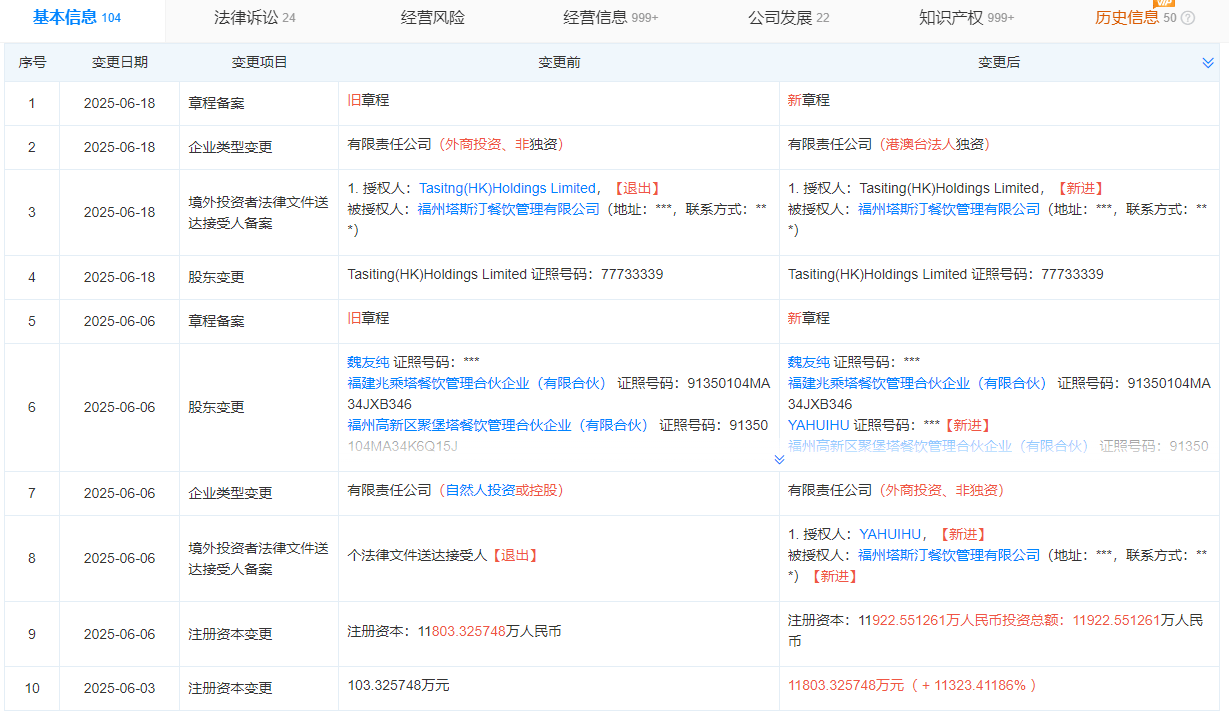
Core Viewpoint - Tasting (HK) Holdings Limited, a company based in Hong Kong, has taken over Fuzhou Tasting Restaurant Management Co., Ltd. in a significant restructuring effort aimed at preparing for an IPO in Hong Kong, marking a potential milestone for the "Chinese Hamburger" brand [1][3]. Company Information - Fuzhou Tasting's registered capital increased from 1.03 million to 118 million RMB, a staggering growth of 11,323% [1][2]. - The company aims to leverage its extensive network of 9,600 stores across 310 cities in China, with plans to add over 8,000 new stores from 2022 to 2024, surpassing international brands like Starbucks and McDonald's in store count within China [5][9]. Business Strategy - Tasting's business model focuses on a franchise system, allowing rapid expansion into lower-tier cities, where over 70% of its stores are located [9]. - The average customer price point of 18.6 RMB positions Tasting strategically between McDonald's and local competitors, appealing to younger consumers with a unique offering of Chinese-style hamburgers [9][10]. Market Position and Challenges - The company has faced significant challenges, including food safety issues highlighted by media reports, which have led to a trust crisis among consumers [10][11]. - Despite reported annual revenues of 7 billion RMB, Tasting's profitability is under pressure due to declining revenue per store as the market becomes increasingly competitive with new entrants in the Chinese hamburger segment [11][12]. Future Outlook - Tasting's decision to pursue a Hong Kong IPO is influenced by favorable market conditions and a more supportive valuation environment for restaurant businesses compared to A-shares [7][12]. - The company must balance its rapid expansion with quality control to maintain consumer trust and ensure sustainable growth as it approaches its IPO [11][12].
2024年中国汉堡行业:健康风潮与快捷诉求下的破茧之路(摘要版)
Tou Bao Yan Jiu Yuan· 2025-03-07 15:12
Investment Rating - The report does not explicitly provide an investment rating for the burger industry in China [3]. Core Insights - The Chinese burger industry, originating from the U.S., has evolved significantly since the introduction of Western fast food brands in the late 20th century, entering a mature and stable phase after over 30 years of rapid growth [3][4]. - The market is shifting towards health and quality, with consumers increasingly prioritizing dietary health and food quality, prompting brands to innovate healthier and tastier burger options [3][4]. - The rapid urbanization and rising income levels in China are contributing to an increase in dining out, providing greater opportunities for the burger market [3][4]. Market Overview - The Chinese burger market is characterized by high market concentration, with leading brands like Wallace, KFC, and Tastin dominating the landscape, holding a significant share of the fast food market [4][20]. - As of November 2024, the number of stores for the top three burger brands is as follows: Wallace (20,005), KFC (11,112), and Tastin (8,545) [4][20]. - The industry exhibits a high degree of standardization and chain operation, allowing for quick service and high table turnover rates, with McDonald's achieving an average of 43 turnovers per day in 2021 [5][20]. Market Size and Growth - The burger industry in China has shown significant growth, driven by increasing consumer awareness of healthy eating and the fast-paced lifestyle [11][14]. - From 2000 to 2018, per capita dining expenditure rose from 1,158.5 RMB to 2,852 RMB, reflecting a compound annual growth rate of 9.4% [14]. - The rise of online food delivery services and changing consumer habits, particularly among younger demographics, are key factors driving the growth of the burger market [14]. Competitive Landscape - The burger industry is highly concentrated, with the top five brands holding over 90% of the market share in terms of store numbers [20]. - Future competition is expected to focus on market penetration in lower-tier cities and the localization of menu offerings, with brands like KFC and Wallace adapting their strategies to attract consumers in these markets [20][21]. - The average customer spending varies by brand, with Wallace targeting below 20 RMB, while KFC leads in the higher price segments [21]. Regional Distribution - The distribution of burger outlets in China shows a higher concentration in coastal regions compared to inland areas, with significant variations in per capita store numbers [16][19]. - As of 2024, Guangdong province leads with 26,290 stores, followed by Shandong and Jiangsu provinces [16][19]. Trends and Innovations - The report highlights a trend towards brand localization and the introduction of "Chinese-style burgers," which cater to local tastes and preferences, contributing to structural growth in the industry [21][22]. - Wallace has increased its presence in lower-tier cities, with a slight rise in store percentages in these areas from 2023 to 2024 [25].
