金枪鱼寿司

Search documents
寿司郎声明:未检出寄生虫
21世纪经济报道· 2026-03-23 10:13
Group 1 - The core viewpoint of the article is that Sushi郎 has addressed customer concerns regarding the presence of parasites in their tuna, confirming that the affected batch was tested and found to be free of parasites, thus meeting national standards [1][3] - The company has issued an apology for the unpleasant experience reported by customers and is committed to optimizing its service [1] Group 2 - The article also highlights a broader market context, noting that European and US stock futures have experienced significant declines, with major tech and chip stocks falling sharply, marking the first such drop in 13 years [4] - Additionally, there has been a notable drop in gold prices, which fell by 7% and dropped below $4200, alongside over ten banks taking collective action [6]


寿司郎回应消费者吃出金枪鱼寄生虫卵
新华网财经· 2026-03-07 08:51
Group 1 - The core issue involves a consumer reporting finding tuna parasite eggs at a Sushi restaurant in the Mentougou District [1] - Sushi restaurant has acknowledged the incident and is cooperating with the market supervision bureau for inspections, emphasizing food safety as a brand priority [1] - The local market supervision bureau has initiated an investigation and collected evidence from the restaurant regarding the remaining tuna products [1]

消费者称在寿司郎吃出寄生虫卵,当地市监局通报
21世纪经济报道· 2026-03-05 08:37
Group 1 - The core issue highlighted is a food safety incident involving Sushi Lang, where a customer found parasitic eggs in tuna after waiting for three hours to be served [1] - The Beijing Market Supervision Bureau has intervened, sealing the problematic ingredients and launching a formal investigation into the matter [1] - Despite the popularity and long queues for Sushi Lang, the incident raises serious concerns about food safety standards, which could undermine the brand's reputation [3] Group 2 - Sushi Lang has been rapidly expanding its store presence, planning to increase the number of outlets in Greater China to 157-161 by fiscal year 2025 and further to 190-193 by fiscal year 2026 [3] - The recent food safety issue could impact the company's growth strategy and customer trust, emphasizing that popularity alone is insufficient without ensuring food safety compliance [3]

寿司郎赢得毫不费力
36氪· 2026-01-15 13:24
Core Viewpoint - Sushi Ramen has emerged as a standout success in the restaurant industry, particularly in China, where it has achieved remarkable growth and popularity despite challenges faced by other dining brands [4][10]. Group 1: Company Performance - Sushi Ramen's parent company, F&LC, reported a record sales revenue of 429.5 billion yen for the fiscal year 2025, with an overall operating profit increase of 54.4% [7]. - The overseas market, led by China, contributed significantly to this growth, with a revenue increase of 42.6%, making up 30% of total business [7]. - Sushi Ramen aims to open 500 stores in China by the fiscal year 2035, a target that took competitors like Salvia 23 years to achieve [7]. Group 2: Market Positioning - Unlike other sushi brands that have struggled, Sushi Ramen has maintained a strong presence in the market, with a unique operational model that emphasizes efficiency and technology [12][18]. - The brand has successfully adapted to consumer preferences, offering a combination of high-quality ingredients at competitive prices, which has resonated with Chinese consumers [27][36]. - Sushi Ramen's pricing strategy allows it to charge around 10 yuan per sushi piece, significantly higher than the original price of 5 yuan, while still being perceived as a value option by consumers [46]. Group 3: Operational Efficiency - Sushi Ramen has implemented advanced technology in its operations, including robots capable of producing 3,600 sushi pieces per hour and a data-driven system for predicting customer demand [12][18]. - The introduction of the "Sushi New Shinkansen" model has further improved efficiency, reducing food waste from an industry average of 10-15% to nearly 0% and decreasing customer wait times from 5 minutes to 3 minutes [18]. - The restaurant's layout and management practices have also enhanced customer capacity and turnover rates, allowing for up to 15 table turnovers per day during peak hours [18]. Group 4: Supply Chain and Ingredient Sourcing - Following the nuclear wastewater incident in 2023, Sushi Ramen accelerated the localization of its supply chain in China, sourcing ingredients from local suppliers to maintain quality and reduce costs [29][30]. - The cost of domestic ingredients, such as sea urchin and eel, is significantly lower than imported options, allowing Sushi Ramen to offer high-quality sushi at competitive prices [29][30]. - The brand has developed a diverse product lineup with over 200 SKUs, enhancing its appeal and allowing for strategic pricing that attracts a wide range of customers [33][34].
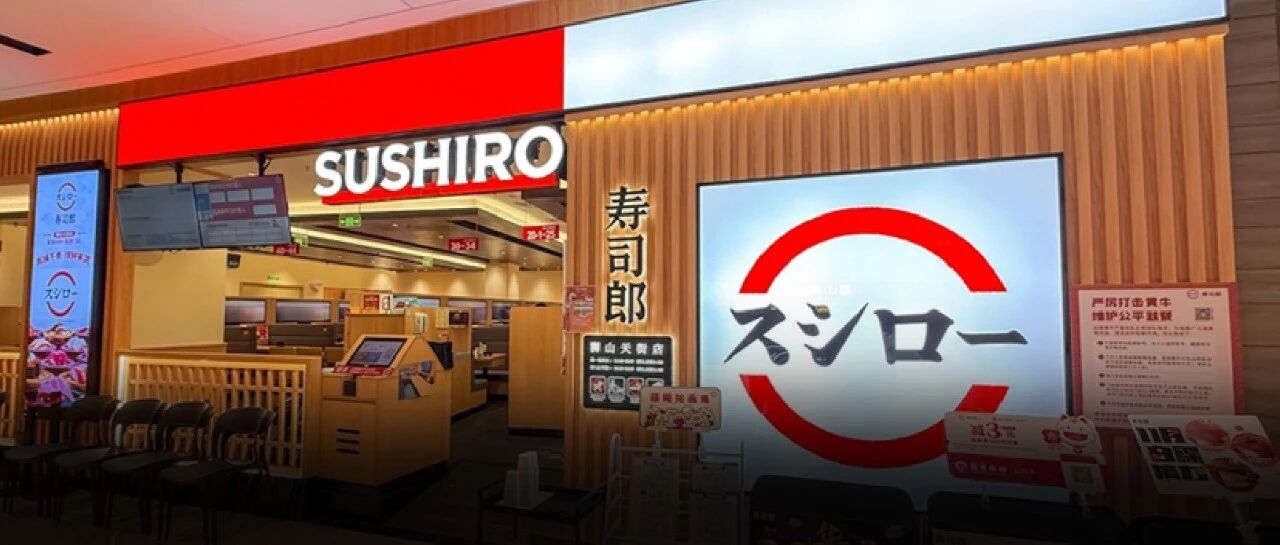
寿司郎赢得毫不费力
虎嗅APP· 2026-01-10 13:26
Core Viewpoint - Sushi郎 stands out in the restaurant industry, achieving remarkable success amidst a challenging market, with long queues and high customer demand, particularly in China [5][6]. Group 1: Company Performance - Sushi郎's parent company, F&LC, reported a record sales revenue of 429.5 billion yen for the fiscal year 2025, with an overall operating profit increase of 54.4% [6]. - The overseas market, especially China, contributed significantly to this growth, with a revenue increase of 42.6%, making up 30% of total business [6]. - Sushi郎's revenue growth in 2024 was 13.6%, reaching a historical high [10][11]. Group 2: Market Strategy - Sushi郎 utilizes advanced technology in its operations, including robots that can produce 3,600 sushi pieces per hour and a data-driven system to predict customer preferences, enhancing efficiency [8][9]. - Following a public relations crisis, Sushi郎 shifted to a "Sushi Shinkansen" model, improving food waste rates from 10%-15% to nearly 0% and reducing customer wait times [10][11]. - The restaurant's design allows for high customer capacity and turnover rates, with peak times achieving 10-15 table turns per day [11]. Group 3: Competitive Landscape - Sushi郎's success contrasts with other sushi brands like KURA, which struggled in the Chinese market due to high pricing and lack of localization [15][16]. - The brand's pricing strategy positions it as a "value for money" option, with a customer perception of high quality at a reasonable price, despite higher costs compared to local competitors [12][20]. - Sushi郎's product mix includes over 200 SKUs, allowing for strategic pricing and customer attraction through popular items while maintaining profitability on lower-cost items [20]. Group 4: Industry Context - The Japanese sushi market has seen significant growth, with the conveyor belt sushi segment experiencing a doubling in size from 2000 to 2019 [22]. - Sushi郎's operational model capitalizes on the dichotomy in the restaurant industry, appealing to both budget-conscious consumers and those seeking quality [26]. - The brand's ability to adapt to local tastes and preferences has been crucial in establishing its presence in the competitive Chinese market [19][27].
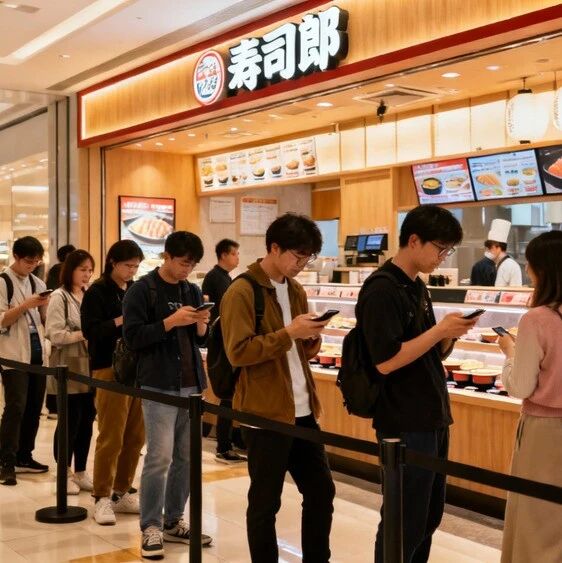
寿司郎赢得毫不费力
远川研究所· 2026-01-09 07:07
Core Viewpoint - Sushi郎 stands out in the restaurant industry, experiencing significant success despite challenges faced by other dining brands, with long queues and high demand in its locations [2][4]. Group 1: Financial Performance - In the fiscal year 2025 (2024.9-2025.9), Sushi郎's parent company F&LC achieved record sales of 429.5 billion yen, with an overall operating profit increase of 54.4% [4]. - The overseas market, particularly China, contributed significantly to this growth, with a revenue increase of 42.6%, making up 30% of total business [4]. - After implementing the "Sushi New Shinkansen" model, Sushi郎's revenue grew by 13.6%, reaching a historical high [10]. Group 2: Market Position and Strategy - Sushi郎's entry into the Chinese market has been marked by a unique approach, contrasting with other sushi brands that have struggled [7][13]. - The brand has adopted advanced technology in its operations, including robots capable of producing 3,600 sushi pieces per hour and a data-driven system for predicting customer preferences [10]. - Sushi郎's efficiency improvements have led to a significant reduction in food waste, from an industry average of 10%-15% to nearly 0% [10]. Group 3: Consumer Perception and Brand Identity - Sushi郎 has successfully positioned itself as a "value for money" option, with a customer perception that aligns with affordability despite higher average prices compared to competitors [12][18]. - The brand's marketing strategy includes a diverse product range, with over 200 SKUs, allowing it to attract various customer segments [17]. - The brand's identity benefits from the perception of sushi as a high-quality, low-effort meal, appealing to consumers seeking convenience without compromising on quality [14][15]. Group 4: Competitive Landscape - Other sushi brands, such as KURA Sushi, have struggled in the Chinese market, highlighting the challenges of local adaptation and competition [13]. - Sushi郎's success contrasts with the difficulties faced by mid-range dining brands that fail to find a balance between affordability and quality [13][19]. - The brand's ability to leverage local supply chains for ingredients has further enhanced its competitive edge, especially in light of recent events affecting seafood sourcing [15].