
钙钛矿/晶体硅叠层组件

Search documents
太空光伏能否成为新蓝海?
Ren Min Ri Bao· 2026-02-10 10:12
Core Viewpoint - The exploration of space photovoltaic technology has gained attention, particularly with Elon Musk's proposal to deploy a 100 GW solar energy satellite network annually, which could account for approximately one-sixth of the global new photovoltaic installations [1] Group 1: Space Photovoltaic Technology - Space photovoltaic technology involves equipping spacecraft or satellites with photovoltaic components to convert solar energy into electricity, with the long-term goal of wireless transmission to Earth [1] - The efficiency of solar energy in space can be 7 to 10 times higher than that of ground systems due to constant sunlight and minimal weather interference [1] Group 2: Market Trends and Drivers - The interest in space photovoltaic technology has surged due to advancements in reusable rocket technology, which have lowered launch costs, and the rapid development of the commercial space economy [1] - The increasing demand for electricity and cooling in data centers has highlighted the limitations of ground infrastructure, making space-based solar energy more appealing [1] Group 3: Current Challenges and Economic Viability - Space photovoltaic technology is still in the exploratory phase, with challenges related to technological development and economic feasibility [3] - The current cost of electricity generated from space photovoltaic systems is estimated to be between $2 and $3 per kWh, compared to $0.03 to $0.05 per kWh for ground-based systems, indicating a significant cost disparity [3] Group 4: Advantages of the Chinese Photovoltaic Industry - The Chinese photovoltaic industry has several advantages, including significant advancements in research and development, with a 55% global share of efficiency records during the 14th Five-Year Plan [3] - Manufacturing capacity has increased to 5.5 times that of the previous five-year period, with projections indicating that by 2025, China will account for over 90% of global production [3] - The average cost of electricity from photovoltaic projects has decreased by 80% over the past decade, showcasing China's cost advantages in the sector [3] Group 5: Industry Initiatives - Chinese photovoltaic companies are actively pursuing advancements in space photovoltaic technology, with notable initiatives such as the record-breaking development of perovskite/silicon tandem components by Trina Solar and the establishment of a future energy space laboratory by LONGi Green Energy [4] - JinkoSolar and Jintai Technology are collaborating to promote the research and industrialization of perovskite tandem battery technology [4] - The development of space photovoltaic technology is viewed as a long-term endeavor requiring patience and time [4]


太空光伏,能否成为新蓝海?
Ren Min Ri Bao· 2026-02-09 05:40
Core Insights - The recent exploration of China's photovoltaic industry chain by Musk's team has garnered attention, particularly with Musk's plan to deploy a 100 GW solar AI satellite energy network annually, which represents about one-sixth of the global new photovoltaic installations [1] Group 1: Space Photovoltaics Overview - Space photovoltaics involves equipping spacecraft or satellites with photovoltaic components to convert solar energy into electricity, with long-term goals of wireless energy transmission to Earth [1] - The advantages of space photovoltaics include higher solar intensity, no day-night or weather impacts, and energy density that can reach 7-10 times that of ground systems [1] Group 2: Market Dynamics - The interest in space photovoltaics has surged due to advancements in reusable rocket technology, which lowers launch costs, and the rapid development of the commercial space economy [2] - The increasing demand for electricity and cooling from data centers is also driving interest, as the efficiency of photovoltaic generation in space is significantly higher than on the ground [2] Group 3: Current Challenges - Space photovoltaics is still in the exploratory and validation phase, with industrialization hindered by technological and economic factors [2] - The current cost of electricity generated from space photovoltaics is approximately $2-3 per kWh, compared to $0.03-0.05 per kWh for ground-based photovoltaics, indicating a potential cost disparity of up to 100 times [2] Group 4: China's Competitive Advantages - The Chinese photovoltaic industry has multiple advantages, including significant advancements in technology, with 27 breakthroughs in efficiency records during the 14th Five-Year Plan, increasing global share to 55% [2] - Manufacturing capacity has surged, with photovoltaic cell production during the 14th Five-Year Plan being 5.5 times that of the previous plan, and projected capacity to account for over 90% of global output by 2025 [2] - Cost advantages have been realized, with an 80% reduction in average electricity generation costs for global photovoltaic projects over the past decade [2] Group 5: Industry Initiatives - Chinese photovoltaic companies are actively pursuing advancements in space photovoltaics, with notable achievements such as the world record for large-area perovskite/silicon tandem components and the establishment of future energy space laboratories [3] - Collaborations are underway to promote the research and industrialization of perovskite tandem battery technology, indicating a commitment to developing competitive high-efficiency photovoltaic products [3] - The future of space photovoltaics is viewed as a long-term endeavor, with expectations for breakthroughs in commercial space transportation and reduced launch costs, potentially unlocking a trillion-dollar market [3]
太空光伏,能否成为新蓝海?
Huan Qiu Wang Zi Xun· 2026-02-09 01:29
Core Insights - The recent interest in space photovoltaic technology has been sparked by Elon Musk's team exploring China's photovoltaic industry chain, with plans to deploy a 100 GW solar AI satellite energy network annually, which represents about one-sixth of the global new photovoltaic installations [1] Group 1: Space Photovoltaic Technology - Space photovoltaic technology involves equipping spacecraft or satellites with photovoltaic components to convert solar energy into electricity, with a long-term goal of wireless energy transmission to the ground [1] - The advantages of space photovoltaic include higher solar intensity, no day-night or weather impacts, and energy density that can be 7 to 10 times greater than ground systems [1] Group 2: Market Dynamics - The increasing attention to space photovoltaic in recent years is attributed to advancements in reusable rocket technology, which have lowered launch costs, and the rapid development of commercial space, making the space economy more viable [1] - The demand for electricity and cooling in data centers is rising, and the efficiency of photovoltaic power generation in space is significantly higher than on the ground [1] Group 3: Current Challenges - Space photovoltaic technology is still in the exploratory and validation stages, with industrialization affected by technological development and economic factors, requiring time for large-scale development [2] - The current cost of electricity generated from space photovoltaic is estimated to be around $2 to $3 per kWh, while ground photovoltaic costs have dropped to $0.03 to $0.05 per kWh, creating a cost disparity of up to 100 times [2] Group 4: China's Photovoltaic Industry Advantages - China's photovoltaic industry possesses multiple advantages, including significant advancements in technology research, with 27 breakthroughs in efficiency records during the 14th Five-Year Plan, increasing its global share to 55% [3] - Manufacturing capacity has surged, with photovoltaic cell production during the 14th Five-Year Plan being 5.5 times that of the previous plan, and projected to account for over 90% of global capacity by 2025 [3] - Over the past decade, China has contributed to an 80% reduction in the average cost of electricity generation from global photovoltaic projects [3] Group 5: Future Prospects - Chinese photovoltaic companies are actively pursuing advancements in space photovoltaic technology, with initiatives such as the establishment of a space laboratory by Longi Green Energy and collaborative efforts by Jinko Solar and Jintai Technology to develop perovskite tandem battery technology [3] - The development of space photovoltaic is viewed as a long-term endeavor requiring patience, with the potential for significant market opportunities as commercial space transportation capabilities improve and launch costs decrease [3]

人民网经济热点快评|太空光伏能否成为新蓝海?
Ren Min Ri Bao· 2026-02-08 02:43
Core Insights - The recent exploration of China's photovoltaic industry chain by Musk's team has garnered attention, particularly regarding the feasibility of space-based solar power and the potential opportunities for the Chinese photovoltaic sector [2] Group 1: Space-Based Solar Power Concept - Space-based solar power involves deploying photovoltaic components on spacecraft or satellites to convert solar energy into electricity, with the long-term goal of wireless transmission to Earth [2] - The advantages of space-based solar power include higher solar intensity, no day-night or weather impacts, and energy density that can be 7 to 10 times greater than ground systems [2] Group 2: Market Dynamics and Challenges - The interest in space-based solar power has increased due to advancements in reusable rocket technology, which lowers launch costs, and the rapid development of the commercial space economy [3] - Current cost estimates for space-based solar power are around $2 to $3 per kilowatt-hour, while ground-based solar power costs have dropped to $0.03 to $0.05 per kilowatt-hour, indicating a significant economic gap [3] Group 3: China's Photovoltaic Industry Advantages - The Chinese photovoltaic industry has made significant advancements during the 14th Five-Year Plan, achieving 27 breakthroughs in efficiency records, increasing its global share to 55% [3] - The production capacity of photovoltaic cells during the 14th Five-Year Plan is projected to be 5.5 times that of the previous plan, with expectations to dominate global capacity by 2025 [3] - Over the past decade, China has contributed to an 80% reduction in the average cost of electricity generated from global photovoltaic projects [3] Group 4: Industry Initiatives and Future Outlook - Chinese photovoltaic companies are actively pursuing advancements in space-based solar power, with initiatives such as the establishment of a space laboratory by Longi Green Energy and the development of perovskite tandem cell technology by Jinko Solar and Jintai Technology [4] - The journey towards space-based solar power is described as a marathon requiring time and patience, with the potential for significant market opportunities as commercial space transportation capabilities improve and launch costs decrease [4]

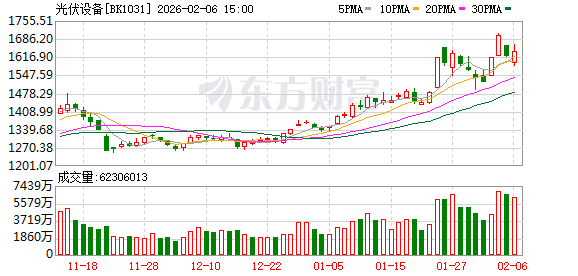
经济热点快评|太空光伏,能否成为新蓝海?
Sou Hu Cai Jing· 2026-02-07 15:37
Core Insights - The recent exploration of China's photovoltaic industry chain by Musk's team has garnered attention, particularly regarding the feasibility of space-based solar power and the potential opportunities for the Chinese photovoltaic sector [1][3] Group 1: Space Photovoltaics Overview - Space photovoltaics involves deploying solar panels on spacecraft or satellites to convert solar energy into electricity, with the long-term goal of wireless energy transmission to Earth [1] - The efficiency of solar power in space is significantly higher than on Earth, with energy density reaching 7-10 times that of ground systems due to constant sunlight and minimal atmospheric interference [1] Group 2: Market Dynamics - The interest in space photovoltaics has surged due to advancements in reusable rocket technology, which have lowered launch costs, and the increasing demand for electricity from data centers that outpaces ground infrastructure capabilities [1][3] - Current cost estimates for space photovoltaics are around $2-$3 per kilowatt-hour, compared to $0.03-$0.05 for ground-based solar, indicating a significant economic gap that needs to be addressed for scalability [3] Group 3: China's Competitive Advantages - The Chinese photovoltaic industry has made substantial advancements in technology, with 27 breakthroughs in efficiency records during the 14th Five-Year Plan, increasing its global share to 55% [3] - Manufacturing capacity has surged, with photovoltaic cell production during the 14th Five-Year Plan being 5.5 times that of the previous plan, and projections indicate that by 2025, China will account for over 90% of global capacity [3] - Over the past decade, China has contributed to an 80% reduction in the average cost of electricity generation from global photovoltaic projects [3] Group 4: Industry Initiatives - Chinese photovoltaic companies are actively pursuing advancements in space photovoltaics, with notable initiatives such as the record-setting perovskite/silicon tandem cells by Trina Solar and the establishment of future energy space laboratories by LONGi Green Energy [4] - The development of perovskite tandem battery technology is being advanced through collaborations between JinkoSolar and Jintai Technology, indicating a strong commitment to innovation in this field [4] - The journey towards commercializing space photovoltaics is expected to be a long-term endeavor, requiring patience and sustained effort to create competitive, high-efficiency products [4]

光伏企业抢滩太空赛道!光伏ETF华夏(515370)上涨1.21%,晶盛机电涨超9%
Mei Ri Jing Ji Xin Wen· 2026-01-16 06:09
Group 1 - The core viewpoint of the news is that the photovoltaic industry is expanding into the space sector, with companies like Junda Co. making strategic investments to capitalize on opportunities in low-orbit satellite networking and space computing [1] - Junda Co. announced a cash investment of 30 million yuan to acquire a 16.67% stake in Shanghai Xingyi Chip Energy Technology Co., which aims to leverage both companies' strengths in photovoltaic industrialization and space applications [1] - Other companies in the industry, such as Trina Solar and JinkoSolar, are also advancing in the development of perovskite/silicon tandem cells, which are expected to meet the demands of space photovoltaic applications [1] Group 2 - The Huaxia Photovoltaic ETF (515370) tracks the CSI Photovoltaic Industry Index, which includes upstream, midstream, and downstream companies in the photovoltaic supply chain, reflecting the overall performance of the photovoltaic industry [2] - The index has a photovoltaic content of 83.64%, ranking first in the entire market dimension [2]





天合光能:再次刷新纪录并在钙钛矿/P型异质结叠层电池研发效率上取得突破
Zhong Guo Jin Rong Xin Xi Wang· 2026-01-15 02:37
Core Insights - Trina Solar has achieved a significant breakthrough in photovoltaic technology by setting a new world record with a power output of 886W for a 3.1㎡ large-area perovskite/silicon tandem module [1] - The advancement in space photovoltaic technology is expected to create new development opportunities for the photovoltaic industry, with the potential for a sustainable energy solution involving "space power generation - wireless transmission - ground reception" [1] - The global space photovoltaic market is projected to reach a trillion-dollar scale by 2030, driven by advancements in reusable rocket technology and the increasing demand for space-based energy solutions [1] Company Developments - Trina Solar has been actively investing in core photovoltaic technologies and has strategically positioned itself in the space photovoltaic sector, with research dating back ten years [2] - The company has developed a comprehensive technology system covering crystalline silicon, perovskite, and gallium arsenide (GaAs) solar cells, focusing on lightweight and high-reliability requirements for space applications [2] - The laboratory has achieved a conversion efficiency of 27.08% for large-size HJT cells and over 35% for small-size perovskite/silicon tandem cells, with the highest efficiency for large-area perovskite/silicon tandem solar cells reaching 32.6% [2] Industry Trends - The mainstream technology for space applications is currently gallium arsenide batteries, but crystalline silicon and newly developed perovskite batteries are expected to enter the application phase rapidly due to the growth of low Earth orbit communications and space computing [2] - The International Telecommunication Union (ITU) has received an application from China for frequency and orbital resources for 203,000 new satellites, covering 14 satellite constellations, indicating a significant expansion in space infrastructure [1]
天合光能(688599):2024年年报&2025年一季报点评:210组件累计出货量稳居行业第一,持续优化全球供应链配置
EBSCN· 2025-05-06 03:44
Investment Rating - The report has downgraded the investment rating to "Accumulate" due to intensified industry competition leading to rapid price declines in components [3]. Core Viewpoints - The company achieved a cumulative shipment of 210 components, maintaining its position as the industry leader, despite a significant decline in revenue and net profit in 2024 [1]. - The company is focusing on large-sized photovoltaic components and continuously developing new battery technologies while expanding into multiple business categories [3]. - The company plans to achieve a shipment volume of 70-75GW for photovoltaic components and 8-10GWh for energy storage systems in 2025, with a target of at least 20% year-on-year growth in system solutions and digital energy services [1]. Financial Performance Summary - In 2024, the company reported operating revenue of 80.282 billion yuan, a year-on-year decrease of 29.2%, and a net profit attributable to shareholders of -3.443 billion yuan, a year-on-year decline of 162.25% [1][4]. - For Q1 2025, the company achieved operating revenue of 14.335 billion yuan, a year-on-year decrease of 21.48%, and a net profit of -1.32 billion yuan, showing a reduction in losses compared to the previous quarter [1]. - The company plans to achieve a revenue of 75.408 billion yuan in 2025, with a projected net profit of -960 million yuan [4]. Shipment and Production Highlights - The company’s 210 component cumulative shipment exceeded 170GW, securing its top position in the industry [1]. - In 2024, the company’s component sales volume increased by 18.31% to 64.48GW, with total shipments including power stations and system products reaching 70.47GW [1]. - The company has also made significant progress in other areas, with over 5.7GW of wind and solar storage project indicators acquired and over 10GWh of energy storage sales [1]. Technological Advancements - The company achieved a breakthrough with its self-developed 210 large-size perovskite/silicon tandem battery component, reaching a peak power of 808W, marking it as the first industrial standard size photovoltaic component to exceed 800W [2]. - The efficiency of the 210mm large-area perovskite/silicon tandem solar cell reached 31.1%, establishing the company’s technological leadership in the industrial application of tandem batteries [2]. Global Supply Chain Optimization - The company has optimized its global supply chain, with over 60% of component business revenue coming from overseas in 2024 [2]. - The establishment of a production base in Indonesia helps mitigate trade barrier risks, while efforts are underway to localize operations in the U.S. [2].