
银行直售房产

Search documents
盘活存量资产、提升债权回收率 银行转变思路下场卖房
Zhong Guo Zheng Quan Bao· 2025-11-12 00:49
Core Insights - The number of properties directly sold by banks has increased significantly, with a 24.7% year-on-year growth in "bank direct supply" properties on the Alibaba asset platform during the auction period from November 1 to November 11 [1][2] - This trend indicates a shift in banks' asset disposal strategies from primarily "To B" (business) to a balanced approach of "To B" and "To C" (consumer), driven by the need to revitalize existing assets and improve debt recovery rates [1][3] Group 1: Market Dynamics - On November 11, over 170 properties, including shops, residential units, and office buildings, were up for auction, with starting prices ranging from 30,000 to over 40 million yuan [2] - The increase in bank direct sales is attributed to the growing asset disposal needs of small and medium-sized banks, particularly rural commercial banks, as well as larger state-owned banks [3][2] - The current real estate market adjustment has prompted banks to focus on debt recovery to prevent further asset price declines, marking a proactive approach to asset management [3][6] Group 2: Advantages of Bank Direct Sales - Bank direct sales offer clearer property rights compared to judicial auction properties, as banks acquire complete ownership through debt claims before selling [3][4] - Properties sold directly by banks typically have lower starting prices than market rates, providing potential buyers with advantageous purchasing opportunities [4][5] - The efficiency of direct sales allows banks to accelerate the recovery of funds, contrasting with traditional lengthy asset disposal processes [4][5] Group 3: Regulatory and Consumer Considerations - Recent regulatory changes, such as the implementation of the "Commercial Bank Financial Asset Risk Classification Measures," encourage banks to actively manage and dispose of non-performing assets [6] - As banks increasingly engage in direct sales to consumers, it is essential for buyers to conduct thorough due diligence on property conditions and potential hidden issues [7][6] - The need for regulatory oversight is emphasized to prevent disorderly price declines in the real estate market, ensuring a balanced approach to asset management [6]
盘活存量资产 提升债权回收率 银行转变思路下场卖房
Zhong Guo Zheng Quan Bao· 2025-11-11 22:03
Core Viewpoint - The increase in bank-direct property sales indicates a shift in asset disposal strategies, with banks moving towards a dual approach of targeting both B-end and C-end markets to enhance asset recovery and manage non-performing assets effectively [1][3][6]. Group 1: Market Trends - The number of properties directly sold by banks has increased significantly, with a reported 24.7% growth compared to the same period last year and a 77.8% increase from the previous month [2][4]. - On November 11, over 170 properties, including shops, residential units, and office buildings, were up for auction on platforms like Alibaba Assets, with starting prices ranging from 30,000 to over 40 million yuan [2][4]. Group 2: Asset Disposal Strategy - Banks are transitioning from a primarily B-end asset disposal model to a more balanced approach that includes C-end sales, driven by the need to manage increasing asset disposal volumes, especially among smaller banks [3][5]. - The direct sale of properties allows banks to expedite the recovery of funds, as traditional asset disposal methods can be time-consuming, particularly in the current market environment [4][5]. Group 3: Advantages of Direct Sales - Bank-direct properties typically have clearer ownership and lower starting prices compared to market rates, making them attractive to buyers [4][6]. - The process of selling bank-owned properties is generally more efficient, allowing for quicker fund recovery and potentially reducing the risk of further asset depreciation [4][6]. Group 4: Regulatory Environment - Recent regulatory changes, such as the implementation of the "Commercial Bank Financial Asset Risk Classification Measures," encourage banks to actively manage and dispose of non-performing assets [6]. - Local governments are also facilitating the inclusion of bank-direct properties in affordable housing procurement pools, which helps mitigate financial risks while addressing housing supply needs [6].

盘活存量资产 提升债权回收率银行转变思路下场卖房
Zhong Guo Zheng Quan Bao· 2025-11-11 20:09
Core Insights - The number of properties directly sold by banks has increased significantly, with a 24.7% year-on-year growth noted on the Alibaba asset platform for the auction period from November 1 to November 11 [1][2] - The shift in asset disposal strategy from a "To B" focus to a dual approach of "To B" and "To C" is driven by the need to revitalize existing assets and improve debt recovery rates [2][4] - The trend of banks selling properties directly is seen as a crucial method for managing non-performing assets and mitigating losses [1][4] Group 1: Market Trends - The auction of over 170 properties on November 11 included various types such as commercial spaces, residential units, and office buildings, with starting prices ranging from 30,000 to over 40 million yuan [1] - The increase in direct sales is attributed to the growing need for banks, especially smaller regional banks, to dispose of larger asset volumes [2][4] - The current real estate market adjustment has prompted banks to prioritize debt recovery to prevent further asset price declines [3][4] Group 2: Advantages of Direct Sales - Properties sold directly by banks have clearer ownership compared to judicial auction properties, reducing transaction risks and expediting asset disposal [3] - The starting prices for bank-sold properties are typically lower than market prices, providing potential buyers with advantageous purchasing opportunities [3] - Banks are also exploring options to auction rental rights of these properties, catering to short-term housing needs [3] Group 3: Regulatory and Consumer Considerations - Recent regulatory changes have encouraged banks to actively manage and dispose of non-performing assets, with local governments supporting the inclusion of bank-sold properties in affordable housing initiatives [4] - Consumers are advised to conduct thorough due diligence on properties, including verifying the current condition and any potential hidden issues such as existing debts or tenant agreements [5] - It is essential for buyers to carefully review contract terms to avoid pitfalls related to liability and payment conditions [5]
银行直销“不动产” 折价加速去化
Zhong Guo Jing Ying Bao· 2025-11-11 10:32
Core Viewpoint - The article discusses the accelerated disposal of non-performing real estate assets by banks in China, driven by the need to enhance asset liquidity amid rising bad debts and stricter regulatory requirements during an economic downturn [1][2][4]. Group 1: Market Dynamics - Banks are auctioning properties at prices significantly below market valuation, with some properties starting at over 40% lower than assessed values, as seen in the case of a two-bedroom apartment in Langfang, Hebei [1]. - The trend of banks selling real estate directly is gaining traction, with various banks, including Agricultural Bank and Industrial Bank, actively promoting their properties through online platforms and bank channels [2][3]. Group 2: Challenges and Solutions - Concerns from buyers regarding legal disputes over auctioned properties are being addressed through agreements that ensure original owners vacate the premises by a specified date [2]. - The traditional judicial auction process is criticized for being lengthy and inefficient, prompting banks to seek alternative methods for quicker asset recovery, such as direct sales of non-performing loans [2][4]. Group 3: Innovations in Asset Disposal - Banks are exploring innovative approaches to asset disposal, including leveraging technology for faster transactions and creating flexible sales models like "rent-to-buy" and asset package sales [5]. - The use of big data and blockchain technology is being implemented to enhance transparency and streamline the transaction process, marking a shift from passive asset disposal to proactive asset management [5].


银行直供房批量入市、有房源低于市场成交价21%,一个比法拍房更靠谱的捡漏机会?
Sou Hu Cai Jing· 2025-11-11 02:12
Core Viewpoint - Banks are increasingly engaging in direct sales of real estate, particularly focusing on disposing of non-performing assets through judicial auction platforms like JD and Alibaba, with participation from various banks including state-owned and local banks [3][5]. Group 1: Market Dynamics - The scale of bank direct sales has surged, especially among smaller banks and rural commercial banks, as they shift focus from B2B to B2C sales strategies [5][6]. - The judicial auction market has seen a low clearance rate of 28.5% for auctioned properties, prompting banks to explore direct sales to consumers [5][6]. Group 2: Asset Pricing - Bank direct sale properties are generally priced 15%-25% lower than the market value, providing potential "bargain" opportunities for buyers [7][8]. - For example, a property sold by Postal Savings Bank in Hefei was purchased for 1.158 million yuan, significantly below the average market price of similar properties in the area [7][8]. Group 3: Risk and Considerations - While bank direct sales reduce risks associated with traditional auction properties, buyers are advised to conduct thorough due diligence on property status and ownership before purchase [6][8]. - The entry of bank direct sales into the market may necessitate regulatory oversight to prevent unnecessary price declines and ensure market stability [8].


史无前例!银行开始下场卖房了。
Sou Hu Cai Jing· 2025-11-10 23:13
Core Viewpoint - The banking sector is transitioning from being merely a provider of credit to becoming a significant player in the real estate market, actively selling properties to manage non-performing assets and improve recovery rates [1][3]. Group 1: Reasons for Banks Selling Properties - The properties sold by banks are primarily assets recovered from borrowers who defaulted on loans, which have become liabilities due to rising mortgage default rates in certain regions [3]. - Traditional methods of asset disposal, such as judicial auctions, have proven ineffective, with high rates of unsold properties and lengthy processing times, prompting banks to adopt direct sales through online platforms [3][4]. Group 2: Market Dynamics of Direct Sales - Smaller banks, particularly those in the agricultural credit system and local city commercial banks, are leading in the number of properties listed for sale, with significant listings from institutions like Sichuan Agricultural Credit and Guangdong Agricultural Credit [5]. - There is a stark contrast in sales performance based on property location, with some areas experiencing low demand while others, particularly in prime locations, see high interest due to competitive pricing [5]. Group 3: Banking Strategy and Market Implications - The direct sale of properties represents a shift in banking strategy from passive asset management to active asset optimization, aiming to mitigate risks, enhance efficiency, and improve capital allocation [6]. - The focus on core location properties reflects a broader market strategy where banks seek to identify opportunities in a differentiated market, while developers are encouraged to enhance value through improved product and service offerings [6]. - The current phase of risk resolution in the real estate sector is viewed as a necessary step towards a more sustainable economic model, moving away from reliance on land finance [6].

银行批量直售房产
经济观察报· 2025-11-07 14:21
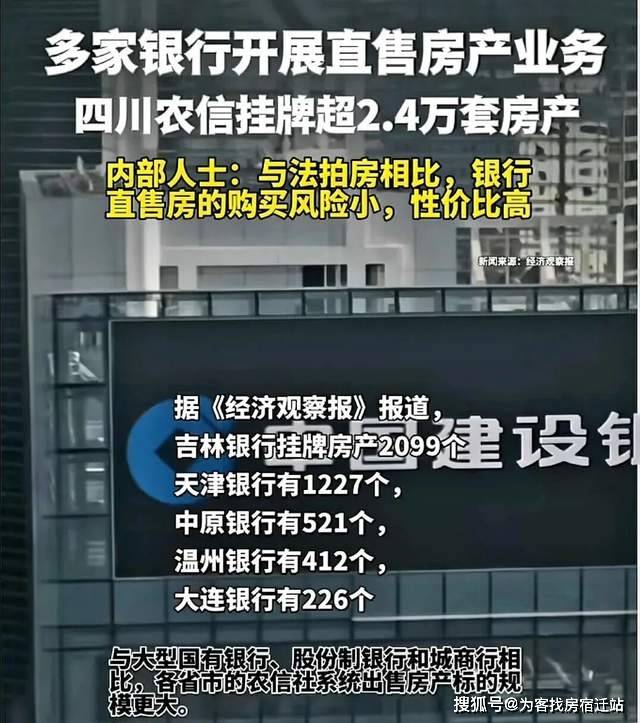
Core Viewpoint - The article discusses the increasing trend of banks directly selling real estate properties that are primarily collateral for non-performing loans, highlighting the shift in asset recovery strategies in the current market environment [2][3]. Group 1: Direct Sale of Properties - Lanzhou Rural Commercial Bank has listed nearly 200 properties for auction on JD Asset Platform, with prices ranging from tens of thousands to billions, primarily consisting of debt collateral properties [2]. - Other banks, including Agricultural Bank, Construction Bank, and various city commercial banks, are also engaging in direct property sales, with smaller banks showing larger volumes [2][6]. - The properties listed are often the result of banks separating non-performing loans from the underlying real estate, allowing for clearer ownership and facilitating debt recovery through sales [2][3]. Group 2: Market Dynamics and Trends - The difficulty in disposing of non-performing loans has led banks to establish dedicated departments for managing these assets, seeking both recovery and investment opportunities in the market [3]. - The number of properties listed for direct sale has significantly increased, with Lanzhou Bank listing 1,130 properties in 2024 and 1,779 in 2025, indicating a growing trend in asset liquidation [5][6]. - The scale of property sales by rural credit cooperatives is notably larger compared to larger state-owned and joint-stock banks, with significant listings reported from various provinces [7]. Group 3: Pricing and Market Reception - Properties listed by banks often have lower starting prices compared to market rates, making them attractive to buyers, although the transaction rates can be low due to multiple rounds of bidding and price reductions [14][15]. - For example, properties in the Yucai Yipin community are priced at an average of 2,300 yuan per square meter, significantly lower than the market price of 3,300 to 4,600 yuan per square meter [14]. - Despite the competitive pricing, the transaction success rate for certain properties remains low, indicating challenges in market acceptance and buyer awareness [12][15]. Group 4: Risk and Buyer Considerations - Direct sales of bank properties are perceived to carry lower risks compared to judicial auctions, as banks have established risk management systems that filter out most issues related to ownership disputes [15]. - The article suggests that banks should enhance collaboration with local real estate agencies to improve visibility and attract potential buyers, especially in lower-tier cities where awareness of these listings is limited [16].
银行批量直售房产
Jing Ji Guan Cha Wang· 2025-11-07 13:26
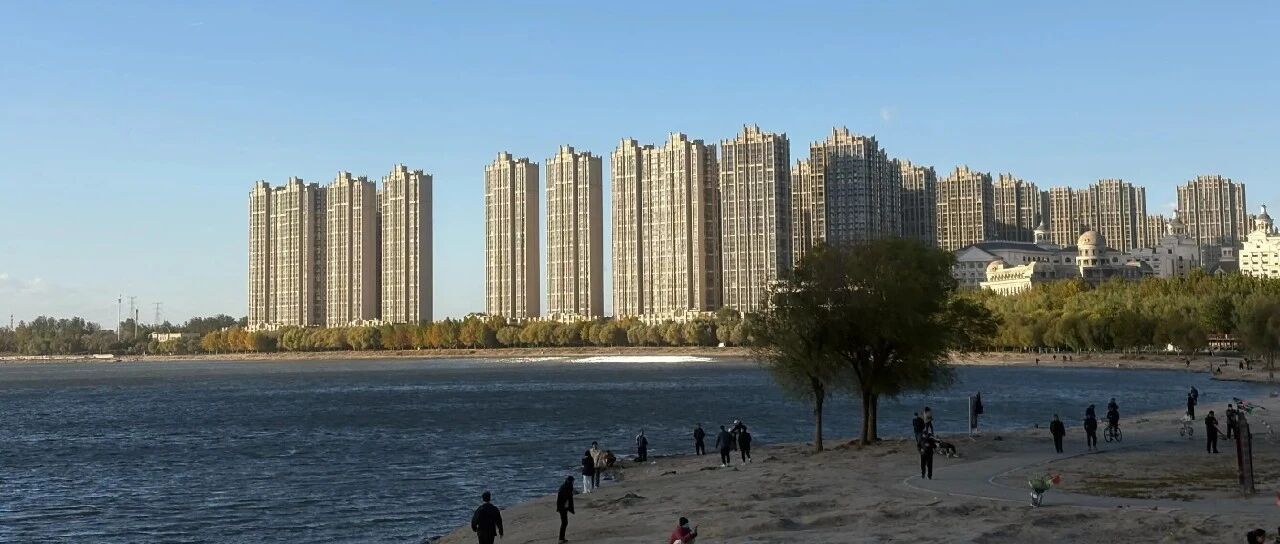
Core Viewpoint - Lanzhou Rural Commercial Bank is auctioning nearly 200 properties on JD Asset Platform, primarily as debt recovery assets, with prices ranging from tens of thousands to billions [2][4] Group 1: Property Sales Overview - The properties for sale include residential, commercial, and office spaces, with 9 properties starting at over 100 million yuan, the highest being a commercial property in Tianshui priced at 550 million yuan [4] - Among the 200 properties, 156 are located in the Yucai Yipin community in Liaoning, with starting prices below 200,000 yuan, and the lowest starting at around 80,000 yuan [4] - The bank has a total of 720 properties listed, with 630 newly listed in 2025, including over 140 residential units and 180 shops in Hainan [4][5] Group 2: Bad Debt Recovery - Properties sold by banks are primarily collateral for loans that borrowers failed to repay, leading to bad debts [3][7] - The current market environment makes it challenging to recover bad debts, with high discount rates and low recovery rates [3] - Banks have established departments for bad asset disposal to manage existing bad debts and seek investment opportunities in the market [3][6] Group 3: Market Dynamics - The sale of bank-owned properties is more prevalent among city commercial banks, rural commercial banks, and rural credit cooperatives compared to larger banks [2][5] - The number of properties listed for sale by various banks shows significant variation, with rural credit cooperatives leading in volume [5][6] - The traditional methods of disposing of bad debts include selling the debt or judicial auctions, but direct property sales can maximize recovery rates [6][8] Group 4: Property Pricing and Market Appeal - The pricing of bank-owned properties is often lower than market rates, making them attractive to buyers, as seen in the Yucai Yipin community where prices are significantly below market value [10][11] - Despite competitive pricing, the transaction rates for these properties are generally low, with some properties experiencing multiple failed auctions [9][11] - The appeal of certain property types, such as commercial spaces in busy areas and independent office buildings, tends to be higher due to stable rental yields [9][12] Group 5: Challenges and Recommendations - There exists an information gap between banks and potential buyers, particularly in lower-tier cities, which hinders effective sales [12] - Banks are encouraged to collaborate with local real estate agencies to improve visibility and attract buyers to their direct sales [12]
