
锦鲤

Search documents
江门锦鲤“游”到欧盟 “中国锦鲤之乡”实现出口欧盟“零”的突破
Nan Fang Ri Bao Wang Luo Ban· 2026-02-11 07:08
Core Viewpoint - The successful export of koi fish from Jiangmen to the EU marks a significant breakthrough, establishing Jiangmen's koi industry as a model for standardized and international development in China's koi export sector [1][2] Group 1: Export Achievement - A batch of koi fish from Jiangmen successfully cleared customs in Germany, achieving a "zero" breakthrough for koi exports to the EU [1] - The export is seen as a stepping stone for Jiangmen to enter the European high-end market, enhancing the international brand influence of Jiangmen koi [1] Group 2: Industry Background - Jiangmen's koi industry began in the 1990s and was officially recognized as "China's Koi Capital" by the China Fishery Association in 2011, with over 30 years of development [1] - The industry ranks among the top in China in terms of scale, variety, quality, breeding technology, and market reach [1] Group 3: Export Process and Regulations - Koi fish require high transport efficiency, with a maximum delivery time of 48 hours from packaging to international customers, making customs efficiency critical for product survival and quality [1] - The Kaiping Customs implemented a "7×24 hours" appointment inspection mechanism and measures like advance declaration and priority inspection to minimize customs clearance time [1] Group 4: Compliance and Support - The EU has strict regulations for koi exports, including high technical trade barriers and stringent quarantine requirements [2] - Kaiping Customs adopted a tailored support approach for each enterprise, proactively engaging with companies to ensure compliance with EU standards in feed usage, drug management, wastewater treatment, and disease monitoring [2] - The first export of koi to the EU lays a solid foundation for future bulk exports, with ongoing efforts to optimize regulatory services to enhance the quality and efficiency of the "China's Koi Capital" industry [2]
日本农产品出口连创13年新高,对中国大陆增7%
日经中文网· 2026-02-03 07:08
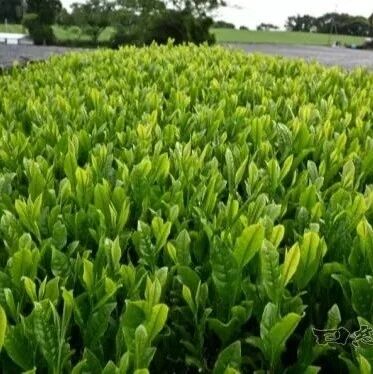
Core Viewpoint - Japan's agricultural and fishery exports are experiencing significant growth, driven by products like green tea, beef, and yellowtail, although the 2025 export target of 2 trillion yen has not been met [2][4]. Group 1: Export Growth - Agricultural exports increased by 12.1% to 1.1008 trillion yen, with fishery products growing by 17.2% to 423.1 billion yen [4]. - The top ten export markets all saw year-on-year growth, with the United States leading at a 13.7% increase, reaching 276.2 billion yen [4]. - Green tea exports surged by 98.2% to 72.1 billion yen, driven by rising demand in Europe and ASEAN countries [7]. Group 2: Specific Product Performance - Green tea, scallops, and beef are notable growth categories, with green tea increasing by 357 million yen due to heightened interest in Japanese food [8]. - Scallop exports rose by 211 million yen, primarily due to increased processing exports to Vietnam [8]. - Yellowtail exports grew by 27.4% to 52.8 billion yen, benefiting from its popularity as sushi material in various regions [7]. Group 3: Challenges and Future Goals - December saw a 2.2% decline in exports, attributed to changes in demand patterns due to the timing of the Chinese New Year [7]. - Japan's government aims to increase agricultural and fishery exports to 5 trillion yen by 2030, acknowledging the need for better marketing and diversification of export markets [9].

广东中山举办壮鱼大赛,展示中国锦鲤的长度和深度
Nan Fang Nong Cun Bao· 2026-02-02 08:02
Core Viewpoint - The third "Zhuangyu" Koi competition held in Zhongshan, Guangdong, showcases the innovation and development potential of the Chinese Koi industry, attracting participants from across the country and regions like Taiwan and Hong Kong [2][3][4]. Group 1: Event Overview - The competition attracted 73 participating fish farms from various provinces and regions, marking it as a significant event for the Koi industry [3][12]. - A total of 1,265 Koi were entered in the competition, with participants from provinces such as Henan, Liaoning, Shandong, Anhui, Jiangsu, and Guangdong [18]. - The event's influence has expanded beyond Guangdong, reaching Southeast Asia, Japan, and Singapore, establishing Guangdong as a leading region in Koi development [9][10]. Group 2: Industry Development - Since the first import of Koi in Guangdong in 1984, the region has been at the forefront of the Koi industry, setting standards and leading innovations [6][7]. - The competition aims to discover and nurture potential Koi breeds, contributing to the overall quality improvement of domestic Koi [17][22]. - Guangdong has organized multiple national Koi competitions, creating a feedback loop that enhances breed quality and industry standards [29][33]. Group 3: Innovation in Competition Format - The event introduced an innovative online voting system, allowing media and enthusiasts to participate in the judging process, thus increasing engagement [41][42]. - The competition's format aims to break traditional barriers, integrating new media to enhance audience interaction and experience [54][58]. - The Guangdong Koi Association emphasizes the importance of adapting to new media trends to promote Koi culture and sales [47][50]. Group 4: Market Position and Future Outlook - Guangdong's favorable climate and established industry infrastructure allow for rapid Koi growth and distribution, making it a central hub for Koi in China [68][72]. - The region's Koi industry accounts for over 80% of the national breeding scale, with a significant portion of online sales originating from Guangdong [73][76]. - The innovative competition models developed in Guangdong are being replicated in other provinces, enhancing local markets and supporting rural revitalization efforts [79][80].

大咖来了!宠界“奥斯卡”首个专题论坛解锁产业创新玩法
Nan Fang Nong Cun Bao· 2026-01-22 12:05
Group 1 - The forum focused on the theme of "innovation-driven and integrated development" in the ornamental aquatic industry, gathering industry experts and representatives to explore new paths for high-quality development [4][5][36] - The event featured in-depth and engaging presentations from four industry authorities, providing valuable insights into the ornamental fish sector [7][8] - The ornamental fish industry in China is projected to reach a value of over 16 billion yuan by 2024, with Guangdong being a key player in the koi breeding sector due to its robust industry chain and trade channels [12][13] Group 2 - The leisure fishery market in China is experiencing an annual growth rate of over 15%, with projections indicating it will exceed 400 billion yuan by 2025, driven by the integration of "aquatics + cultural tourism" and "aquatics + research" [16][17] - The global exotic pet market is expected to surpass 50 billion USD by 2026, representing nearly one-sixth of the global cat and dog market size by 2025, with a core consumer demographic of urban youth aged 25-35 [24][25][28] - Guangdong's tropical ornamental fish farming area covers 120,000 acres, accounting for 42% of the national total, with an annual output exceeding 3 billion fish and export value surpassing 1.8 billion yuan [31][32]
把脉特色农业 助力乡村振兴
Xin Lang Cai Jing· 2026-01-19 22:17
Core Insights - The article discusses a research activity organized by the Agricultural Branch of the Democratic Progressive Party in Bozhou, aimed at understanding the current state of characteristic agricultural development in the region and identifying pain points and opportunities for rural revitalization [3]. Group 1: Research Activity - The research team visited the Anhui Tengda Koi Breeding Base in Linhu Town, Guoyang County, to engage in detailed discussions with the base manager about koi breeding varieties, breeding techniques, market sales channels, and how these contribute to increasing farmers' income [3]. - The research team emphasized that characteristic agriculture is a crucial support for promoting rural revitalization and plans to leverage the professional advantages of its members to provide valuable recommendations for the high-quality development of characteristic agriculture in Bozhou [3]. Group 2: Recommendations - The research team suggested that the breeding base should enhance technological innovation, expand market space, and continuously improve industry competitiveness to involve more farmers in the development of characteristic agriculture [3]. - The goal is to contribute significantly to the rural revitalization efforts in Bozhou by addressing the issues and experiences identified during the research [3].
30年蝶变!广东水族如何“逆袭”?跨界赛道解锁千亿新商机
Nan Fang Nong Cun Bao· 2025-12-30 10:33
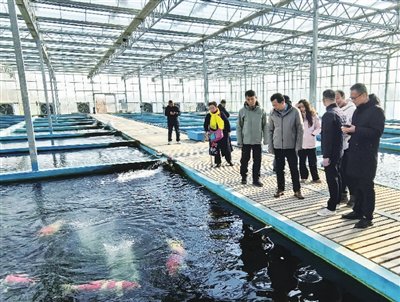
Core Insights - The Guangdong aquatic industry has transformed significantly over the past 30 years, evolving from a niche market to a comprehensive ecosystem encompassing breeding, farming, equipment, culture, and leisure activities [4][5][14]. Group 1: Industry Development - The growth of the Guangdong aquatic industry is attributed to a combination of resources, geographical advantages, talent, and early mover benefits [14]. - Guangdong's subtropical monsoon climate provides a natural environment for breeding tropical and subtropical ornamental fish, creating a unique advantage [16][17]. - The region's proximity to Hong Kong, Macau, and Taiwan has positioned Guangdong as a primary hub for information, technology, and market access in China's ornamental fish industry [18][19]. Group 2: Koi Industry Evolution - Koi has emerged as a flagship product of Guangdong's aquatic industry, transitioning from an imported species to a self-sustaining and innovative sector [29][30]. - Initially, Koi was imported from Japan, with the domestic industry relying on foreign standards and pricing [32][33]. - Over time, through selective breeding and technological advancements, Guangdong has developed its own high-quality Koi, establishing a comprehensive standard system for breeding, certification, and sales [39][40]. Group 3: Emotional and Market Value - Koi has transcended its ornamental value, becoming a source of emotional companionship and stress relief for many enthusiasts [41]. - The industry has diversified, offering high-end auction services, custom orders, and affordable options for households, thus expanding its market reach [43]. Group 4: Challenges and Future Directions - Despite its growth, the industry faces challenges in areas such as feed nutrition, disease control, and logistics for high-quality live fish [44][45]. - Future advancements will require more refined environmental controls, scientific feed development, and reliable transportation and insurance services [51][52]. Group 5: Leisure Fishery Trends - As traditional aquaculture faces limitations in yield and pricing, "leisure fishery," which integrates fishing, sightseeing, education, and cultural experiences, is emerging as a new growth area [56][57]. - The shift from "fishing for food" to "fishing for enjoyment" reflects changing consumer demands for natural experiences and emotional release [59][60]. Group 6: Technological Integration - The integration of technology is reshaping the industry, with innovations such as smart aquariums and IoT water quality management in large-scale farms [75][76]. - Emerging sectors like reptile pets, aquatic landscaping, and coral conservation are showing significant market potential, although they require regulatory guidance [79][80]. Group 7: Talent Development - The Guangdong Ecological Engineering Vocational College is pioneering the training of professionals in "leisure fishery management," aiming to cultivate versatile talents who can drive the industry's future [81][82]. Group 8: Industry Showcase - The upcoming "Media+ Greater Bay Area Pet Industry Annual Gala" will serve as a platform to showcase the aquatic industry's strengths and foster connections among industry stakeholders [87][88].
共启南海高水平渔业领先成果与前瞻布局,佛山南海区这场大会将为全国渔业开拓新增长极!
Nan Fang Nong Cun Bao· 2025-12-19 00:36
Core Viewpoint - The upcoming conference in Nanhai District, Foshan, aims to promote high-level development in the fishing industry, creating new growth opportunities for the national fishery sector [1][5][36]. Group 1: Industry Challenges and Opportunities - Traditional fishing areas are facing challenges in creating new value and expanding markets amid rapid market changes [2]. - The fishing industry has been experiencing sluggish consumption and market fluctuations, leading to difficulties in profitability and slow development for many practitioners [11][12]. - Key solutions include breaking traditional production and sales models, enhancing production scale and intelligence, and strengthening research and development to add new forms and values to aquatic products [12][13]. Group 2: Event Details and Objectives - The high-level fishery promotion conference will take place on December 23, 2025, in Nanhai District, with over thirty leading enterprises from various sectors participating [18][19]. - The event will focus on four main areas: strengthening seed industry, innovative aquaculture, integration of three industries, and long-term planning [24]. - The conference aims to showcase the leading achievements and forward-looking layouts of the Nanhai District's fishery industry, facilitating industry communication and resource integration [35][36]. Group 3: Research and Development Initiatives - The Nanhai District Aquatic Research Center will officially open during the event, collaborating with industry leaders and expert teams to provide new services in areas such as aquatic breeding, disease control, and intelligent equipment application [28][29]. - Various institutions and companies, including universities and research institutes, have already established a presence at the center to enhance the research capabilities in the fishery sector [30][31].
赛博鳌鱼出圈背后:小小观赏鱼游出广州百亿产业
Nan Fang Nong Cun Bao· 2025-12-16 10:31
Core Insights - The article highlights the booming ornamental fish industry in Guangzhou, which is projected to exceed a production value of 10 billion yuan by 2025, contributing to a total industry chain value of over 100 billion yuan [38]. Industry Overview - Guangzhou is one of the earliest regions in China to develop the ornamental fish industry, with peak export transactions accounting for over 95% of the national total in the 1990s [19][20]. - The ornamental fish culture in Guangzhou is deeply rooted in local traditions, symbolizing prosperity and good fortune, and has become a significant part of the city's modern fishery industry [25][32]. Cultural Significance - The "Aoy fish" showcased at the National Games opening ceremony represents the rich "water culture" and "fish culture" of Guangzhou, embodying the local people's aspirations for success and abundance [26][28]. - The emotional connection to fish is particularly strong among the people of Guangdong, reflecting a long-standing maritime culture where fish symbolize both livelihood and spiritual well-being [31][32]. Economic Impact - The ornamental fish industry is not only a cultural symbol but also a vital economic sector, with various species like koi, dragon fish, and tropical fish having significant influence both nationally and globally [35][36]. - The industry is integral to rural revitalization efforts in Guangzhou, with initiatives to establish ornamental fish industrial parks and promote quality fish breeding [93][96]. Educational Initiatives - The introduction of ornamental fish in educational settings, such as the "Fish and Me" program in schools, aims to foster a love for life and nature among students while also serving as a therapeutic tool for mental health [86][90]. Historical Context - The history of ornamental fish trade in Guangzhou dates back centuries, with the city being a starting point for many species that have spread globally, including the pearl scale goldfish [44][46]. - The transformation of local markets, such as the famous "Goldfish Street," reflects the evolution of consumer preferences and the growth of the ornamental fish business over the decades [52][71].
探寻乡村振兴片区化发展的山东密码
Jing Ji Guan Cha Wang· 2025-11-22 16:12
Group 1 - The article highlights the theme of "regional-led rural revitalization" in Shandong, showcasing six cities that have developed unique paths based on their resource endowments [1] - The cities have adopted various strategies such as deep processing of traditional agriculture, integration of agriculture with culture and tourism, and technological empowerment to modernize agriculture [1][3] - A common theme among these cities is the focus on core industries to optimize resource allocation, extend industrial chains, and enhance community benefits through collective interests [1][2] Group 2 - In Zaozhuang, the pomegranate industry has become a significant source of income, with a new operational model that allows farmers to retain all sales revenue, leading to an average income increase of 23,000 yuan per household [2] - Jining's edible mushroom industry is a major economic pillar, with a production area of 26 million square meters and an annual output value exceeding 3.5 billion yuan, employing nearly 30,000 people [3] - The integration of traditional agriculture with new business models, such as the collaboration between agricultural research institutes and local farmers, has led to increased yields and economic diversification [4][5] Group 3 - The revitalization of traditional crafts, such as the Gongbi Peony painting in Heze, has created job opportunities for thousands of villagers, with some earning around 6,000 yuan monthly through art [5] - The "Nine Villages" project in Dong'a County focuses on ecological protection while developing industries like mugwort cultivation, attracting 234 million yuan in social capital [6] - The peach industry in Feicheng has evolved from primary agriculture to a model that integrates cultural tourism, significantly increasing local farmers' incomes and creating job opportunities [7]
全网刷屏!全运会开幕式上的“鳌鱼”究竟是什么鱼?
Nan Fang Nong Cun Bao· 2025-11-13 03:33
Core Viewpoint - The "Aoyu" showcased at the 15th National Games opening ceremony represents a significant cultural symbol from Guangdong, embodying the region's rich maritime culture and heritage [2][58]. Group 1: Cultural Significance - The "Aoyu" is derived from the traditional "Aoyu Dance," a folk art with over 600 years of history from Panyu, Guangzhou, and symbolizes good fortune and success [7][10]. - The Aoyu is linked to the myth of the golden carp that aspires to transform into a dragon, reflecting the Chinese aspiration of "fish turning into a dragon" [9][14]. - The representation of Aoyu at a national event highlights the promotion of Lingnan's intangible cultural heritage on a broader stage [6][58]. Group 2: Economic Impact - The ornamental fish industry in China, particularly in Guangdong, is significant, with an estimated production value exceeding 110 billion yuan by 2024, where koi fish play a crucial role [33][34]. - The popularity of koi fish as symbols of luck has been cultivated through various cultural events and competitions, particularly in Guangdong, which has become a hub for koi exhibitions [30][32]. - The development of the ornamental fish industry is further supported by local research institutions, which have made strides in breeding and technology, reducing reliance on imports [49][50]. Group 3: Regional Identity - The deep-rooted affection for fish among the people of Guangdong is not merely for pet ownership but is intertwined with cultural identity and heritage [16][60]. - The Aoyu serves as a bridge between myth and reality, resonating with the local population's values and aspirations, and is expected to gain recognition beyond regional boundaries [61].