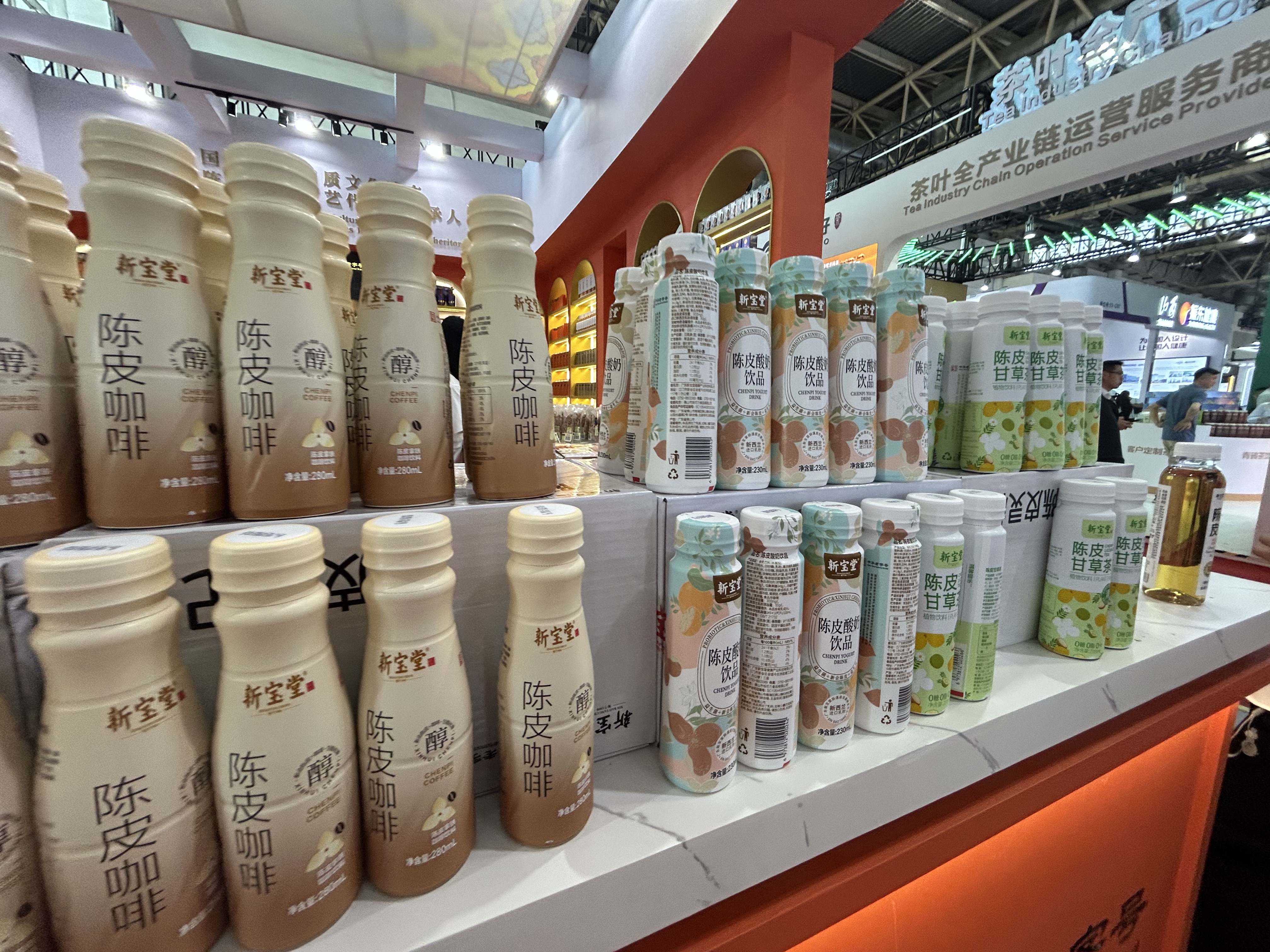
陈皮饮料

Search documents
江南大学食品学院院长孙秀兰:以产教融合构建浦北“陈皮+”功能食品创新生态
Nan Fang Nong Cun Bao· 2025-12-05 03:34
Core Viewpoint - The integration of industry and education is essential for building an innovative ecosystem for "Chenpi+" functional foods in the Pubei region, as highlighted by Sun Xiulan, Dean of the School of Food Science at Jiangnan University [2][5][25]. Industry Challenges - The food industry in China is facing multiple challenges, including resource imbalance, changes in consumption structure, and rising health demands [7][8]. - There is a trend of decreasing consumption of grains and vegetables, while the consumption of animal products and fats is increasing, leading to a growing issue of "hidden hunger" [8][9]. Functional Food Development - The development of functional foods that regulate health, particularly those based on the concept of food and medicine being of the same origin, is becoming a crucial direction for the industry [10]. - The food industry is transitioning from merely satisfying hunger to providing nutritional benefits and now to regulating the body and reducing chronic disease risks [11]. Pubei Chenpi Industry Insights - The traditional wisdom of "the older the Chenpi, the better" contains significant scientific implications, which need to be decoded through modern technology [12][13]. - Pubei has a unique resource of 68,900 old Chenpi trees (over 30 years old), but the industry is primarily focused on raw materials, with deep processing accounting for less than 10%, indicating substantial potential for value enhancement [14][15]. Development Framework for Chenpi Industry - A systematic development framework is proposed to achieve value transformation in the Pubei Chenpi industry, focusing on: 1. Establishing a database for Chenpi functional components and a leading multi-index efficacy evaluation standard system [17]. 2. Creating a comprehensive utilization technology system for Chenpi, including deep processing of fruit pulp to develop health-functional and uniquely flavored star products [18]. 3. Formulating an industry development plan and deploying major technological research tasks [19]. 4. Researching smart aging and functional component regulation technologies, analyzing the relationship between tree age and component diversity [20]. Product System and Technological Support - A comprehensive product system can be established, including food, health products, pharmaceuticals, and daily chemicals, covering daily dietary series like Chenpi beverages and snacks, as well as high-value special medical food products [21][23]. - Modern processing and quality control technologies such as bioconversion, microencapsulation, and intelligent aging should be integrated to promote standardization and intelligent upgrades in the industry [24]. Collaboration and Innovation - The key to promoting "Chenpi+" functional food innovation lies in building a close industry-academia-research collaboration ecosystem [25]. - Jiangnan University has established a board for the School of Food Science, collaborating deeply with 243 leading industry enterprises, creating a long-term mechanism for mutual empowerment between disciplines and industries [26]. - The university is willing to combine this industry-education integration model with the Pubei Chenpi industry to inject sustainable innovative power into the high-quality development of local特色产业 [28].


链博会观察|一杯茶的沉浮 健康理念让传统文化“沏”出新味道
Bei Ke Cai Jing· 2025-07-19 01:38
Core Insights - The tea industry in China is experiencing a transformation driven by health-conscious trends and the younger demographic, with the market expected to exceed 530.96 billion yuan by 2028 [2][5] - Traditional tea culture is evolving, with companies shifting from simple cultivation and wholesale to a full industry chain approach, focusing on product development and deep processing [3][4] Industry Trends - The demand for ready-to-drink tea beverages and innovative products like tea-flavored ice cream and beer is on the rise, reflecting a shift in consumer preferences [1][20] - The competition in the tea market has intensified, leading to issues like overproduction and product homogenization, prompting companies to innovate [5][6] Company Strategies - Companies like Hubei Tea Group are expanding their operations to include product research and development, creating a variety of tea derivatives and establishing marketing channels both domestically and internationally [7][8] - New Bao Tang, a century-old brand, has developed a complete industry chain around Chenpi (dried tangerine peel), integrating cultivation, processing, and retail [9][14] Market Opportunities - The rise of health-oriented tea products is creating new opportunities for tea and herbal medicine companies, with many now serving as suppliers for ready-to-drink brands [16][22] - The increasing popularity of health drinks has led to a significant rise in the number of related enterprises, with a reported 6.1 times increase in registrations for health tea companies compared to the previous year [22] Consumer Preferences - The integration of traditional tea with modern health concepts is appealing to consumers, as evidenced by the popularity of products like herbal teas and functional beverages [24][27] - Companies are recognizing the need to diversify their product offerings to meet the evolving demands of consumers, moving towards functional and personalized tea products [27][29]