隐身战斗机

Search documents
伊朗还有救!专家给出招:中俄联手,用人民币与输油管改写规则
Sou Hu Cai Jing· 2026-01-17 05:13
Core Viewpoint - The article discusses the complex situation in Iran, highlighting the dual challenges of economic sanctions and military threats from the U.S., and explores potential solutions through economic and military cooperation with China and Russia [1][3]. Economic Situation - Iran is facing high inflation, primarily due to long-term U.S. sanctions that have cut off its access to dollar transactions and oil exports, leading to a vicious cycle of inflation [3]. - A proposed solution is to utilize the Chinese yuan as an alternative to the dollar, allowing Iran to establish an independent currency circulation system and stabilize its economy [3][5]. - Iran's rich oil resources can serve as collateral for loans, enabling direct oil exports to China in yuan, which would bypass U.S. sanctions and meet China's market demands [5]. Military Support - Economic measures alone are insufficient; military support is crucial for Iran to withstand U.S. threats, particularly from U.S. naval forces and Israeli airstrikes [7]. - Cooperation with China and Russia is essential to enhance Iran's military capabilities, including advanced defense systems and weaponry [9]. Infrastructure Development - Iran needs to restructure its oil export routes to avoid reliance on vulnerable maritime routes, which are subject to U.S. naval blockades [11]. - Proposed land-based oil pipelines connecting Iran to Turkmenistan and Pakistan would create a secure energy corridor, enhancing regional energy security and economic ties [11]. Intelligence and Governance - To achieve long-term stability, Iran must address external infiltration by foreign intelligence agencies, with Russia potentially assisting in counterintelligence efforts [13]. - A collaborative approach between China and Russia could foster mutual benefits in intelligence and military cooperation, aiding Iran's modernization efforts [13]. Geopolitical Implications - The resolution of Iran's challenges could signify a shift in the geopolitical landscape of the Middle East, promoting a multipolar balance and countering U.S. unilateralism [14].

本轮泰柬冲突,可以回答“隐身战斗机与小型无人机”之问了
Hu Xiu· 2025-07-28 02:40
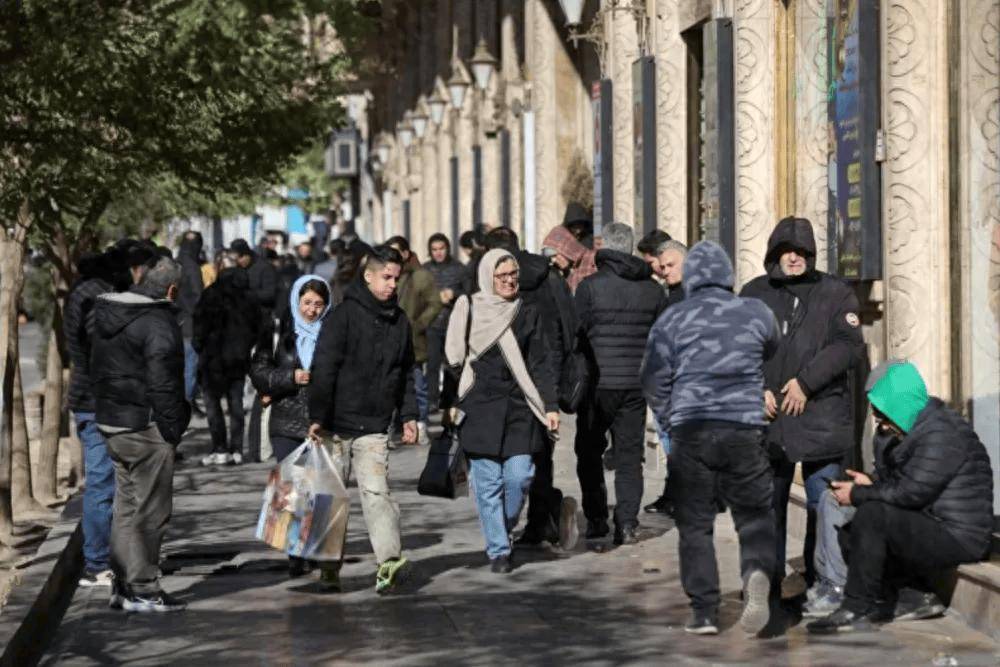
Group 1 - The recent military conflict between Cambodia and Thailand has resulted in dozens of deaths and the evacuation of 130,000 people from the war zone [1] - The conflict is similar to previous disputes over the Preah Vihear Temple, characterized by cross-border gunfire [2] - The historical context of the Preah Vihear Temple dates back to the Khmer Empire, with territorial disputes influenced by colonial history and international court rulings [3][4][5] Group 2 - The current conflict is centered around the Mota Antong Temple, located approximately 200 kilometers from Preah Vihear Temple, with initial exchanges of gunfire [13] - Political dynamics in Thailand and Cambodia have influenced the conflict, with leaders attempting to mediate while facing internal pressures [12][14] - The military capabilities of Thailand are significantly stronger than those of Cambodia, particularly in air power, which has played a crucial role in the current conflict [16][19] Group 3 - Cambodia has recently acquired advanced artillery from China, which may enhance its military response compared to previous conflicts [17][23] - The ongoing arms race in Southeast Asia reflects the regional powers' efforts to bolster their military capabilities amid territorial disputes [22] - The conflict illustrates the complex interplay of military strength and political maneuvering in Southeast Asia, where both nations have their own strategic interests [20][21]