
集中式光伏

Search documents
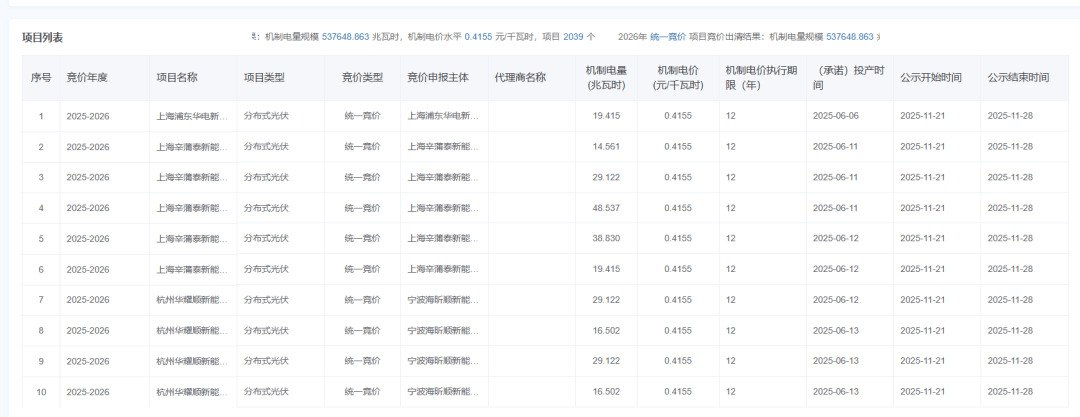
光伏结算价格分化背后的市场化逻辑与破局路径
Zhong Guo Dian Li Bao· 2026-02-28 00:31
Core Viewpoint - The transition of China's photovoltaic (PV) industry into a fully market-oriented phase signifies a departure from traditional guaranteed purchase policies, leading to significant price differentiation in project settlements, which is a natural outcome of market resource allocation and an important signal for the industry's shift towards high-quality development [1][4][13]. Industry Overview - The photovoltaic industry, particularly distributed PV, has historically operated under a "full guaranteed purchase" policy, which has revealed inefficiencies as the industry scaled. Fixed electricity prices do not reflect market supply and demand changes, leading to low resource allocation efficiency and weakened market competition, resulting in overcapacity and increased abandonment rates [3][4]. Price Differentiation - The differentiation in settlement prices is a direct manifestation of market mechanisms at work, influenced by factors such as project scale and generation efficiency. Centralized PV projects tend to secure higher prices due to their larger scale and stability, while distributed projects face challenges like mismatched generation and consumption, leading to lower prices [4][5]. Market Dynamics - Market-driven pricing acts as a selection mechanism for the PV industry, pushing it from "scale expansion" to "quality enhancement." Projects with higher generation efficiency and better load matching can achieve higher settlement prices, while those with outdated technology and poor operational practices face lower prices or even losses [5][11]. New Development Models - The market shift has created new opportunities for distributed PV, including energy storage integration and participation in virtual power plants. Energy storage helps address the mismatch between generation and consumption, allowing for better economic performance and risk mitigation against price fluctuations [7][8]. Strategic Recommendations - Distributed PV owners must adapt to market rules and enhance their operational strategies to achieve sustainable returns. This includes optimizing load matching during project planning and actively tracking market prices to adjust operations accordingly [11][12]. Engaging with professional aggregators can also provide essential support in navigating market complexities and improving profitability [12]. Conclusion - The full market entry of renewable energy marks a milestone for the PV industry, indicating a new phase of market competition. The differentiation in settlement prices not only optimizes resource allocation but also compels companies to enhance their technical and operational efficiencies, fostering new development models that inject vitality into the long-term health of the PV industry [1][13].
大增60%!连续三年破纪录!美国光伏迎爆发式增长!
Sou Hu Cai Jing· 2026-02-26 13:49
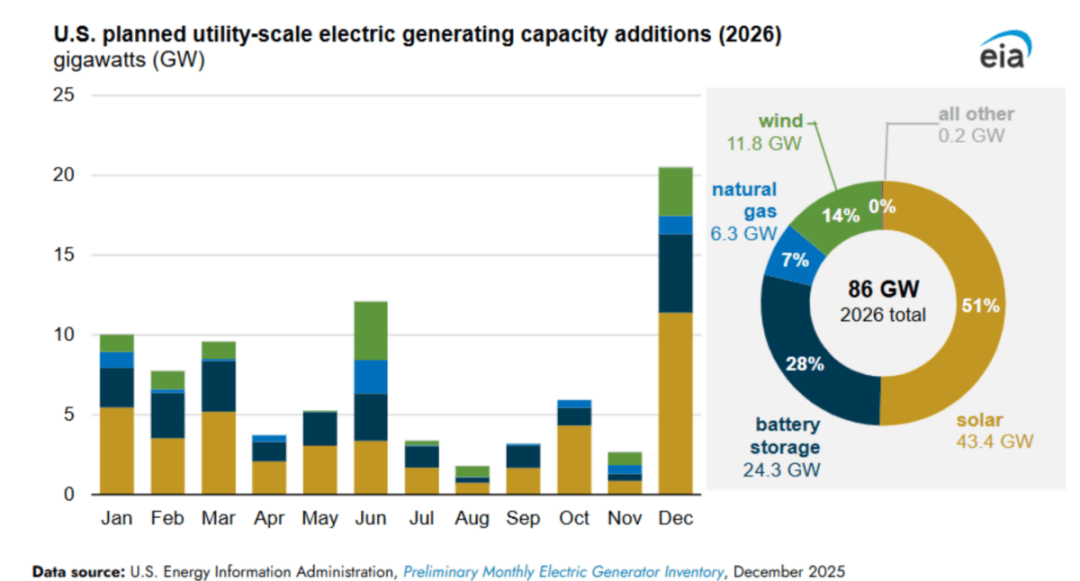
Core Insights - The U.S. power grid is undergoing historic expansion, with 86 GW of new centralized generation capacity expected to be connected by 2026, of which solar power will account for 51% [1][3] - The projected increase in solar capacity marks a record high since 2002, nearly doubling from 53 GW in 2025 [1][3] Centralized Solar Growth - The U.S. plans to add 43.4 GW of centralized solar capacity in 2026, a 60% increase from the record 27.2 GW in 2025, marking the third consecutive year of record growth in solar installations [3] - Texas remains the core area for solar development, with approximately 40% (17.4 GW) of new centralized solar capacity planned for the state, followed by Arizona and California, each contributing around 6% [3] - The Tehuacana Creek 1 solar project in Navarro County, Texas, is expected to be the largest solar-related project coming online in 2026, with a capacity of 837 MW and 418 MW of energy storage [3] Energy Generation Projections - The Energy Information Administration (EIA) forecasts that solar generation will rise from 290 billion kWh in 2025 to 424 billion kWh by 2027 [3] - In 2026, renewable energy and storage will account for 93% of new centralized installations, while natural gas will contribute only 6.3 GW [3] Distributed Solar Market Changes - The small-scale distributed solar market in the U.S. is experiencing structural changes, with a year-on-year growth of approximately 11%, now representing 2.13% of total U.S. electricity generation [4] - The focus is shifting from simple rooftop solar to more mature integrated energy systems, influenced by policy changes such as California's shift from 1:1 net metering to net billing [4] - The storage integration rate for residential solar in California has reached 69%, a trend expected to spread nationwide [4] Future Projections for Residential Solar - Analysts predict that by 2030, one in eight U.S. households will install solar systems, with most opting for energy storage to enhance self-consumption and mitigate lower compensation for excess energy [4] - In emerging solar markets like Colorado, achieving California's storage integration rate could unlock up to 2 GWh of new residential storage capacity by 2040, further supporting solar industry growth [4] Support from Distributed Storage - The integration of distributed storage is crucial for solar development and seasonal grid stability, with New York State expecting to reach 3.7 GW of distributed storage by 2035 [5] - These storage systems can provide significant cost savings, particularly in winter months, and help buffer the grid during periods of high fossil fuel generator stress [5] - The industry's focus is shifting towards the speed of grid integration for solar and storage projects, which is critical to keep pace with the rapid expansion of the solar sector [5]

河北: 风电和光伏发电装机并网容量超1.33亿千瓦
Jing Ji Guan Cha Bao· 2026-01-19 03:02
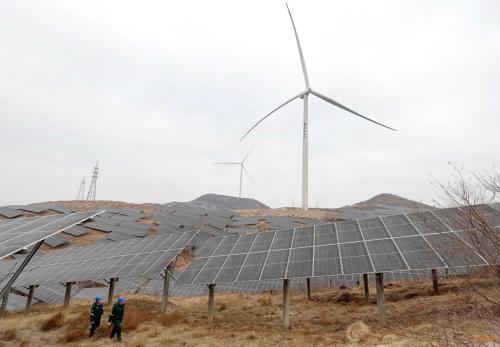
Core Viewpoint - Hebei Province is actively promoting the development and utilization of clean energy, focusing on wind and solar power projects to support green and low-carbon development [1] Group 1: Clean Energy Development - Hebei Province is advancing the construction of various renewable energy projects, including wind power, distributed solar, centralized solar, and hybrid projects like "fishing-solar" and "agriculture-solar" [1] - The State Grid Hebei Electric Power Company reports that by the end of 2025, the installed capacity of wind and solar power in the province is expected to reach 13,303 megawatts, accounting for 68% of the total regulated installed capacity [1]
创新规划布局绿电专变、绿电专线——海南自贸港封关后能源走向分析
Zhong Guo Dian Li Bao· 2026-01-15 03:29
Core Viewpoint - The official launch of the Hainan Free Trade Port's full island closure on December 18, 2025, marks a new starting point for reform and opening up, emphasizing the need for a safe, efficient, green, low-carbon, and open energy system to support high-quality development and international cooperation in the energy sector [1] Group 1: Opportunities and Challenges in Energy Development - Economic expansion and industrial upgrades are driving an increase in energy demand, particularly in high-end manufacturing and modern service industries, which will significantly boost electricity and gas consumption [2] - The influx of foreign talent and the growth of tourism will increase energy needs for residential and commercial sectors, including air conditioning and lighting [2] - The development of international transport hubs will lead to higher energy consumption, with expected increases in fuel consumption at airports and ports due to rising passenger and cargo volumes [2] Group 2: Energy Security and Green Transition Requirements - The closure operation raises the bar for energy security, requiring reliable power supply and high-quality electricity to meet international standards, while facing challenges from climate conditions and high renewable energy integration [3] - The need for compliance with stringent international green regulations is emphasized, necessitating the establishment of a comprehensive green production and management system to avoid potential trade barriers [3] Group 3: International Cooperation in Energy - The closure operation facilitates international cooperation in the energy sector by reducing barriers to cross-border flows of capital, technology, and data, enabling comprehensive collaboration in energy trade and technology development [4] - The "zero tariff" policy on energy equipment imports will lower costs for advanced technologies, accelerating the implementation of renewable energy projects [4] Group 4: Energy Development Vision for Hainan - The development strategy focuses on optimizing the energy supply system, promoting energy consumption upgrades, and enhancing international cooperation to support Hainan's role as a significant free trade port [5][6] - Emphasis on building a clean energy island and a new zero-carbon energy system to enhance competitiveness and attract international resources [5] Group 5: Recommendations for Energy Development - A diversified green energy supply system should be established, focusing on offshore wind, solar energy, and safe nuclear power development, while promoting the use of clean gas and innovative storage solutions [7] - Enhancements to the energy transmission and distribution system are necessary to ensure reliability and resilience, including upgrades to the power grid infrastructure [7] - A comprehensive energy consumption system should be developed, promoting electrification across various sectors and expanding the use of green electricity [8] Group 6: Future Outlook - Hainan aims to leverage the advantages of institutional opening to become a safe, green, efficient, and smart clean energy island, positioning itself as a global hub for green energy trade and zero-carbon technology [9]
分布式光伏就此没落?“十五五”时期有望呈现这三大趋势
Xin Lang Cai Jing· 2026-01-11 05:02
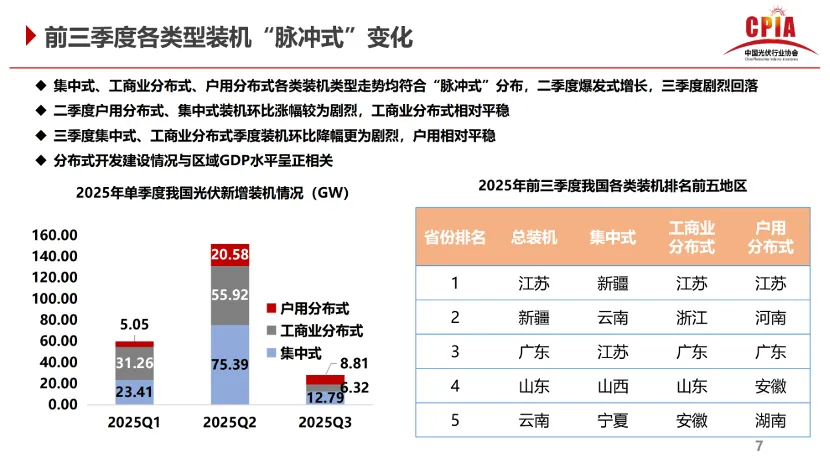
Core Viewpoint - The announcement by Southern Power Grid Energy indicates a significant shift in strategy, moving away from new investments in photovoltaic projects, reflecting broader changes in the solar energy market [1] Group 1: Company Strategy - Southern Power Grid Energy has decided not to add new photovoltaic projects, focusing instead on optimizing strategies in response to the full market entry of renewable energy [1] - This marks a 180-degree turn from the previous year when the company was actively promoting household photovoltaic business in Guangdong, Guangxi, and Hainan, expecting it to be a key growth driver [1] Group 2: Market Changes - The release of important documents like the "Distributed Photovoltaic Power Generation Development Management Measures" and the "136 Document" has reshaped the photovoltaic industry, particularly the development logic of distributed solar energy [2] - The implementation of these regulations has led to a new phase for distributed photovoltaic development, with expectations for new trends and dynamics [2] Group 3: Installation Trends - By the end of 2020, China's total installed wind power was 280 million kW, and photovoltaic power was 250 million kW, with distributed photovoltaic installations at only 78.31 million kW, accounting for 31% of total photovoltaic installations [3] - During the "14th Five-Year Plan" period (2021-2025), distributed photovoltaic installations surged, with 2024 alone adding 120 million kW, bringing the total to 370 million kW by the end of 2024, representing 42% of total photovoltaic installations [4] Group 4: Performance Decline - Since the introduction of new management regulations and the "136 Document," the growth of distributed photovoltaic installations has sharply declined, with significant drops in new installations reported in Q3 2025 [5][10] - The overall trend shows a rapid decrease in new installations across all types of photovoltaic systems, with expectations that the gap between distributed and centralized photovoltaic installations will widen [10] Group 5: Regional Development - The focus of distributed photovoltaic installations is shifting towards economically developed provinces such as Jiangsu, Guangdong, Anhui, Fujian, and Zhejiang, which have strong power consumption capabilities [11][12] - The new regulations have led to a regional shift in installations, with areas previously strong in distributed photovoltaic installations now seeing a decline [12] Group 6: New Business Models - The "136 Document" has prompted distributed photovoltaic systems to participate in the electricity spot market, increasing revenue uncertainty due to market price fluctuations [14] - To adapt, the industry is exploring new business models, including energy storage integration and virtual power plants, which are gaining policy support [15][16]

放弃“A拆A”后,正泰电器闯关港交所
Huan Qiu Lao Hu Cai Jing· 2026-01-07 09:00
Core Viewpoint - Chint Electric plans to issue H-shares and list on the Hong Kong Stock Exchange to support its internationalization strategy, with details yet to be finalized [1] Group 1: Company Overview - Chint Electric, established in August 1997, is a leading enterprise in low-voltage electrical and photovoltaic sectors in China, listed on the Shanghai Stock Exchange since 2010, with a market capitalization of approximately 63 billion yuan [1] - The company has recently terminated its plan to spin off its subsidiary, Chint Aneng, for a separate listing on the Shanghai Stock Exchange, which was initially announced at the end of 2022 and accepted in September 2023, but the application was withdrawn in September 2025 after two years of waiting [1] - Chint Electric's main subsidiaries include Tongrun Equipment, Instrumentation, and New Energy Development, with its business covering low-voltage electrical, new energy, distributed household photovoltaics, and centralized photovoltaics [1] Group 2: Financial Performance - Chint Electric's overseas asset scale has steadily increased from 12.40 billion yuan in 2023 to 15.52 billion yuan in the first half of 2025, with overseas revenue reaching 3.99 billion yuan, accounting for approximately 13.46% of total revenue [2] - The low-voltage electrical business has shown strong overseas demand, with revenue from this segment growing by 23.8% year-on-year to 3.86 billion yuan in the first three quarters of 2025, and a significant increase of 42.1% to 1.43 billion yuan in the third quarter alone [2] - For the full year of 2024, Chint Electric achieved revenue of approximately 64.52 billion yuan, a year-on-year increase of 12.70%, and a net profit attributable to shareholders of approximately 3.87 billion yuan, up 5.10% year-on-year; in the first three quarters of 2025, revenue was approximately 46.40 billion yuan, a slight decrease of 0.03%, while net profit increased by 19.49% to approximately 4.18 billion yuan [2] - As of the end of the third quarter last year, Chint Electric's total assets reached 155.15 billion yuan, with a debt-to-asset ratio of 66.09% and cash holdings of 13.54 billion yuan [2]

2025年云南省新增新能源装机超1600万千瓦
Xin Lang Cai Jing· 2026-01-01 06:24
Core Insights - Yunnan Province is set to exceed its 2025 target for new energy installed capacity, reaching 16.233 million kilowatts, with wind power contributing 918,000 kilowatts and centralized photovoltaic power contributing 15.315 million kilowatts, making new energy account for over 40% of the province's total power generation capacity [1][2] Group 1: New Energy Development - Yunnan Province has a significant resource endowment with approximately 20% of the national green energy reserves and over 150 million kilowatts of potential new energy capacity [1] - During the 14th Five-Year Plan period, the average annual growth rate of new energy installed capacity in the province is projected to be 41%, with total new energy capacity surpassing 70 million kilowatts, a net increase of 55 million kilowatts compared to the end of the 13th Five-Year Plan [1] - The utilization rate of new energy remains stable at over 95%, reinforcing its position as the second-largest power source in the province [1] Group 2: Grid Infrastructure Development - To meet the growing demand for power grid integration, Yunnan Electric Grid has accelerated the construction of supporting grid projects, completing over 800 main network projects since 2021 [2] - The province has successfully built and put into operation 235 new energy supporting projects, including the 500 kV Guanghui transformer substation, facilitating the integration of renewable energy [2] - A total of 60 500 kV grid projects are included in the national plan during the 14th Five-Year Plan, which, once completed, will support the integration of over 100 million kilowatts of new energy [2]
上海新能源机制电价出炉:每度0.4155元,全国最高!
Sou Hu Cai Jing· 2025-12-04 10:12
Core Viewpoint - The Shanghai Municipal Development and Reform Commission has announced the mechanism electricity price for the 2025 new energy incremental projects at 0.4155 yuan per kilowatt-hour, reaching the bidding cap set at 0.42 yuan per kilowatt-hour, aligning with previous pricing for existing projects and local coal benchmark prices [1][6]. Bidding Results - A total of 2,039 projects were selected in the bidding for the 2025 new energy incremental projects, with a total mechanism electricity volume of approximately 540 million kilowatt-hours [2][3]. Project Composition - The majority of selected projects are distributed photovoltaic projects, with only 10 centralized photovoltaic and 2 onshore wind projects included, reflecting Shanghai's unique characteristics as a densely populated city with limited land resources [3][11]. Price Benchmark - The announced price of 0.4155 yuan per kilowatt-hour is the highest among provinces that have released results, marking a new high for national mechanism electricity prices. This price is significantly higher than those in other regions, with a difference of 0.2201 yuan per kilowatt-hour compared to Gansu [6][7]. Policy Background - This bidding process is part of the national reform for market-oriented pricing of new energy electricity, aimed at promoting high-quality development in the sector. Shanghai has established a "sustainable development price settlement mechanism" for new energy projects [8][12]. Regional Differentiation - Shanghai's high electricity price is attributed to its unique market conditions, including a relatively loose supply of mechanism electricity and a limited number of qualifying projects, leading to less competition [9][10]. Industry Impact - The price of 0.4155 yuan per kilowatt-hour provides a clear and attractive return benchmark for new energy projects, particularly distributed photovoltaic projects, encouraging further investment in Shanghai's new energy sector [11][12].
风光0.1954元/kWh!甘肃机制电价均为竞价下限出清
中关村储能产业技术联盟· 2025-10-16 06:46
Core Insights - The Gansu mechanism electricity price bidding results were announced, with 61 projects selected, all clearing at a price of 0.1954 yuan per kilowatt-hour [2] - The bidding process included both wind and solar projects, with a total electricity volume of 830 million kilowatt-hours [2] Summary by Category Bidding Results - Gansu adopted a competitive bidding approach for wind and solar projects, resulting in a clearing price of 0.1954 yuan per kilowatt-hour, which is the lower limit for this bidding [2] - The bidding was organized by the State Grid Gansu Electric Power Company in two batches, covering projects that are either already operational or planned for operation between June 1, 2025, and December 31, 2025 [2] Project Breakdown - Wind Power: 8 projects with a mechanism electricity volume of 346.4 million kilowatt-hours and an estimated capacity of approximately 235.6 thousand kilowatts [2] - Centralized Solar Power: 10 projects with a mechanism electricity volume of 482.8 million kilowatt-hours and an estimated capacity of approximately 434.8 thousand kilowatts [2] - Distributed Solar Power: 43 projects with a mechanism electricity volume of 774.6 thousand kilowatt-hours and an estimated capacity of approximately 0.07 thousand kilowatts [2]
云南省新能源上网电价全面入市 发电侧市场化改革步伐加快
Jing Ji Guan Cha Bao· 2025-10-07 11:16
Core Viewpoint - Yunnan Province has initiated a comprehensive market-oriented reform of renewable energy pricing, marking a significant step towards the marketization of electricity pricing in the region [1] Group 1: Policy Implementation - The implementation plan issued by Yunnan's Development and Reform Commission, Energy Bureau, and Energy Regulatory Office aims to fully integrate renewable energy projects into the electricity market [1] - All renewable energy project electricity generation will enter the market, with prices determined through market transactions [1] - A price difference settlement mechanism will be established for cases where the mechanism price is above or below the market average, with costs shared among all commercial and industrial users [1] Group 2: Project Classification and Pricing Mechanism - The plan distinguishes between existing and new projects, with existing projects transitioning smoothly under current policies, while new projects will have their mechanism prices determined through competitive bidding [1] - The mechanism price for new projects will have a defined execution period of 12 years, after which prices will be determined by market transactions [1] Group 3: Market Dynamics - The core logic of the plan emphasizes "comprehensive marketization," indicating that renewable energy generation will no longer benefit from preferential pricing policies [1] - This reform follows the 2021 market-oriented reform of coal-fired electricity pricing, intensifying competition between renewable energy and traditional energy sources like coal [1][2] Group 4: Impact on Businesses - The new pricing mechanism will lead to increased price volatility, challenging companies' decision-making and operational capabilities [2] - Companies will need to focus more on project cost-effectiveness and market demand when making investment decisions [2]