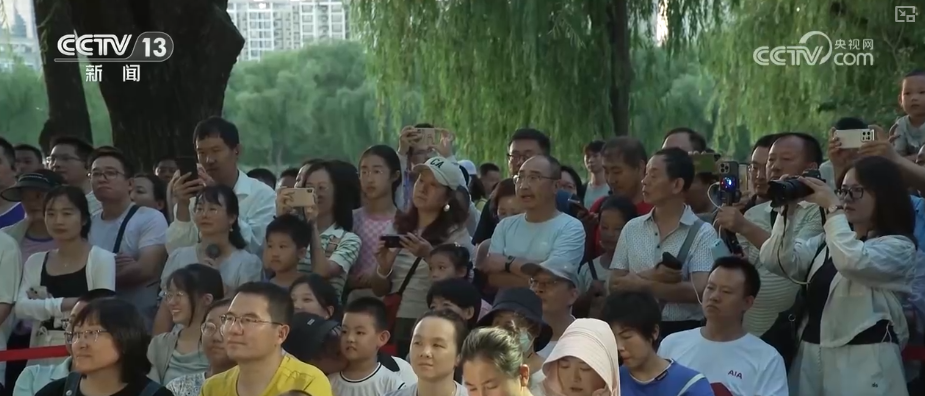
露天音乐会

Search documents
两场音乐会里的人文经济学(人民时评)
Ren Min Ri Bao· 2025-10-16 22:07
Core Insights - The article emphasizes the rise of "small and beautiful" cultural events, such as local music concerts, which are becoming increasingly popular in both large cities and small towns, making culture accessible to more people [1][2][3] Group 1: Cultural and Economic Integration - The integration of culture and economy is highlighted as essential, with a focus on finding effective ways to merge the two, suggesting that smaller, community-oriented events can have significant impacts [1][3] - "Small and beautiful" events are characterized by low operational costs and low barriers to audience participation, allowing for regular hosting and fostering a sense of belonging among community members [1][2] Group 2: Audience Engagement and Experience - The interactive nature of these events, where audiences can participate by singing along or choosing songs, enhances emotional connections and community bonding [2] - The settings for these events, such as parks and riversides, create a harmonious blend of music and nature, enriching the overall experience [2] Group 3: New Cultural Practices - Across the country, various "small and beautiful" cultural practices are emerging, such as community art galleries and multifunctional coffee shops, which cater to local cultural needs [2] - The article suggests that understanding and addressing personalized cultural demands can unlock significant potential for economic growth and cultural enrichment [2][3]
曾经日落而息,如今彻夜狂欢!我国夜经济正在崛起→
Yang Shi Xin Wen Ke Hu Duan· 2025-08-16 01:29
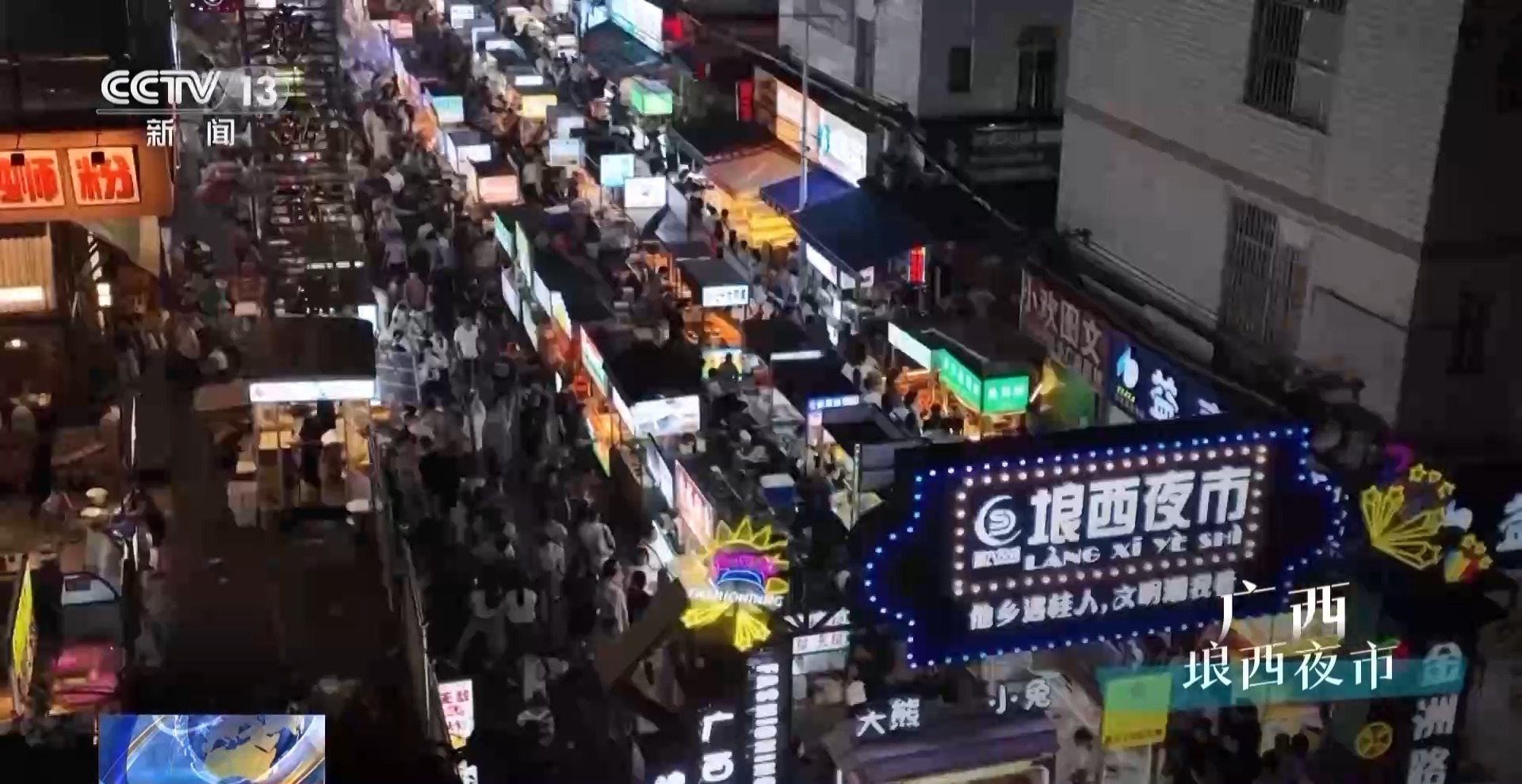
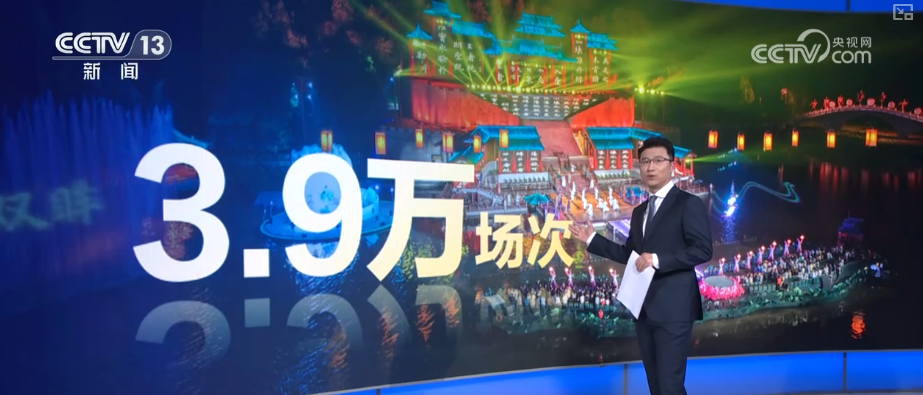
Core Insights - The traditional urban lifestyle is being transformed as nighttime becomes a key period for leisure consumption, driving urban development, economic growth, and cultural prosperity [1] - Nighttime consumption spans various sectors including dining, shopping, cultural tourism, and sports, providing new momentum for urban economies [1] - In the summer cultural and tourism consumption season, approximately 39,000 cultural tourism events will be held nationwide, with last year's nighttime tourism expenditure nearing 2 trillion yuan [1] Group 1: Nighttime Economic Activities - In Xishuangbanna, the starry night market attracts nearly 40,000 visitors daily during the summer [1] - Nanning's Laoxi Night Market has seen a 12.65% year-on-year increase in revenue in the first half of the year after professional management was introduced [1] - Quanzhou has hosted over 1.41 million visitors since July, marking a 14.8% increase, with various nighttime activities launched [3] Group 2: Cultural and Entertainment Events - Suzhou's outdoor concerts attracted over 400,000 attendees in the first half of the year, showcasing the city's vibrant cultural scene [5] - Haikou's diverse nighttime activities, including night buses and street performances, generated over 1 million yuan in revenue in the first week [7] - Chongqing's nighttime consumption has exceeded 60%, highlighting the city's appeal as a vibrant nighttime destination [9] Group 3: Shanghai's Night Economy - Shanghai's nighttime consumption reached over 88 billion yuan, with various innovative venues and activities enhancing the nighttime experience [21] - The city has implemented measures to extend operating hours and improve nighttime transportation, contributing to a thriving nighttime economy [36] - The introduction of immersive experiences, such as the night tours at Yuyuan Garden, has attracted significant visitor interest [25][27] Group 4: Emerging Trends and Innovations - The rise of new consumption scenarios has led to the emergence of new job roles, particularly in the drone light show industry in Chongqing [44] - Shanghai's night economy is characterized by a blend of traditional and modern elements, appealing to a diverse audience [19][21] - The integration of technology and cultural experiences is reshaping the nighttime landscape, as seen in the immersive exhibitions at the Shanghai Museum [31][38]

场景上新“加速跑”!“夜”态万千“不打烊” 揭开炫彩“面纱”感受夜经济蓬勃活力
Yang Shi Wang· 2025-08-15 06:55
Group 1 - The core viewpoint of the article highlights the rapid growth of nighttime economic activities across various cities, transforming urban nightlife into a vibrant consumer landscape [1][3][4] - Nighttime consumption is becoming a strong new engine for economic growth, encompassing diverse sectors such as dining, shopping, cultural tourism, and sports, with an expected total expenditure of nearly 2 trillion yuan on domestic nighttime tourism in 2024 [3][4][28] - Major cities are hosting numerous cultural and tourism events, with approximately 39,000 events planned for the summer of 2025, indicating a significant boost in nighttime activities [3][4] Group 2 - In Yunnan's Xishuangbanna, the starry night market is expected to attract nearly 40,000 visitors daily during the summer of 2025, showcasing the area's unique cultural and tourism appeal [8][11] - In Guangxi's Nanning, the revitalization of the night market has led to a 12.65% year-on-year increase in revenue for key monitored street areas in the first half of 2025 [11][12] - In Fujian's Quanzhou, over 1.41 million visitors were received from July to August, marking a 14.8% increase year-on-year, driven by various nighttime cultural activities [15][14] Group 3 - Jiangsu's Suzhou attracted over 400,000 attendees to various performances in the first half of 2025, highlighting the city's cultural vibrancy [19] - In Hainan's Haikou, diverse nighttime activities generated over 1 million yuan in revenue during the first week of operations [23] - Chongqing's nighttime consumption accounted for over 60% of total consumption during the summer, emphasizing the city's appeal as a nighttime destination [24][28] Group 4 - Shanghai's nighttime economy is characterized by innovative experiences, with total nighttime consumption exceeding 88 billion yuan since June 2025 [30][48] - The city has launched five "night economy landmarks" and five "nightlife hotspots," focusing on diverse experiences and public space utilization [50] - Shanghai's nighttime activities include a 24-hour open model for museums, with over 70% of visitors coming from outside the city, primarily young people [61][66] Group 5 - The article discusses the integration of technology in nighttime experiences, such as themed bus routes and art exhibitions on boats, enhancing the overall consumer experience [73][80] - The rise of drone light shows in Chongqing has become a popular nighttime entertainment form, contributing significantly to local economic activity [82][86] - The article emphasizes the importance of creating a comfortable and secure nighttime environment through various supportive measures and policies [66][67]
聚人气、消费旺!“城市夜宴”“票根经济”“赛事经济”激活夏日经济澎湃活力
Yang Shi Wang· 2025-08-12 05:49
Group 1 - The summer season has seen a surge in night tourism activities across various regions in China, enhancing consumer engagement and experience [1][5] - In Beijing, over 1,000 night events have been organized in parks, including entertainment and cultural performances [5][3] - The immersive water night show "Huaoyin Chuan Shuo" in Hubei has attracted many visitors, showcasing local history and culture through light shows and performances [10][11] Group 2 - In Shanxi's Xinzhou Ancient City, the night economy is thriving, with an average of 31,700 visitors per day during the summer, marking a 44.75% increase compared to the same period in 2024 [16] - The city has seen night-time consumption account for 52.83% of total daily revenue, indicating a strong shift towards night-time economic activities [16] - In Langfang, a five-a-side football league has been integrated with commercial activities, enhancing visitor retention and driving economic growth [19][21] Group 3 - The 14th "Grassland Journey" Nadam Fair in Inner Mongolia has attracted numerous tourists, showcasing the region's cultural heritage [22][27] - The event features diverse artistic performances and competitions, including the Mongolian Horse Super League, drawing participants from various regions [27][29] - In the first half of 2025, Ulanqab City received over 13 million visitors, reflecting the successful development of local tourism brands [29]