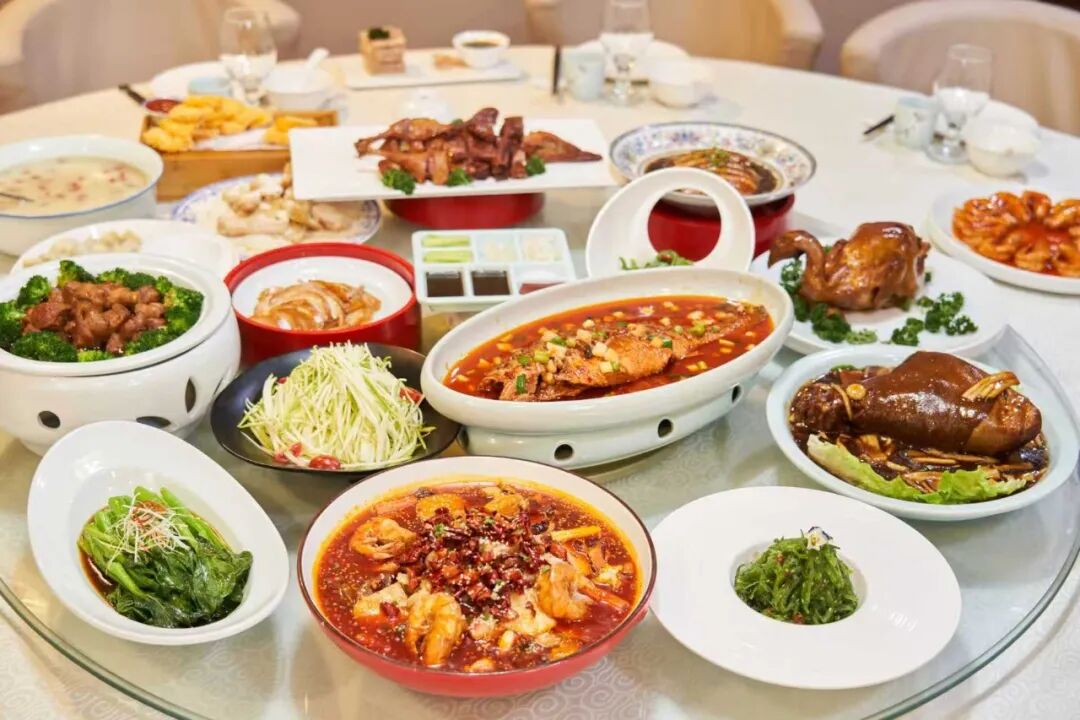
预制年夜饭礼盒

Search documents
建银国际:中国消费行业开局总体稳健 节日聚会需求带动餐饮收入
智通财经网· 2026-02-25 08:35
Core Viewpoint - The recovery of service-oriented and experiential consumption is significantly faster than that of traditional retail, with structural and uneven characteristics expected to persist in the consumption recovery process [1] Group 1: Consumer Performance - The consumption during the Spring Festival exceeded expectations, with key retail and catering enterprises' sales increasing by 5.7% year-on-year, a notable acceleration compared to previous holidays [1] - Over 20.5 billion yuan in consumption vouchers and subsidies were issued by local governments before the Spring Festival, effectively supporting demand [1] Group 2: Restaurant Sector - Higher travel frequency, milder weather, and longer holidays supported restaurant demand, with pre-order data showing a more than threefold increase in New Year's Eve dining reservations [2] - Major dining brands and supermarkets are actively launching diverse ready-to-eat and semi-finished meal boxes, catering to family dining scenarios [2] Group 3: Tourism Demand - The extended holiday period significantly boosted tourism demand, with orders and customer flow for themed tourism such as ice and snow tourism increasing by 120% and 68% year-on-year, respectively [3] - Data from various platforms indicate a trend of "one holiday, multiple trips," with domestic travel orders reaching new highs during the Spring Festival [3] Group 4: Duty-Free Consumption - Duty-free sales in Hainan saw a substantial year-on-year increase of 30.8% to 2.72 billion yuan during the Spring Festival, driven by improved supply and operational efficiency following the new policy framework [4] - The strong performance of duty-free consumption highlights the resilience and profitability potential of domestic duty-free channels [4]
包厢靠抢,套餐变小,私厨上门成顶流……马年年夜饭怎么吃?
虎嗅APP· 2026-02-15 09:39
Core Viewpoint - The article highlights the booming demand for "New Year's Eve dinners" in the restaurant industry, with many establishments experiencing a surge in reservations and a shift towards smaller, more intimate dining experiences [4][8]. Reservation Trends - Many mid-to-high-end restaurants and time-honored brands have reported that reservations for New Year's Eve dinners are selling out quickly, indicating a strong market demand [4][5]. - For example, Quanjude has seen a 16% year-on-year increase in reservations, with a total of 919 tables booked by February 2026 [4]. - Haidilao has received over 50,000 reservations for New Year's Eve dining, with more than 1,000 locations operating on the holiday [4]. Market Changes - The New Year's Eve dinner market is evolving, with a noticeable trend towards smaller, more manageable dining packages for families and small groups [11][15]. - In Shanghai, many traditional restaurants have already sold out their New Year's Eve dinner seats, leading consumers to seek alternatives like "New Year's lunch" [10]. - The demand for 3-6 person packages has surged, reflecting a shift towards smaller family gatherings [11][15]. Innovative Offerings - Restaurants are introducing innovative dishes and themed packages to attract customers, such as Quanjude's "Bite Spring" set menu and Haidilao's collaboration with the My Little Pony brand [20][21]. - Many establishments are focusing on high-quality ingredients and personalized service to enhance the dining experience [6][20]. Home Dining Trends - There is a growing trend of families opting for home-cooked New Year's Eve dinners, with pre-packaged meal kits seeing a 180% increase in sales [26]. - Various restaurants and retailers are launching ready-to-eat and semi-prepared meal kits, catering to the demand for convenience [27][28]. Emotional Value in Dining - The article notes a shift in consumer expectations, with families prioritizing emotional connections and experiences over mere presentation and extravagance [32]. - The competition in the New Year's Eve dinner market is increasingly focused on product quality, service, and overall value rather than just price [32][33].

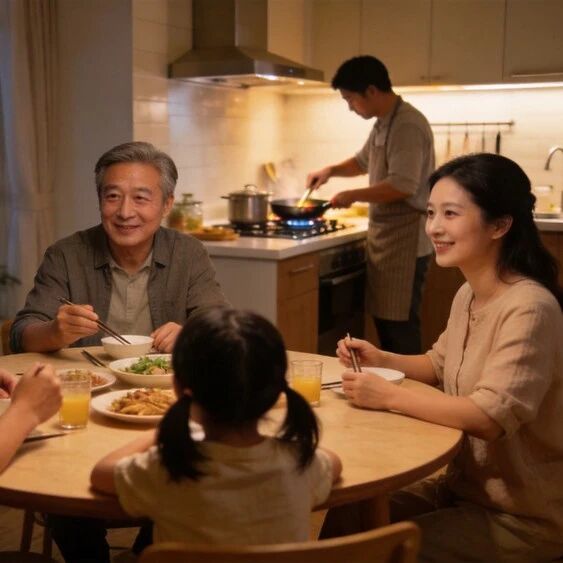
平时被嫌弃的它,过年却备受青睐?
3 6 Ke· 2026-02-14 02:36
Core Insights - The pre-prepared meal market is experiencing significant growth, particularly during the 2026 Spring Festival, with a reported 180% year-on-year increase in sales of pre-prepared dishes for New Year's Eve dinners [2][3] - Young consumers, particularly those born in the 1990s and 2000s, are redefining family meal preparation, prioritizing efficiency over traditional cooking methods [12][13] - The shift in consumer behavior indicates a growing acceptance of pre-prepared meals, driven by the desire for convenience and time savings, especially among younger generations [21][24] Market Trends - The pre-prepared meal market in China surpassed 617.3 billion yuan in 2025 and is projected to reach 1.0698 trillion yuan by 2030, with over 60% of consumers willing to choose ready-made or semi-finished dishes for family gatherings [13][22] - The demand for pre-prepared meals is particularly strong among consumers aged 18-35, who make up more than half of the purchasing demographic for New Year's Eve meals [13][22] Consumer Behavior - The perception of pre-prepared meals has shifted from being seen as "lazy" to being embraced for their convenience and ability to provide a sense of accomplishment [24][31] - The younger generation values time and emotional well-being, opting for pre-prepared meals to free up time for family and personal activities, contrasting with older generations' focus on cost-effectiveness in ingredient sourcing [21][24] Industry Dynamics - The pre-prepared meal industry faced scrutiny in 2025 due to incidents like the "Xibei pre-prepared meal controversy," which highlighted issues of transparency and value perception [25][27] - In 2026, the market saw a rebound as consumers shifted their focus from restaurant-prepared meals to home-cooked pre-prepared options, driven by a desire for control over ingredients and preparation [27][31] Future Outlook - The success of pre-prepared meals during the Spring Festival raises questions about their sustainability in everyday consumption, as many consumers still prefer fresh cooking for daily meals [33][36] - The industry must find ways to position pre-prepared meals as a viable third option between fast food and home cooking, focusing on quality and convenience to capture a broader market [37][39]
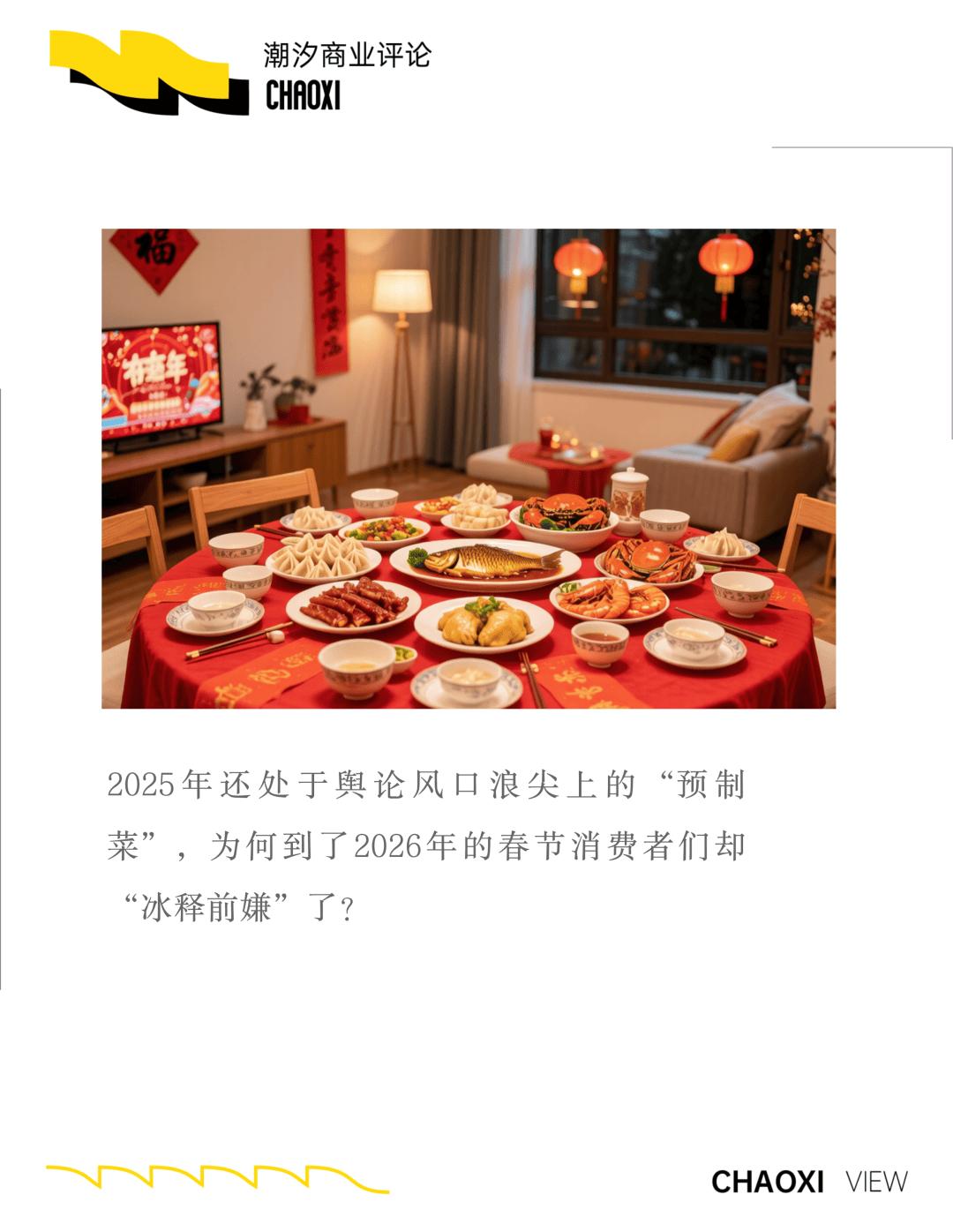
包厢靠抢,套餐变小,年轻人把马年年夜饭吃出新花样
3 6 Ke· 2026-02-10 03:35
Core Insights - The market for New Year's Eve dinners is shifting towards refined value competition, with a notable increase in reservations for smaller, more intimate dining experiences as families opt for smaller gatherings [1][5][26] Group 1: Market Trends - The demand for New Year's Eve dinners has surged, with many high-end restaurants and traditional establishments fully booked months in advance [1][4] - Major brands like Quanjude and Haidilao have reported significant increases in reservations, with Quanjude seeing a 16% year-on-year growth in bookings [3][4] - The trend of smaller dining packages (3-6 people) has become popular, reflecting a shift towards lighter, more manageable dining experiences [5][8] Group 2: Consumer Preferences - There is a growing preference for innovative and aesthetically pleasing dishes that align with the "beautiful meal" trend, with restaurants introducing themed menus and unique presentations [11][14] - The rise of pre-packaged meal kits and home dining options has been significant, with a reported 180% increase in sales of pre-prepared dishes for New Year's Eve [20][24] - The emotional value of dining experiences is becoming increasingly important, with consumers willing to pay a premium for meaningful family gatherings [25][26] Group 3: Restaurant Strategies - Restaurants are adapting by offering diverse dining solutions, moving from traditional large banquet styles to more personalized and varied options [26][28] - Many establishments are focusing on local flavors and seasonal ingredients to enhance the dining experience, catering to regional tastes [15][17] - The competition is shifting from price-based to value-based, emphasizing quality, service, and emotional connection in dining experiences [26][29]