
马术

Search documents
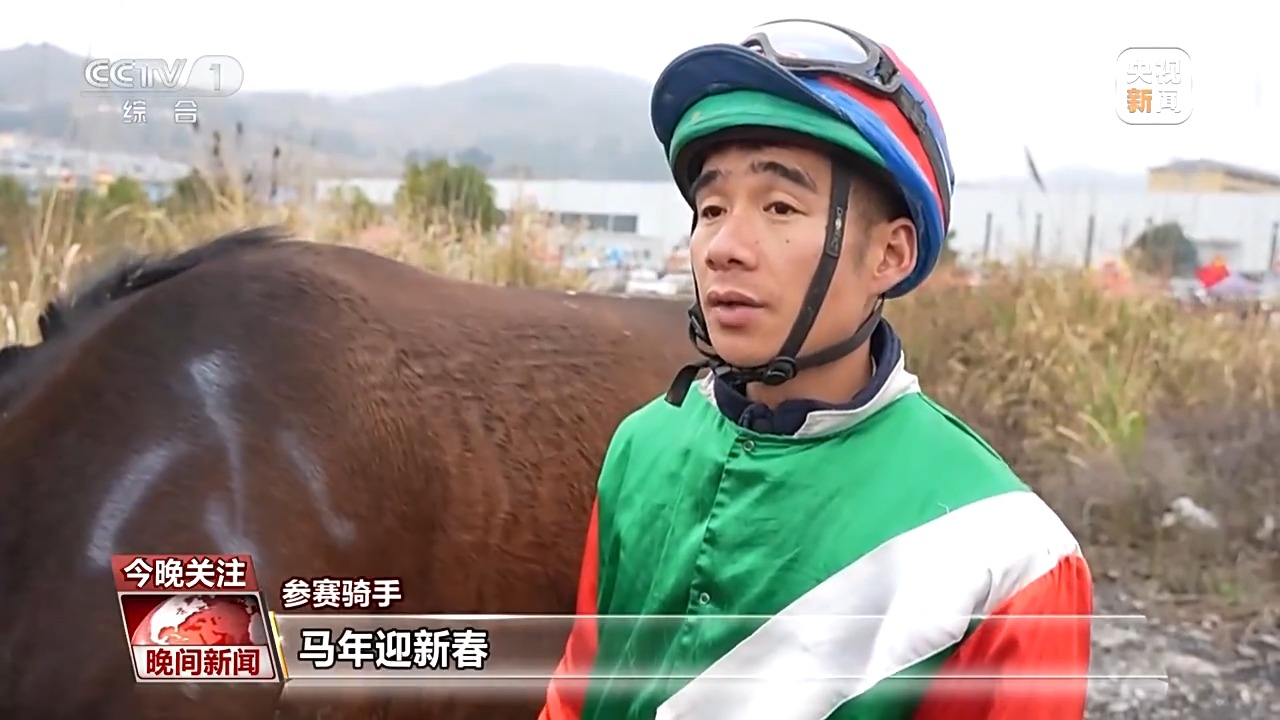
马年说马 “村马”竞驰 传统马术越千年
Xin Lang Cai Jing· 2026-02-20 00:08
Core Viewpoint - The article highlights the cultural significance and diversity of traditional equestrian activities in China during the Year of the Horse, showcasing various regional practices and their connection to local customs and heritage [1][15]. Group 1: Traditional Equestrian Activities - In Guizhou's Sandu, a traditional horse racing event was organized by local villagers, featuring nearly a hundred riders from 40 villages, emphasizing the communal and cultural aspects of the event [2][4]. - The water ethnic group's horse racing, held on hills rather than flat ground, is a core ritual of their traditional festival, showcasing the integration of local customs with the festive spirit of the New Year [4][6]. Group 2: Youth Engagement in Equestrian Sports - An 11-year-old boy, Wu Tongyu, showcased a modern interpretation of traditional equestrian skills through mounted archery, winning the national championship and becoming the youngest champion in the event's history [8][9]. - Wu's journey into mounted archery began with a suggestion from his coach, highlighting the adaptability and evolution of traditional skills among the youth [11]. Group 3: Cultural Heritage and Future Prospects - The mounted archery program, part of a non-material cultural heritage initiative, has gained popularity in Shenzhen, with over 800 registered archery students and more than 2,300 in equestrian training [14]. - The inclusion of mounted archery in the 2030 Doha Asian Games signifies the growing recognition and potential for traditional equestrian sports on international platforms [14].

【媒体解读】广州发布体育强市建设规划 全力建设三大国际中心
Guang Zhou Ri Bao· 2025-07-25 02:10
Core Points - Guangzhou aims to establish itself as a leading sports city by 2035, focusing on building three international centers: sports consumption, Bay Area sports, and international sports events [2] - The city plans to leverage the experience and resources of the Guangdong-Hong Kong-Macao Greater Bay Area to jointly bid for hosting the FIFA World Cup and other high-level international events [2][8] Group 1: Sports Infrastructure and Accessibility - The plan includes upgrading sports facilities and ensuring public sports venues are accessible to the community, with a focus on utilizing underused spaces for fitness activities [3] - It emphasizes the integration of sports and education, mandating that students engage in at least two hours of physical activity daily [3] - The initiative encourages public and private sports facilities to open their doors to the public at low or no cost [3] Group 2: Competitive Sports Development - The strategy supports the development of elite sports clubs and encourages social and market participation in athlete training and team building [4] - Guangzhou will focus on strengthening its capabilities in athletics and swimming while promoting traditional Chinese sports and emerging activities like e-sports [4][5] - The city aims to establish high-level training bases for key sports in collaboration with the National Sports Administration [4] Group 3: Sports Economy and Consumption - The plan aims to enhance the sports economy by developing new sports trends such as e-sports and water sports, and creating integrated consumption experiences combining sports, culture, and tourism [6] - Initiatives will include promoting night-time sports activities and creating themed sports consumption zones [6] - The city will also focus on improving the manufacturing of sports apparel and equipment, encouraging innovation and high-tech products [6] Group 4: Event Hosting and Brand Development - Guangzhou plans to host more influential international events, including upgrading existing marathons to world-class standards and securing long-term international events [10] - The city will also develop its own brand events to enhance local identity and recognition [10] Group 5: Collaboration and Resource Sharing - A cooperation mechanism will be established among Guangzhou, Hong Kong, and Macao to share resources and standards in sports [8] - The plan includes the introduction of high-profile international events and the development of marine sports tourism complexes [8] Group 6: Key Performance Indicators for 2035 - The plan sets specific targets for sports participation, including 45% of the population regularly engaging in physical activity and an average of 3.4 square meters of sports space per person [11] - Other goals include a 30% rate of good physical fitness among citizens and hosting 30 international sports events [11]
健康消费,供给与需求双向奔赴(健康焦点)
Ren Min Ri Bao· 2025-05-15 21:58
Group 1: Health Consumption Promotion - The Ministry of Commerce and the National Health Commission, along with 12 other departments, have jointly issued a plan to promote health consumption, focusing on ten key tasks such as enhancing healthy dietary consumption and optimizing the market supply of special foods [1] - The health consumption market is expanding as public awareness of health increases, with new business models and scenarios emerging, making health consumption a new growth point for boosting overall consumption [1] Group 2: Traditional Chinese Medicine (TCM) Night Market - The TCM cultural night market in Jiangxi has become a vibrant venue, attracting young people to experience TCM through various activities such as making herbal sachets and tasting medicinal cuisine [2][3] - The night market features 150 stalls and nine exhibition areas, promoting TCM culture while meeting public demand for health and wellness [3][4] Group 3: Fitness and Sports Consumption - The "Jinling Matrix" sports complex in Nanjing offers diverse fitness activities, transforming traditional parks into multi-functional consumption spaces that combine sports, leisure, and commerce [6][7] - The integration of sports and tourism in urban parks is redefining outdoor exercise, providing comprehensive service experiences and promoting a healthy lifestyle among city residents [8] Group 4: Health Tourism and Wellness - The "Kangyang Town" in Yunnan, known for its abundant Dendrobium, has become a health tourism destination, attracting visitors with its unique offerings such as Dendrobium cuisine and traditional medical services [9][10] - The local government plans to develop new business models around health tourism, enhancing the brand's visibility and integrating various health and wellness services [11][12]