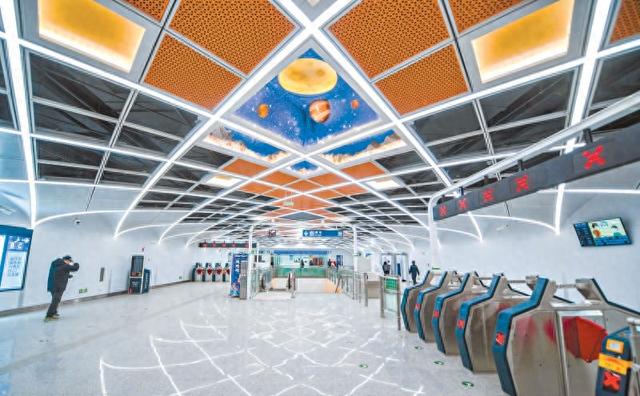
18号线

Search documents
轨道纵横密织网 地铁出行更快捷
Bei Jing Wan Bao· 2025-12-30 08:29
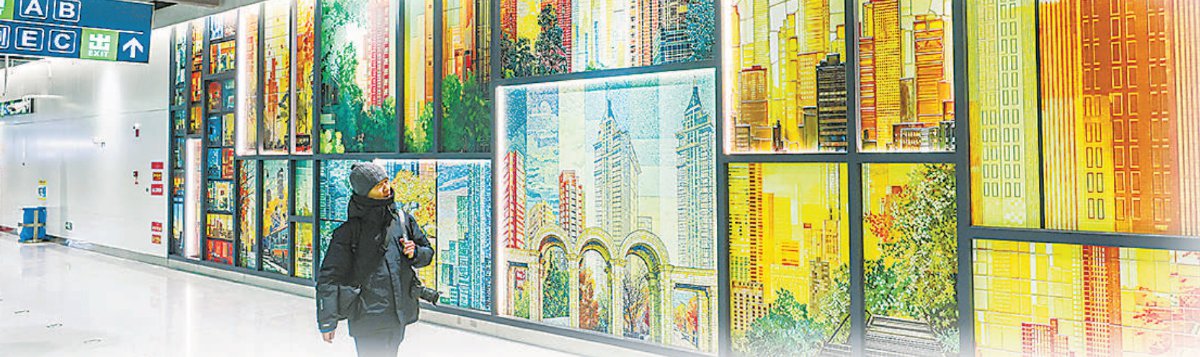
Core Insights - The opening of new subway lines in Beijing has expanded the operational mileage of the city's rail network to 909 kilometers, with 30 operational lines and 539 stations, enhancing connectivity across various urban areas [1][7] Group 1: New Line Openings - The opening of the 17th line's middle section, the 18th line, and the southern extension of the 6th line has significantly increased the number of transfer stations to 106, facilitating quicker transfers for passengers [3][4] - The 18th line, spanning approximately 19.8 kilometers with 11 stations, connects key residential areas and business districts, reducing travel time significantly for commuters [6][7] - The 17th line now connects major residential and office areas, with travel time from the southern to northern ends reduced to 66 minutes, enhancing commuting efficiency [8] Group 2: Passenger Experience - The new transfer stations, such as Dahuomen Station, have improved convenience, allowing for direct transfers and reducing overall travel time for passengers [3][5] - The design of the new lines incorporates artistic elements, creating a pleasant travel atmosphere for passengers, with features like "light and shadow tunnels" and unique station decorations reflecting local culture [11][12] - The introduction of advanced facilities, such as carbon fiber electric heating seats and real-time information screens, enhances passenger comfort and experience [15][16] Group 3: Construction and Technology - The construction of the new lines faced challenges due to complex geological conditions and high construction risks, employing advanced technologies for safety and efficiency [19][21] - The 18th line is recognized as a demonstration line for smart construction, utilizing automated monitoring systems and energy-efficient technologies to optimize operations [21][22]

大城之变|轨道纵横密织网 地铁出行更快捷
Bei Jing Ri Bao Ke Hu Duan· 2025-12-30 07:11
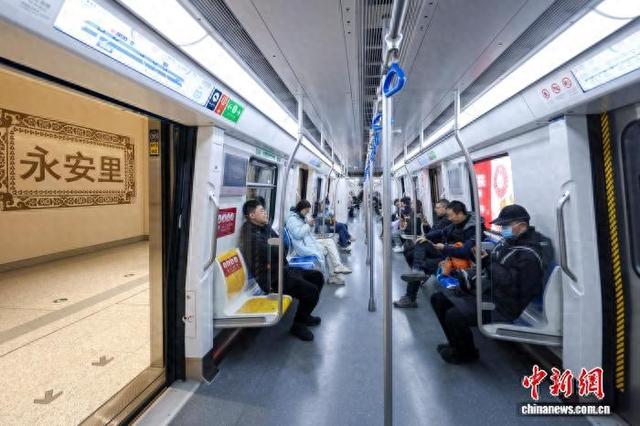
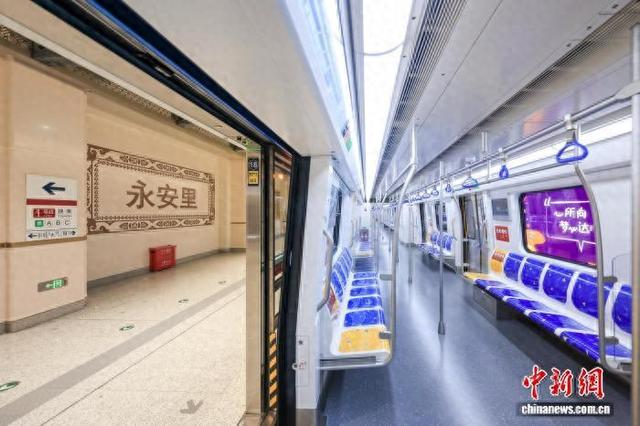
Core Points - The opening of three new subway lines in Beijing has expanded the operational mileage of the city's rail transit network to 909 kilometers, with a total of 30 operational lines and 539 stations [1] - The number of transfer stations has increased to 106, facilitating quicker transfers for passengers [4][7] - The new lines significantly enhance commuting efficiency, allowing for faster travel across the city compared to driving [8][9] Summary by Sections Subway Network Expansion - The new lines include the southern extension of Line 6, the middle section of Line 17, and Line 18, contributing to a more interconnected subway system [1] - The operational network now features 30 lines and 539 stations, creating a comprehensive transit system [1] Transfer Stations - The number of transfer stations has reached 106, with the recent additions improving passenger convenience [4][7] - The new transfer stations include upgrades at Yong'anli and Dongdaqiao stations, enhancing connectivity [6] Commuting Efficiency - The new subway lines provide a faster alternative to driving, often taking half the time compared to car travel during peak hours [8][9] - Line 18 connects major residential areas and business districts, reducing travel time between key locations [11][15] New Features and Design - Line 18 introduces innovative features such as carbon fiber electric heating seats and circular handrails to improve passenger comfort [22] - The design of stations like the 回龙观西大街 station features a column-free design for better visibility and aesthetics [27] - The 永安里 station showcases a new Chinese style design, reflecting Beijing's cultural heritage [29]
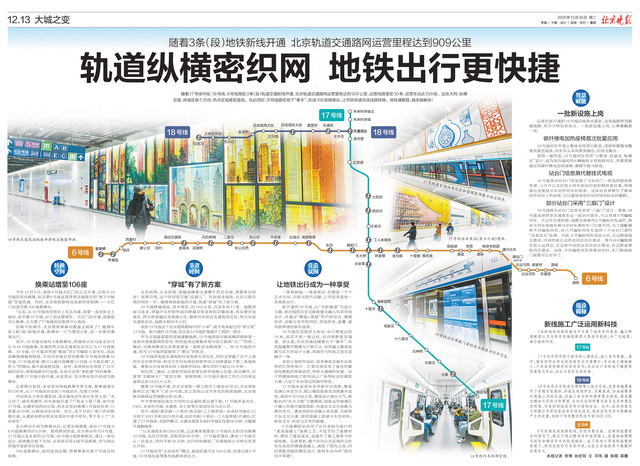
北京新开3条(段)地铁线,城市轨道交通运营总里程超900公里
Zhong Guo Xin Wen Wang· 2025-12-29 00:42
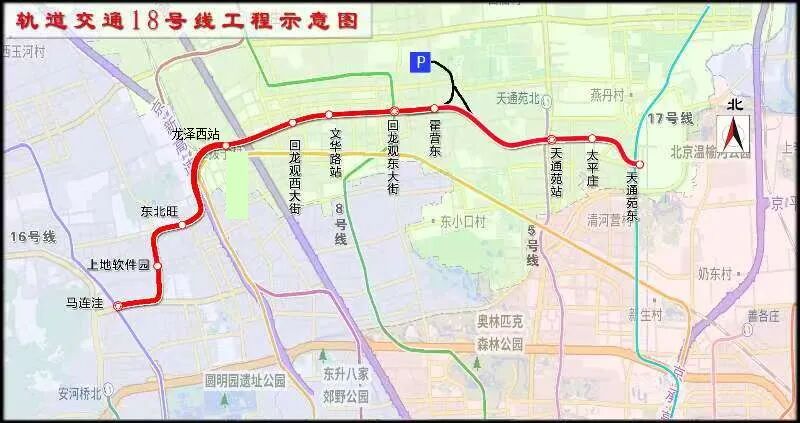
Core Viewpoint - The opening of three new subway lines in Beijing enhances the city's public transportation network, improving connectivity and commuting efficiency for residents in various districts [1][2][3]. Group 1: New Subway Lines - The new lines include the middle section of Line 17 (8.2 km), Line 18 (19.8 km), and the southern extension of Line 6 (2.0 km), adding approximately 30 kilometers to the subway network [1][3]. - Line 17 connects major residential and business areas, reducing travel time from the southern end to the northern end to 66 minutes, effectively alleviating traffic pressure on existing lines [2][3]. - Line 18 serves as a crucial east-west corridor in northern Beijing, linking key areas and easing traffic congestion in the "Huitian" region [3]. Group 2: Operational Details - The operational hours for the new lines are set, with first and last trains scheduled for various stations, ensuring accessibility for commuters [4]. - The integration of bus services with the new subway lines has been optimized, with adjustments made to existing routes and the introduction of new ones to facilitate seamless transfers [5][6]. Group 3: Infrastructure and Facilities - Parking facilities have been developed around the new stations, including motor vehicle and non-motor vehicle parking spaces, to support commuter needs [7]. - The new lines feature enhanced passenger amenities, such as mother-baby rooms, accessible restrooms, and real-time information displays, improving the overall travel experience [8].
北京三条地铁新线串联跨年“京彩”旅程
Xin Lang Cai Jing· 2025-12-27 12:29
Core Insights - Beijing's new subway lines enhance urban transportation and cultural tourism integration, providing residents and visitors with improved travel options for the New Year celebrations [1][10] Group 1: New Subway Lines - Three new subway lines (17th, 18th, and southern extension of the 6th line) opened on December 27, coinciding with the New Year festivities [1][10] - The 17th line connects key cultural and commercial areas, facilitating access to the Worker’s Stadium, a major event location for the New Year [1][2] - The 18th line offers rapid transit from northern districts to central Beijing, allowing easy access to popular New Year activities and events [2][5] - The southern extension of the 6th line enhances connectivity within the city’s sub-center, improving access to cultural landmarks and events [6][8] Group 2: Service Enhancements - The 17th line features customized services for foreign passengers, including multilingual support and staff training to ensure seamless communication [2] - The 18th line includes immersive holiday experiences, such as themed trains to celebrate the New Year [5] - The new lines are designed to support the city's cultural tourism strategy, linking major attractions and enhancing the overall travel experience [7][10] Group 3: Urban Development and Economic Impact - The expansion of the subway network to 909 kilometers enhances connectivity across 12 districts, supporting daily commuting and tourism [7][8] - The new lines are expected to stimulate urban consumption and improve the city's functional layout, contributing to Beijing's development as an international consumption center [10]
3条(段)地铁新线开通 北京城市轨道交通运营总里程达909公里
Xin Hua She· 2025-12-27 03:08
Core Points - The opening of three new urban rail transit lines in Beijing enhances the connectivity of key functional areas, improves commuting efficiency, and optimizes urban structure [1] - The total operational mileage of Beijing's urban rail transit reaches 909 kilometers with the addition of these new lines [1] Group 1: New Lines and Their Impact - The new lines include the middle section of Line 17 (Worker's Stadium to Shilihe), Line 18 (Malianwa to Tiantongyuan East), and the southern extension of Line 6 (Lucheng to Luyang) [1] - The new lines are designed to strengthen connections in the central urban area, thereby enhancing commuting efficiency and urban structure [1] Group 2: Design and Features - The station designs reflect the "one station, one scene" concept, showcasing regional characteristics, such as the incorporation of blue-and-white porcelain and antique cultural elements at Panjiayuan West Station [1] - Innovations in service include the provision of mother-and-baby rooms, family-friendly accessible restrooms, and AED emergency equipment at each station on Line 18 [1] Group 3: Community Engagement - Prior to the opening, the transportation department invited local residents, long-distance commuters, and representatives of disabled passengers for trial rides, and feedback has been collected and addressed [1]
北京新开3条(段)地铁线 城市轨道交通运营总里程超900公里
Zhong Guo Xin Wen Wang· 2025-12-27 02:59
Core Viewpoint - The opening of three new subway lines in Beijing enhances the city's public transportation network, improving connectivity and commuting efficiency for residents in various districts [1][3][7]. Group 1: New Subway Lines - The new lines include the middle section of Line 17 (8.2 km), Line 18 (19.8 km), and the southern extension of Line 6 (2.0 km), adding approximately 30 kilometers to the operational subway network [1][3][7]. - Line 17 connects major residential and business areas, allowing for a full journey from Jiahuai Lake to Future Science City North in just 66 minutes, effectively alleviating traffic pressure on existing lines [3][4]. - Line 18 serves as a crucial east-west corridor in northern Beijing, linking Haidian and Changping districts, with 11 stations including four transfer stations [4][5]. Group 2: Transportation Integration - The new subway lines are complemented by adjustments to the bus network, with two bus routes modified and one new route introduced to facilitate seamless transfers between bus and subway services [8]. - A total of 121 bus routes now connect to the new subway lines, enhancing overall travel efficiency [8]. Group 3: Parking and Facilities - New parking facilities have been established near subway stations, including a 1.4 million square meter parking lot at the southern extension of Line 6, accommodating 364 vehicles and 2,600 bicycles [9]. - The new lines feature amenities such as mother-baby rooms, accessible restrooms, and AED equipment, ensuring a user-friendly experience for all passengers [9][10]. Group 4: Passenger Experience Enhancements - The new trains are equipped with carbon fiber electric heating seats and ergonomic designs to improve passenger comfort [10]. - Real-time information displays at stations provide updates on train arrivals and crowd levels, aiding passengers in planning their journeys [10].
官宣!北京三条地铁新线明日开通试运营
3 6 Ke· 2025-12-26 07:55
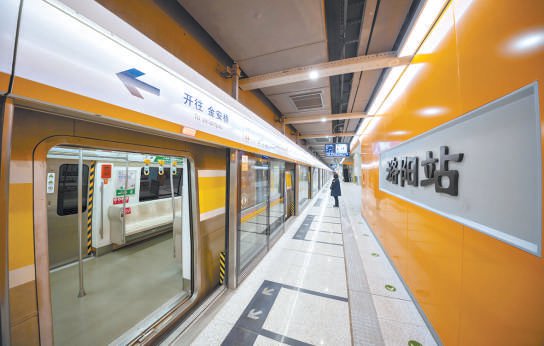
Core Points - The Beijing Municipal Transportation Commission and the Major Projects Office announced the trial operation of the middle section of Line 17, Line 18, and the southern section of Line 6 starting this Saturday [1] Group 1: Line 18 - Line 18 runs from Tiantongyuan East Station in Changping District to Maliandao Station in Haidian District, connecting key functional areas such as the "Huitian Area" and Haidian's major industrial zones, enhancing transportation convenience for residents along the route [2] - The line consists of 11 stations, allowing transfers at Maliandao Station to Line 16, at Huilongguan East Street Station to Line 8, at Tiantongyuan Station to Line 5, and at Tiantongyuan East Station to Line 17 [4] Group 2: Line 17 - Line 17 stretches 49.7 kilometers from the northern Future Science City North Station in Changping to the southern Jiahui Lake Station in Yizhuang, featuring 21 stations, 11 of which are transfer stations [5] - The newly opened middle section spans approximately 7.2 kilometers from Shilihe Station to Workers' Stadium Station, including four stations: Dongdajie, Yong'anli, Guangqumenwai, and Panjiayuan West, with Guangqumenwai Station temporarily not in service [5] - With the opening of this section, Line 17 will operate continuously from north to south, allowing direct access to key areas such as Future Science City, Wangjing, CBD, and Yizhuang, reducing travel time from Jiahui Lake to Future Science City North Station to just 66 minutes [6] Group 3: Line 6 - Line 6 is a major transit artery in Beijing, extending approximately 53.2 kilometers from Jin'anqiao Station in Shijingshan District to Lucheng Station in Tongzhou District, passing through significant areas like Xinhua Steel, Desheng Technology Park, Financial Street, CBD, and the sub-center's business and administrative districts, with a total of 35 stations [7] - The current extension of Line 6 involves one additional station from the eastern end at Lucheng Station [9] Group 4: Accessibility Improvements - The A entrance of Dongsi Station and the accessible entrance of Jingfengmen Station on Line 14 have officially opened, enhancing accessibility for passengers [9] - The A entrance at Dongsi Station features escalators and a wide staircase, reducing walking distance for residents and integrating transportation with commercial areas [9] - The new facilities at Jingfengmen Station, including elevators, wide gates, and tactile paths, significantly improve the transfer experience for passengers with disabilities, the elderly, or those with large luggage or strollers, allowing for "zero-barrier" transfers [11][13]
本市轨道交通运营里程超900公里
Bei Jing Wan Bao· 2025-12-22 06:52
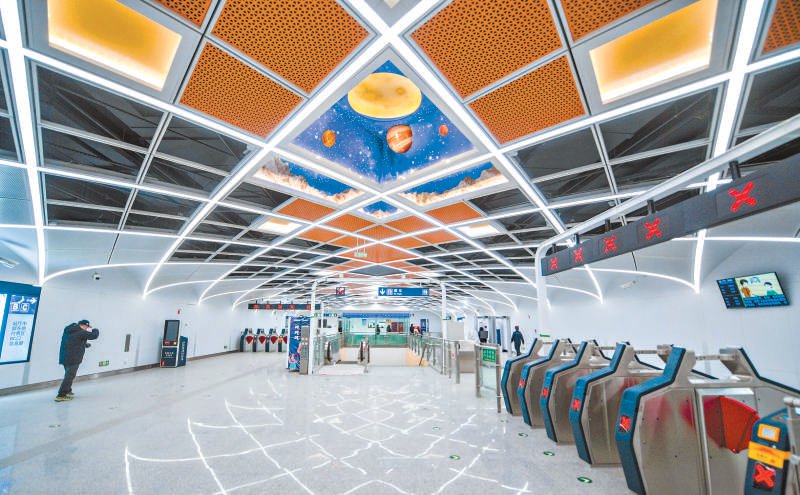
Core Insights - Beijing's upcoming subway lines, including the 17th line mid-section, 18th line, and the southern extension of the 6th line, will add approximately 30.1 kilometers to the city's rail network, bringing the total operational mileage to 909 kilometers, enhancing the overall capacity and service level of the capital's transportation system [2][3][5] Group 1: New Subway Lines - The 17th line mid-section, spanning about 8.2 kilometers with 4 stations, will connect the southern and northern parts of the city, allowing a travel time of 66 minutes from the southern terminus to the northern terminus [2][5] - The 18th line, approximately 19.8 kilometers long, will serve as a key east-west route in the northern region, featuring 11 stations, including 4 transfer stations, with a travel time of just over 30 minutes from end to end [3][5] - The southern extension of the 6th line will extend about 2.1 kilometers to the newly constructed Luyang Station, significantly improving the connection between the urban sub-center and the central city [3][5] Group 2: Station Design and Aesthetics - The 17th line mid-section will incorporate a "Science and Innovation Future" theme, with stations reflecting local cultural elements, such as the new Chinese style at Yong'anli Station [3][4] - The 18th line will feature a "Light and Shadow Tunnel" design theme, emphasizing a bright and warm waiting atmosphere, with the unique design of the first large-span column-free station in Beijing at the Longguan West Street Station [4][5] - The Luyang Station on the 6th line will utilize a "bare concrete" design, enhancing construction efficiency and environmental performance while showcasing a minimalist aesthetic [4][5] Group 3: Engineering Innovations - The construction of the 17th line mid-section faced complex conditions, including integration with existing infrastructure and minimizing environmental impact during construction [5][6] - The 18th line will employ advanced monitoring and dynamic adjustment systems to ensure safety while crossing critical infrastructure, and it will be a demonstration line for smart construction practices [5][6] - The 6th line southern extension successfully completed track connections and signal system upgrades without disrupting existing operations, highlighting the project's technical challenges [6]
轨道交通运营里程将突破900公里
Bei Jing Ri Bao Ke Hu Duan· 2025-12-22 01:09
Core Viewpoint - The upcoming opening of three new subway lines in Beijing, including the middle section of Line 17, Line 18, and the southern extension of Line 6, will enhance the city's rail transit network, increasing the total operational mileage to 909 kilometers, marking a significant advancement in the capital's transportation capacity [7]. Group 1: Line Details - The total length of the new lines is approximately 30.1 kilometers, with the middle section of Line 17 spanning 8.2 kilometers and featuring four stations, including East Dajiao Station, which allows transfers to Line 6, and Yong'anli Station, which connects to Line 1 [9]. - Line 18, covering about 19.8 kilometers, serves as a major east-west route for the northern districts, featuring 11 stations, four of which are transfer stations, significantly easing commuting pressure for residents in large residential areas like Tiantongyuan and Huoying [10]. - The southern extension of Line 6 extends approximately 2.1 kilometers to Luyang Station, enhancing connectivity between the urban sub-center and the central city, which is crucial for improving green travel options [10]. Group 2: Design and Aesthetics - The design of the new lines incorporates unique artistic elements, such as the "Phoenix" theme at East Dajiao Station, which blends traditional culture with modern artistic expression, showcasing Beijing's international image [11]. - Line 18 features a "light and shadow tunnel" design theme, emphasizing a minimalist approach that balances economy, functionality, and aesthetics, creating a bright and welcoming atmosphere for passengers [11]. - Luyang Station on Line 6 employs a "bare concrete" design, which not only reduces construction costs but also enhances environmental performance, showcasing a modern aesthetic [12]. Group 3: Construction Innovations - The construction of these lines overcame significant challenges, including complex geological conditions and the integration with existing lines, demonstrating innovative engineering techniques and construction models [13]. - The middle section of Line 17 required intricate design to efficiently integrate multiple lines at East Dajiao Station while minimizing impacts on the surrounding environment [14]. - Line 18 is recognized as a smart construction demonstration line, utilizing advanced technologies such as flexible direct current traction power supply systems, which improve energy efficiency by 5%-10% compared to traditional systems [14]. Group 4: Impact on Urban Development - The opening of these new lines is expected to enhance service quality, operational efficiency, and urban integration, facilitating smoother urban connectivity and stimulating regional development [15]. - The new subway lines will provide safer, more convenient, and environmentally friendly travel options for residents, supporting the high-quality development of the capital and contributing to the creation of a harmonious and livable city [15].
轨交运营里程将突破900公里
Bei Jing Ri Bao Ke Hu Duan· 2025-12-21 22:25
Core Viewpoint - The new subway lines in Beijing, including the 17th, 18th, and the southern extension of the 6th line, are set to enhance the city's transportation network, improve service quality, and support urban development, with a total length of approximately 30.1 kilometers to be opened by the end of the year [7][12]. Group 1: Line Details - The 17th line's middle section, spanning about 8.2 kilometers, connects key areas such as Future Science City and CBD, significantly reducing travel time from the southern end to the northern end to 66 minutes [7][12]. - The 18th line, approximately 19.8 kilometers long, serves as a major east-west route for northern districts, featuring 11 stations, including four transfer stations, and aims to alleviate commuting pressure in large residential areas [8][12]. - The southern extension of the 6th line extends about 2.1 kilometers to Luoyang Station, enhancing connectivity between the urban sub-center and the main city [8][12]. Group 2: Design and Construction Features - The 18th line features a unique design theme of "light and shadow tunnel," focusing on an open and clear transfer space with an 18-meter span at the largest column-free station in Beijing [10][11]. - The 17th line incorporates regional cultural elements in its design, with art pieces like "Phoenix Sounding the East" by Han Meilin at Dongdachang Station, reflecting Beijing's international image [9][10]. - The 6th line's Luoyang Station utilizes a "bare concrete" design, which saves materials and enhances environmental performance while maintaining aesthetic appeal [10][11]. Group 3: Technological Innovations - The 18th line is recognized as a smart construction demonstration line, employing advanced monitoring systems and flexible direct current traction supply technology, which can save 5%-10% energy compared to traditional systems [11][12]. - The construction of these lines faced challenges such as complex geological conditions and the need for integration with existing infrastructure, leading to innovative engineering solutions [11][12]. - The new lines are expected to improve the overall efficiency and safety of urban transportation, contributing to the high-quality development of the capital [12].