28纳米及以上成熟制程芯片

Search documents
中芯国际营收新高背后,是中国半导体的“稳”与“进”
Xin Lang Cai Jing· 2026-02-11 02:45
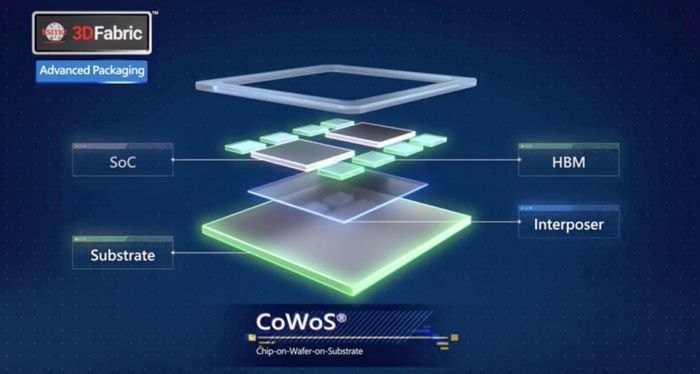
Core Viewpoint - The semiconductor industry is advancing along two parallel but distinct paths: TSMC leads in cutting-edge process technology, while SMIC focuses on mature processes and advanced packaging strategies, each holding unique advantages in the market [1][2][5]. Group 1: TSMC and SMIC Performance - TSMC reported a record monthly revenue of NT$401.26 billion (approximately $12.71 billion) in January, a year-on-year increase of 36.8% [1]. - SMIC achieved an annual revenue of $9.327 billion, marking a 16.2% year-on-year growth and setting a historical high [1][2]. - Despite differing growth rates, both companies are not in direct competition; TSMC is pushing the limits of process technology while SMIC is solidifying the foundation of Chinese manufacturing [2][5]. Group 2: Market Dynamics and Trends - The global semiconductor industry is experiencing a shift, with mature process capacity increasingly moving to mainland China, projected to contribute over one-third of global mature process capacity by 2027 [6]. - SMIC's production of 9.7 million wafers in the past year, with a capacity utilization rate of 93.5%, indicates strong demand and operational efficiency [5][6]. - The demand for mature processes remains robust, particularly in sectors like automotive and industrial control, which consume large volumes of chips [5][8]. Group 3: Advanced Packaging and Domestic Technology - Advanced packaging is becoming a strategic focus for domestic technology advancements, with China expected to capture 25% of the global advanced packaging market by 2028 [10]. - The penetration rate of domestic front-end equipment in 28nm and above production lines has exceeded 35%, indicating significant progress in self-sufficiency [8][10]. - The trend of advanced packaging is driving the upgrade of domestic equipment technology, creating a positive feedback loop that enhances the manufacturing ecosystem [10]. Group 4: Investment Strategies - Evaluating semiconductor companies solely based on process technology and growth rates may be misleading; TSMC represents technological excellence, while SMIC is a key player in domestic manufacturing recovery [11]. - For investors, direct investment in individual semiconductor companies carries high risks due to rapid technological changes and market volatility; a diversified approach through ETFs is recommended [11][12]. - Notable ETFs include the Chip ETF (159995), Semiconductor Equipment ETF (562590), and Sci-Tech Semiconductor ETF (588170), which provide exposure to the entire semiconductor supply chain and mitigate individual stock risks [12].


18个月后再加税!美国对华芯片施压,不到24小时,中方强硬表态
Sou Hu Cai Jing· 2025-12-26 11:22
Core Viewpoint - The Trump administration's decision to impose tariffs on Chinese semiconductor imports, effective June 2027, reflects a strategic maneuver in the semiconductor industry, allowing for an 18-month buffer period for negotiations and adjustments [1][20]. Group 1: U.S. Semiconductor Strategy - The U.S. is targeting mature process chips (28nm and above), which are essential for various industrial applications, from household appliances to automotive technologies [5]. - The U.S. faces a dilemma as it has also invested hundreds of billions in domestic semiconductor production, while predicting a surplus of over 30% in global mature process capacity by 2030 [7]. - Immediate tariffs could further undermine market confidence, risking the viability of new U.S. semiconductor facilities [8]. Group 2: Supply Chain Dependencies - The U.S. heavily relies on China for critical raw materials like gallium and germanium, which are essential for semiconductor manufacturing [10]. - Restrictions on rare earth exports from China have already impacted U.S. defense contractors, highlighting the interdependence of the two nations in the semiconductor supply chain [12]. Group 3: Bilateral Negotiation Dynamics - The delay in imposing tariffs serves as a bargaining chip for the U.S. to negotiate reductions in Chinese semiconductor subsidies and relaxations in rare earth export controls [20]. - Simultaneously, China aims to leverage this situation to seek eased restrictions on advanced semiconductor exports to the U.S. and halt unwarranted sanctions against its tech firms [20]. Group 4: Potential Market Impact - A complete breakdown in negotiations could lead to a significant increase in global chip prices, estimated to rise by 35% to 65%, resulting in substantial additional costs for U.S. consumers [22].