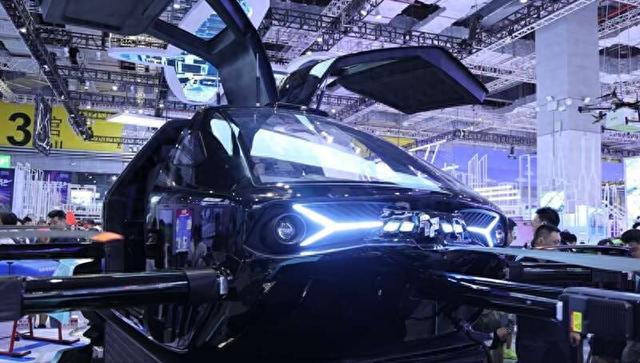
AE200批产构型机

Search documents
珠海航展圆满落幕,订单合作纷纷落地!航空航天ETF天弘(159241)上周五尾盘放量拉升,换手率再居同类产品首位!
Sou Hu Cai Jing· 2025-12-01 01:24
Core Insights - The Aerospace ETF Tianhong (159241) has shown strong market activity with a turnover of 13.94% and a transaction volume of 73.73 million yuan as of November 28, 2025, outperforming its peers [1] - The CN5082 index tracking the aerospace industry has increased by 1.42%, with notable gains from constituent stocks such as Yaguang Technology (300123) up 13.48%, Aerospace Development (000547) up 10.02%, and Guanglian Aviation (300900) up 6.23% [1] - Over the past 22 trading days, the Aerospace ETF Tianhong has attracted a total of 81.1455 million yuan [1] Product Highlights - The Aerospace ETF Tianhong (159241) effectively captures thematic investment opportunities, aligning with popular themes such as low-altitude economy, large aircraft, and satellite internet, benefiting from both policy and market support [2] Hot Events 1. Beijing is accelerating the development of a space data center, with plans to build a large-scale data center system in the 700-800 km dawn-dusk orbit, aiming to transfer massive AI computing power to space [2] 2. The 2025 Asian General Aviation Exhibition concluded successfully in Zhuhai, showcasing over 170 aircraft and attracting participation from more than 380 companies across 22 countries and regions, with significant growth in exhibition scale compared to previous years [3] 3. China Aviation Engine Group signed cooperation agreements or intent procurement contracts for various general aviation engines totaling over 1 billion yuan during the exhibition [3] Institutional Views - Open Source Securities highlights the introduction of a three-year action plan for commercial aerospace, aiming for high-quality development by 2027, with the upcoming maiden flight of the Blue Arrow Aerospace Zhuque-3 reusable rocket and accelerated satellite internet constellation construction [3]





沃飞长空亚洲通航展获多笔确认性订单
Bei Jing Shang Bao· 2025-11-27 07:17
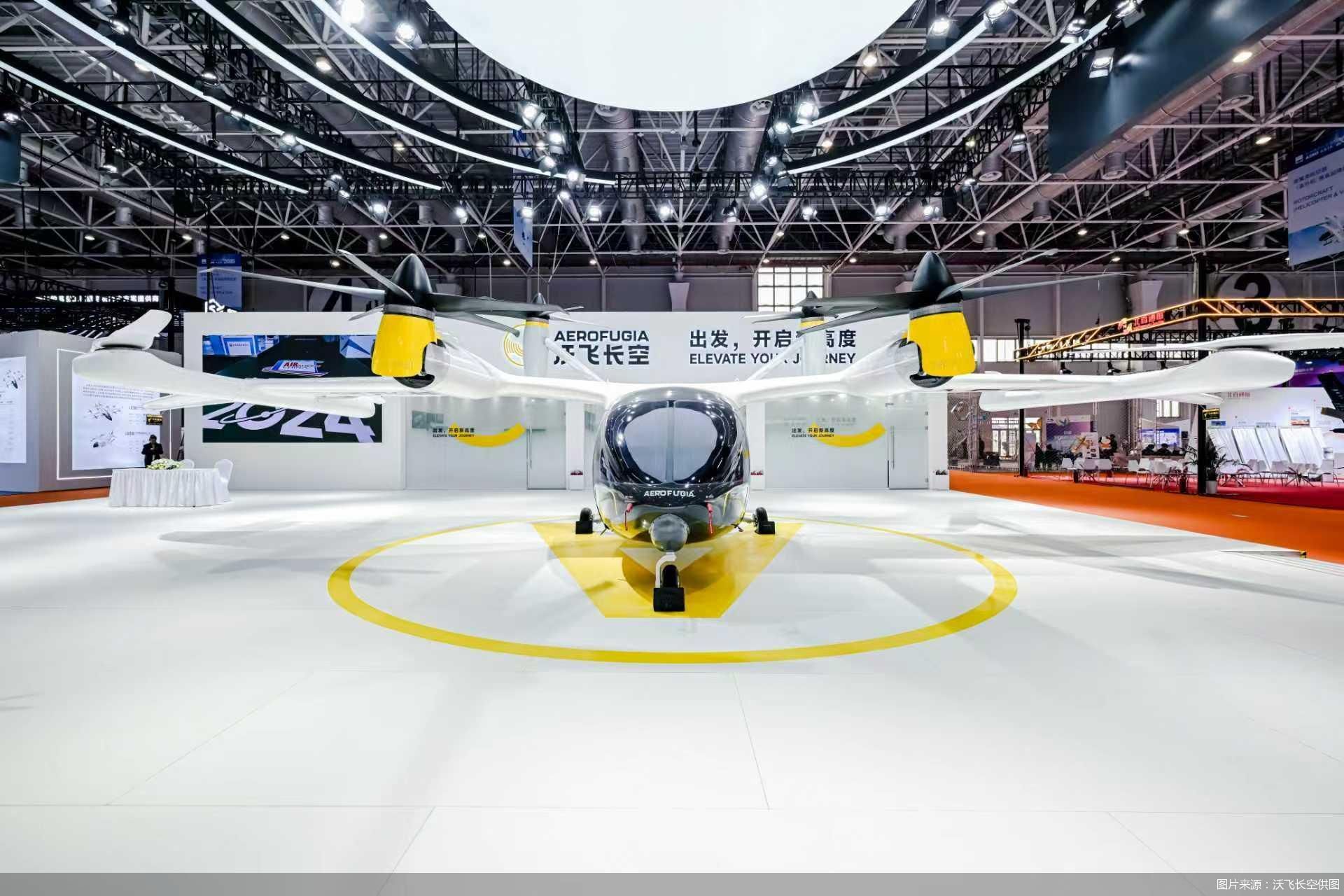
Core Viewpoint - WoFei ChangKong showcased its AE200 production model at the 2025 Asia General Aviation Exhibition, indicating a significant step in its operational capabilities and partnerships within the aviation industry [1] Group 1: Company Developments - WoFei ChangKong has established confirmed procurement agreements and strategic collaborations with several industry partners, including Beijing Hualong Business Aviation Co., Ltd., Shenzhen Shencheng Low-altitude Operation Co., Ltd., Dazhong Transportation Group Co., Ltd., Sichuan Konglian Jiexing Aviation Technology Co., Ltd., and Jitai Aviation Technology (Suzhou) Co., Ltd. [1]
车企入局聚合智能产业新机遇 供应链亟待打通
Jing Ji Ri Bao· 2025-10-08 01:46
Core Insights - The integration of smart vehicles, intelligent robots, and low-altitude flying vehicles is seen as a hallmark of new productive forces, with a trend of accelerated convergence among these industries [1][3][4]. Group 1: Industry Trends - The recent first Aggregated Intelligent Industry Development Conference highlighted the potential for these three sectors to merge, leveraging shared technologies and resources [1][3]. - Tesla's recent "Master Plan Part Four" emphasizes AI and robotics, indicating a shift in focus from just electric vehicles to a broader technological ecosystem [3]. - Domestic companies are actively entering the intelligent robotics and low-altitude flying sectors, with over ten automotive and parts manufacturers exploring these fields through various strategies [3][4]. Group 2: Technological Synergy - The three industries share foundational technologies such as artificial intelligence, energy power, and materials, allowing for cross-application of key technologies [4]. - The supply chain overlap between the automotive, robotics, and low-altitude sectors is significant, with over 60% compatibility in their supply chains [5]. Group 3: Cost Reduction and Supply Chain - The lack of a streamlined supply chain is a major barrier to making humanoid robots and flying cars affordable for consumers [5][6]. - Companies are exploring ways to leverage automotive supply chains to reduce costs in the production of new technologies, with expectations to significantly lower prices within 3 to 5 years [6]. Group 4: Challenges in Collaboration - The integration of these industries faces challenges such as standardization, capability alignment, and market size discrepancies [7][8]. - There is a need for innovative collaboration mechanisms to enhance technological and cost competitiveness across these sectors [7][8]. Group 5: Policy and Talent Development - The development of these industries requires a shift from isolated growth to a more integrated approach, emphasizing the importance of policy support and talent cultivation [8].
车企入局聚合智能产业新机遇
Jing Ji Ri Bao· 2025-10-07 22:05
Core Insights - The integration of smart vehicles, intelligent robots, and low-altitude flying vehicles is seen as a hallmark of new productive forces, with a trend of accelerated convergence among these industries [1][3][4] Industry Overview - The recent first Aggregated Intelligent Industry Development Conference highlighted the potential for these three sectors to merge, leveraging shared technologies and resources to create a cohesive industrial ecosystem [1][3] - Tesla's recent focus on AI and robotics in its "Master Plan" indicates a shift towards valuing these technologies, with Musk suggesting that 80% of Tesla's future value may come from its Optimus robot [3][4] Market Dynamics - Domestic automakers are actively entering the intelligent robotics and low-altitude flight sectors, with over ten companies already involved through various strategies such as investment and joint R&D [3][4] - The supply chain overlap between the automotive industry and these emerging sectors is significant, with a reported 60% compatibility in supply chain elements [5][6] Technological Synergies - Key technologies such as AI, energy systems, and materials are common across smart vehicles, robots, and low-altitude vehicles, facilitating their integration [4][5] - Innovations in battery technology, particularly solid-state batteries, are critical for the development of these industries, as they require high energy density solutions [5][6] Challenges and Opportunities - The industry faces challenges in standardization, collaboration, and cost management, which need to be addressed for successful integration [7][8] - The potential for cost reduction in flying cars and robots is significant, with expectations that prices could drop from millions to hundreds of thousands within a few years through automotive supply chain efficiencies [6][7] Strategic Recommendations - A shift from isolated development to a more integrated approach is necessary, promoting cross-industry collaboration and shared technological platforms [8] - The cultivation of interdisciplinary talent and enhanced cooperation between government, industry, and academia is essential for overcoming barriers to development [8]

低空经济龙头在沪集聚,公众关心“啥时候卖”
Zhong Guo Qing Nian Bao· 2025-07-24 05:46
Core Insights - The 2025 International Low Altitude Economy Expo will be held from July 23 to 26 in Shanghai, showcasing over 500 exhibitors and focusing on low-altitude infrastructure, manufacturing, and application scenarios [1][2] Industry Developments - The Shanghai Jinshan District announced the construction of a new site for the "Shanghai Low Altitude Economy Characteristic Park and East China Drone Base," aimed at attracting leading companies in eVTOL, industrial drones, and new energy aviation [3] - The East China Drone Base has been approved for the largest cross-provincial low-altitude airspace in the city, covering an area of 1,370 square kilometers, with a regular flying area of approximately 300 square kilometers [2][3] Company Highlights - Nanjing Tianlu Flying Car Technology Co., Ltd. showcased its flying car, Tianlu Feiche, which generated significant public interest, with all 500 product brochures distributed on the first day of the expo [2] - Volant Aerospace introduced its AE200 aircraft and a new smart cockpit, enhancing the low-altitude travel experience [4][6] - The CEO of Volant Aerospace highlighted the efficiency of their electric aircraft, which can reduce travel time significantly compared to traditional ground transportation [6][9] Market Potential - The low-altitude economy market in China is projected to reach 1.5 trillion yuan by 2025 and is expected to exceed 3.5 trillion yuan by 2035, indicating substantial growth potential in this sector [9]